
The platform is designed for instructors who need students to do more than identify battery components. It organizes the practical sequence from structure recognition and pack assembly through connection inspection, BMS observation and functional verification.
Battery Assembly Equipment
Battery Pack Assembly & Testing Platform
A hands-on platform for teaching LFP battery pack structure, controlled assembly, BMS measurement, electrical inspection and commissioning as one connected practical workflow.
- Primary Use
- Battery Pack Assembly and Commissioning
- Technical Focus
- LFP Pack Structure and BMS
- Learning Mode
- Instructor-Led, Group Practical Work
- Configuration
- Subject to Project Requirements
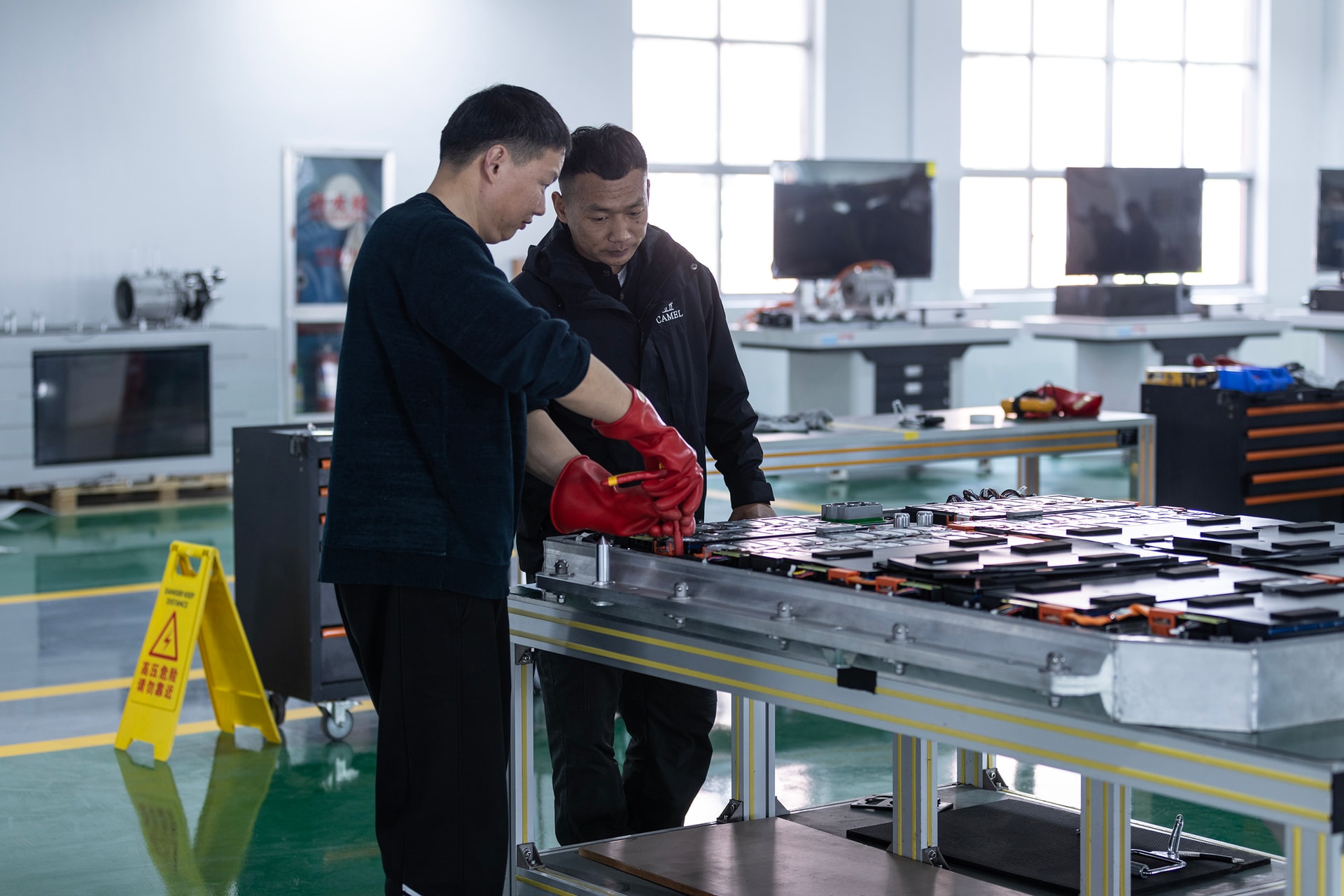
Product Brief
Turn Battery Pack Theory Into a Repeatable Workshop Task.
Teaching access, measurement interfaces and safety controls are configured around supervised classroom work. The exact pack architecture, functions and resources are confirmed against the institution’s curriculum and project requirements.
Key Training Functions
One Connected Practical Workflow.
Functions follow the real sequence of battery pack work, from structural explanation and supervised assembly to measurement, verification and assessment.
- 01
Pack Structure Teaching
Visible and accessible training areas support explanation of the pack’s mechanical, electrical and control relationships.
- 02
Guided Assembly Practice
A defined work sequence helps students carry out supervised connection, inspection and verification tasks.
- 03
BMS Measurement
Teaching interfaces support observation and measurement of key battery and management-system signals.
- 04
Inspection and Commissioning
Students complete pre-operation checks and functional verification as part of the practical workflow.
- 05
Fault-Based Analysis
Project configuration can support selected abnormal conditions for diagnosis and reasoning exercises.
- 06
Skills Assessment
Repeatable tasks allow instructors to assess process compliance, measurement, interpretation and documentation.
Training Tasks
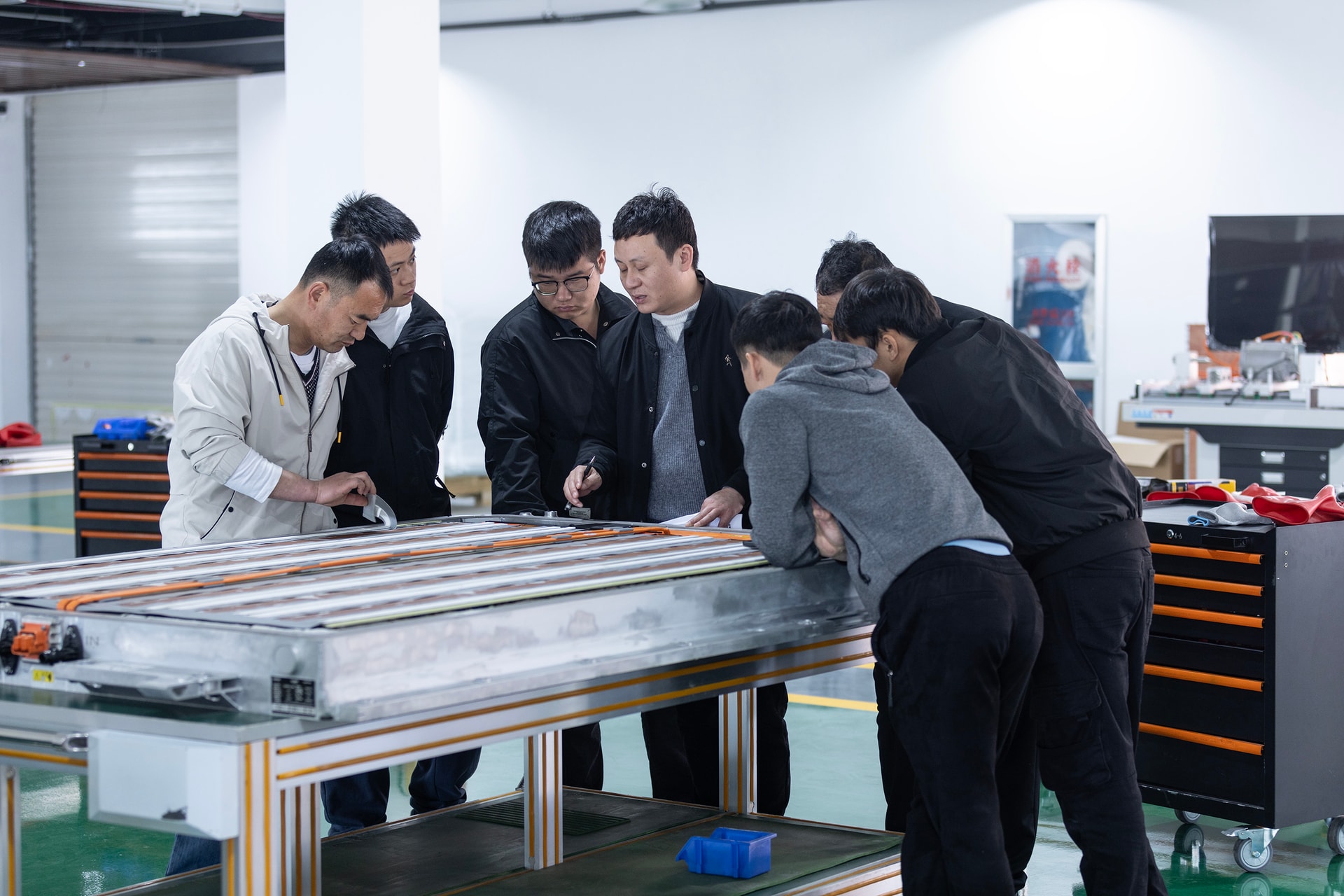
From Recognition to Commissioning.
The exact task sequence is confirmed with the course plan and final platform configuration.
- 01
Identify cells, modules, pack structures, sensing circuits and BMS components
- 02
Review the assembly process, work sequence and safety preparation
- 03
Complete supervised mechanical and electrical connection tasks
- 04
Inspect harness routing, connectors and connection condition
- 05
Measure and compare cell or module information through teaching interfaces
- 06
Observe temperature and status information available from the BMS
- 07
Carry out pre-commissioning checks and record the results
- 08
Analyze selected faults or abnormal data under instructor control
- 09
Complete a practical worksheet and skills assessment record
System Composition
Configured as a Complete Teaching Station.
Final contents are documented in the project specification after technical confirmation.
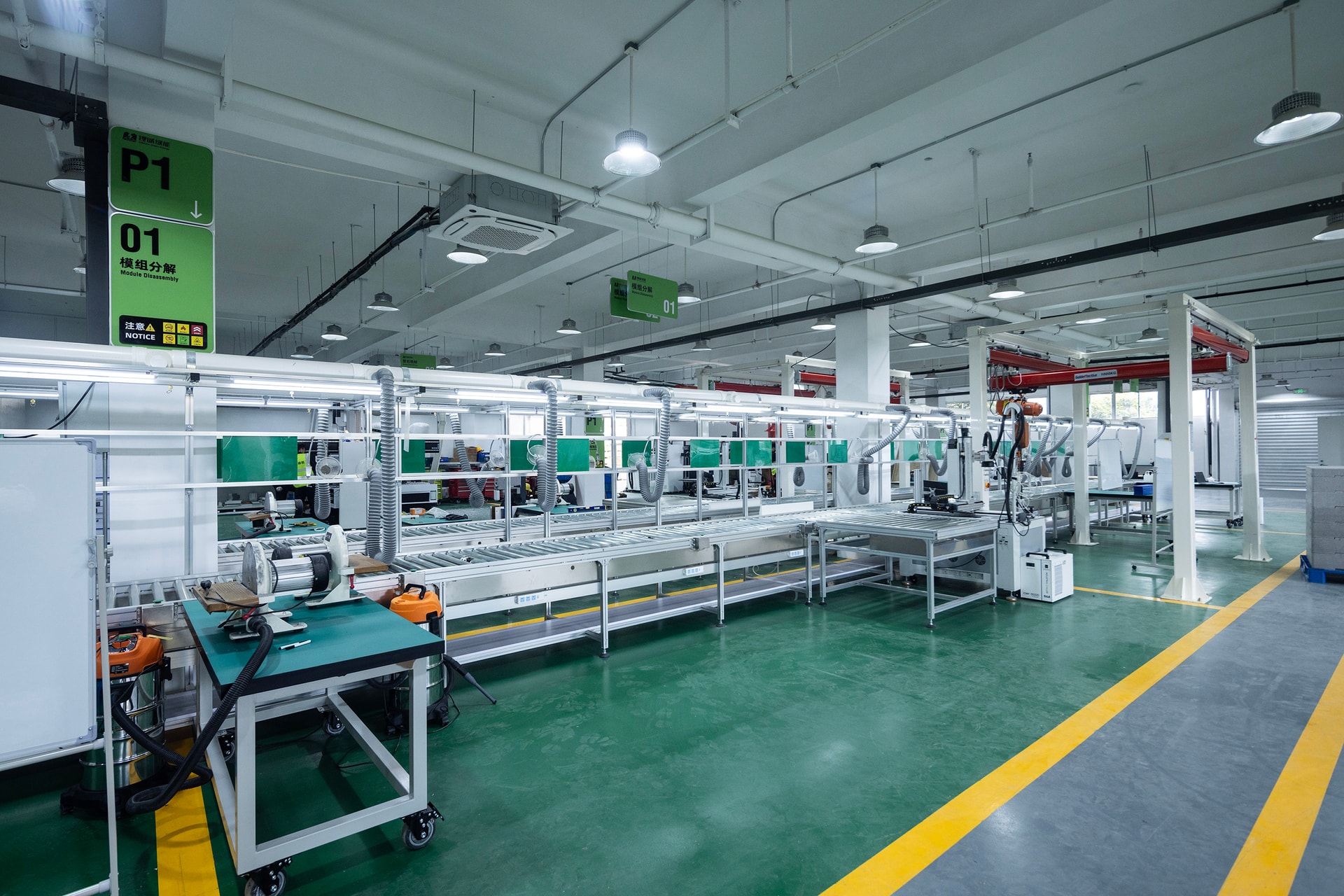
Battery Pack Training Assembly
A teaching-oriented pack structure configured for repeated recognition, assembly and inspection tasks.
Battery Management and Measurement
BMS-related components and accessible interfaces for observing system status and completing guided measurements.
Workstation and Storage
A stable practical-work structure with organized areas for training parts, tools and task preparation.
Safety and Control Elements
Protective design and instructor-controlled operation appropriate to the confirmed teaching configuration.
Tools and Accessories
Task-related tools, leads or accessories are supplied according to the agreed equipment scope.
Teaching Documentation
Operation, practical-task and handover resources are provided according to project requirements.
Technical Specifications
Confirm the Specification Against the Course.
Final dimensions, ratings, interfaces and quantities are issued in a project-specific technical sheet after the course and destination requirements are confirmed.
- Battery Chemistry
- LFP teaching configuration
- Training Scope
- Pack structure, assembly, BMS, inspection and commissioning
- Measurement Access
- Teaching interfaces matched to configured practical tasks
- Fault Training
- Selected functions available according to project scope
- Workstation Format
- Mobile or fixed arrangement subject to room and teaching requirements
- Electrical Supply
- Confirmed for the destination and final configuration
- Language
- English; additional localization available by project
- Final Specification
- Configuration subject to project requirements
Teaching Resources Included
Prepare the Instructor and the Equipment Together.
Resource depth, language and assessment format are aligned during project planning.
Instructor Operation Guide
Equipment preparation, operating sequence, inspection points and routine care.
Practical Task Sheets
Structured exercises that move from recognition and assembly to measurement and verification.
Student Records
Worksheets for observations, measured results, conclusions and practical assessment.
Digital Support
Relevant digital resources or simulation can be matched to the physical equipment by project.
Safety and Quality Design
Safety Is Part of the Teaching Sequence.
Controlled Teaching Access
Operating and measurement access is organized for supervised learning and defined practical tasks.
Pre-Operation Verification
The workflow requires connection and condition checks before commissioning or functional testing.
Protective Design
Protection, isolation and warning measures are matched to the final electrical and teaching configuration.
Production Inspection
Equipment is inspected and functionally checked at BTKX’s Beijing facility before delivery.
Typical Lab Applications
Where the Platform Fits.
- 01NEV Battery Technology Courses
- 02Battery Assembly and Commissioning Modules
- 03High-Voltage Safety Training
- 04Automotive Inspection and Maintenance Programs
- 05Instructor Demonstration and Student Assessment
- 06Applied Engineering and Technician Training
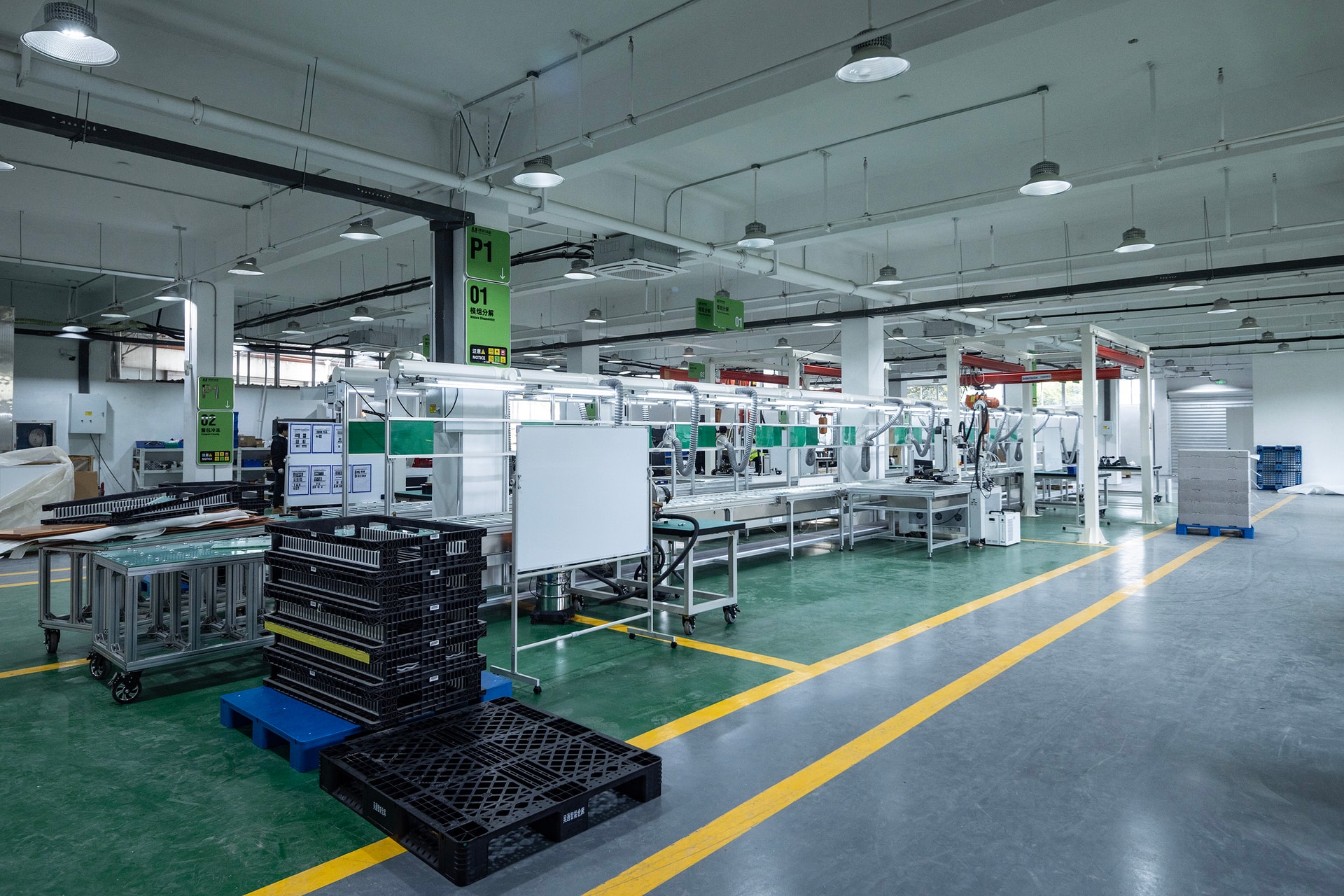
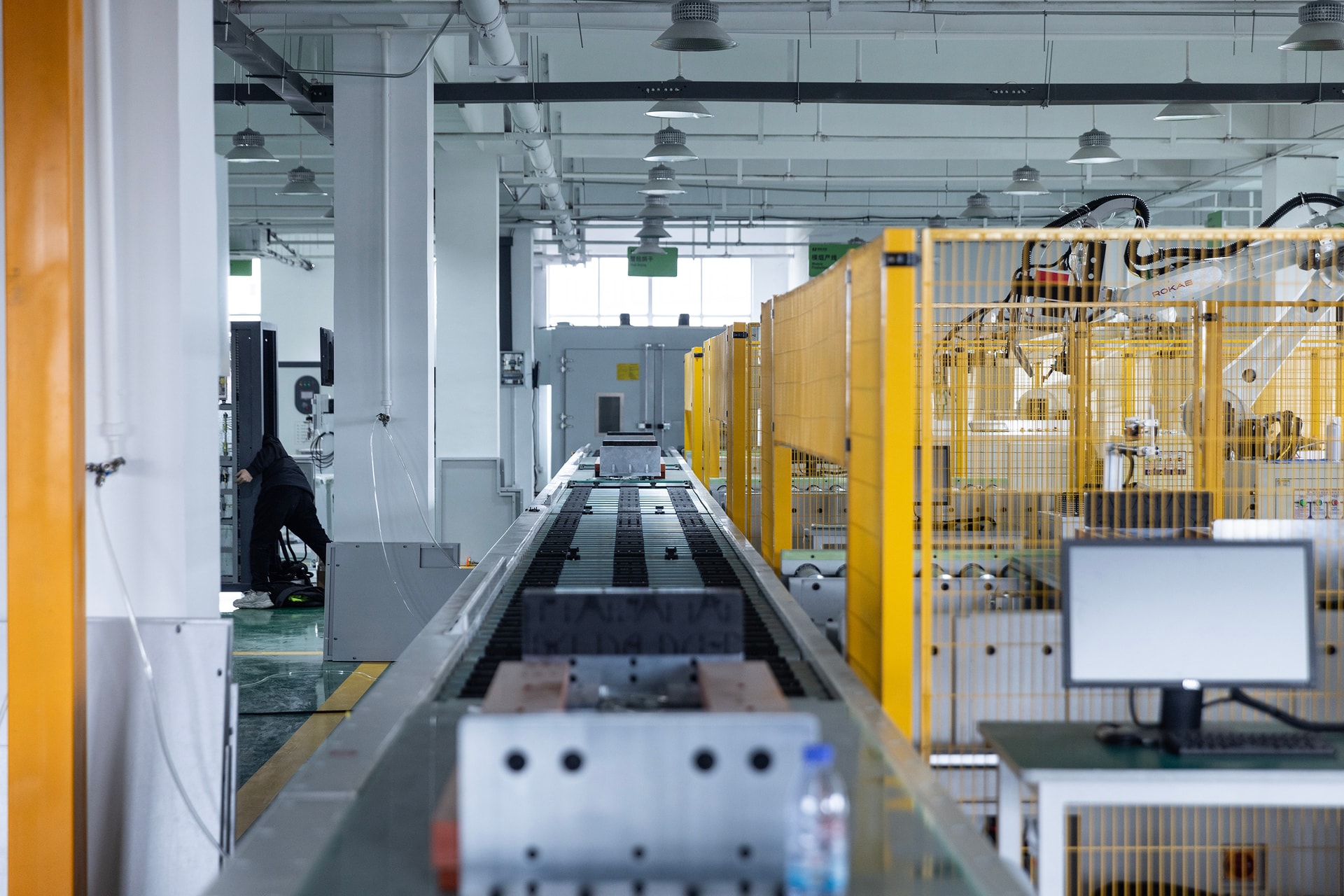
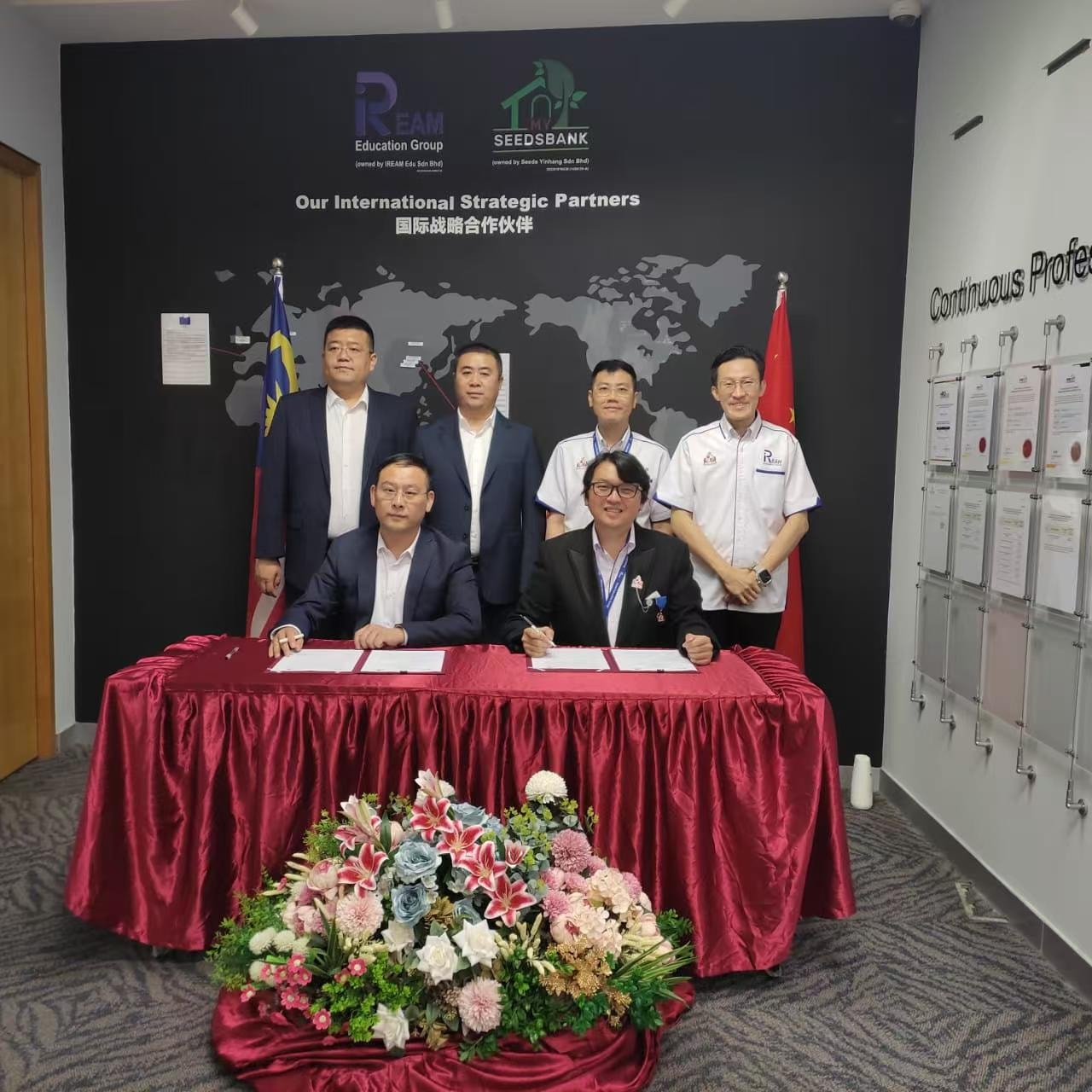
Production Record
The Platform Beyond the Product Sheet.
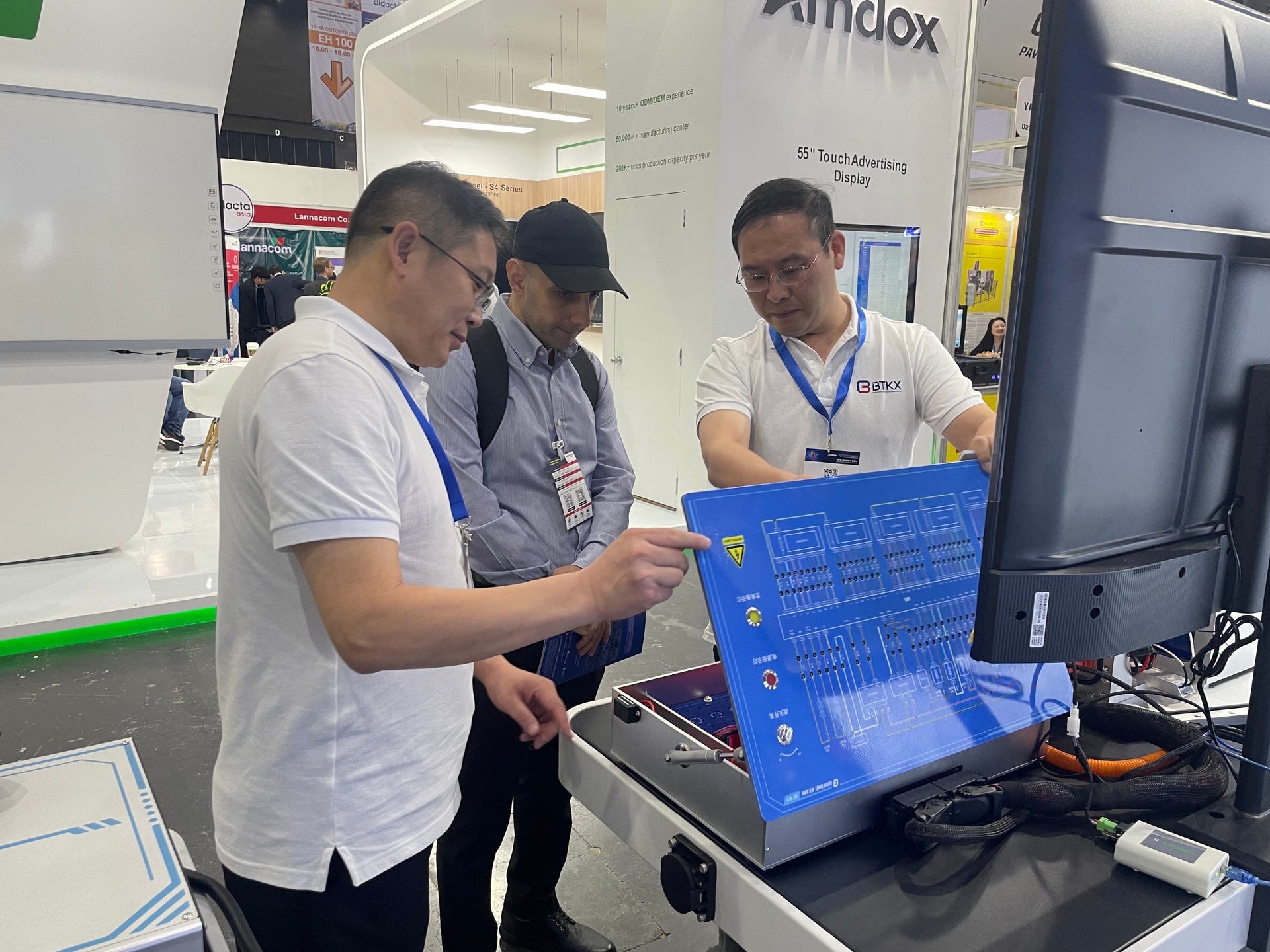
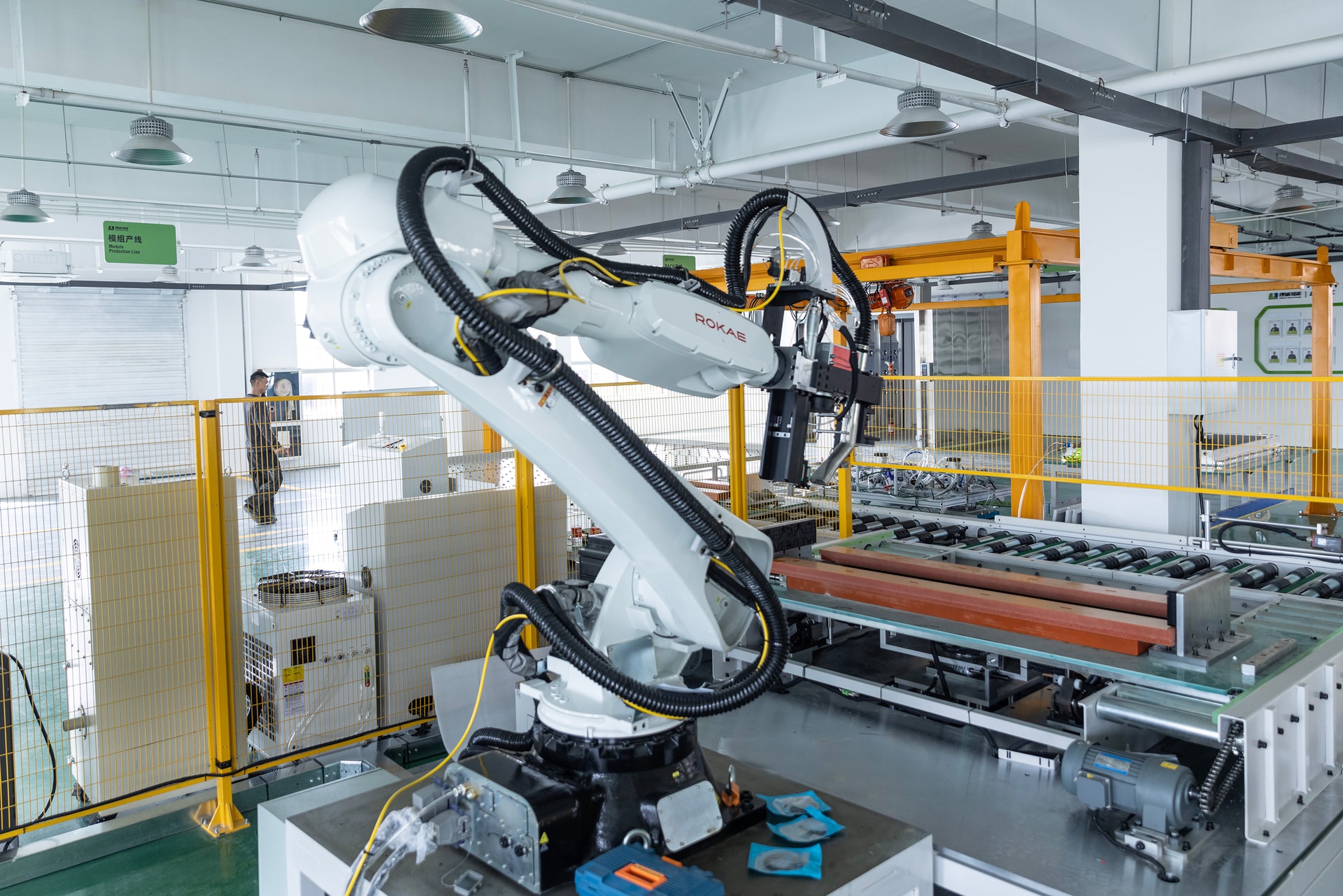
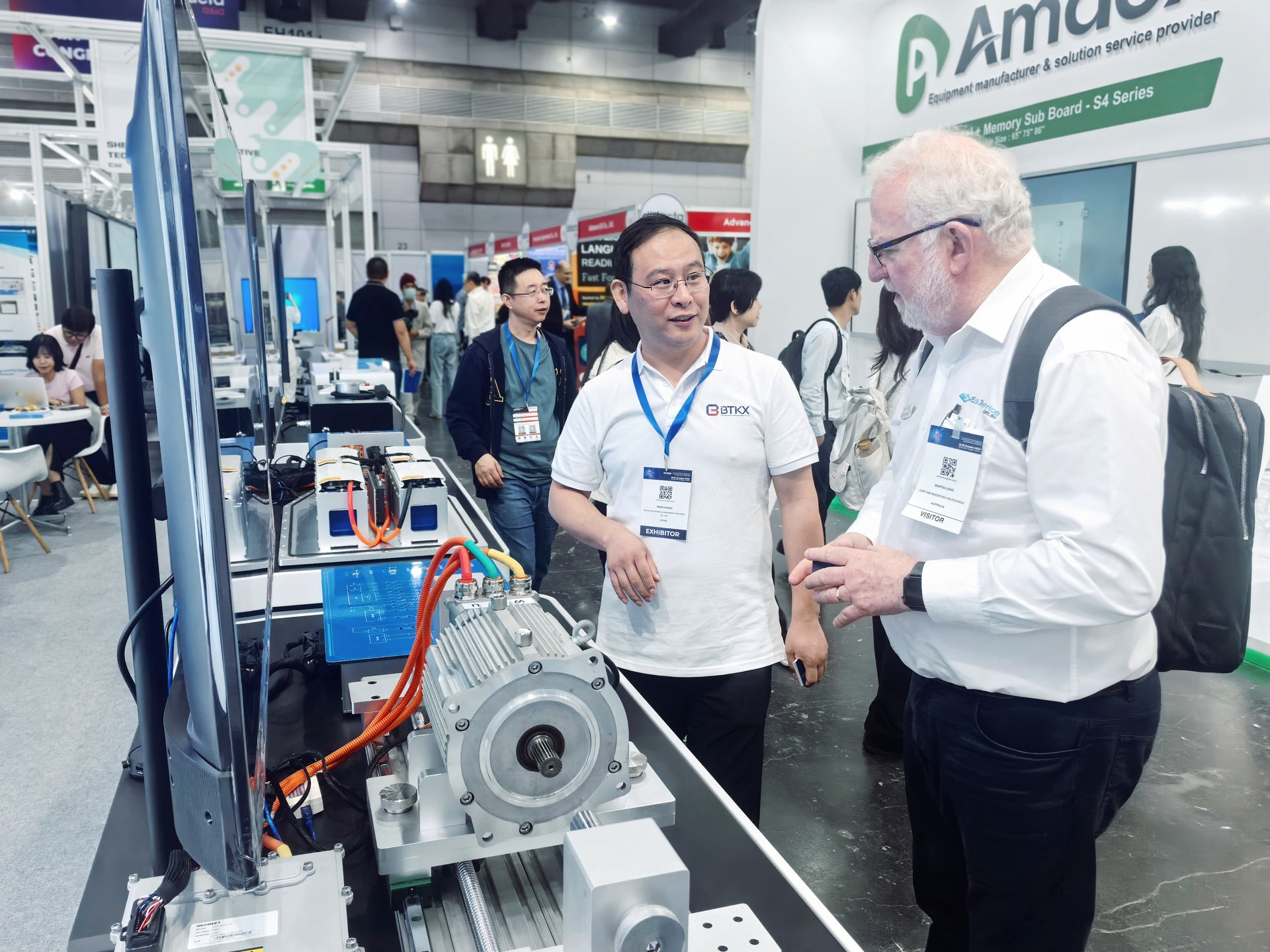
A visual record of assembly, production coordination and international project handover.
Project Delivery
Four Gates Before Handover.
The product moves through confirmation, production acceptance, site commissioning and instructor preparation.
- 01
Technical Confirmation
Confirm course outcomes, room conditions, destination standards, language and required task scope.
- 02
Production and Acceptance
Manufacture, integrate and inspect the confirmed equipment before packing and dispatch.
- 03
Installation and Commissioning
Coordinate site readiness, installation, functional verification and equipment handover.
- 04
Instructor Training
Prepare instructors to operate the platform, deliver practical tasks and perform routine checks.
Buyer FAQ
Questions Before Technical Confirmation.
01Is this a live high-voltage battery pack?+
The final electrical and safety configuration must be confirmed for the intended course and institution. BTKX will define the teaching approach, protection measures and operating scope during technical confirmation.
02Can students assemble and disassemble the pack?+
The platform is intended to support supervised pack-structure and assembly tasks. The precise repeatable operations depend on the confirmed teaching configuration.
03Can fault diagnosis be included?+
Selected abnormal conditions and diagnostic tasks can be configured where they support the course outcomes and remain appropriate for the teaching environment.
04What technical specifications should be used for procurement?+
BTKX should first confirm the curriculum, class organization, destination requirements and project scope. A project-specific technical sheet can then be prepared without relying on generic or unverified values.
05Does BTKX provide installation and instructor training?+
Yes. Installation, commissioning and instructor training can be included in the project delivery scope.
Plan Your Project
Start With Your Courses, Available Space and Training Goals.
BTKX can prepare a project-specific equipment and laboratory proposal after reviewing the teaching requirement.