

NEV Fundamentals & Safety
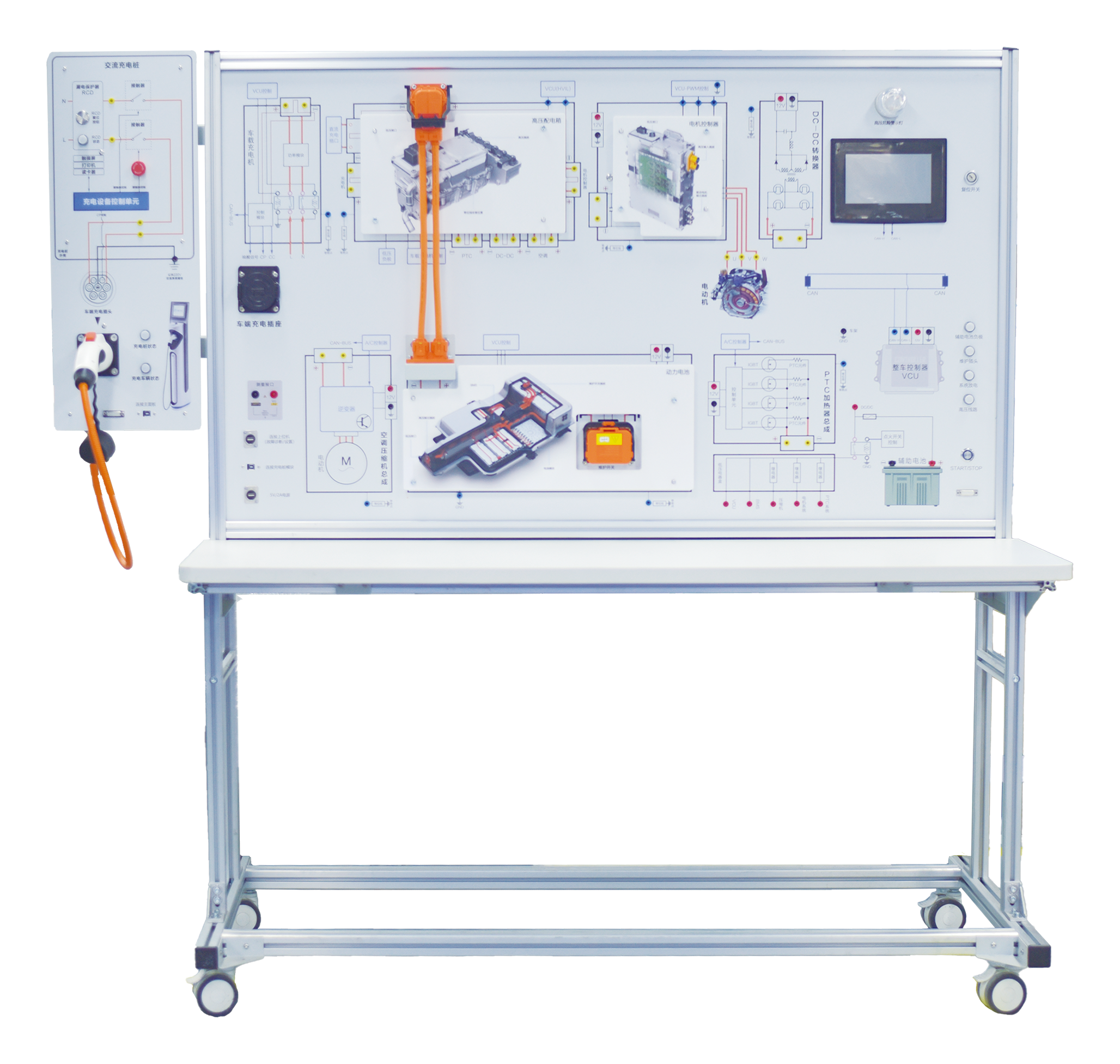
EV High-Voltage Safety Simulation Trainer
Practice isolation sequences and interlock checks through physical connections and simulated high-voltage conditions.
View Product
BTKX — Product Directory
89 product configurations for new energy vehicle, agricultural machinery and conventional vehicle training.
Complete Catalogue
Browse equipment by product division and teaching system. Each product page includes its training scope, technical information and configuration details.
No products match the current selection. Clear the filters to view all products.
NEV Fundamentals & Safety
Practice isolation sequences and interlock checks through physical connections and simulated high-voltage conditions.
NEV Fundamentals & Safety
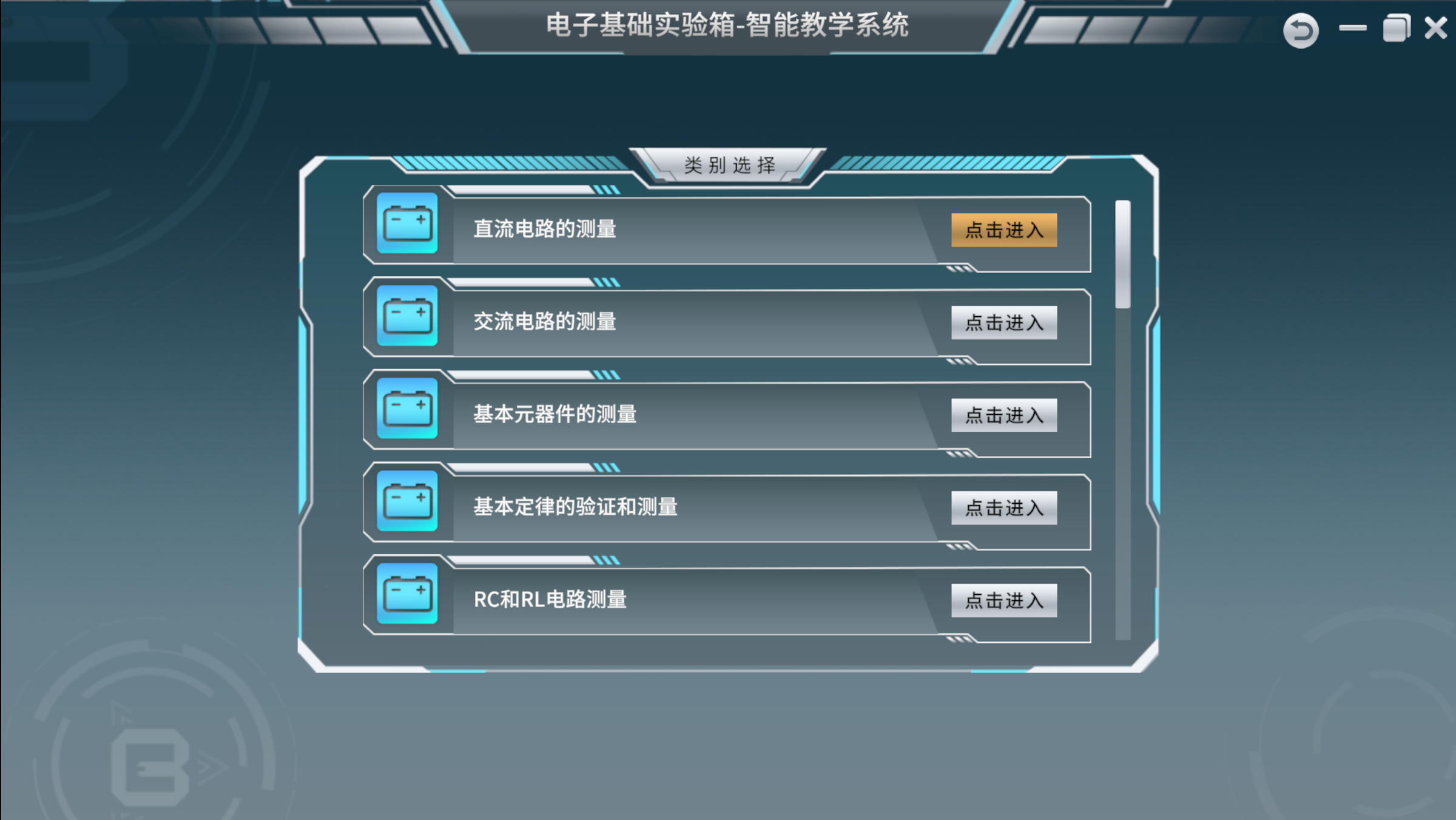
Prepare high-voltage safety lessons with procedure resources and guided virtual isolation tasks.
NEV Fundamentals & Safety
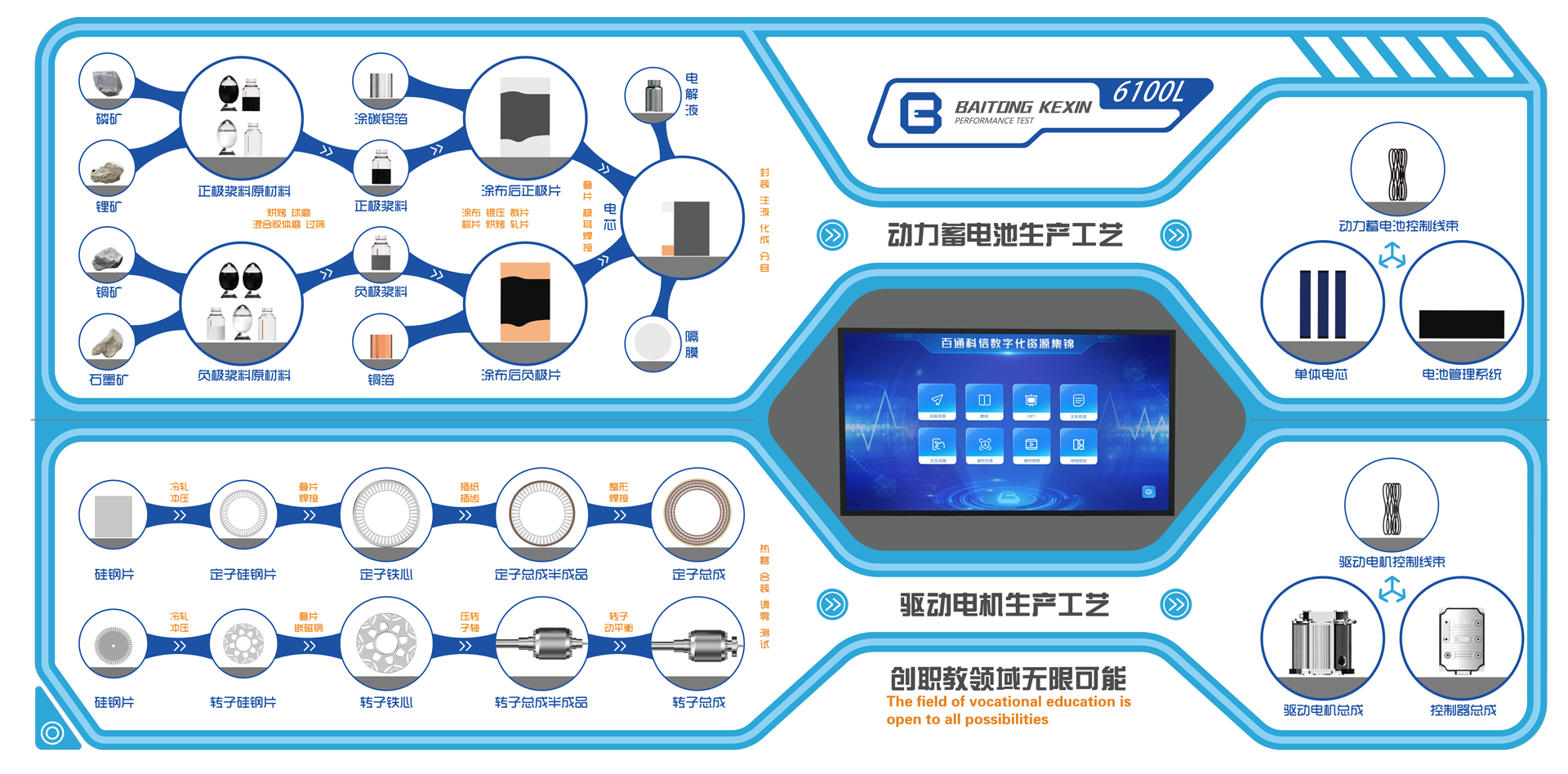
Explore battery materials and motor construction through physical samples and digital teaching content.
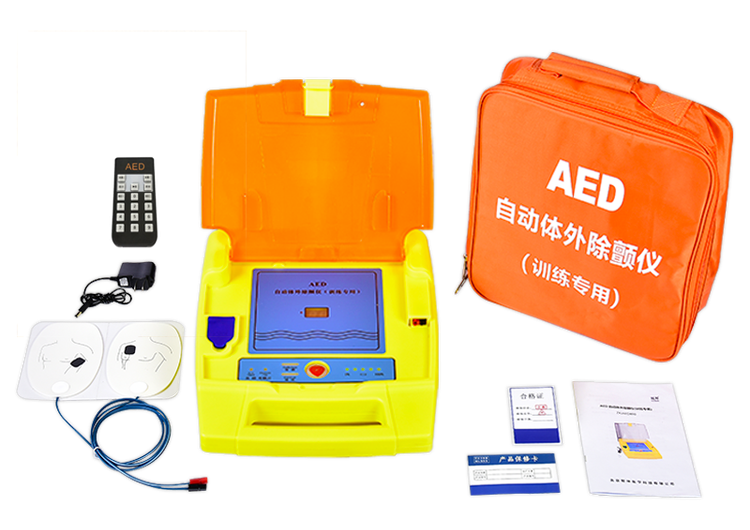
NEV Fundamentals & Safety
Practice CPR and AED response with a feedback manikin and a non-shocking training device.
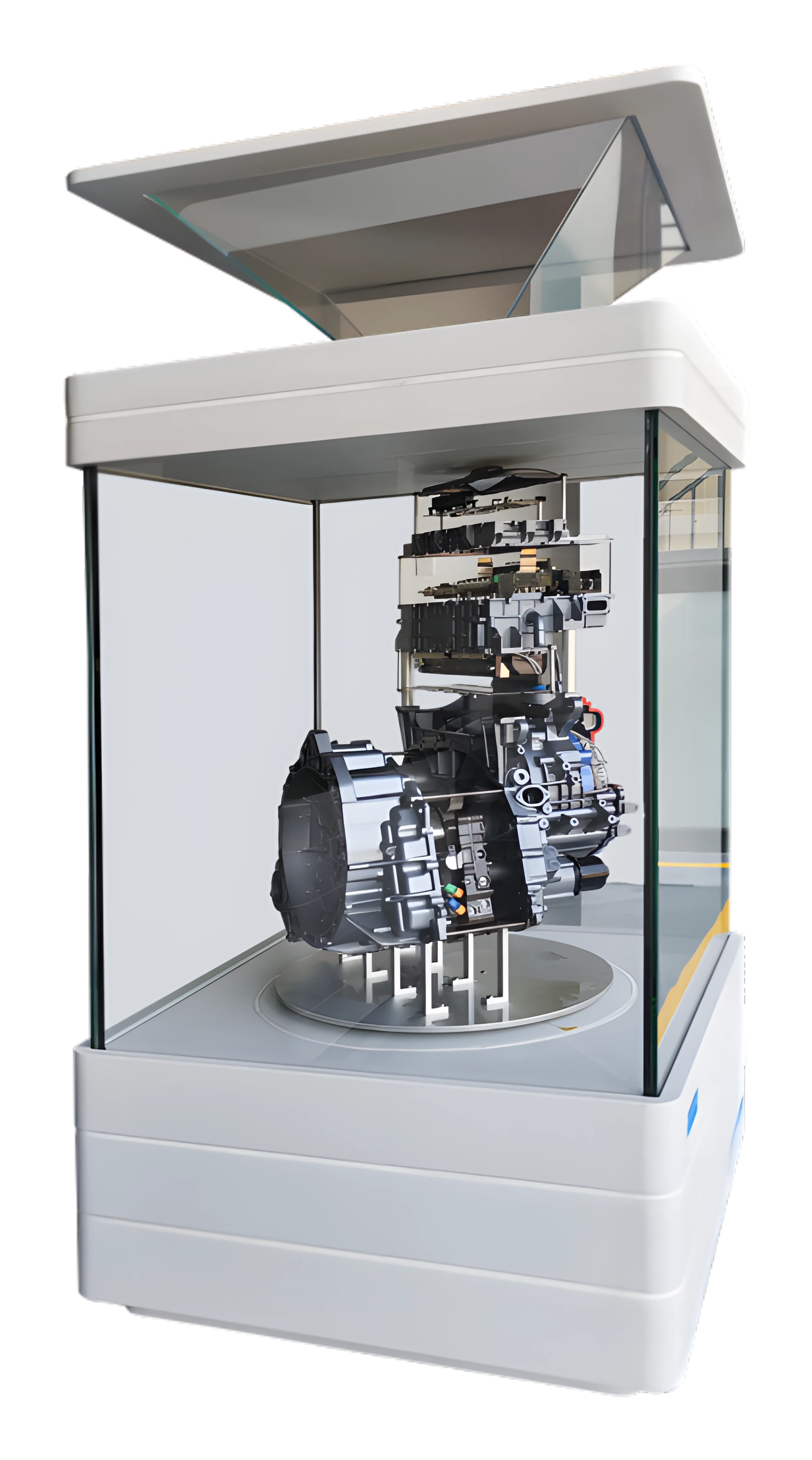
NEV Fundamentals & Safety
Compare a rotating drive cutaway with projected structures and exploded views of its components.
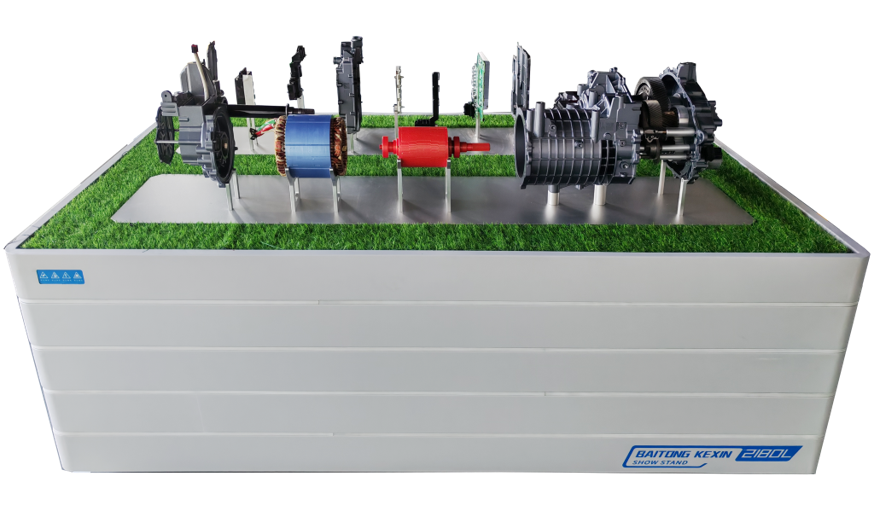
NEV Fundamentals & Safety
Explain how the motor, controller and reduction components fit together through an illuminated exploded display.
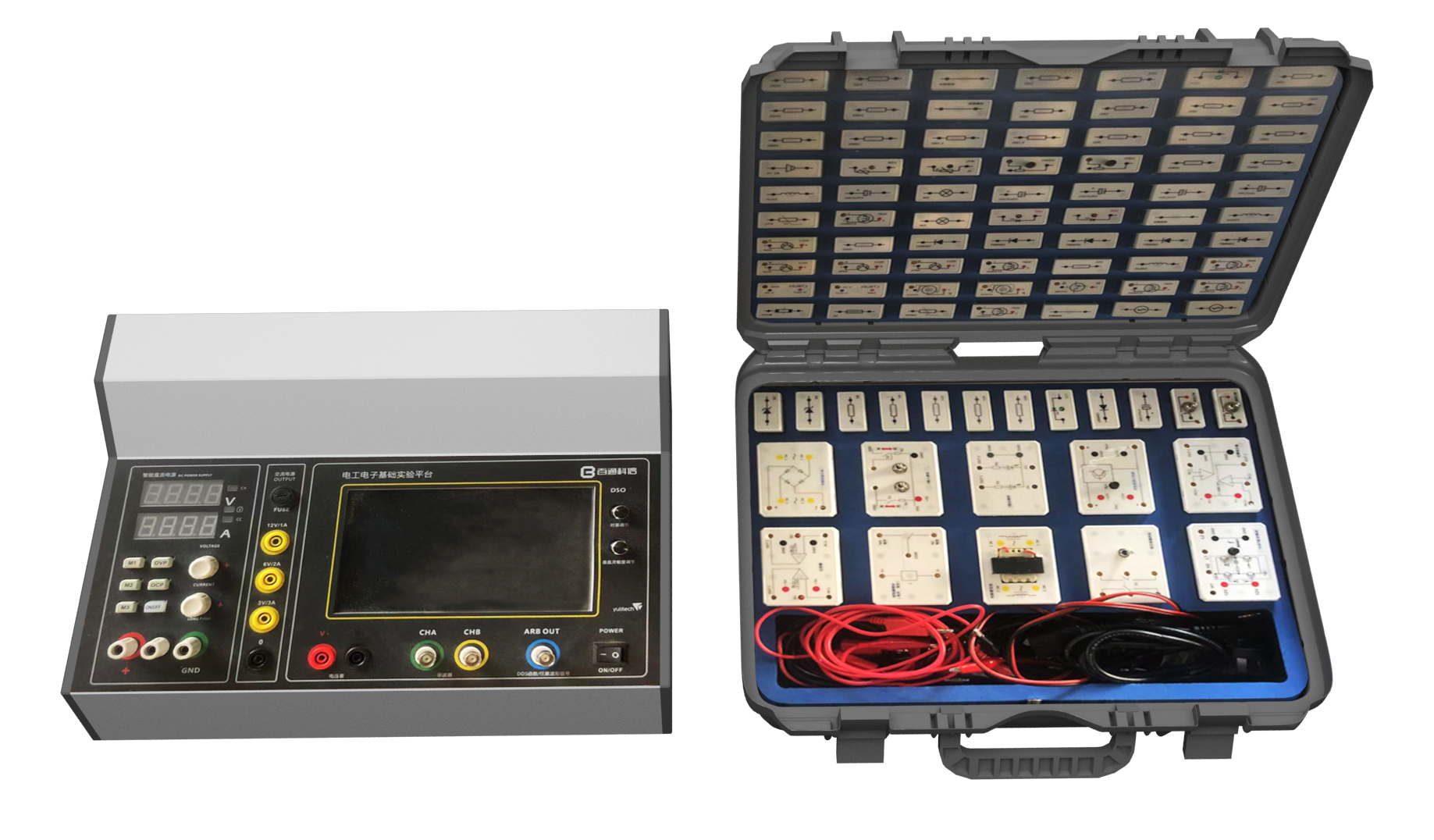
NEV Fundamentals & Safety
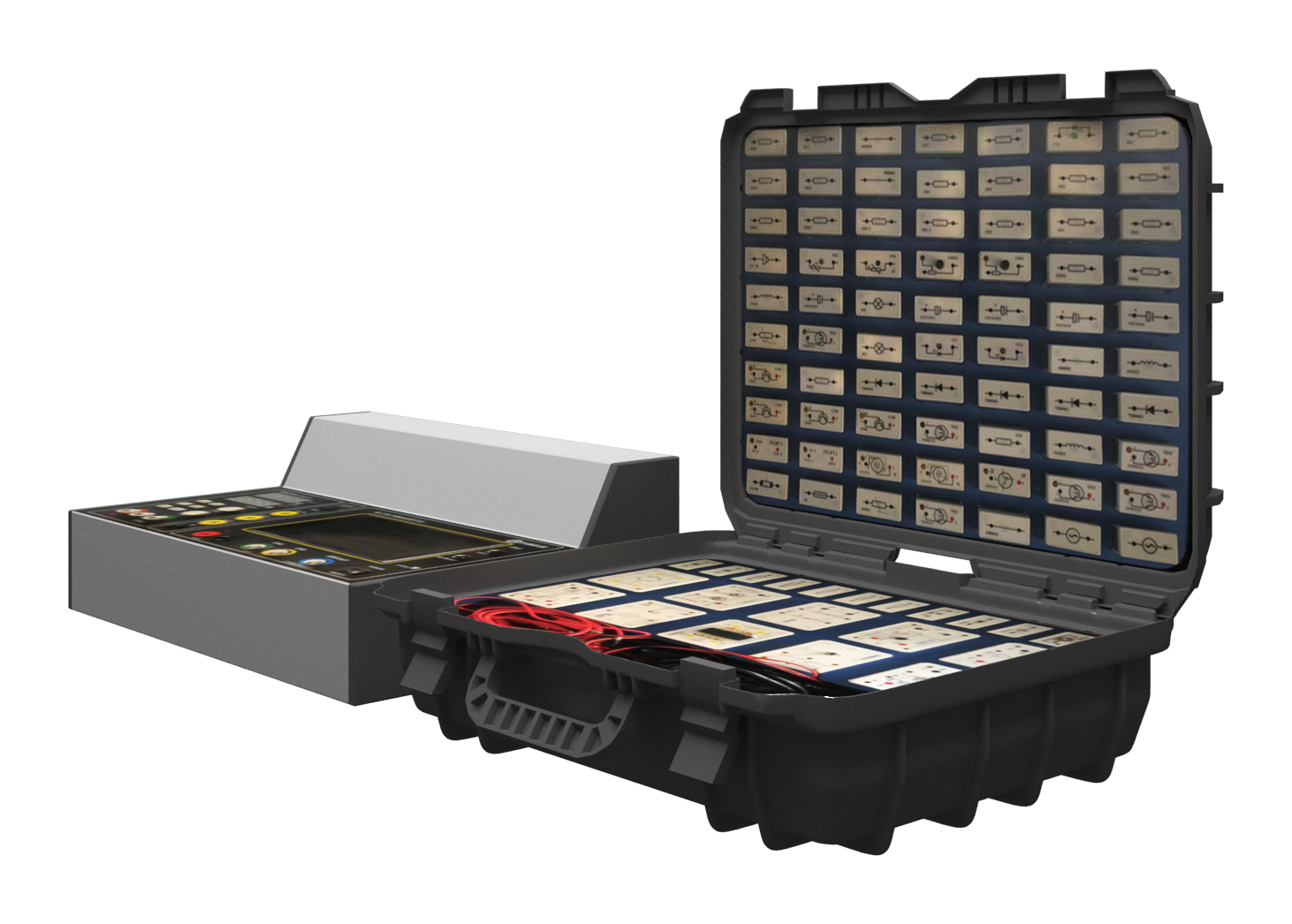
Build automotive circuits, take electrical measurements and interpret waveforms with task-matched teaching components.
NEV Fundamentals & Safety
Plan electrical and power-electronics lessons with presentations, reference pages and structured learner worksheets.
NEV Fundamentals & Safety
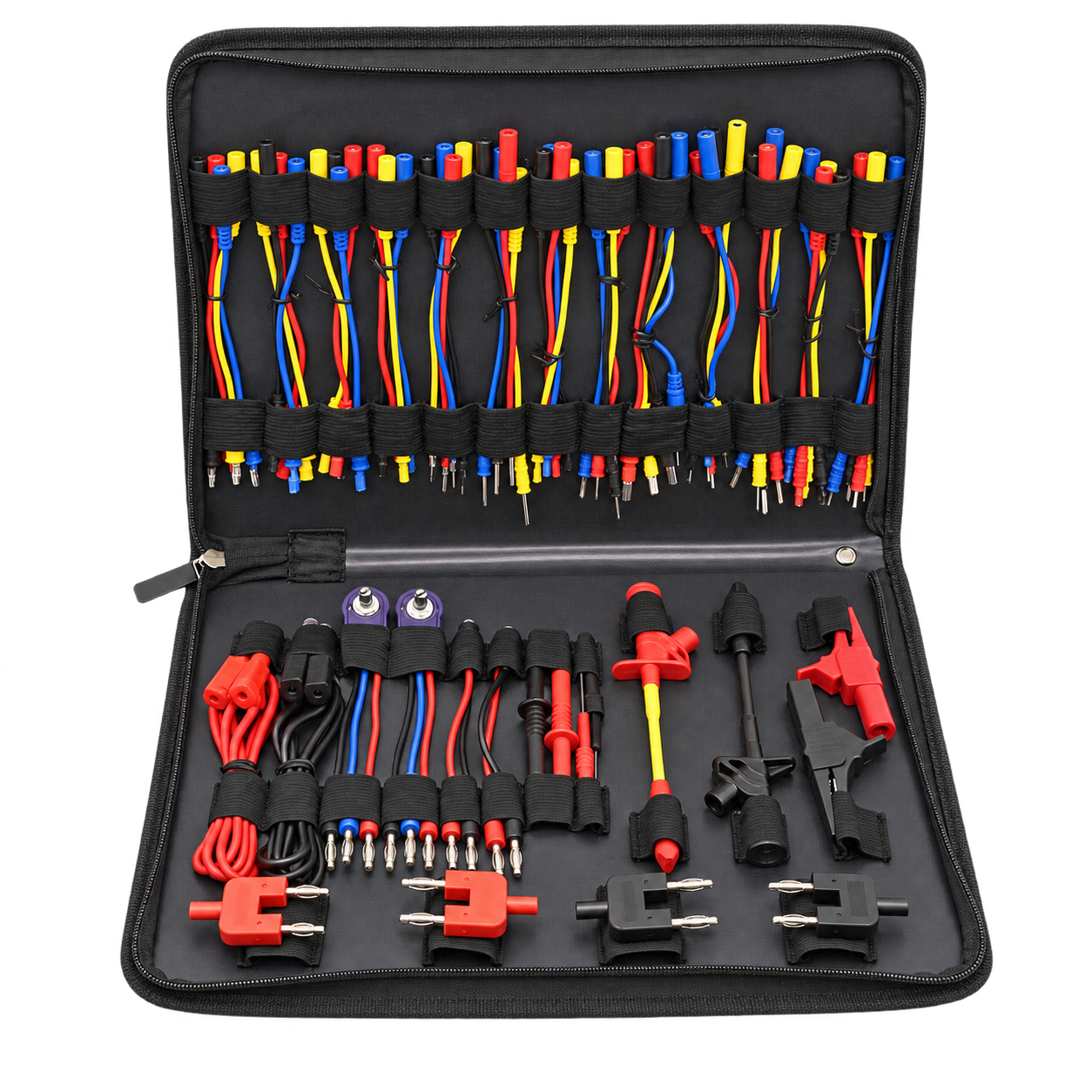
Practice connector handling, terminal replacement and wire preparation with tools for supervised harness repair.
Battery & Charging Systems
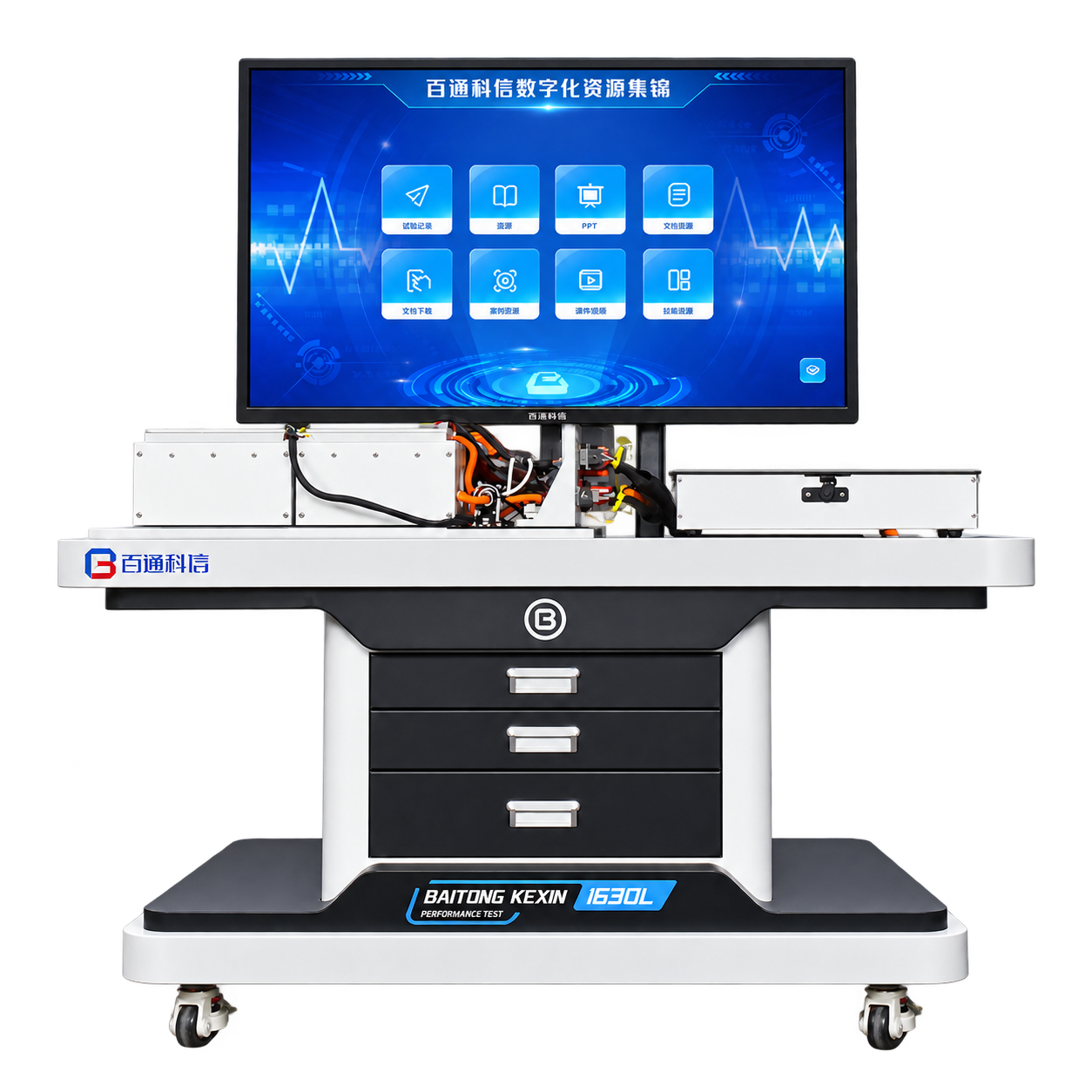
Practice supervised battery assembly, electrical measurement and fault investigation with BMS monitoring software.
Battery & Charging Systems
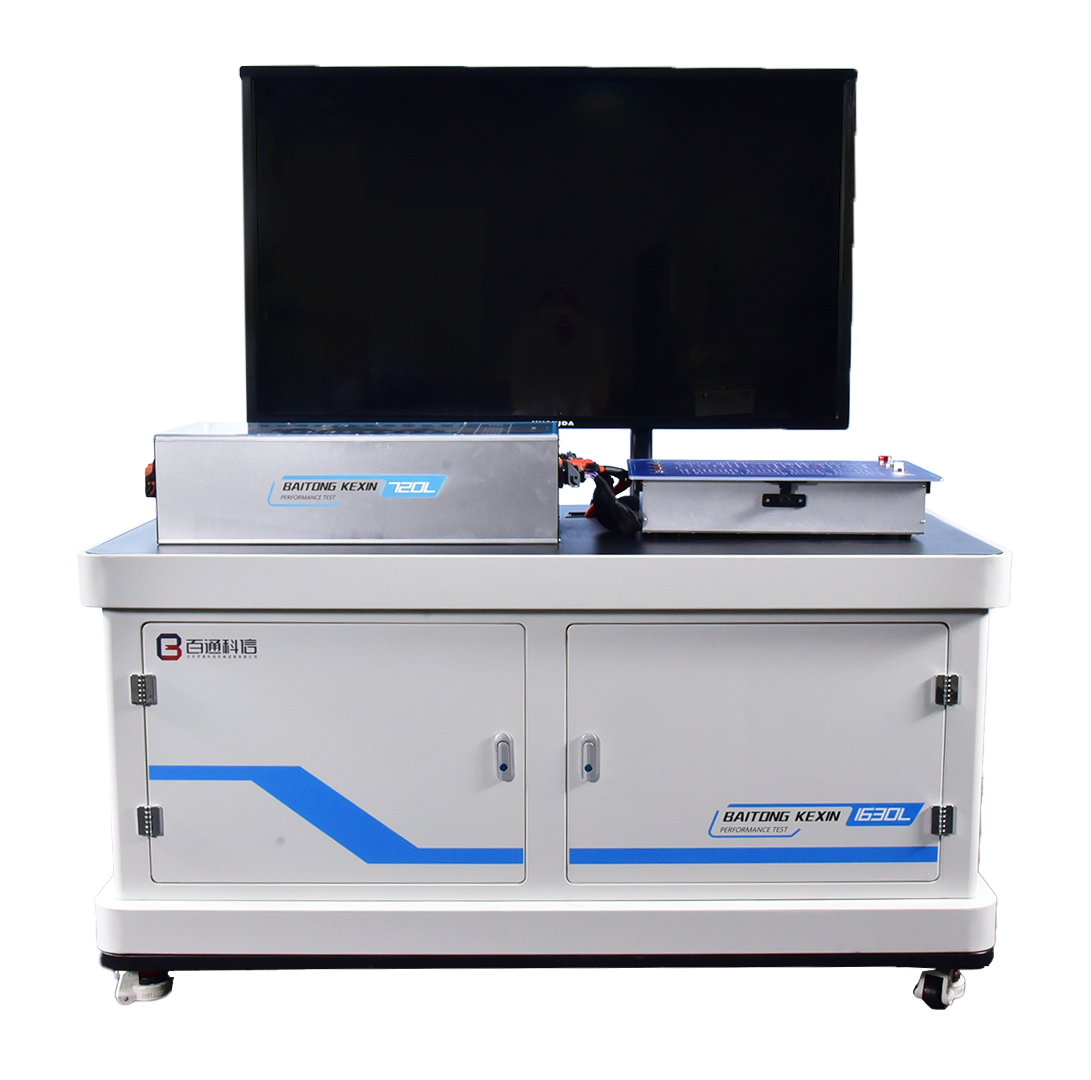
Investigate battery capacity and internal resistance through programmable charging cycles and test-data analysis.
Battery & Charging Systems
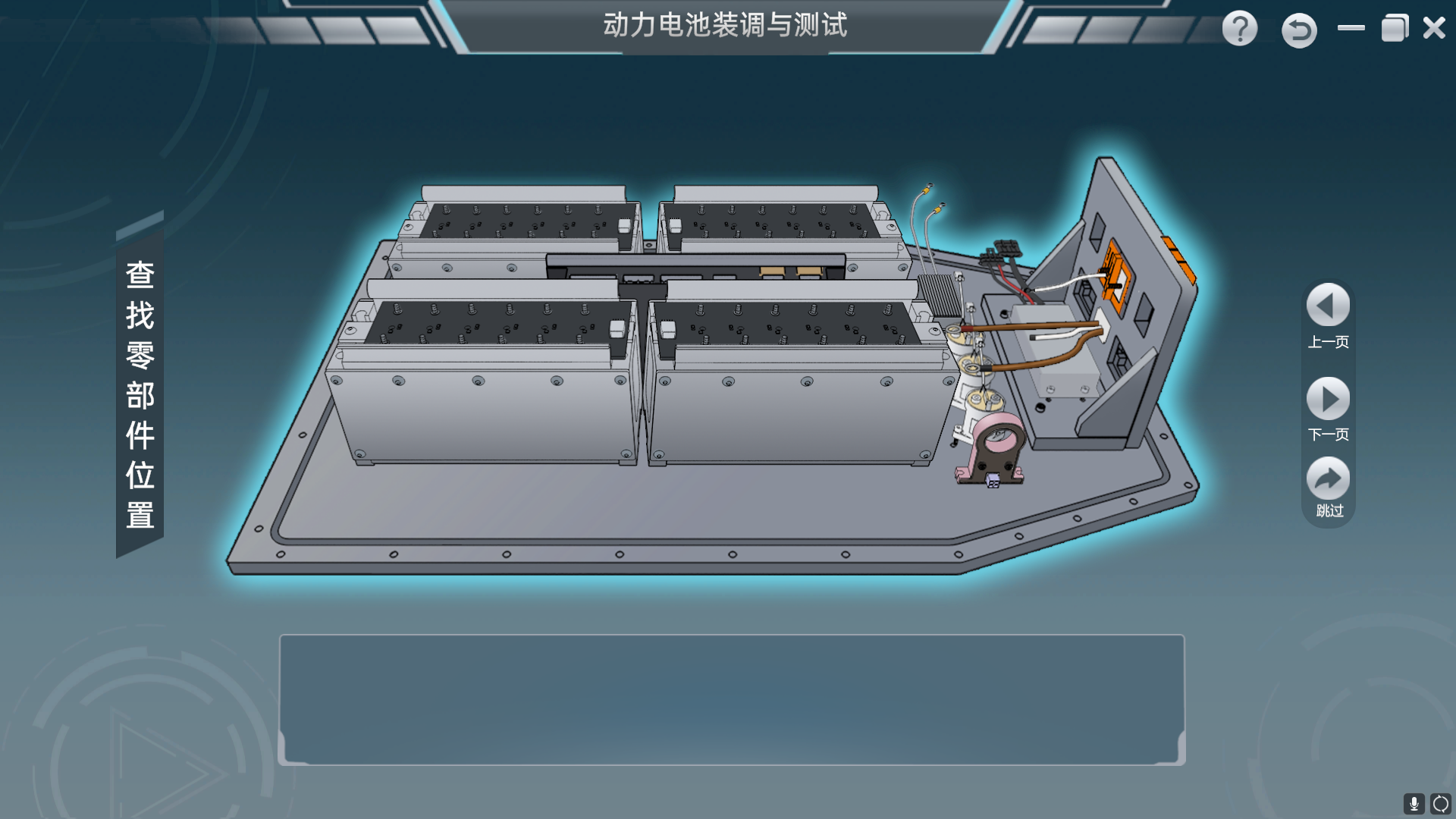
Rehearse battery assembly and BMS diagnosis with virtual measurements and task records for instructor review.
Battery & Charging Systems
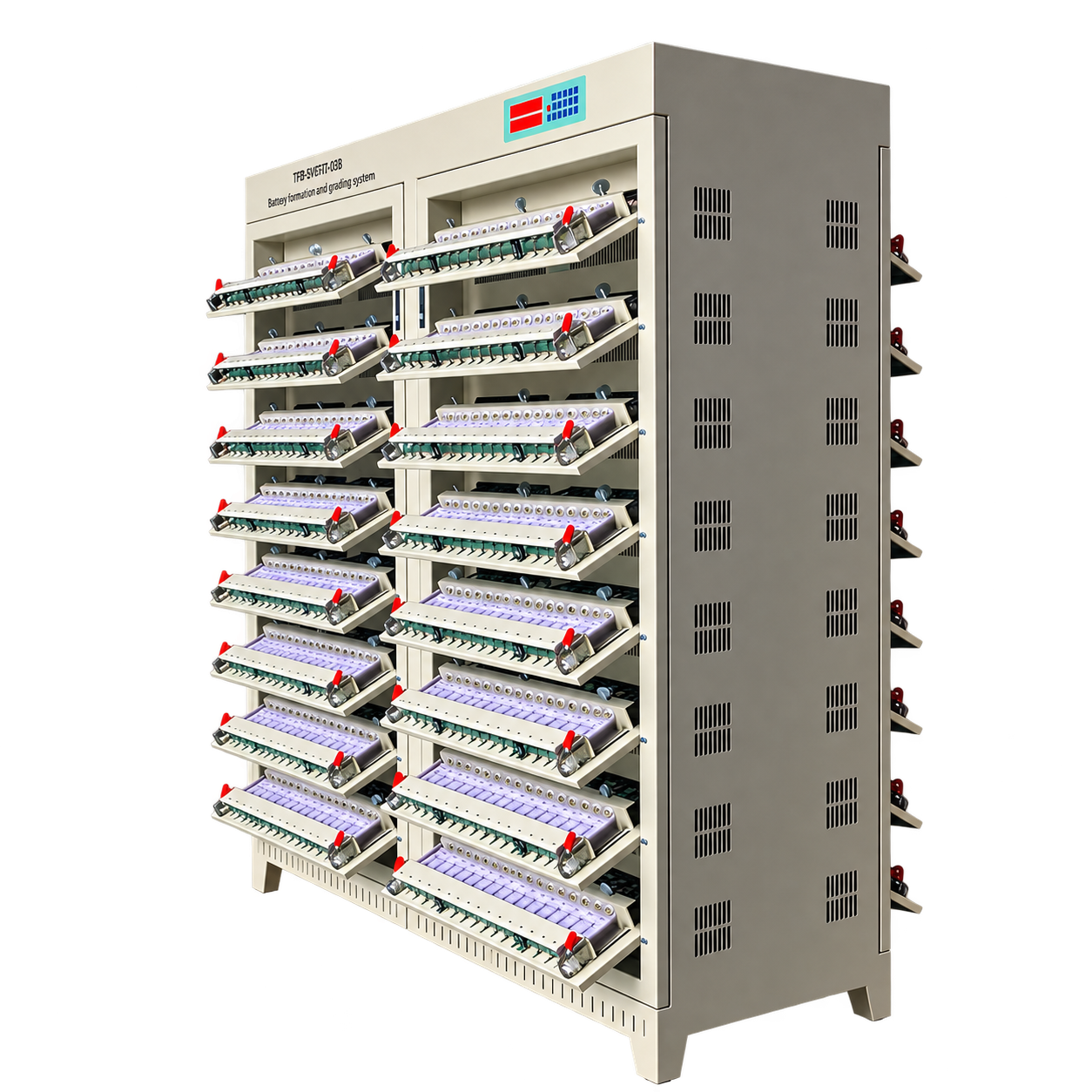
Compare individual battery-cell capacity through defined charging and discharging tests with four-wire measurement.
Battery & Charging Systems
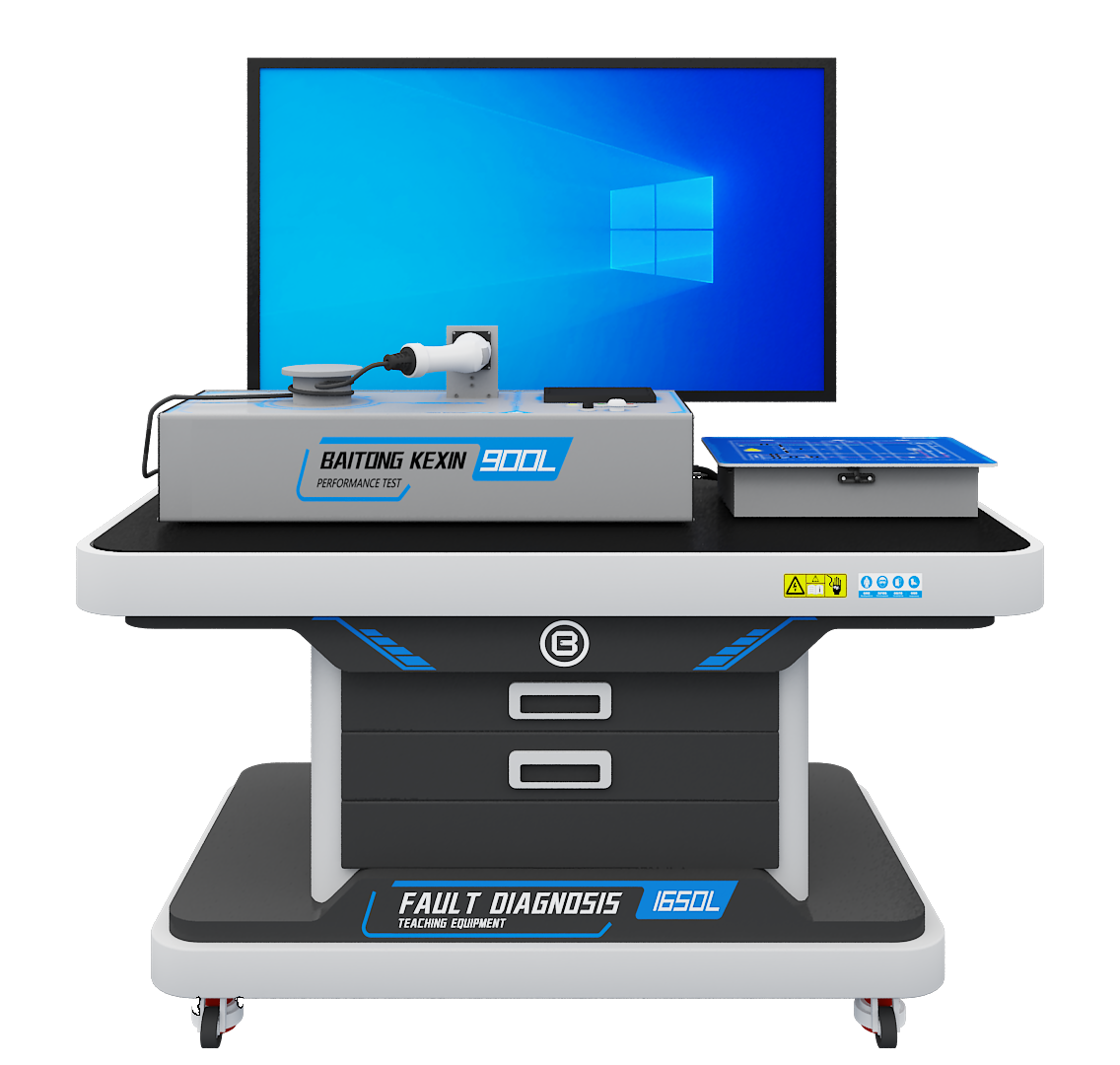
Practice charging assembly, wiring checks and protective-device inspection before guided electrical fault diagnosis.
Battery & Charging Systems
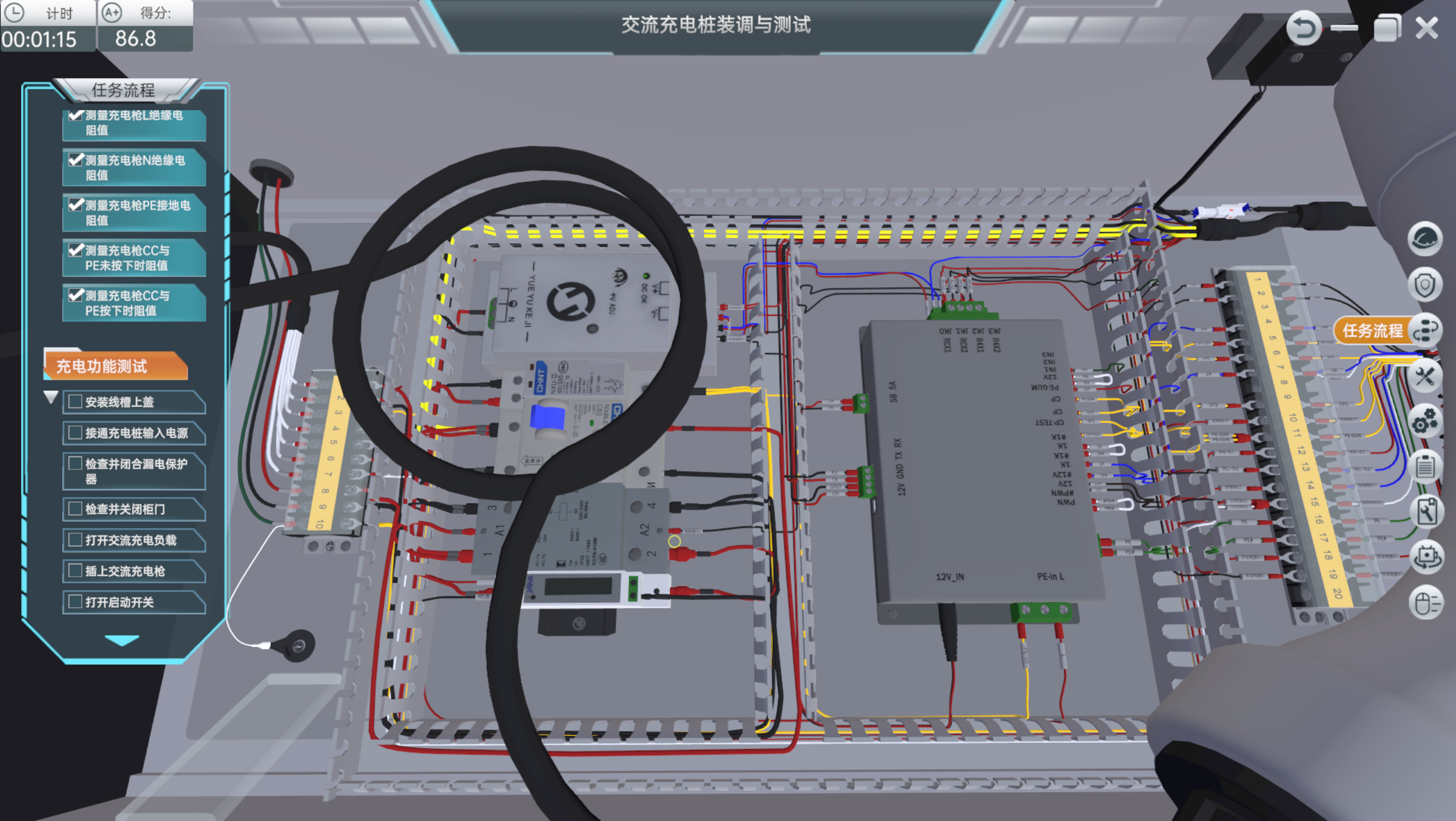
Rehearse charging assembly, pilot-signal diagnosis and functional checks through virtual measurements and task records.
Battery & Charging Systems
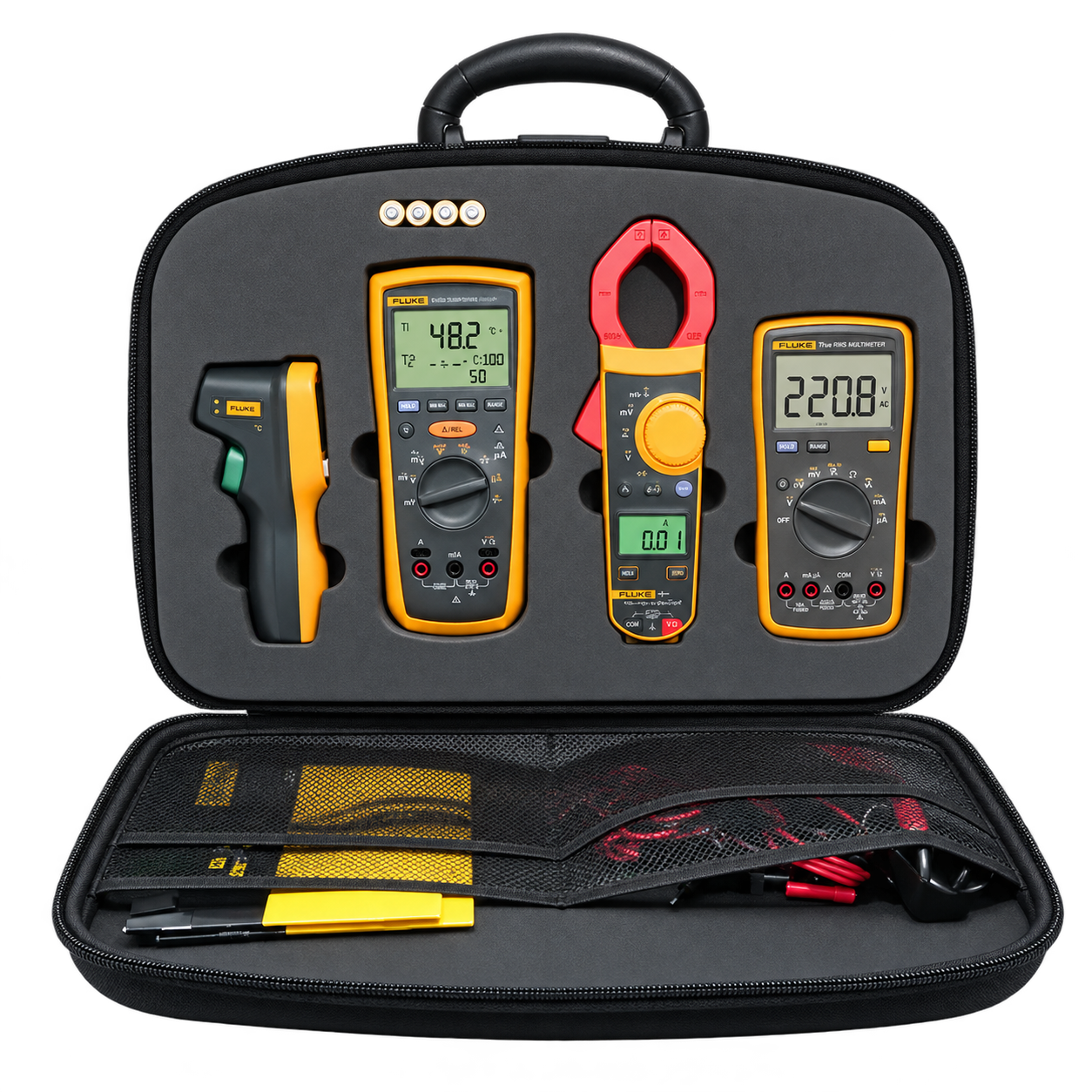
Support electrical practicals with insulation, earthing and multimeter functions matched to the teaching circuit.
Battery & Charging Systems
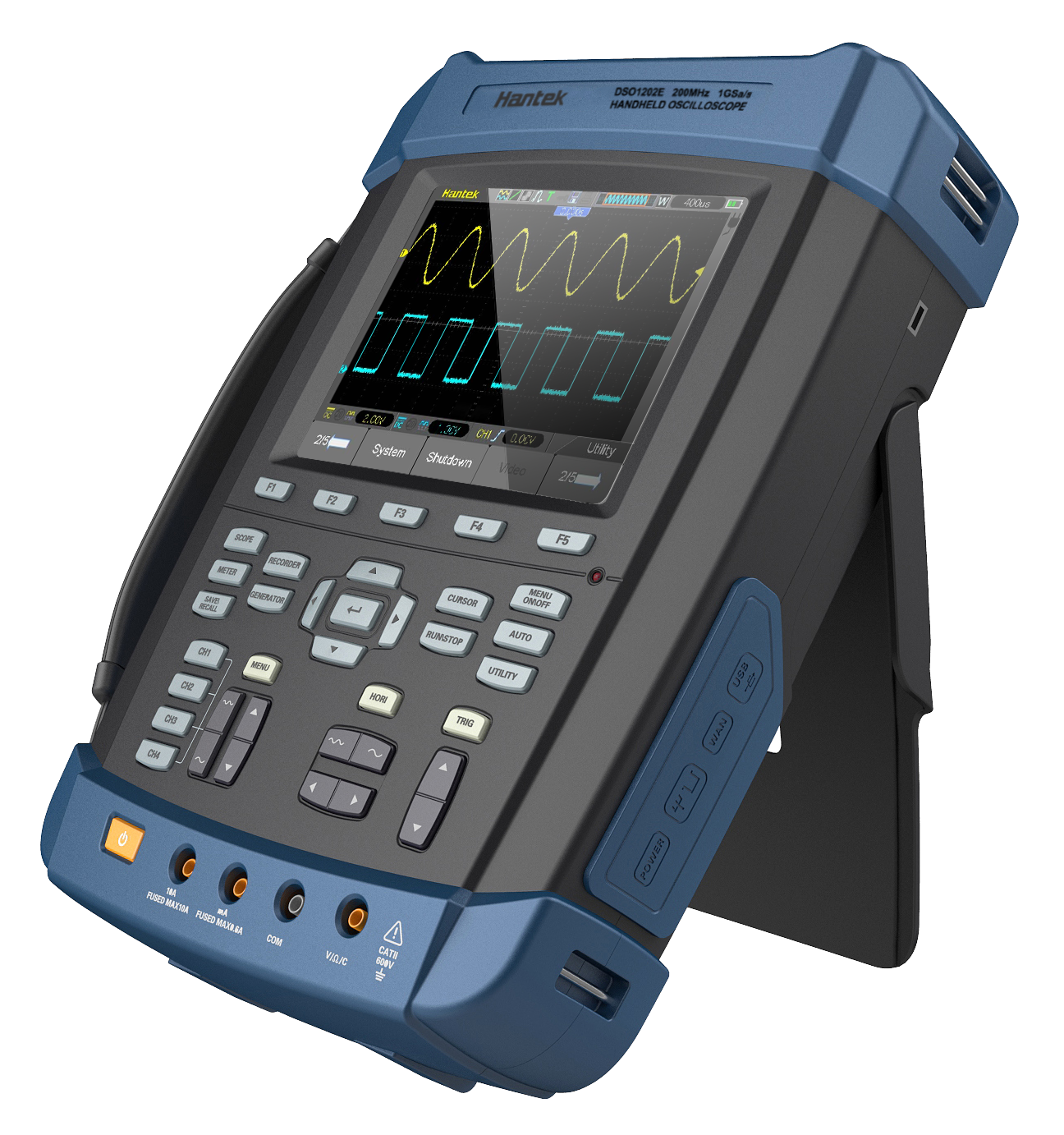
Capture and compare automotive circuit waveforms using two channels and probes matched to the circuit.
Drive Motor & Control
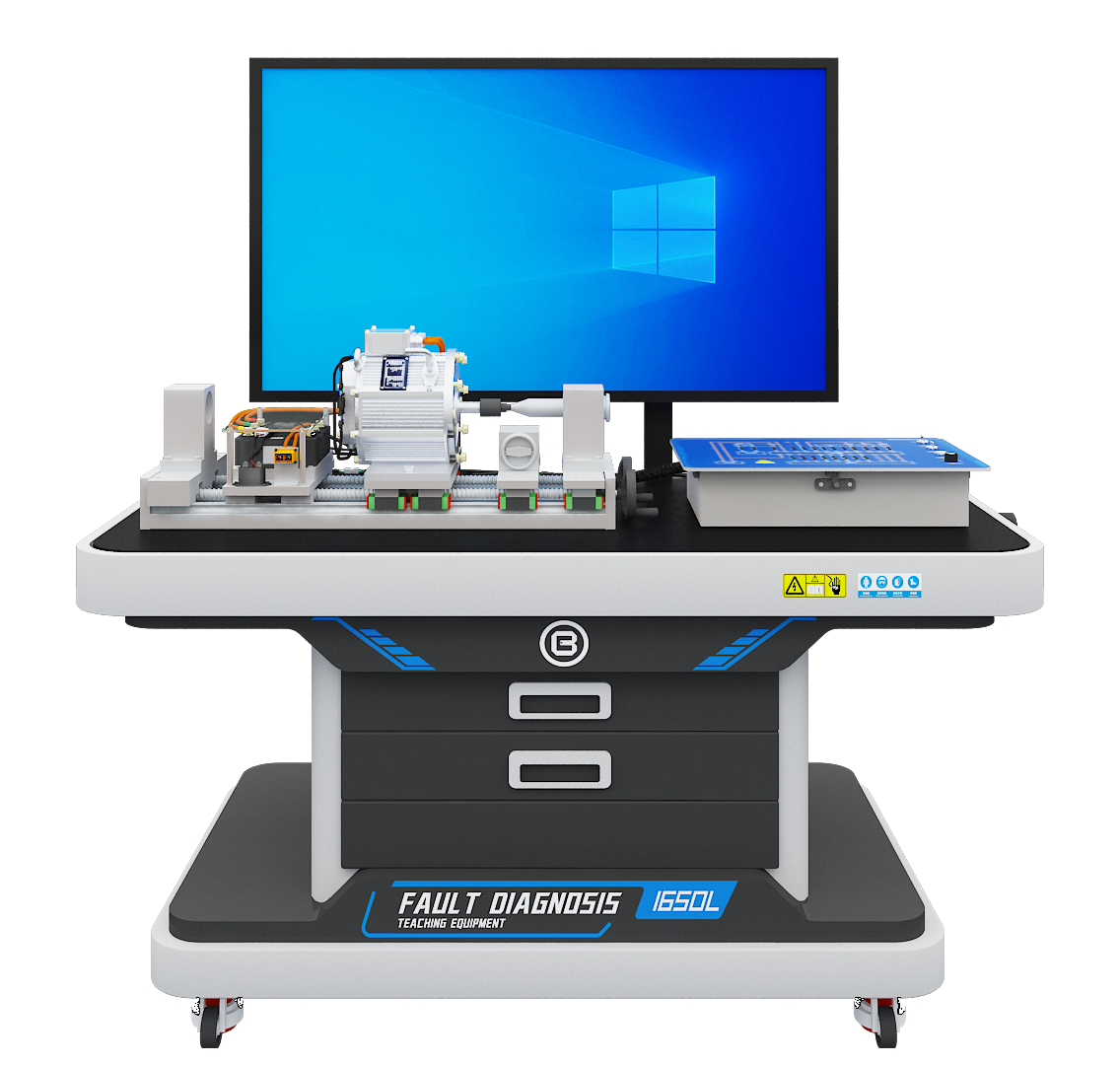
Practice motor assembly, resolver adjustment and mechanical inspection before investigating selected circuit faults.
Drive Motor & Control
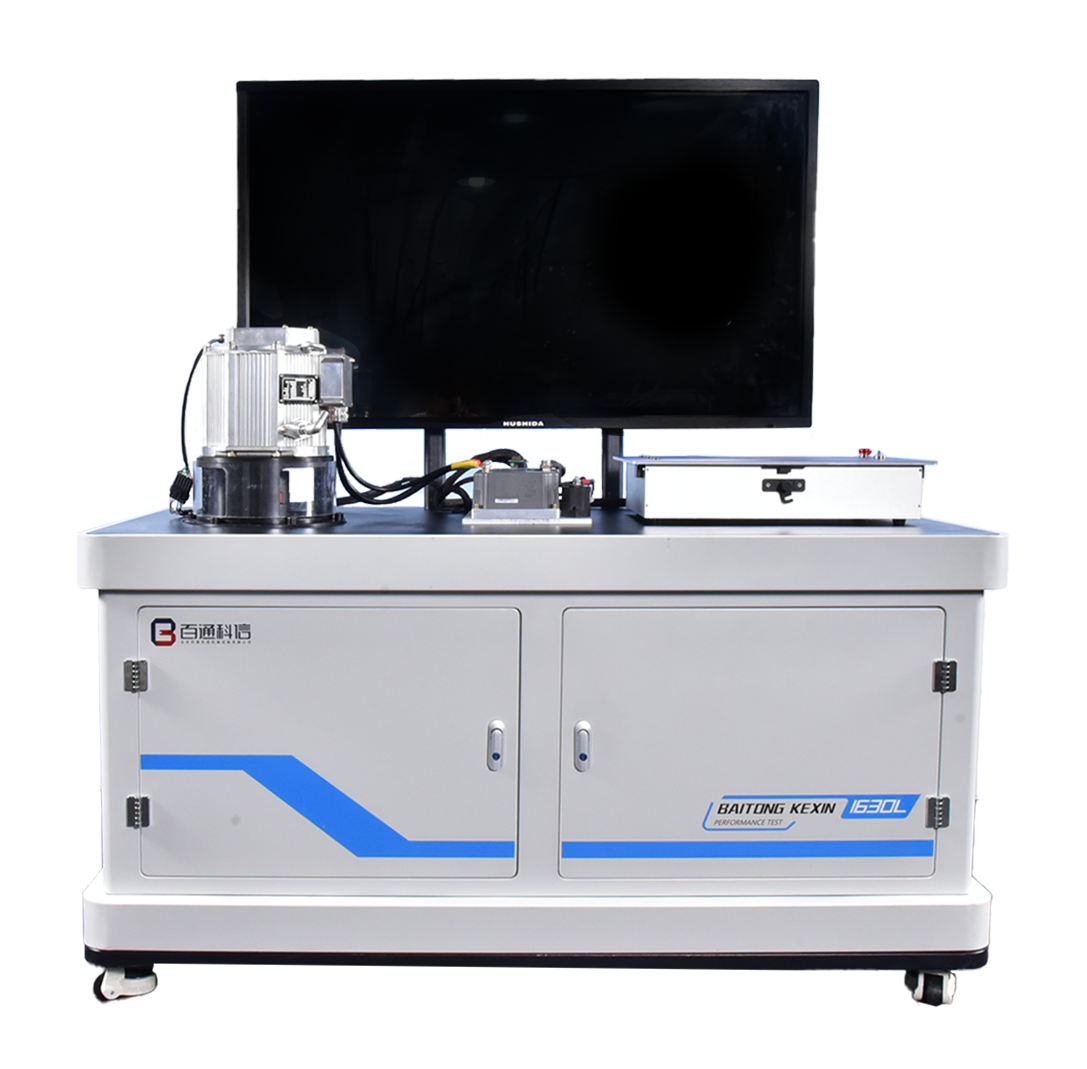
Explore motor performance through controlled load tests, speed and torque measurements, and curve analysis.
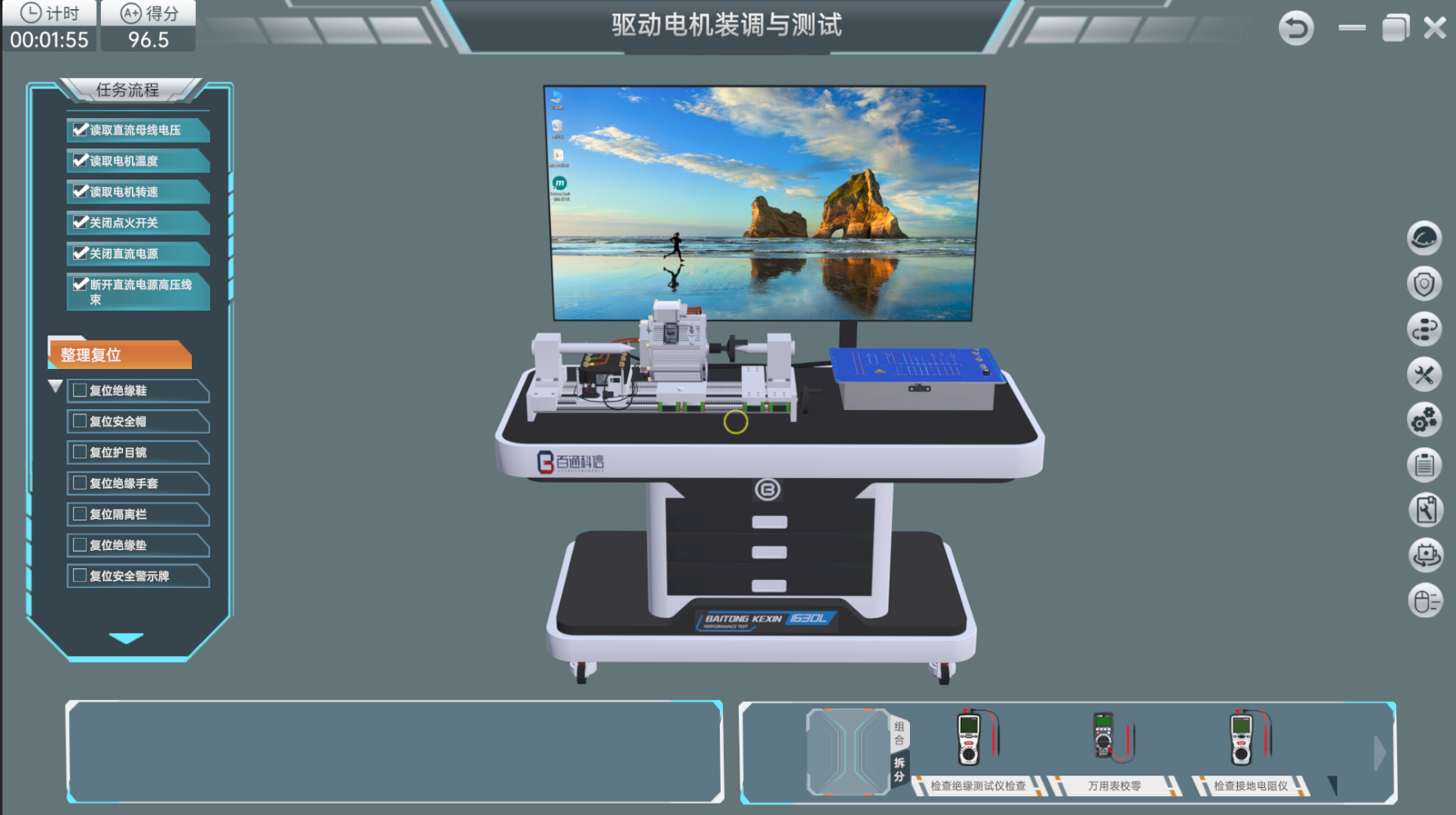
Drive Motor & Control
Rehearse motor assembly, resolver checks and controller-state analysis before supervised work on physical equipment.
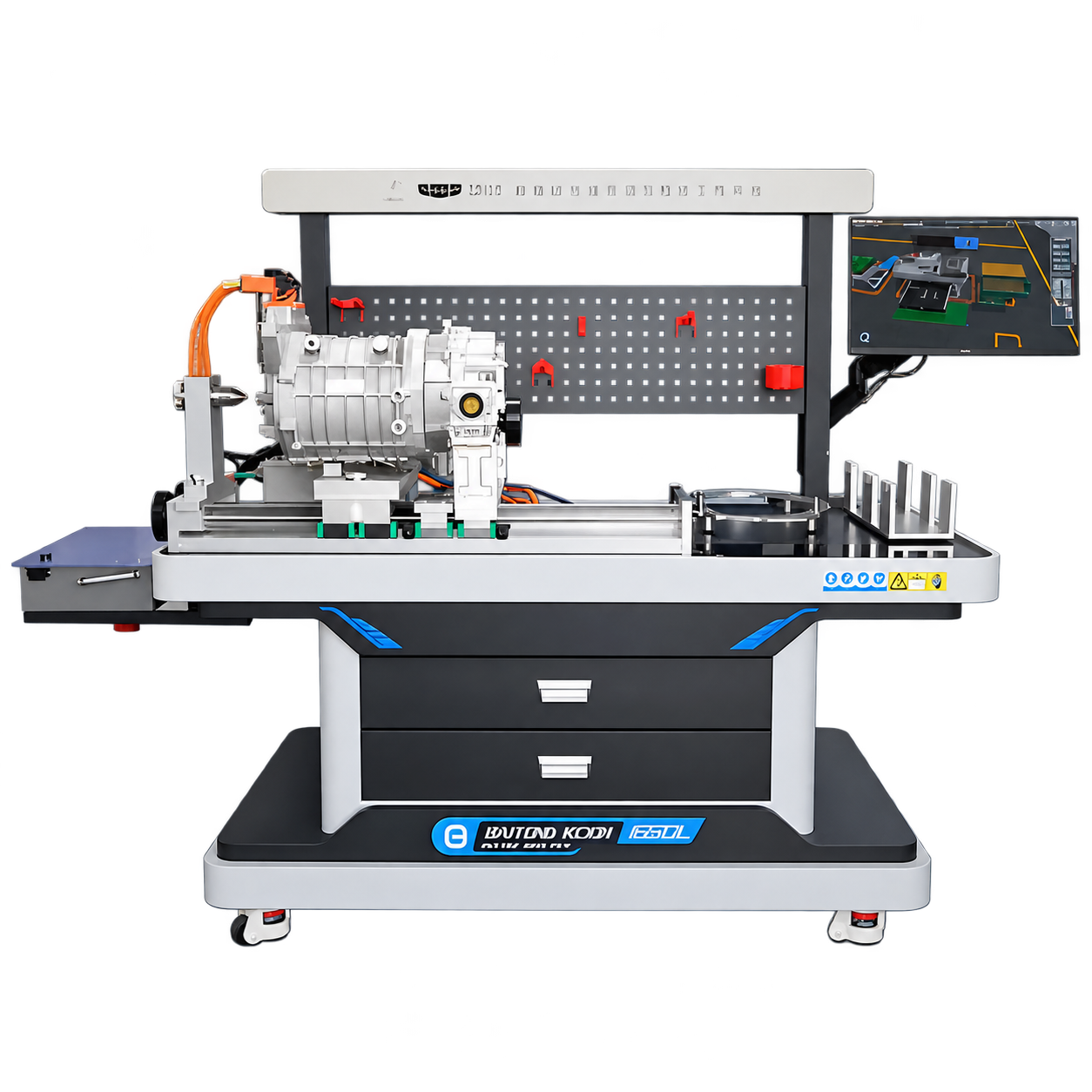
Drive Motor & Control
Practice drive-assembly disassembly, inspection and reassembly using a service platform matched to the selected system.
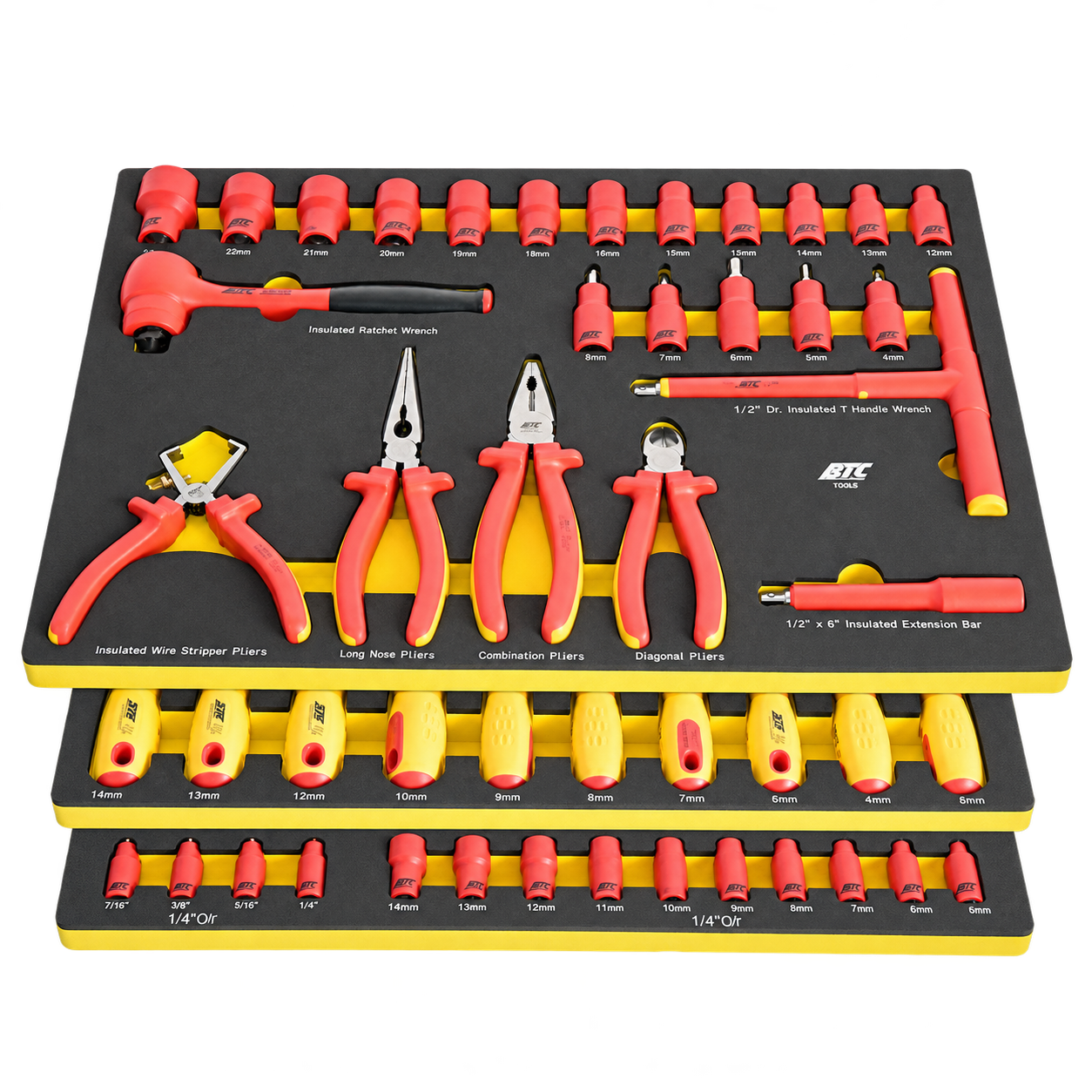
Drive Motor & Control
Organize insulated tools for supervised EV workshop tasks with dedicated storage and task-matched tool sizes.
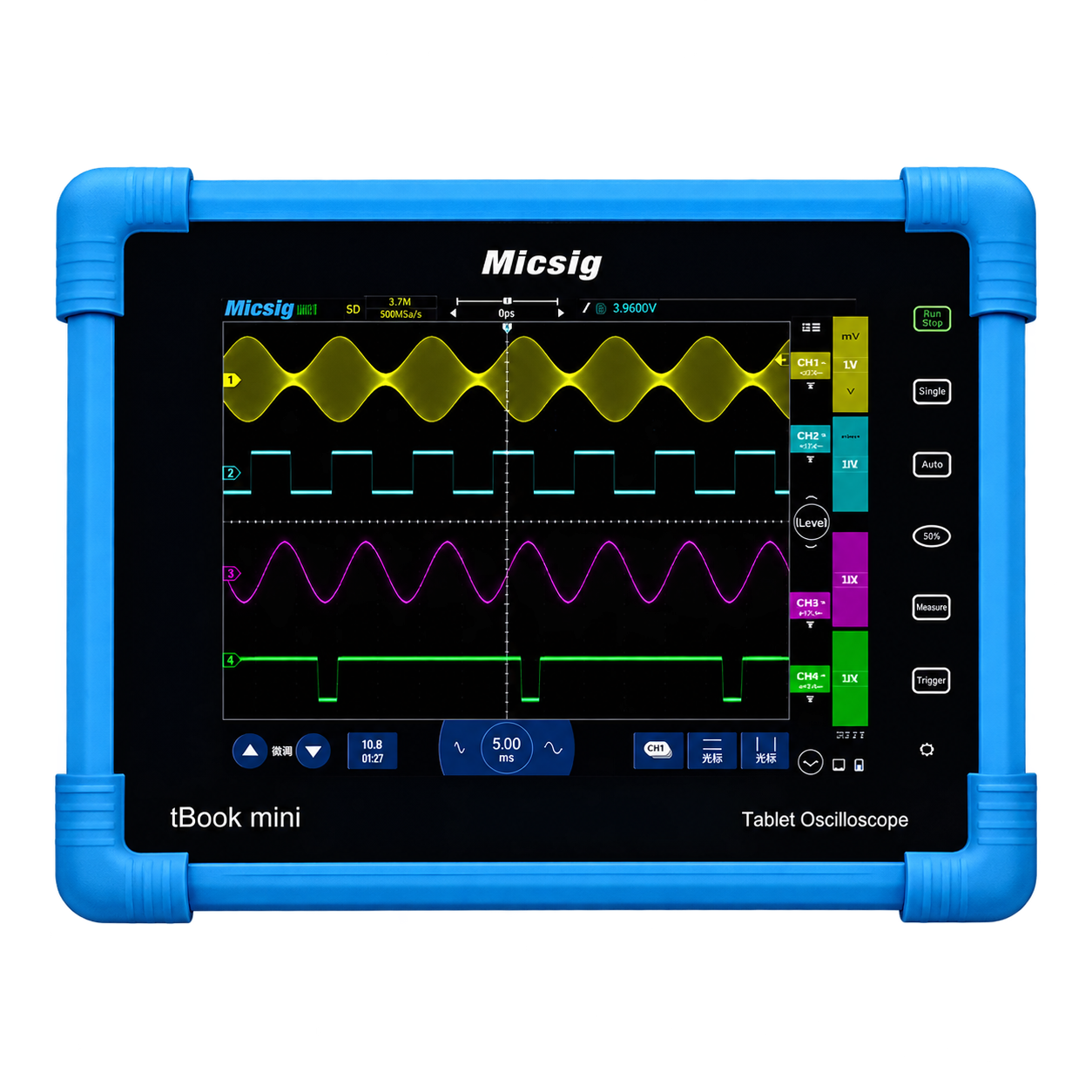
Drive Motor & Control
Capture and compare automotive circuit waveforms using two channels and probes matched to the circuit.
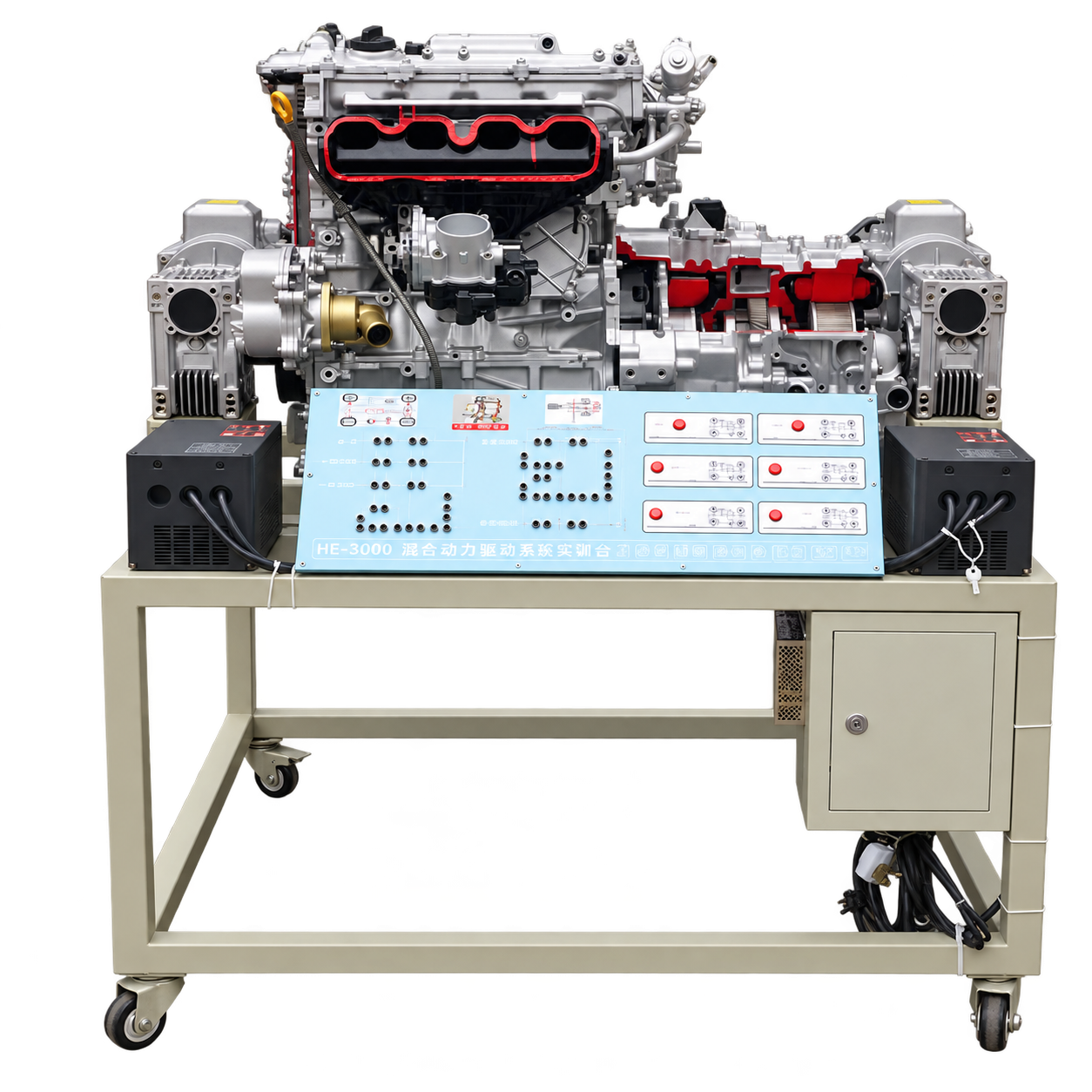
Drive Motor & Control
Explain hybrid-drive architecture through sectioned components and a presentation format matched to the course.
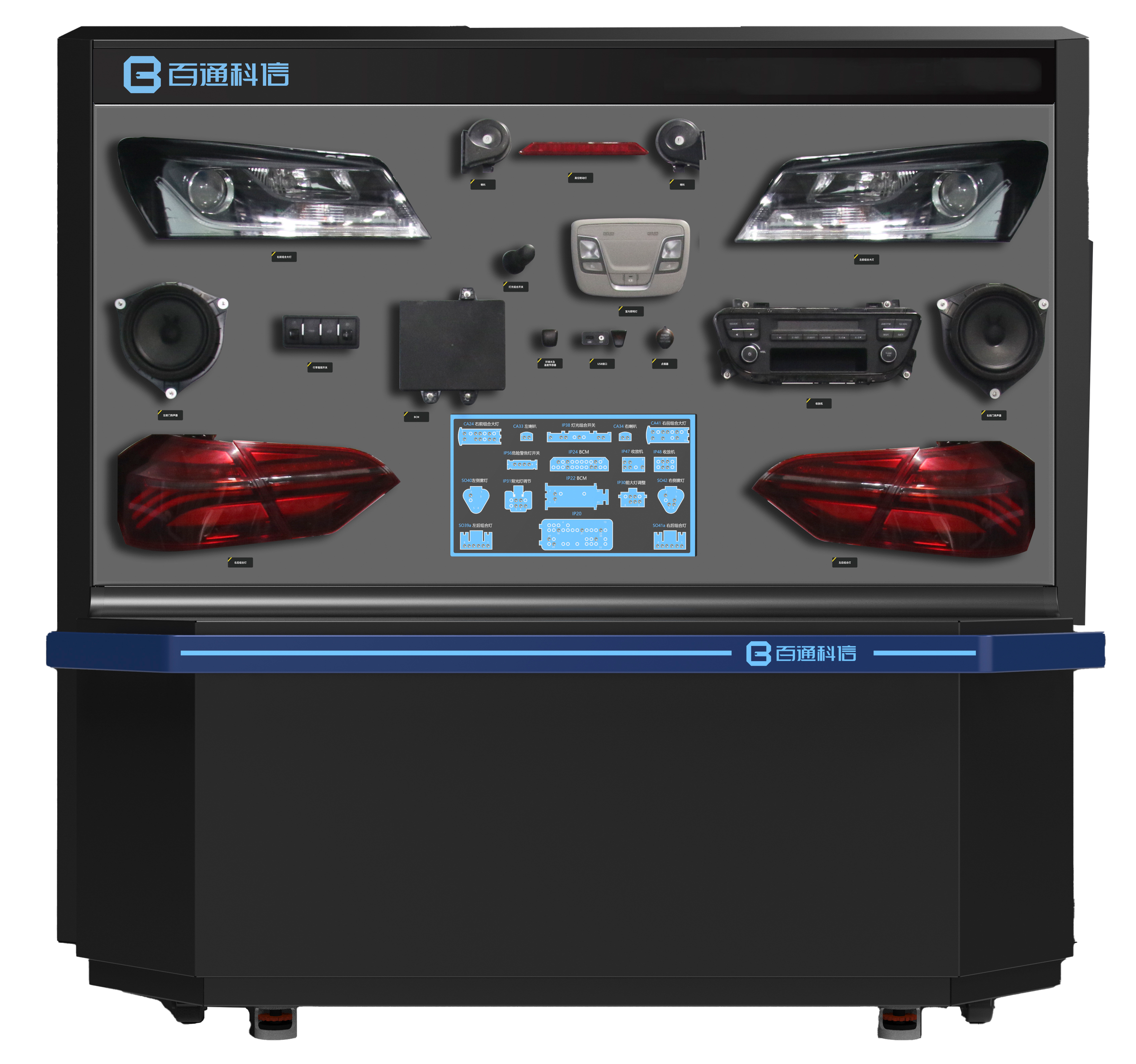
NEV Electrical Systems
Relate lamp operation to circuit readings and compatible diagnostic data during vehicle lighting lessons.
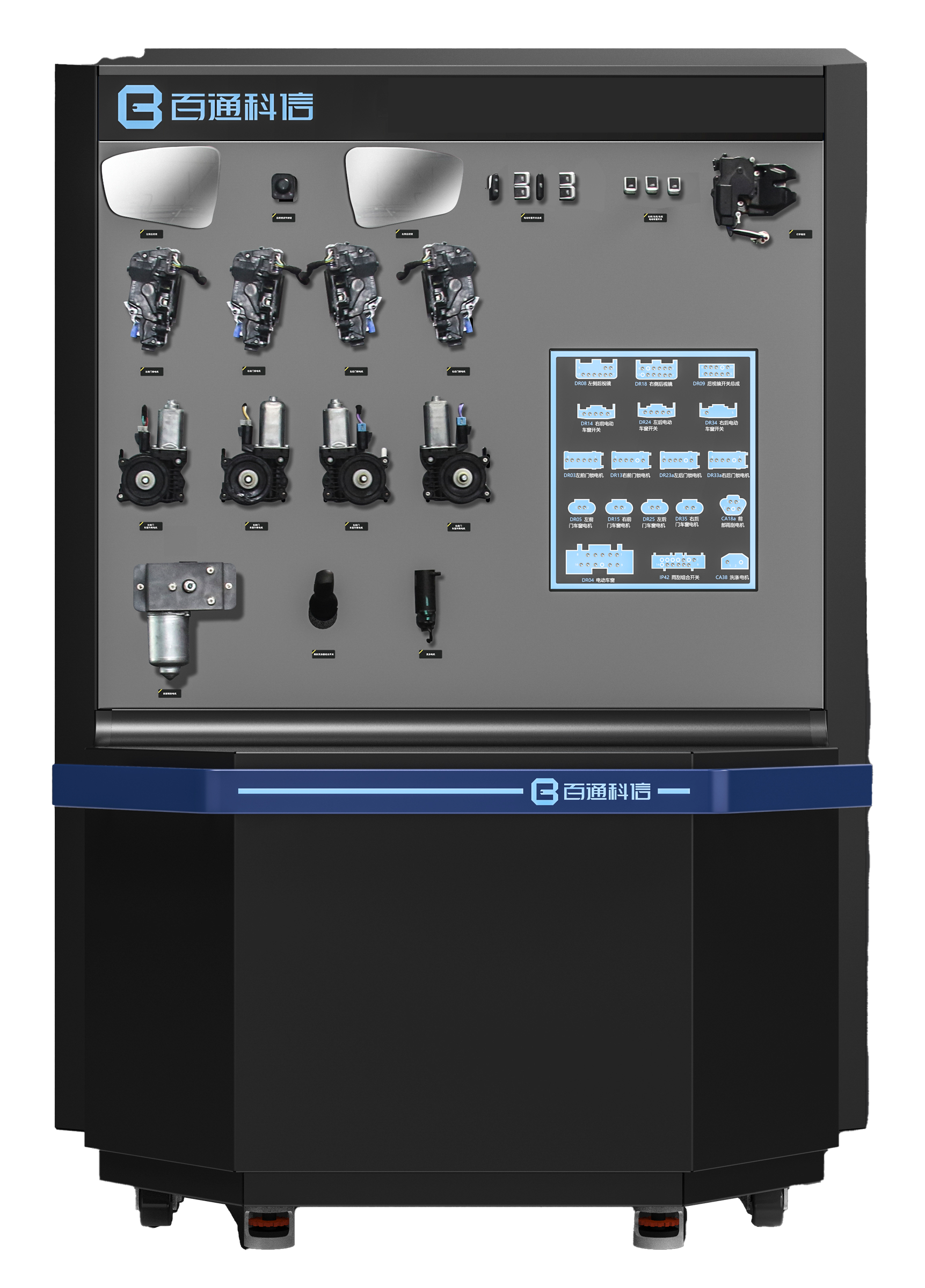
NEV Electrical Systems
Trace wiper, mirror, locking and window-lift circuits through working components and accessible measurement points.
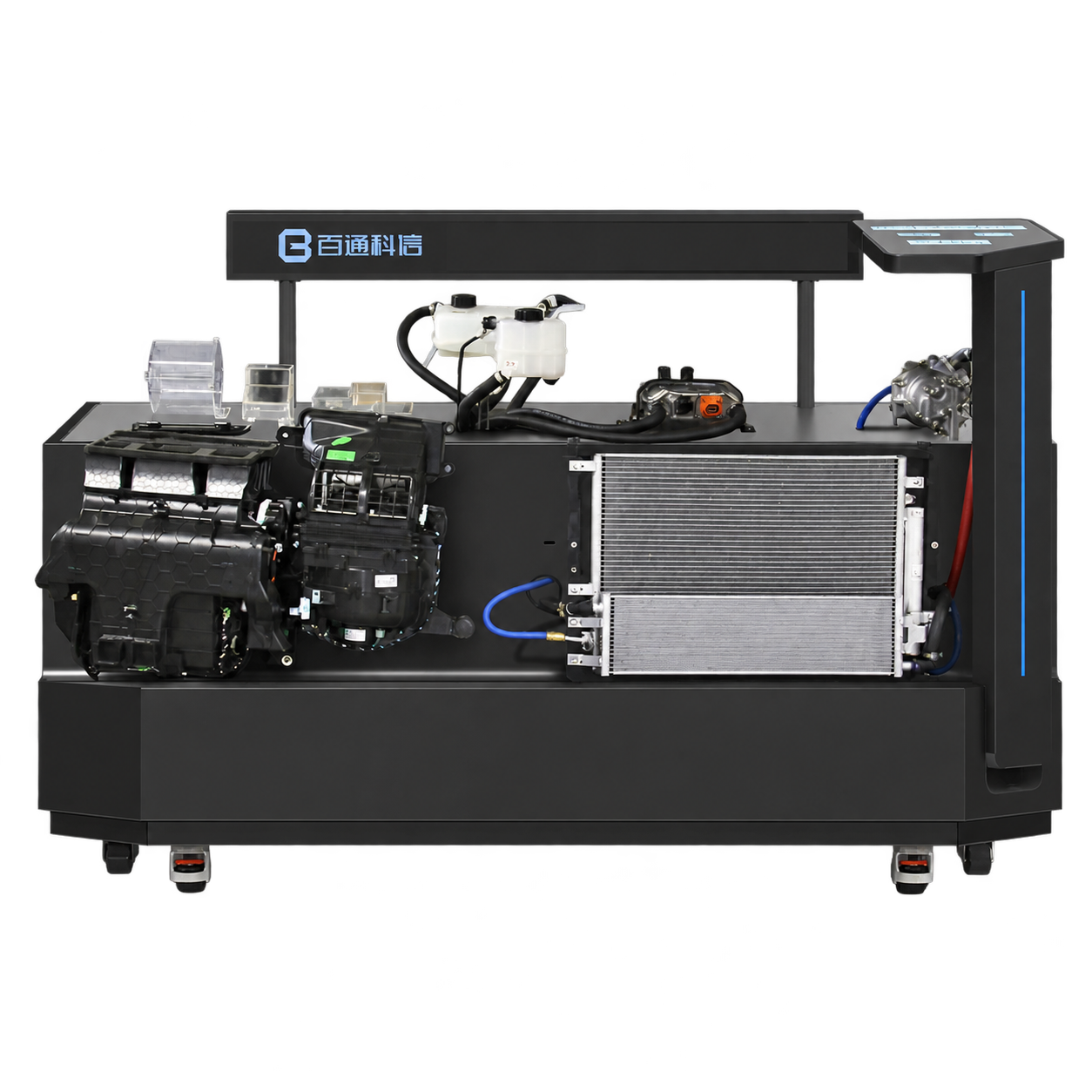
NEV Electrical Systems
Explore electric-compressor operation and circuit readings alongside supervised tasks for refrigerant service.
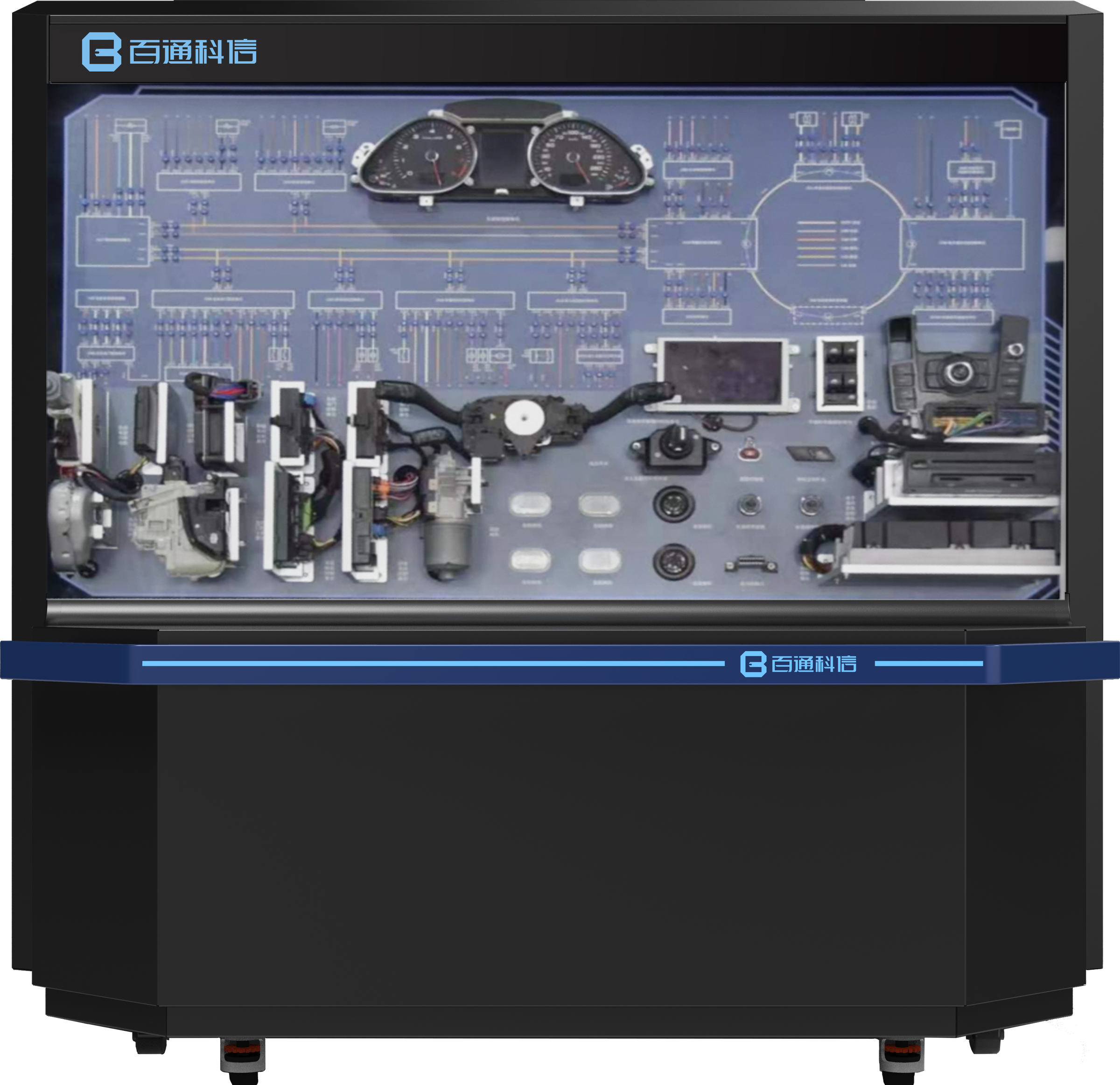
NEV Electrical Systems
Study network topology, circuit measurements and fault reasoning using a working vehicle communication bench.
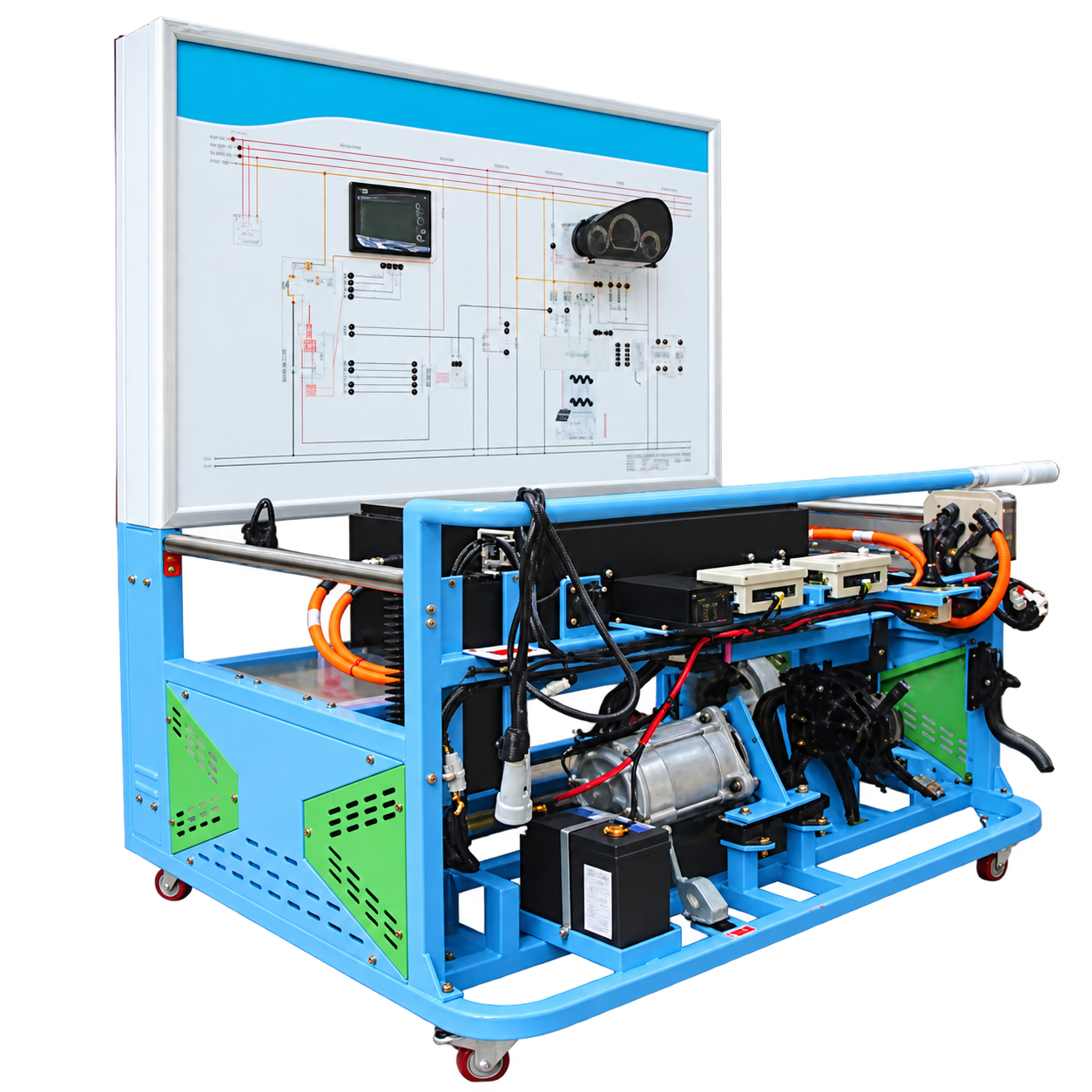
NEV Chassis Systems
Practice drivetrain dismantling, inspection and reassembly with a manual turnover stand and course-matched transmission.
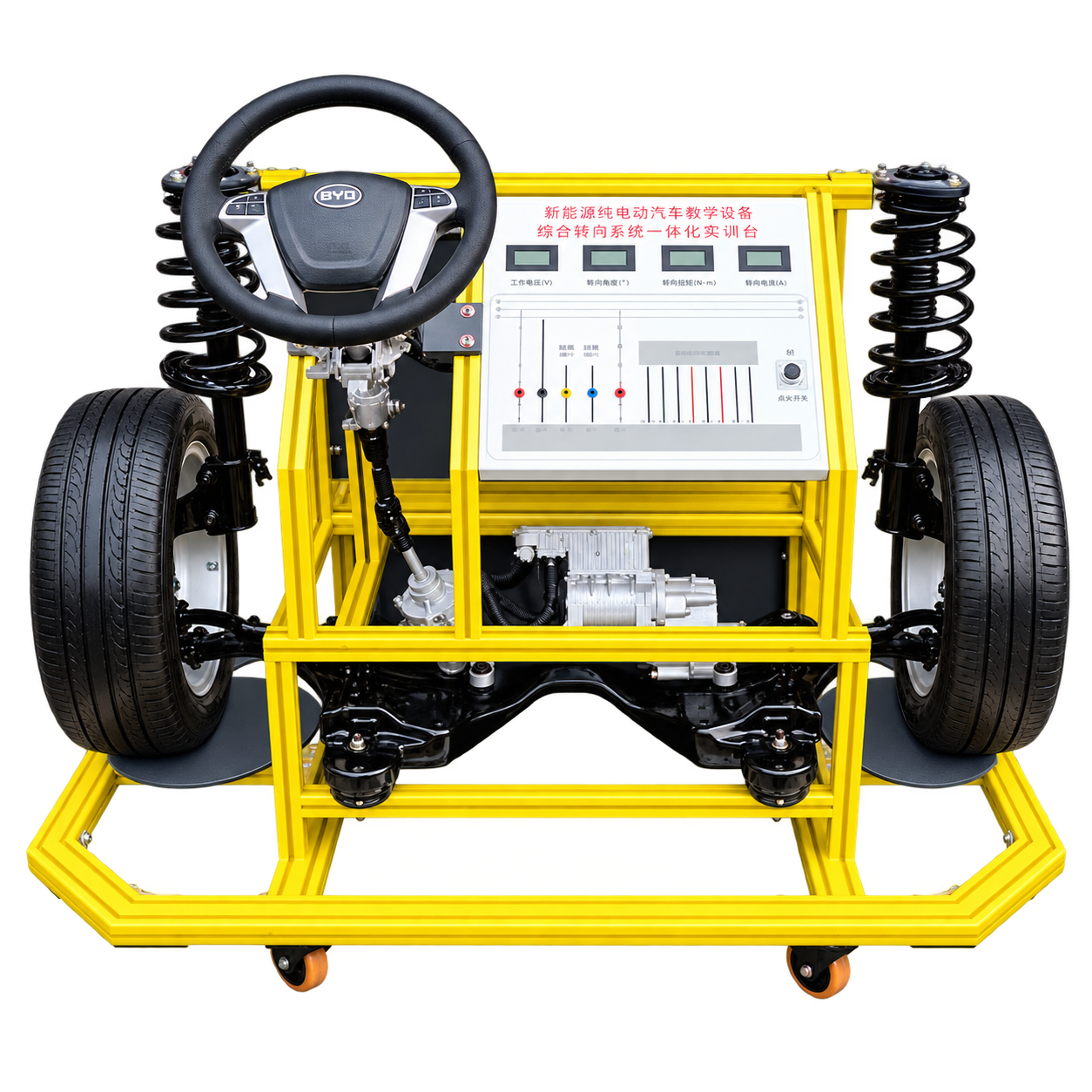
NEV Chassis Systems
Relate electric steering operation to circuit measurements and diagnostic reasoning during supervised lessons.
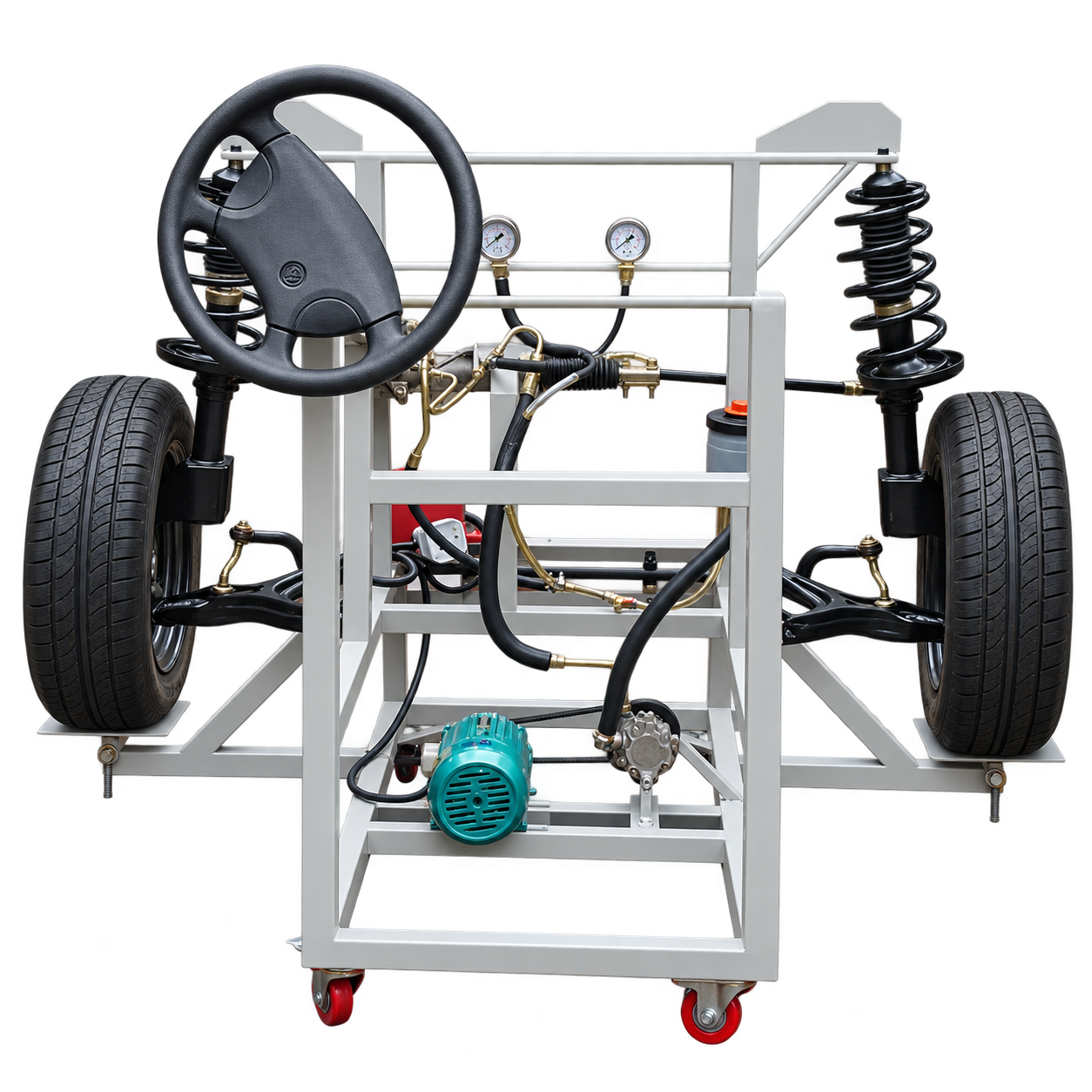
NEV Chassis Systems
Study front-suspension structure and inspection before supervised disassembly using task-specific tools and procedures.
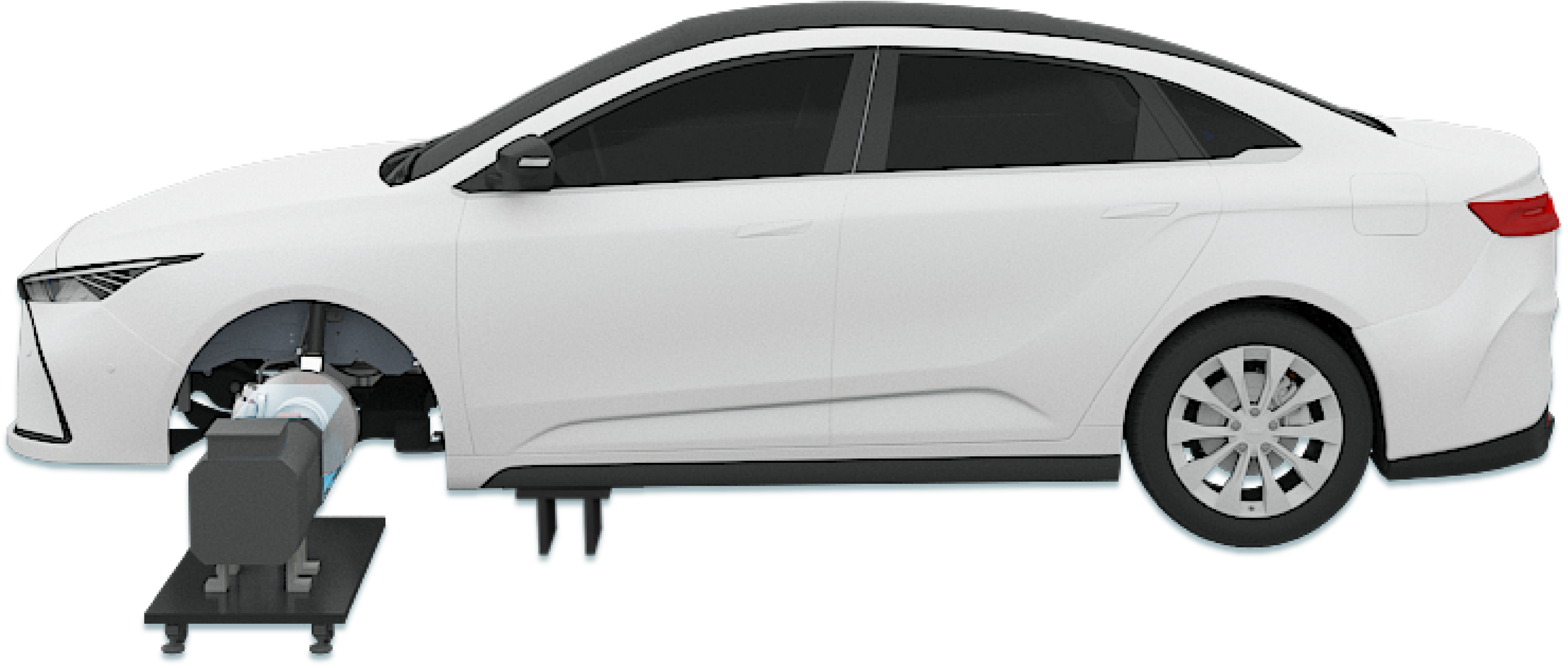
Performance Testing & Diagnostics
Study high-voltage architecture through liquid-cooled battery and motor systems within the defined test scope.
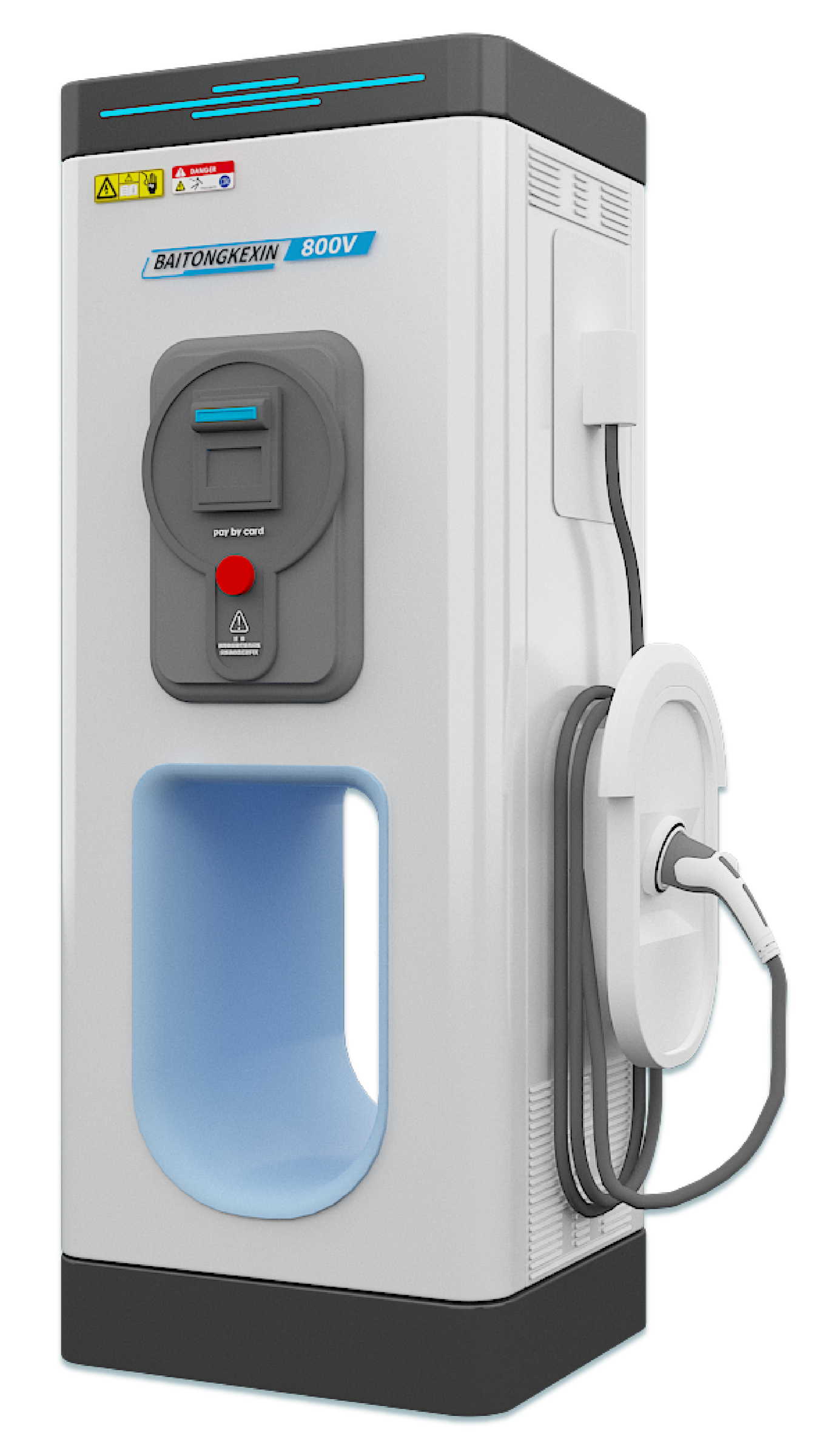
Performance Testing & Diagnostics
Investigate liquid-cooled DC charging with compatible vehicle equipment and specified cooling and output limits.
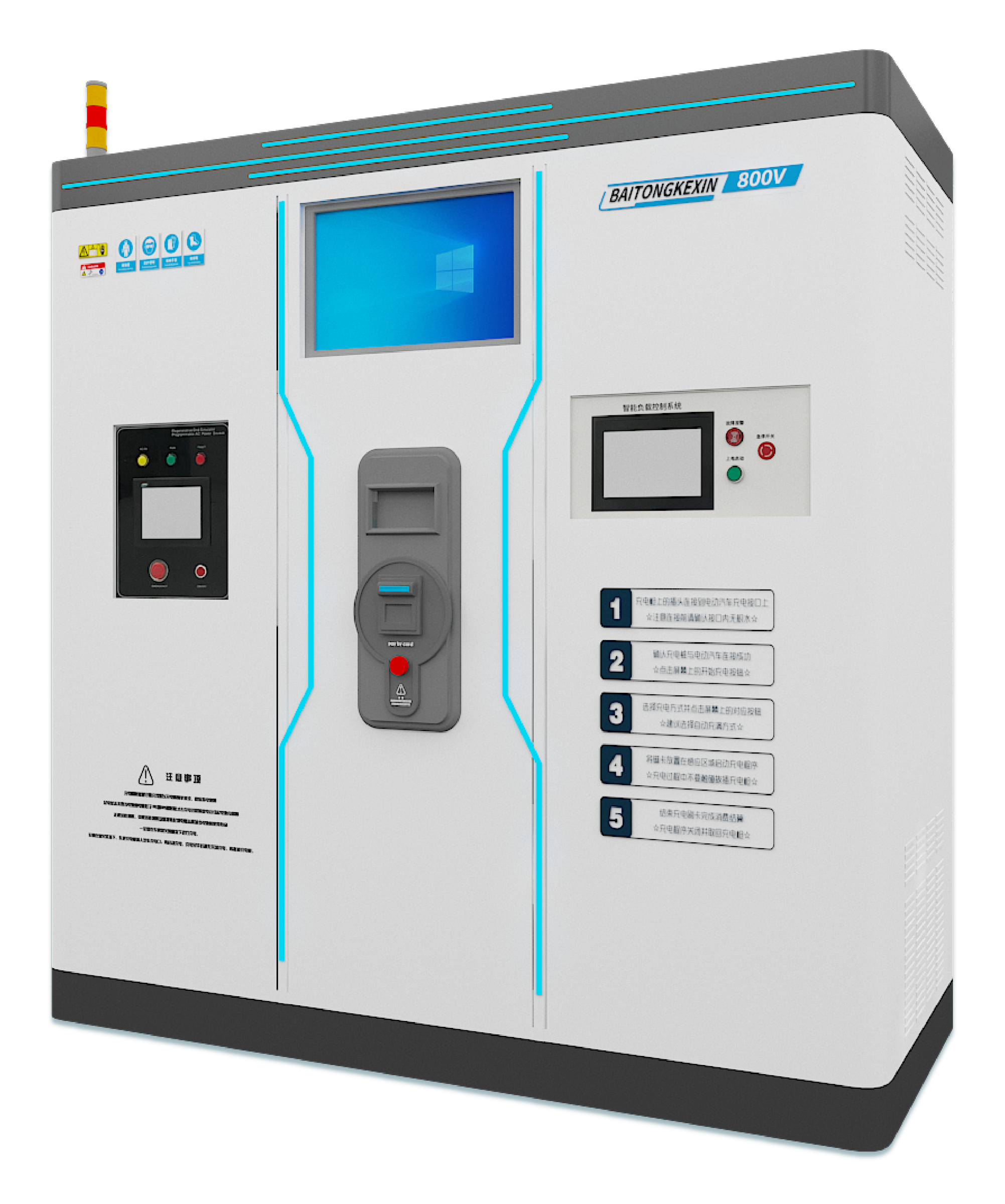
Performance Testing & Diagnostics
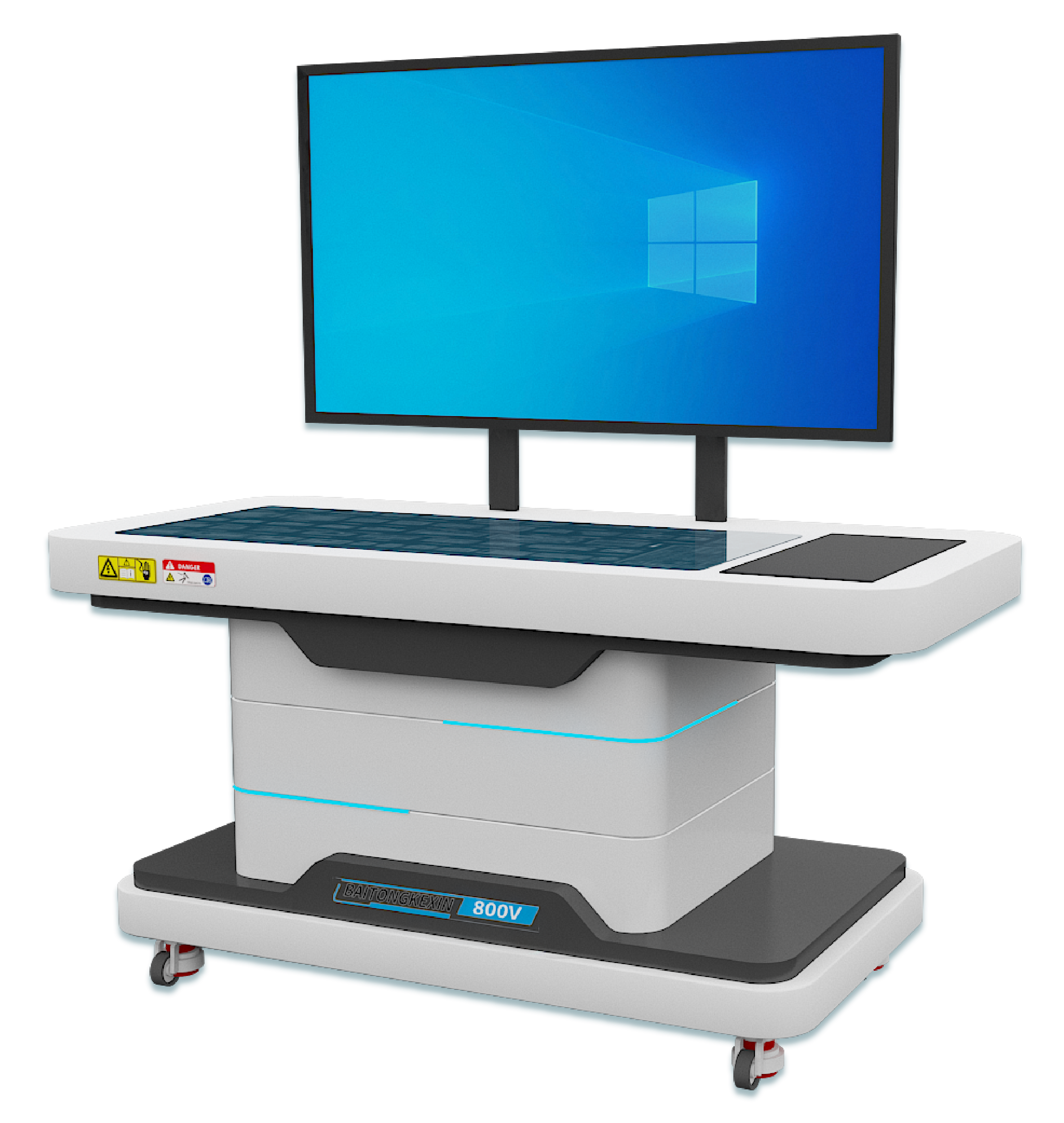
Coordinate battery, drive and charging measurements through a data terminal, touchscreen and matched power analyzer.
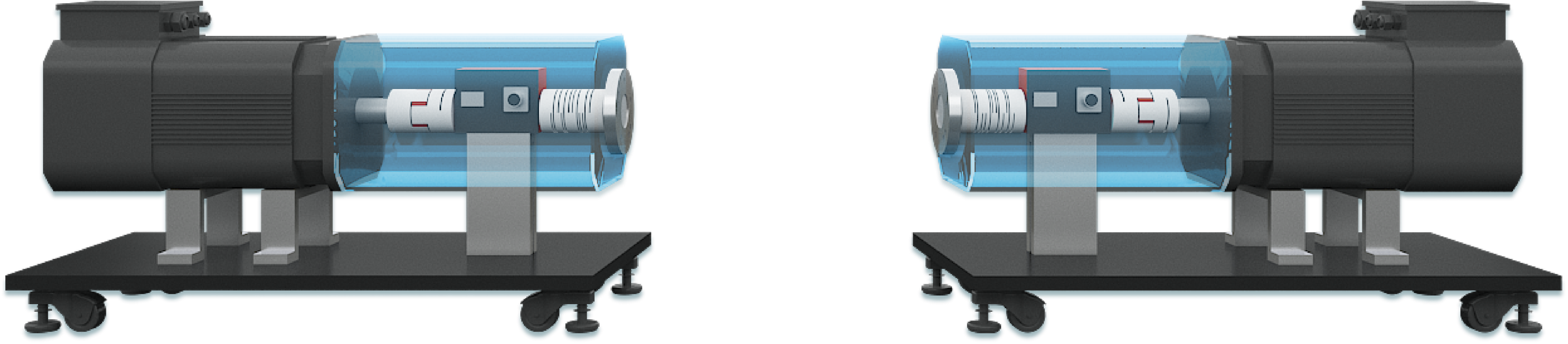
Performance Testing & Diagnostics
Study electric drive response through wheel-end loading and torque sensing matched to the selected drivetrain.
Performance Testing & Diagnostics
Investigate control circuits through waveform observation, circuit measurements and fault exercises led by instructors.
Performance Testing & Diagnostics
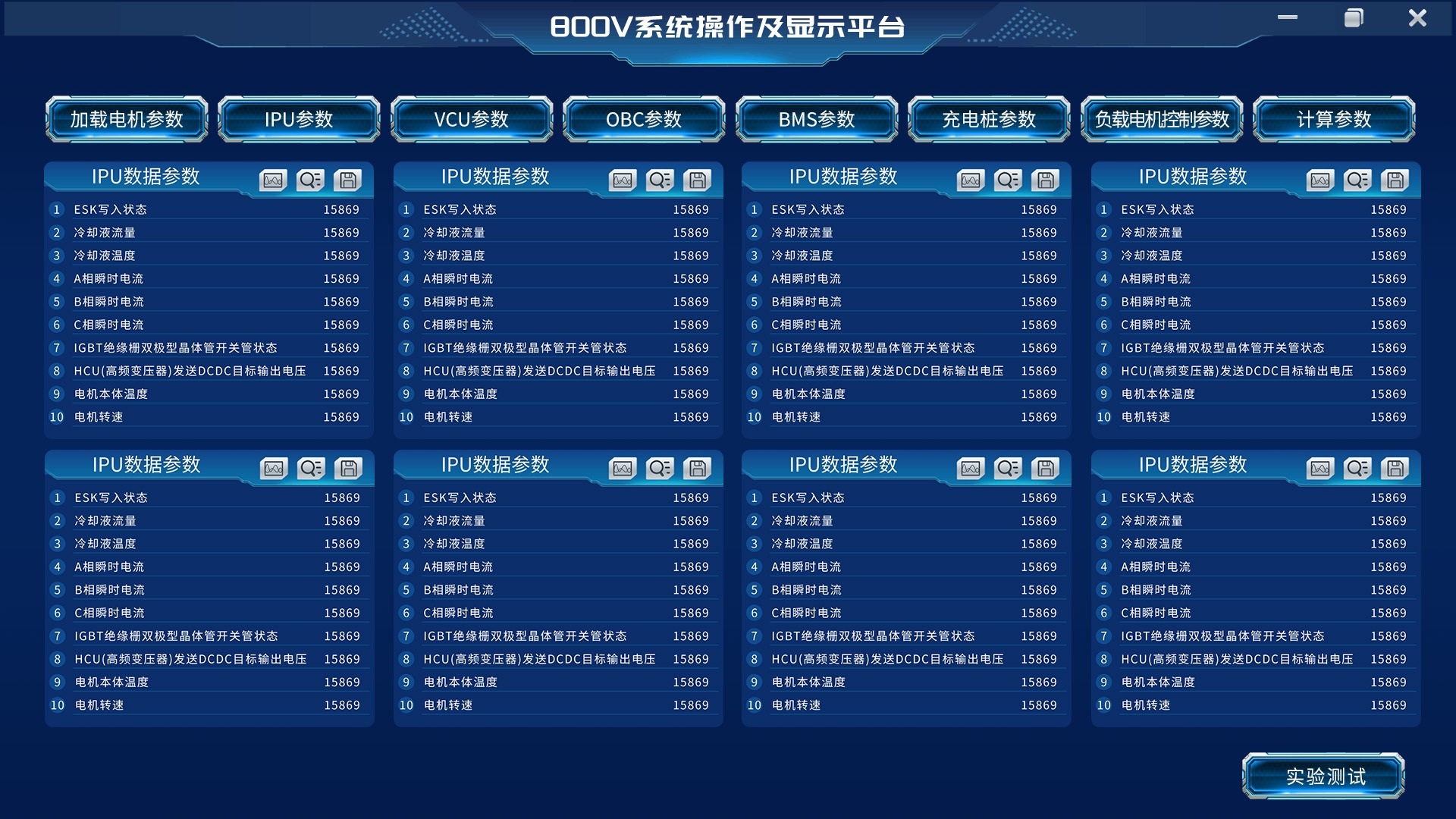
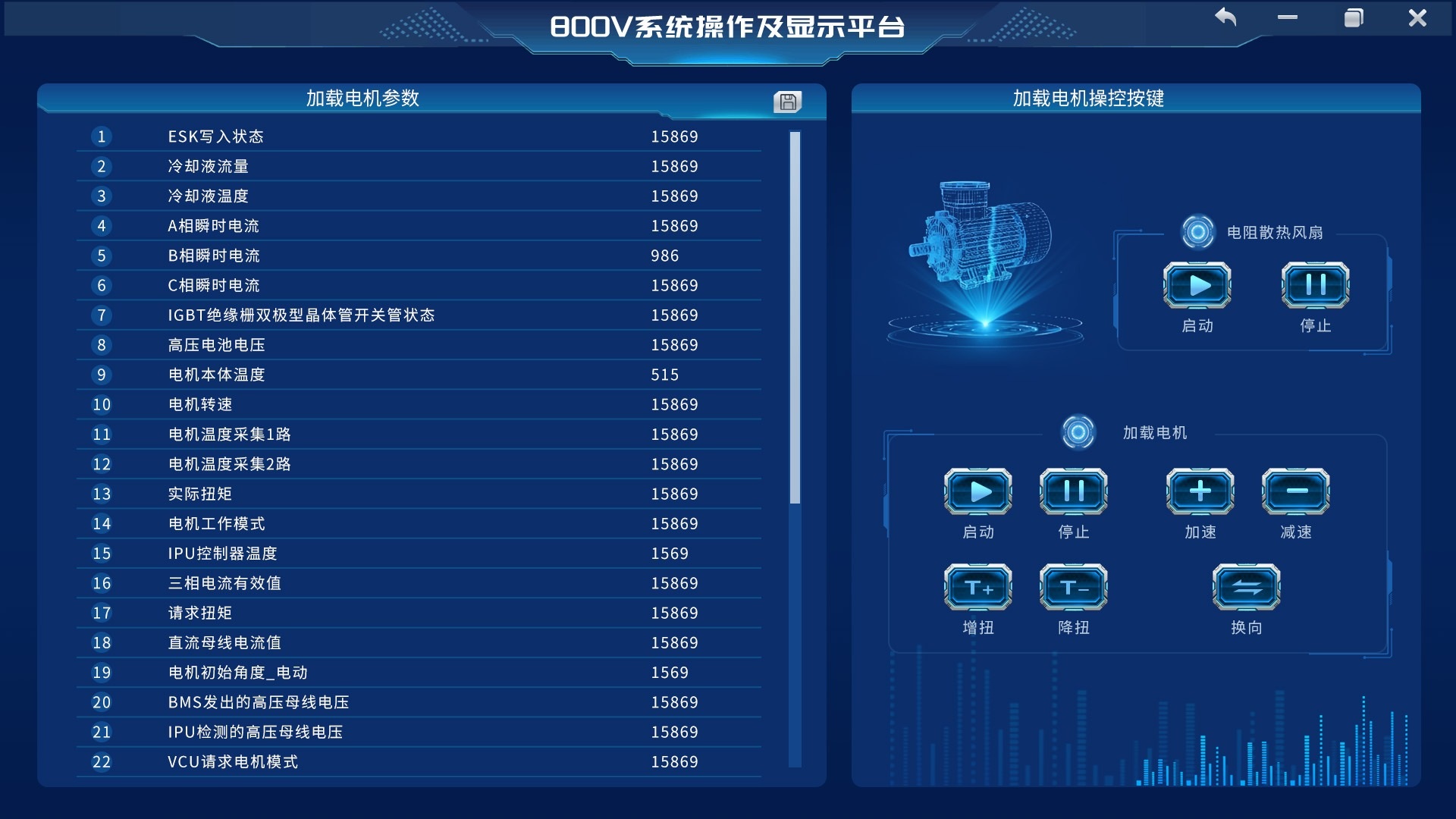
Review battery, drive, charging and loading data from a compatible EV test and acquisition system.
Performance Testing & Diagnostics
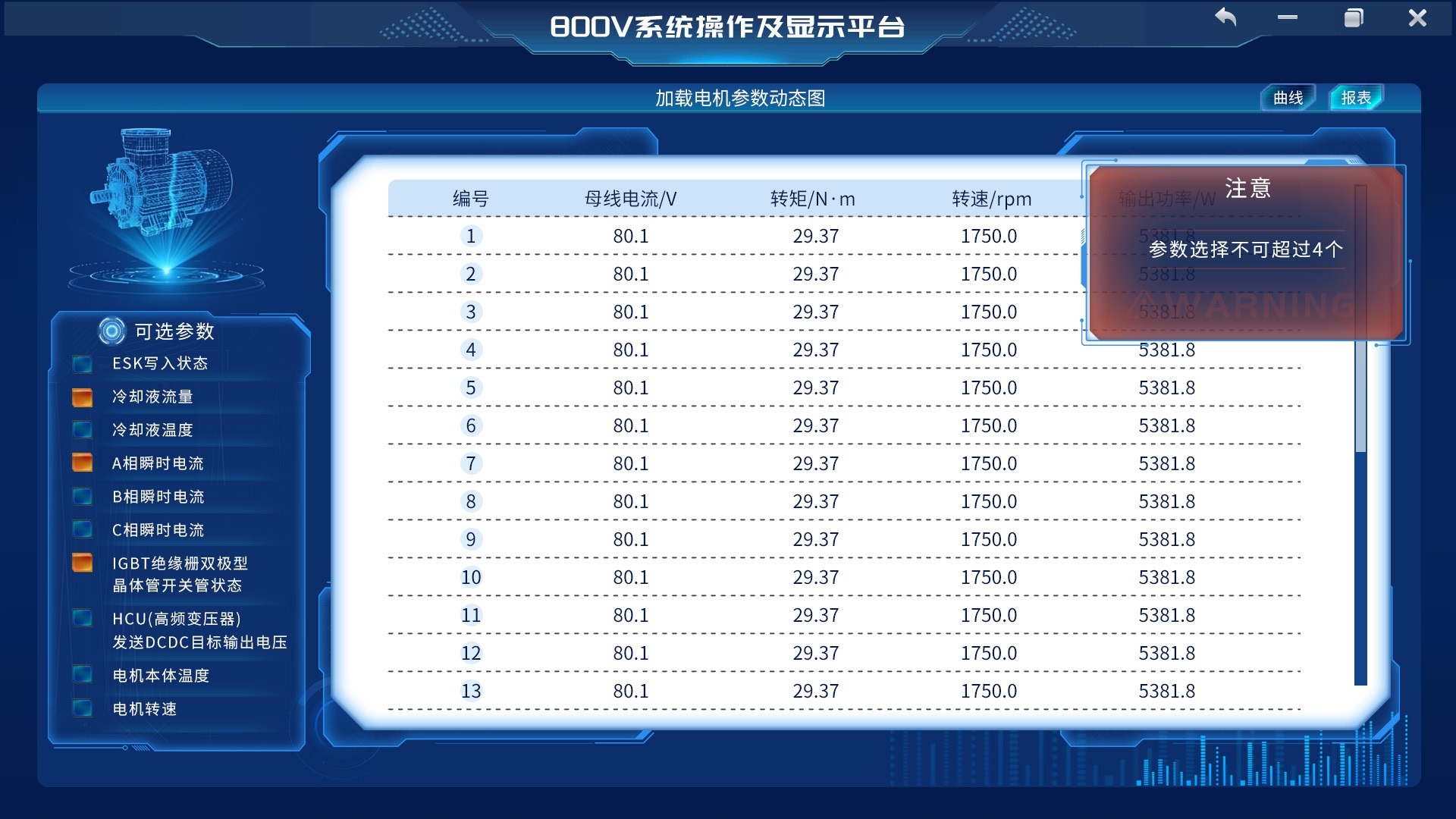
Coordinate compatible wheel-end loading equipment while comparing left and right speed, torque and power data.
Performance Testing & Diagnostics
Compare applied signals and circuit waveforms with software linked to external signal generators and oscilloscopes.
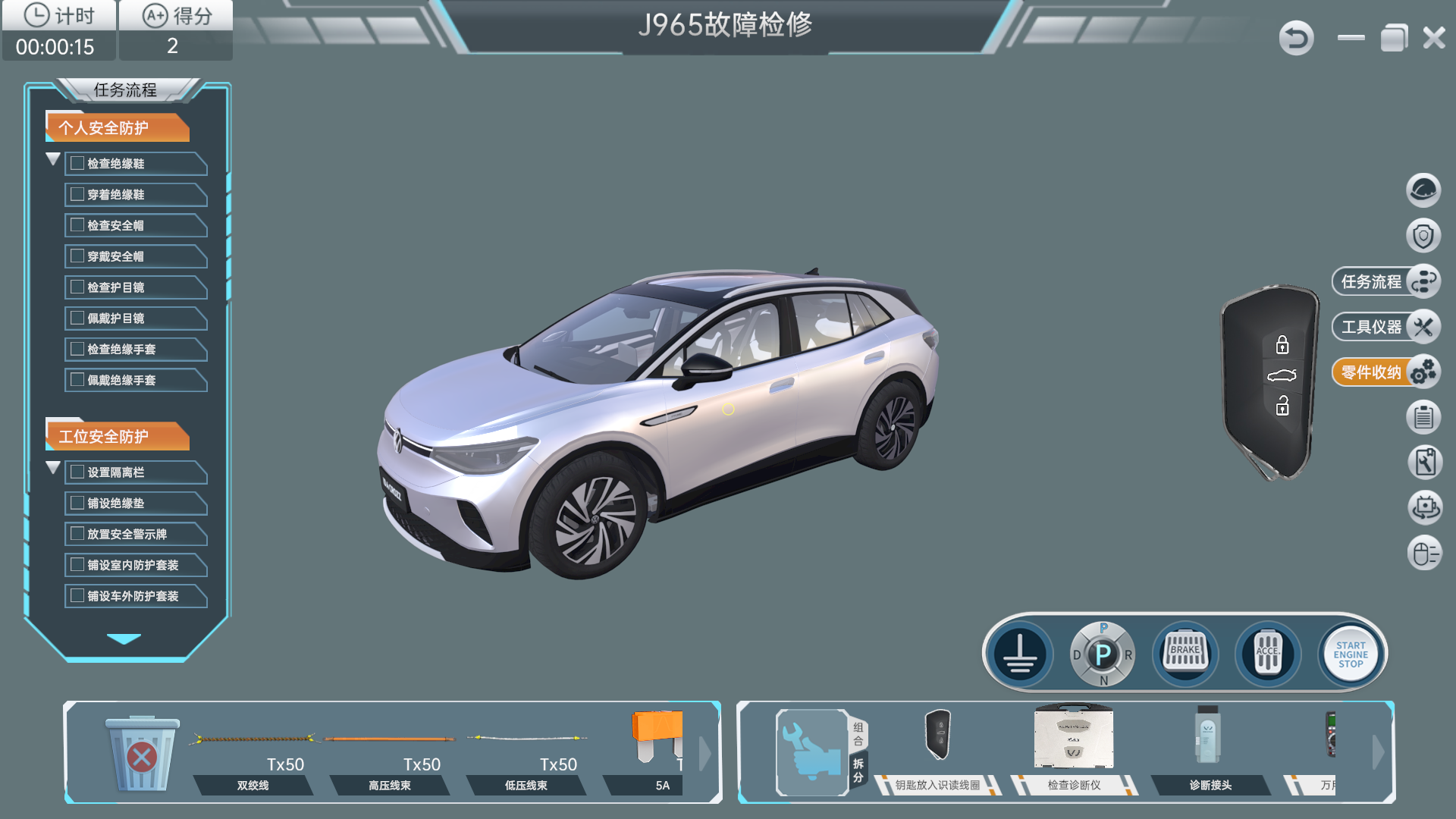
Whole-Vehicle Virtual Simulation
Investigate vehicle electrical faults through virtual connectors, charging scenarios and task-based diagnostic records.
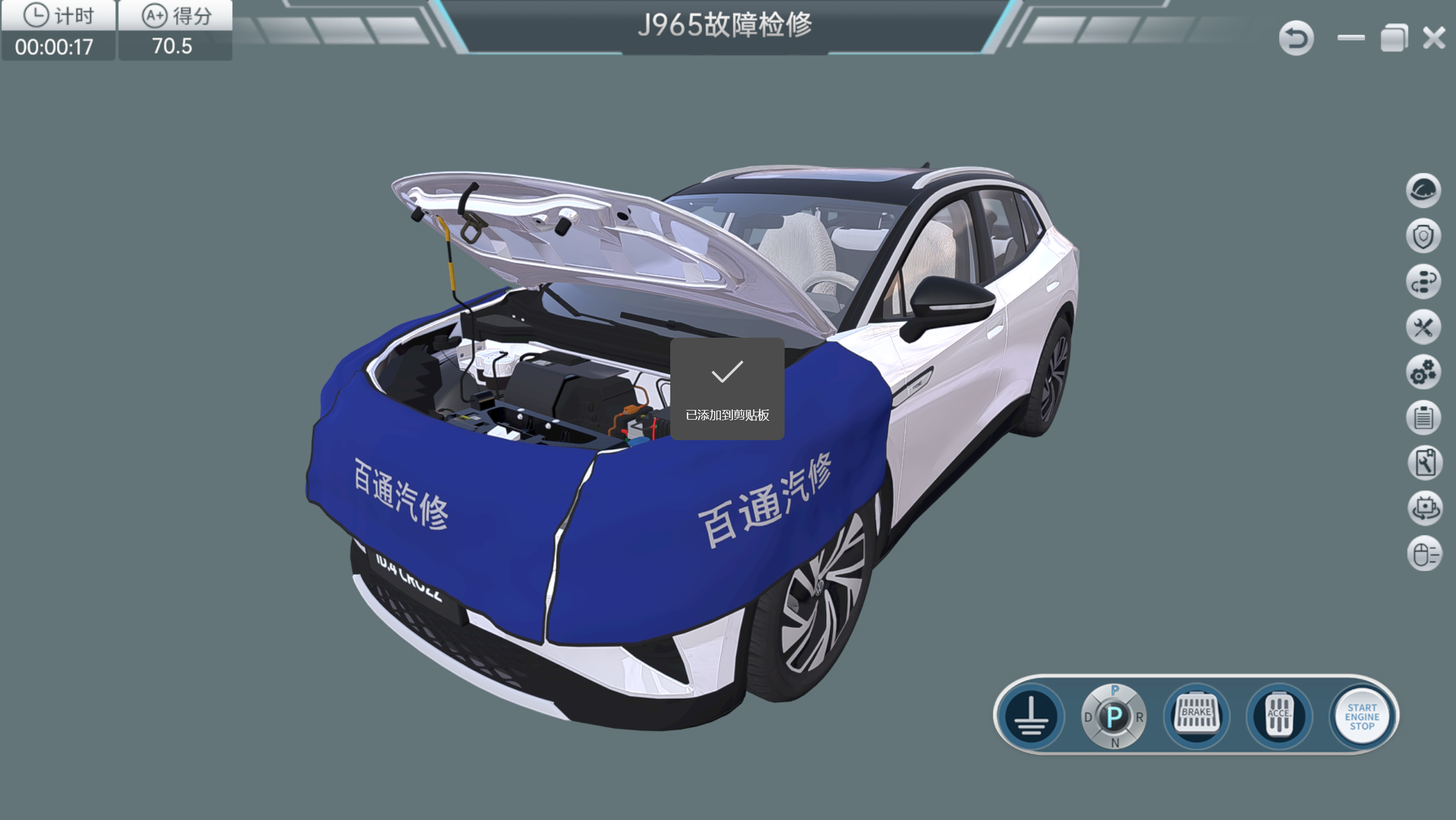
Whole-Vehicle Virtual Simulation
Practice vehicle fault diagnosis through guided simulation, circuit measurements, repair tasks and recorded assessment.
Whole-Vehicle Virtual Simulation
Practice vehicle fault diagnosis through guided simulation, circuit measurements, repair tasks and recorded assessment.
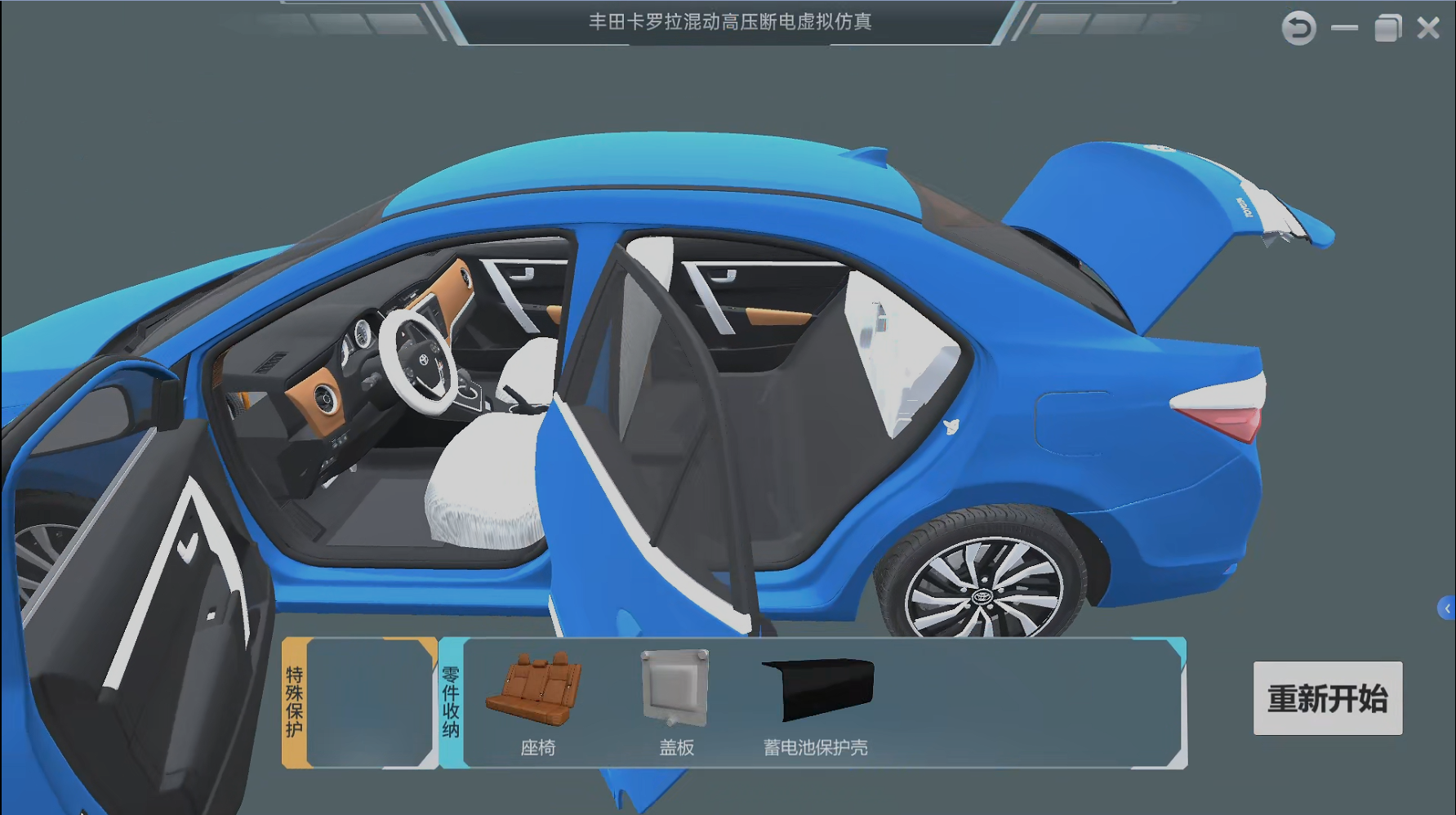
Whole-Vehicle Virtual Simulation
Practice vehicle diagnosis using virtual instruments, repair information and recorded tasks for the selected powertrain.
Whole-Vehicle Virtual Simulation
Investigate vehicle electrical faults through virtual connectors, charging scenarios and task-based diagnostic records.
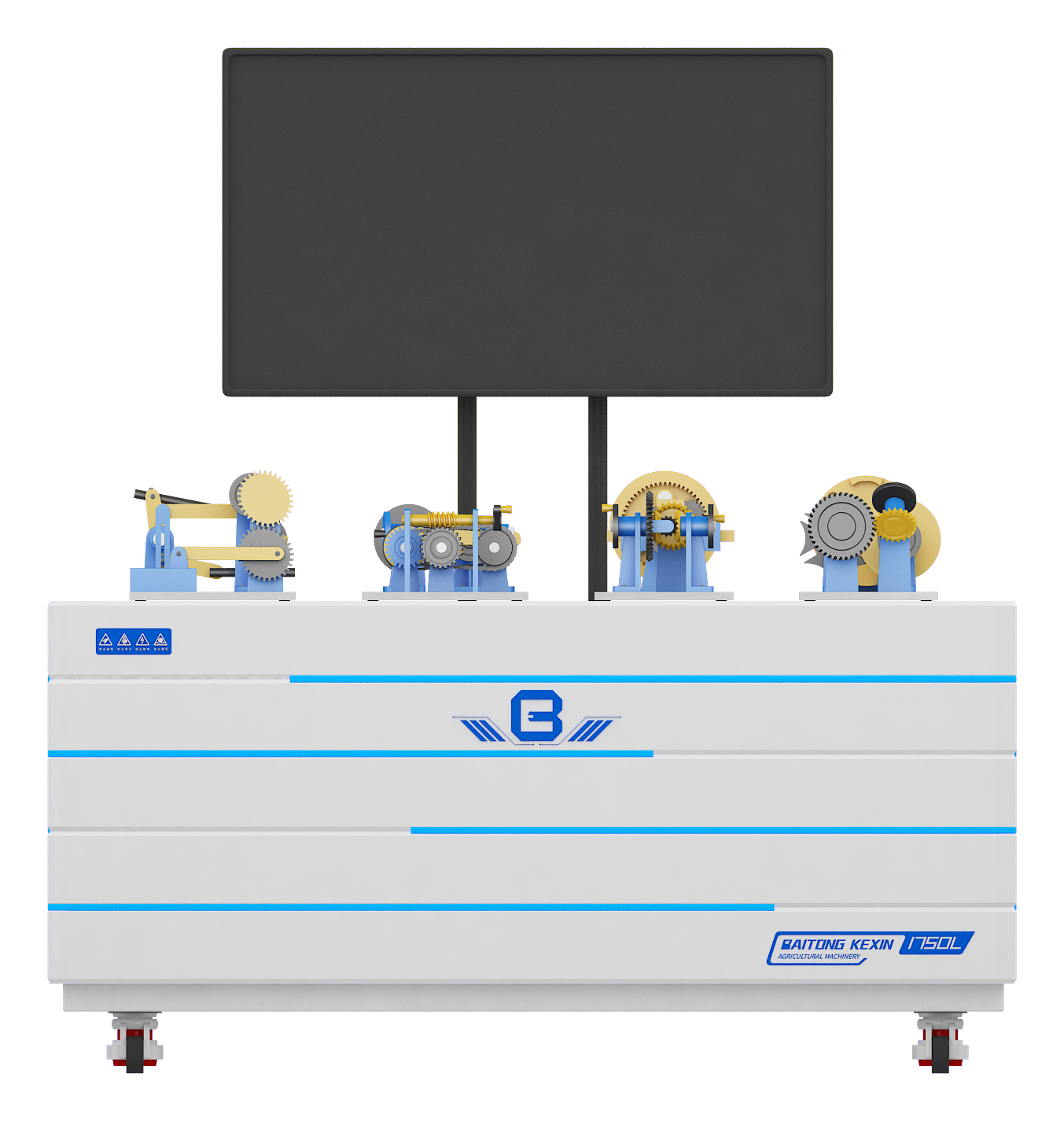
Agricultural Machinery Training
Explore how mechanical systems transmit and transform motion through a collection of physical teaching models.
Agricultural Machinery Training
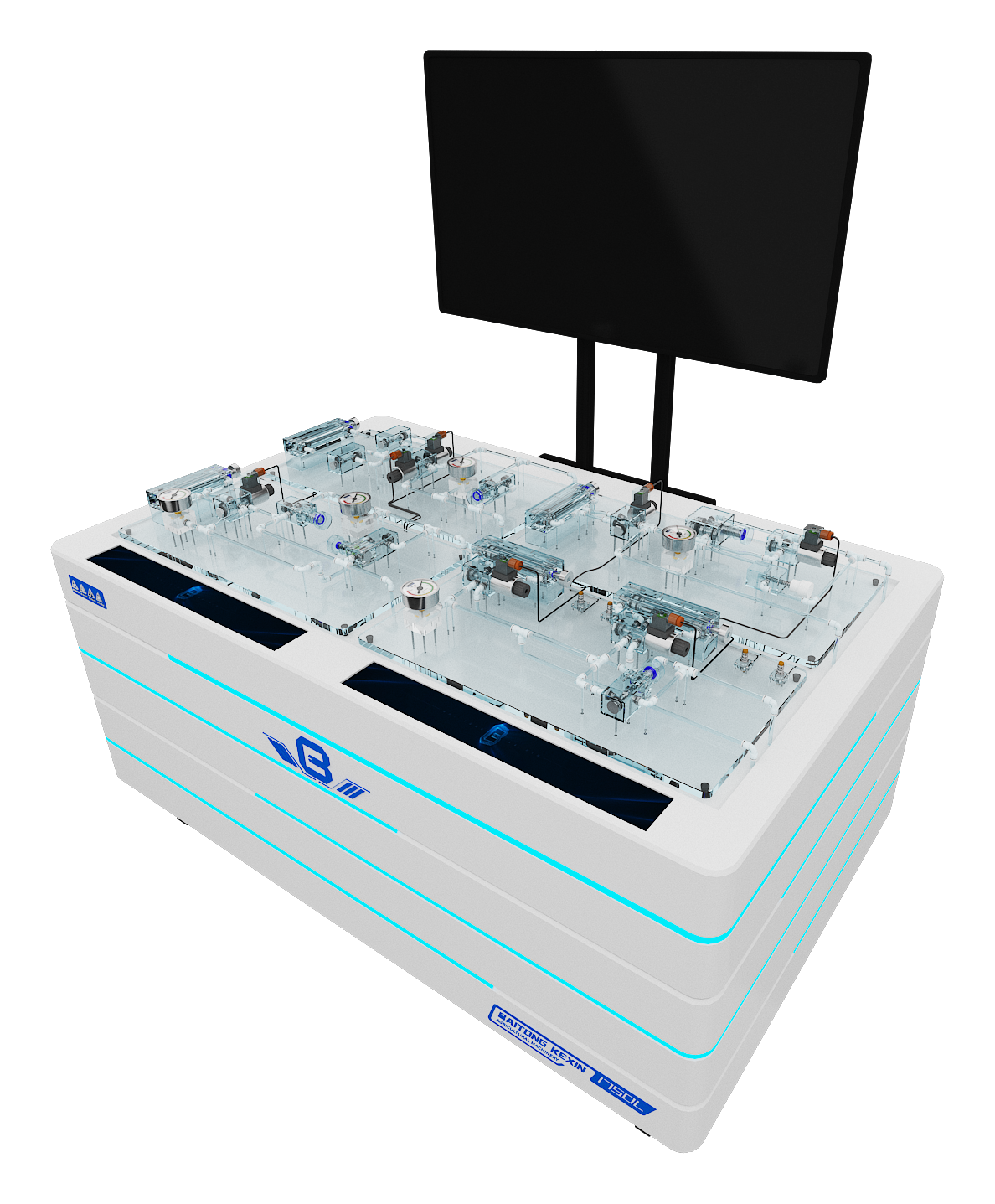
Explore pneumatic circuits, valve functions and the principles of air-powered actuation in practical lessons.
Agricultural Machinery Training
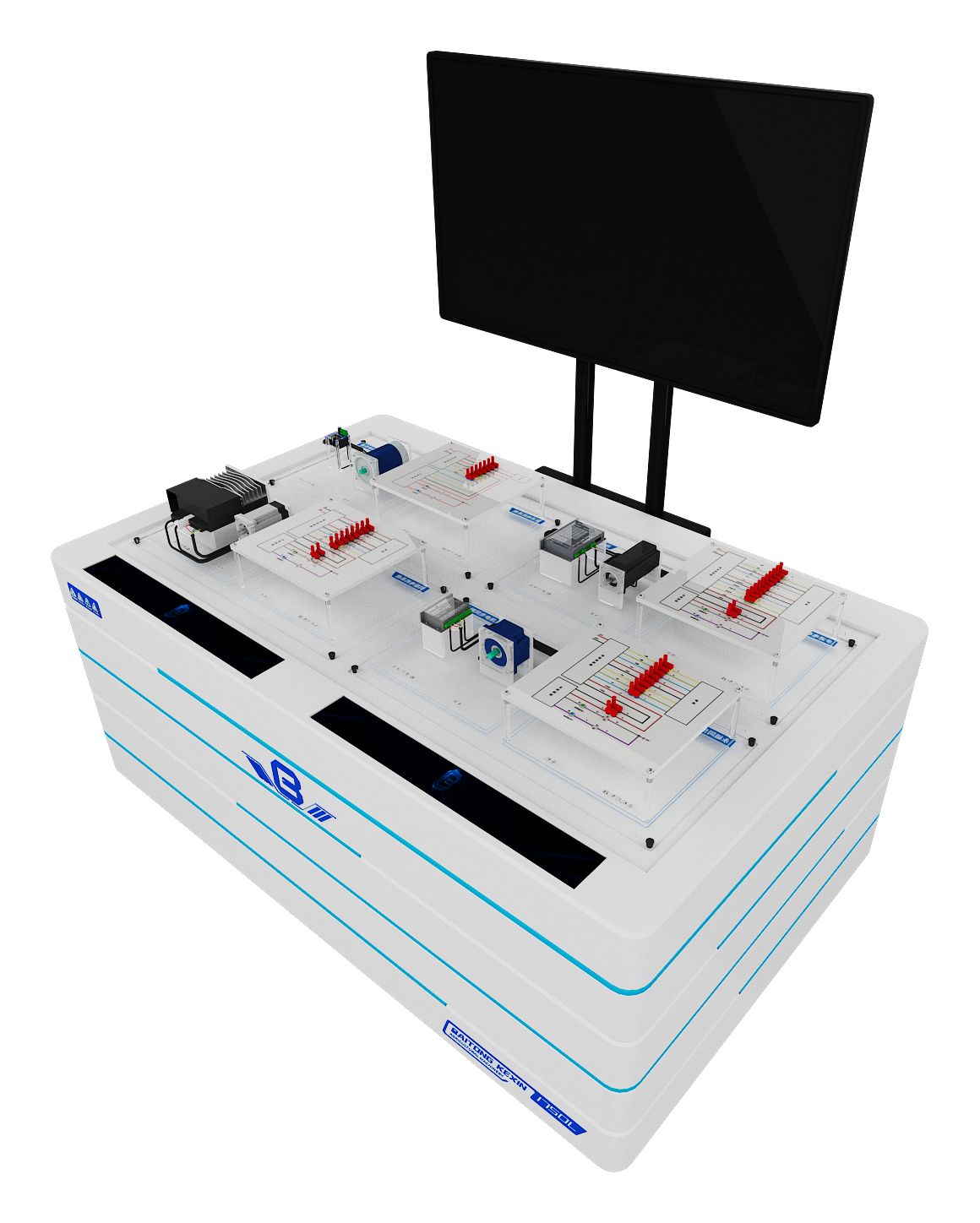
Study motor principles through basic electrical circuits, practical measurements and guided fault diagnosis exercises.
Agricultural Machinery Training
Study tractor components and electrical measurements as part of supervised maintenance lessons on power systems.
Agricultural Machinery Training
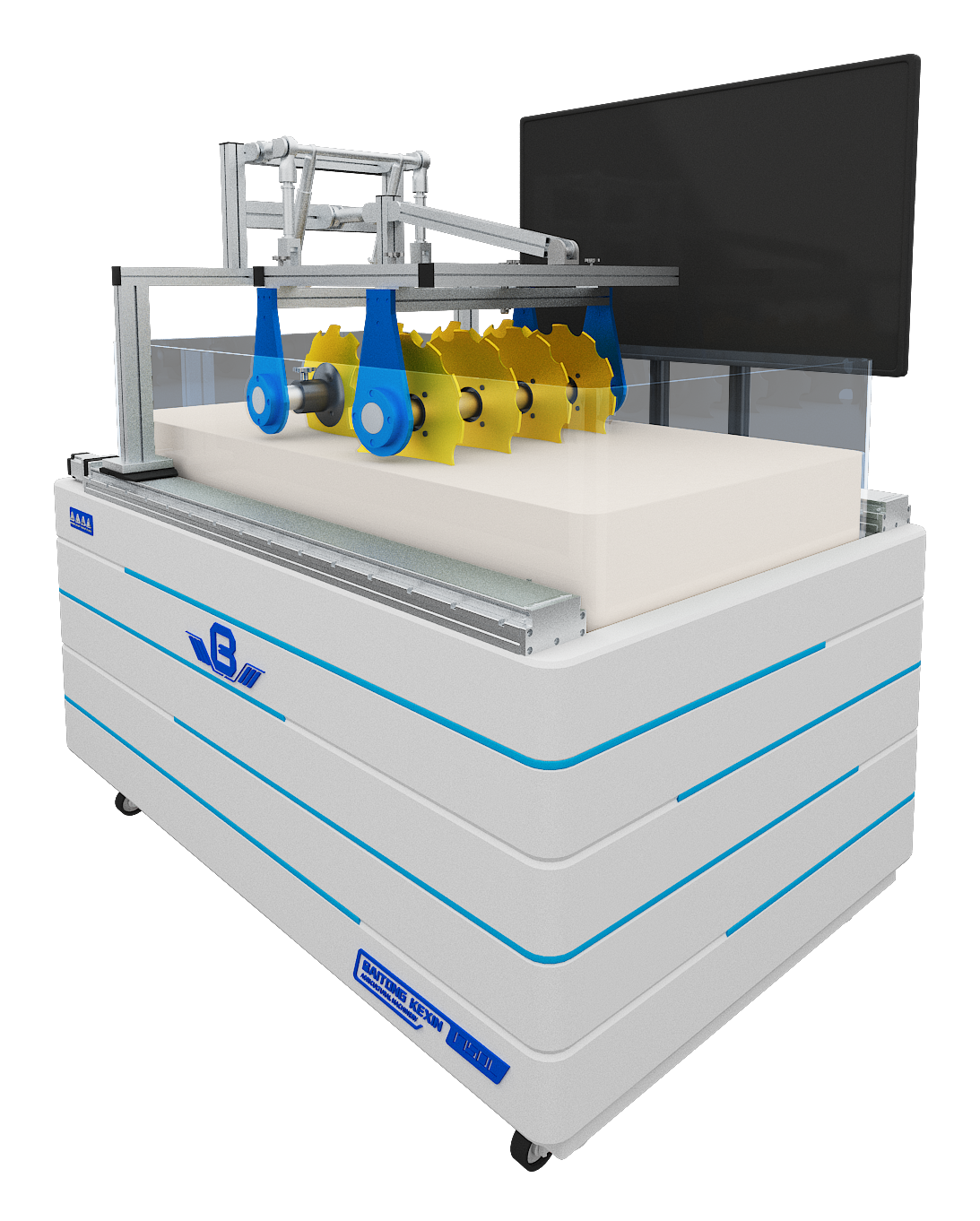
Demonstrate disc-harrow operation, implement lifting and soil interaction using simulated travel and a transparent box.
Agricultural Machinery Training
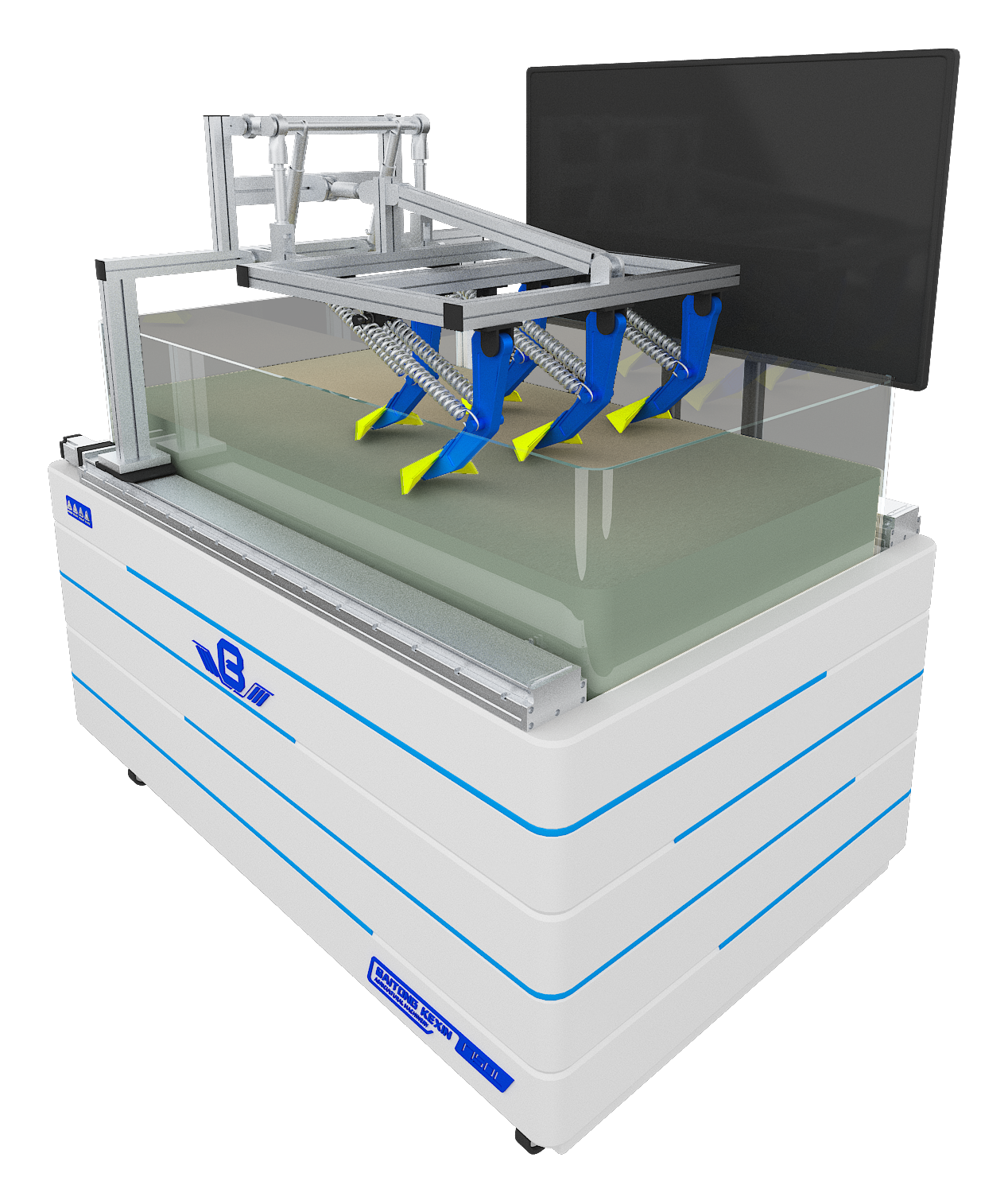
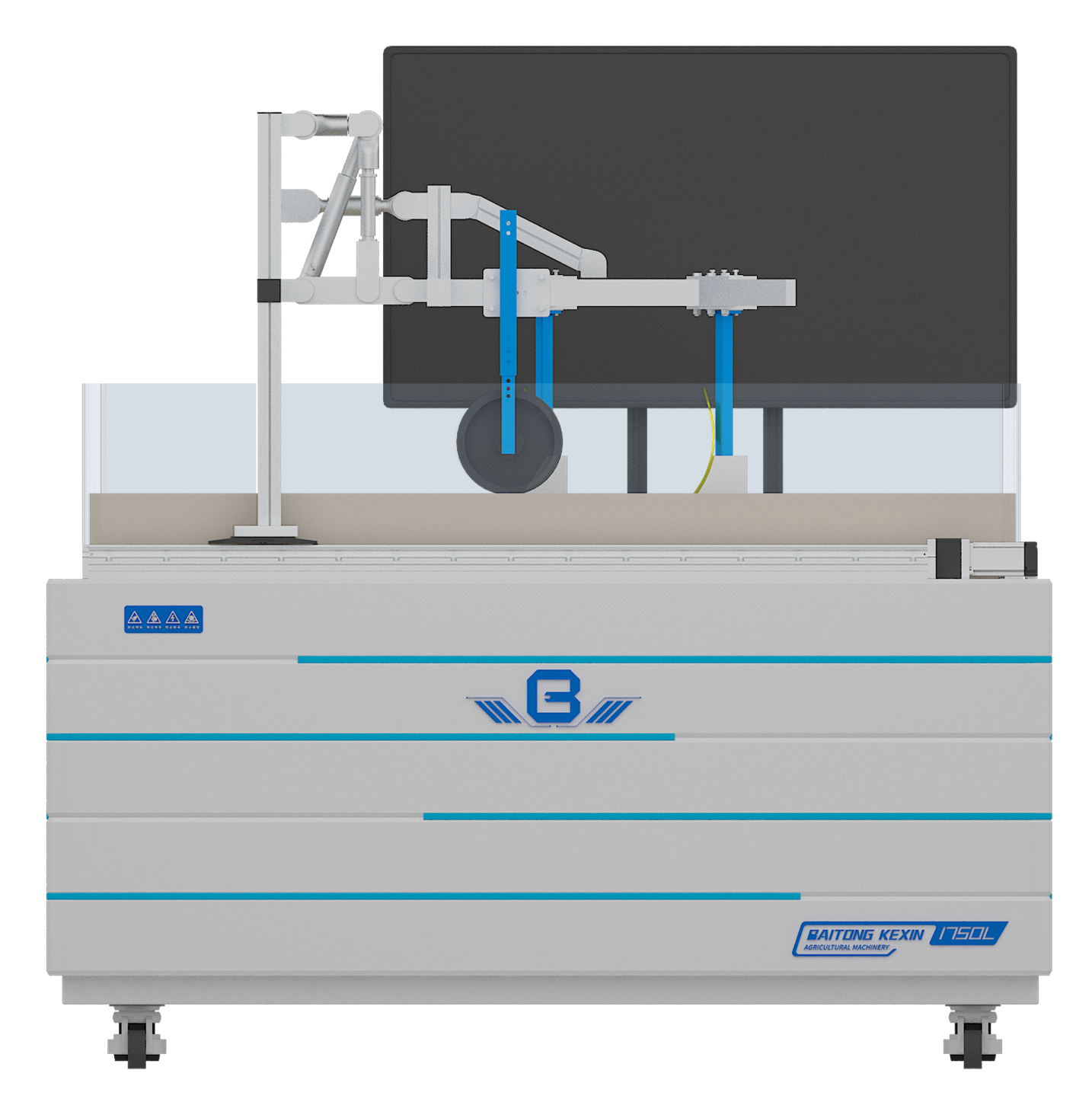
Explore subsoiling mechanisms using replaceable working tools, simulated travel and a transparent soil box.
Agricultural Machinery Training
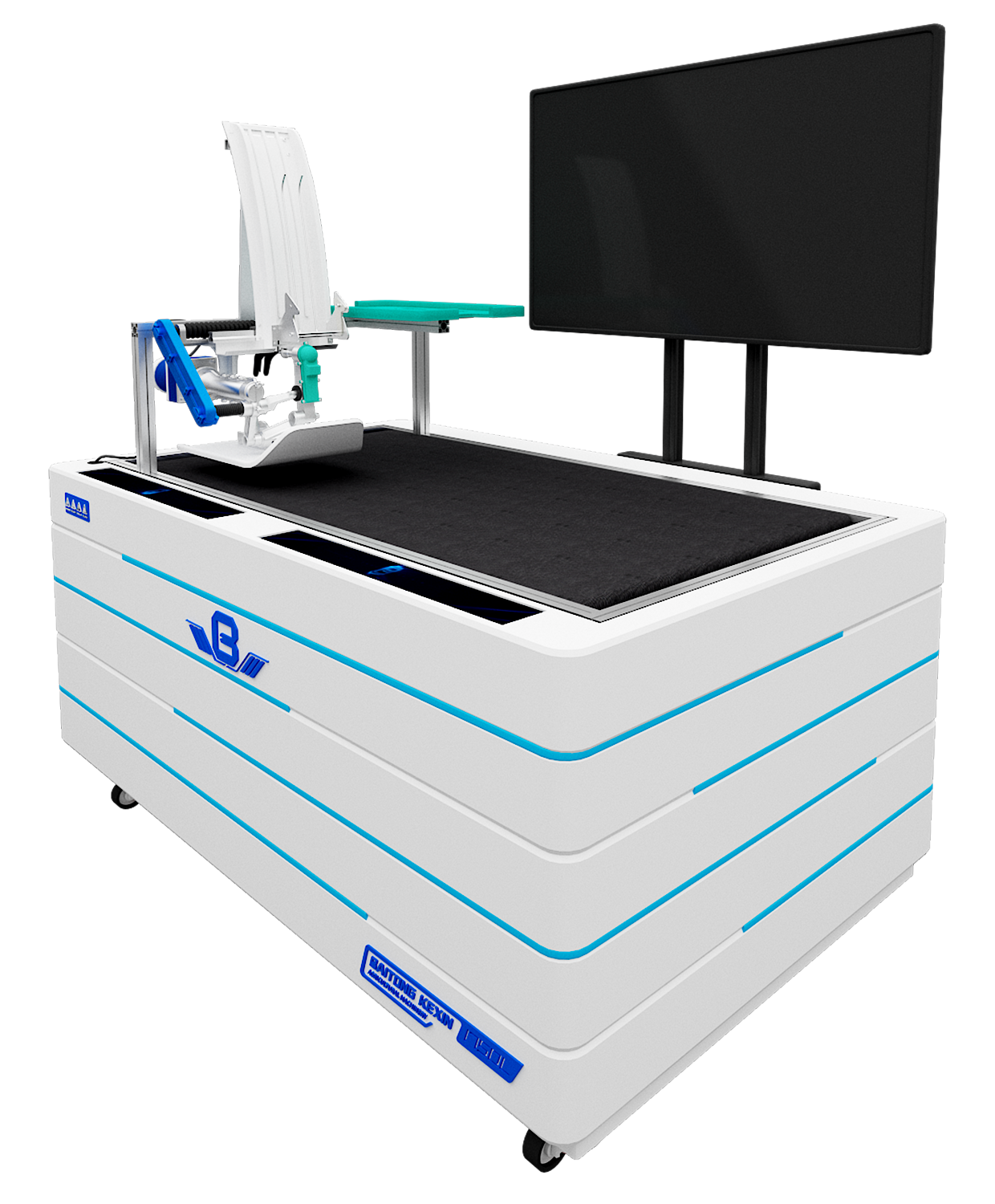
Demonstrate plough adjustment and working principles through simulated tractor travel and a transparent soil box.
Agricultural Machinery Training
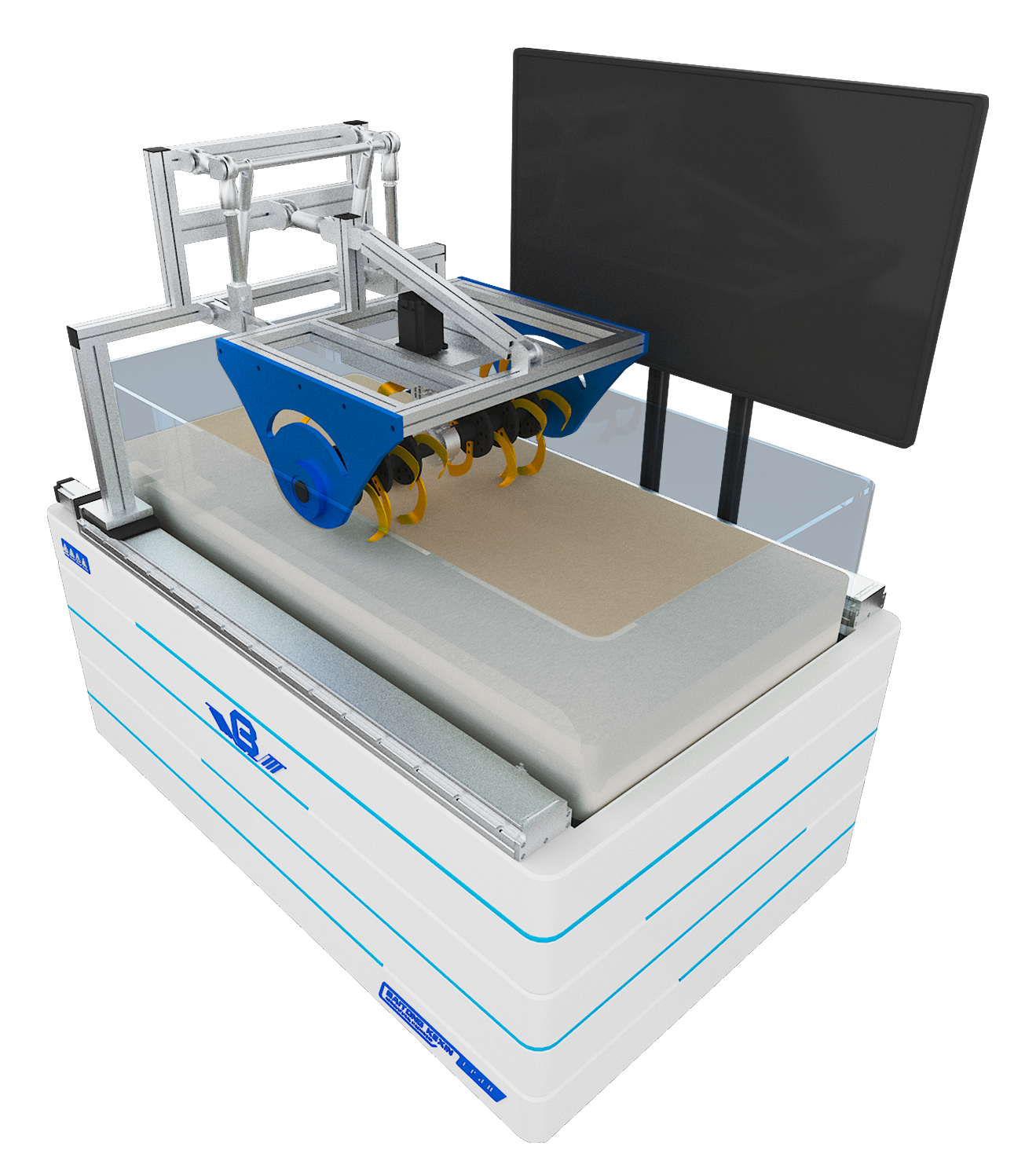
Study rotary tillage through an adjustable blade assembly, simulated travel and a transparent soil box.
Agricultural Machinery Training
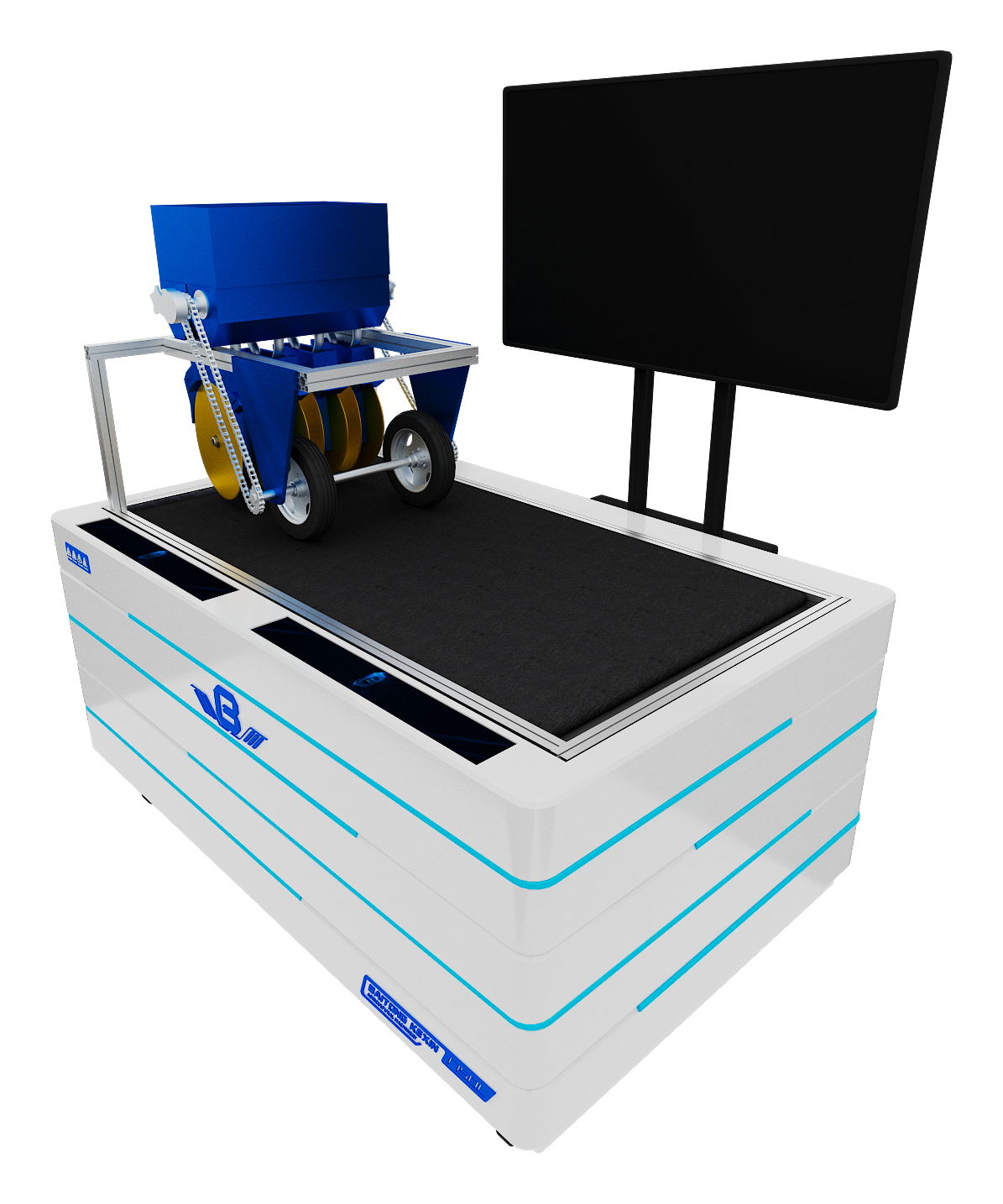
Explore seedling placement with a working planting mechanism, adjustable conveyor and seedling recovery system.
Agricultural Machinery Training
Explain wheat-seeding principles through the relationships between ground-wheel drive, metering and seed row placement.
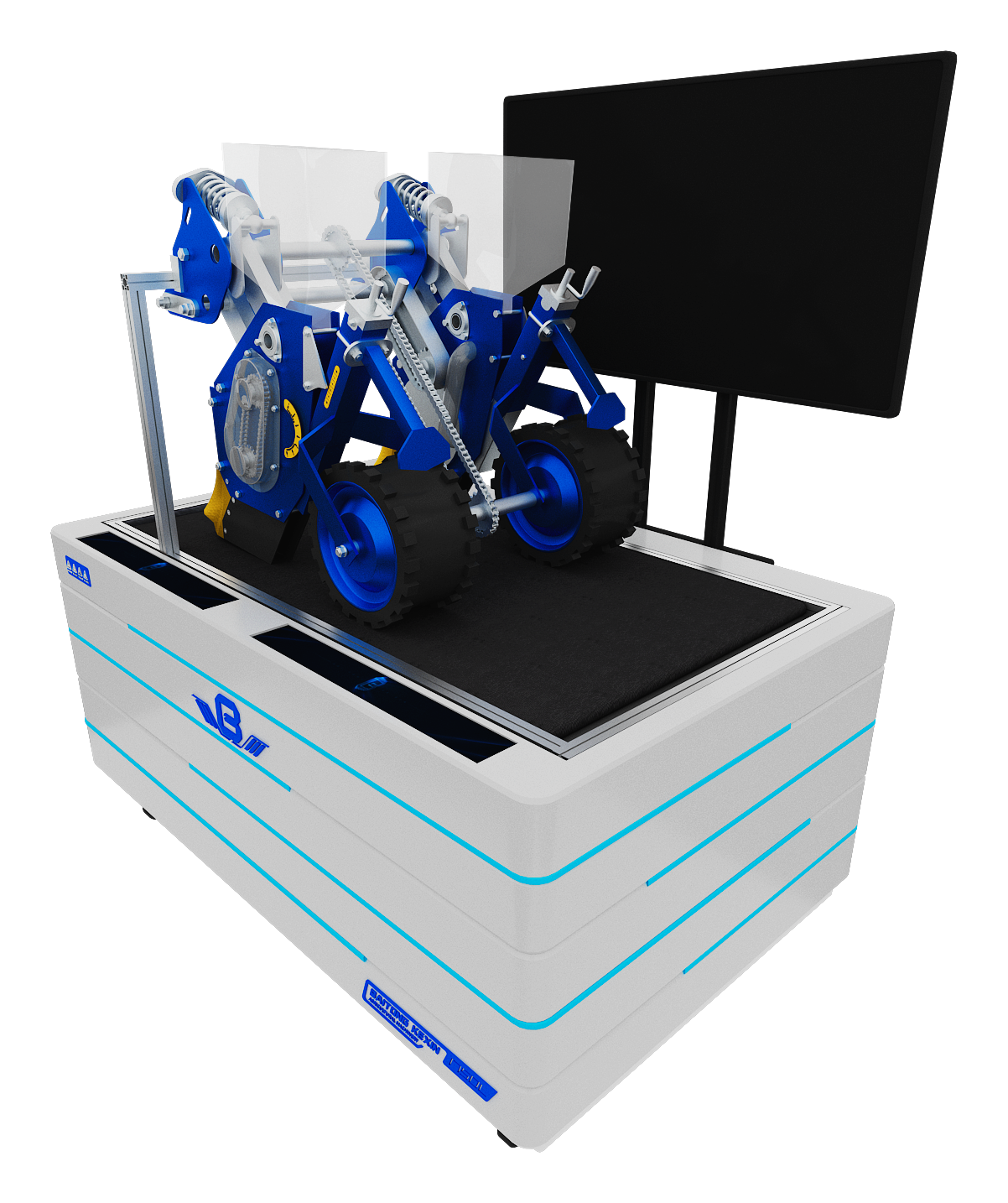
Agricultural Machinery Training
Observe seed metering through transparent housings while adjusting a conveyor that simulates forward travel.
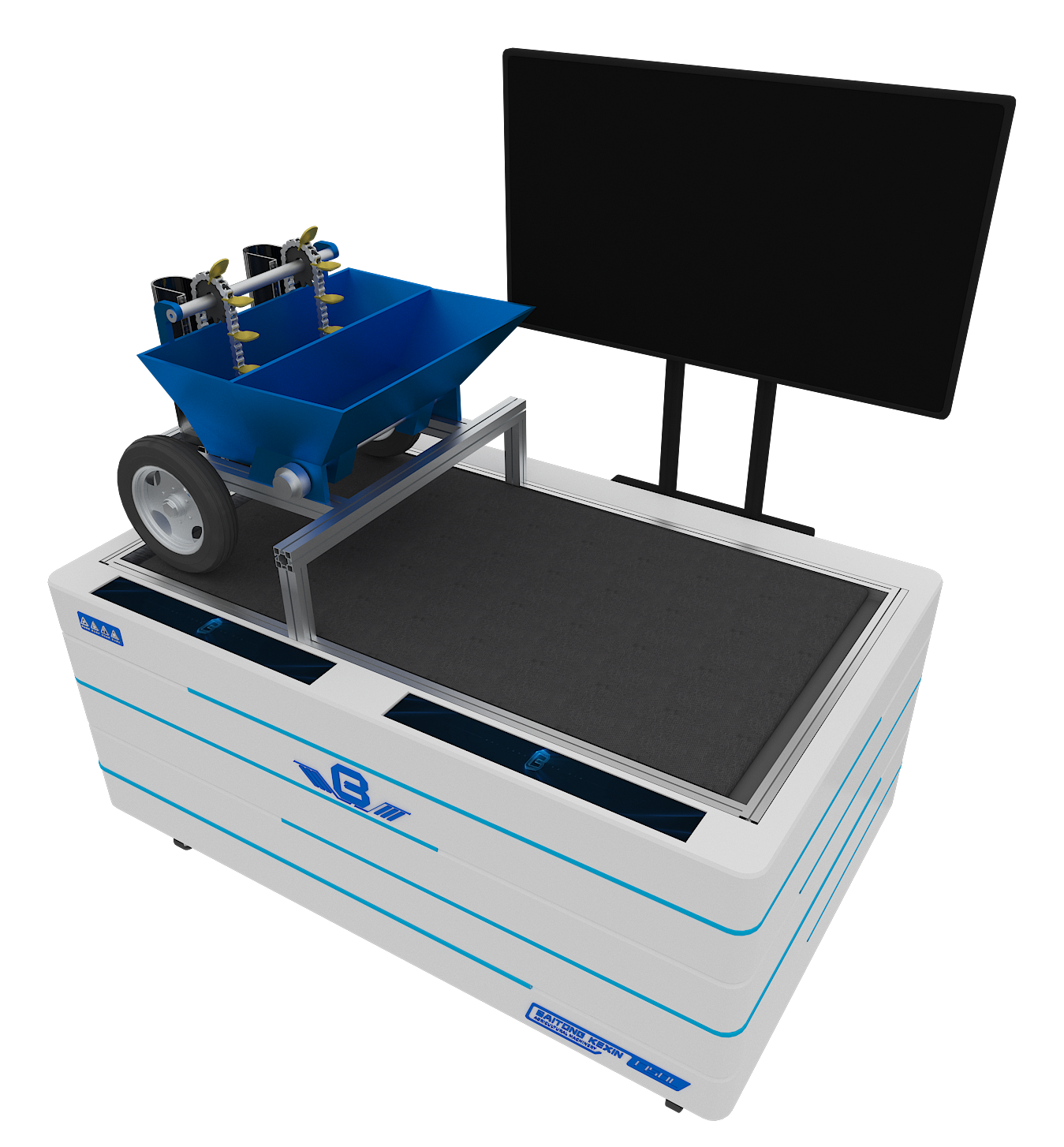
Agricultural Machinery Training
Study potato placement through visible spoon-type metering and a conveyor that simulates forward travel.
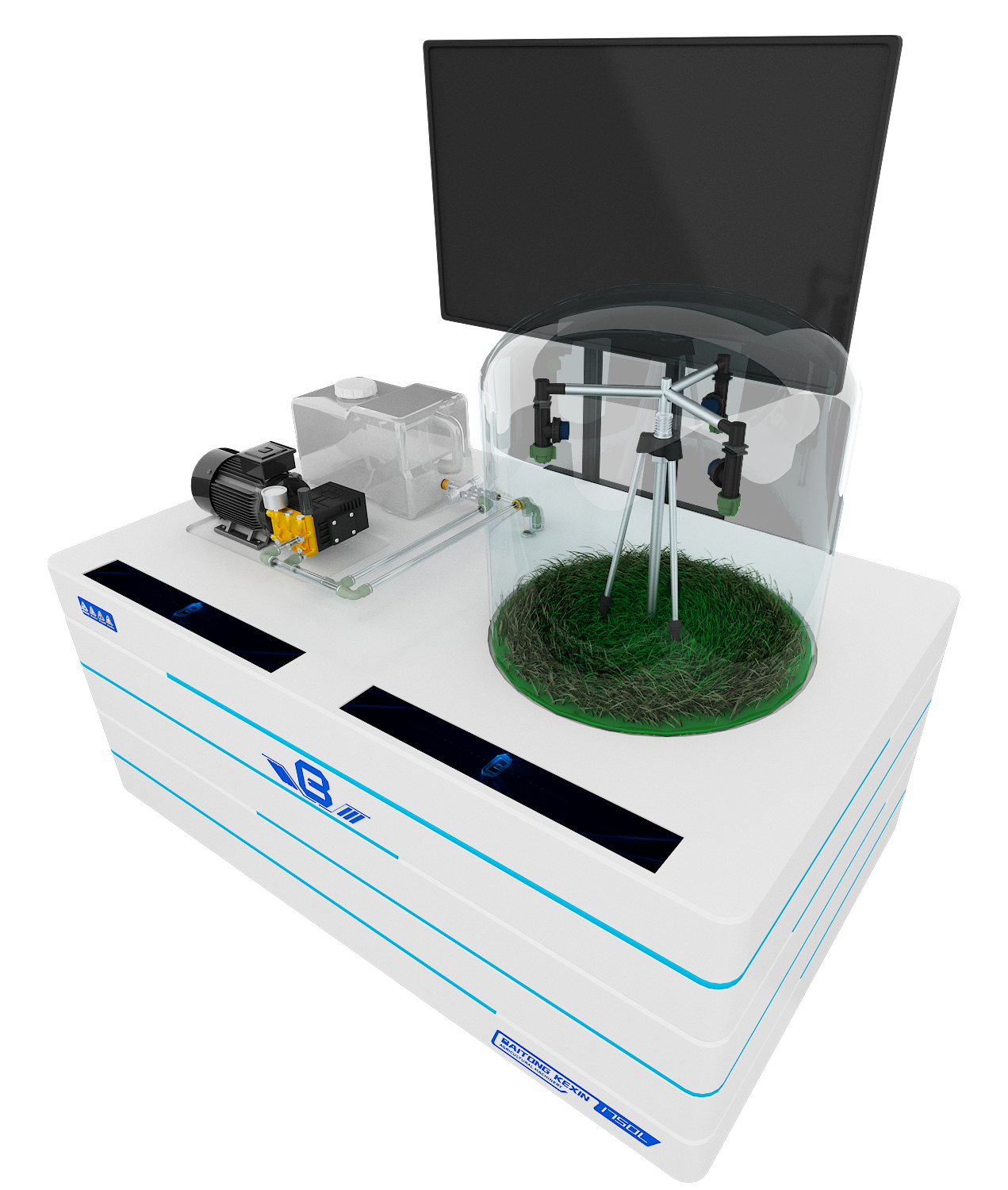
Agricultural Machinery Training
Demonstrate liquid delivery, nozzle operation and spray adjustment using a dedicated classroom spraying system.
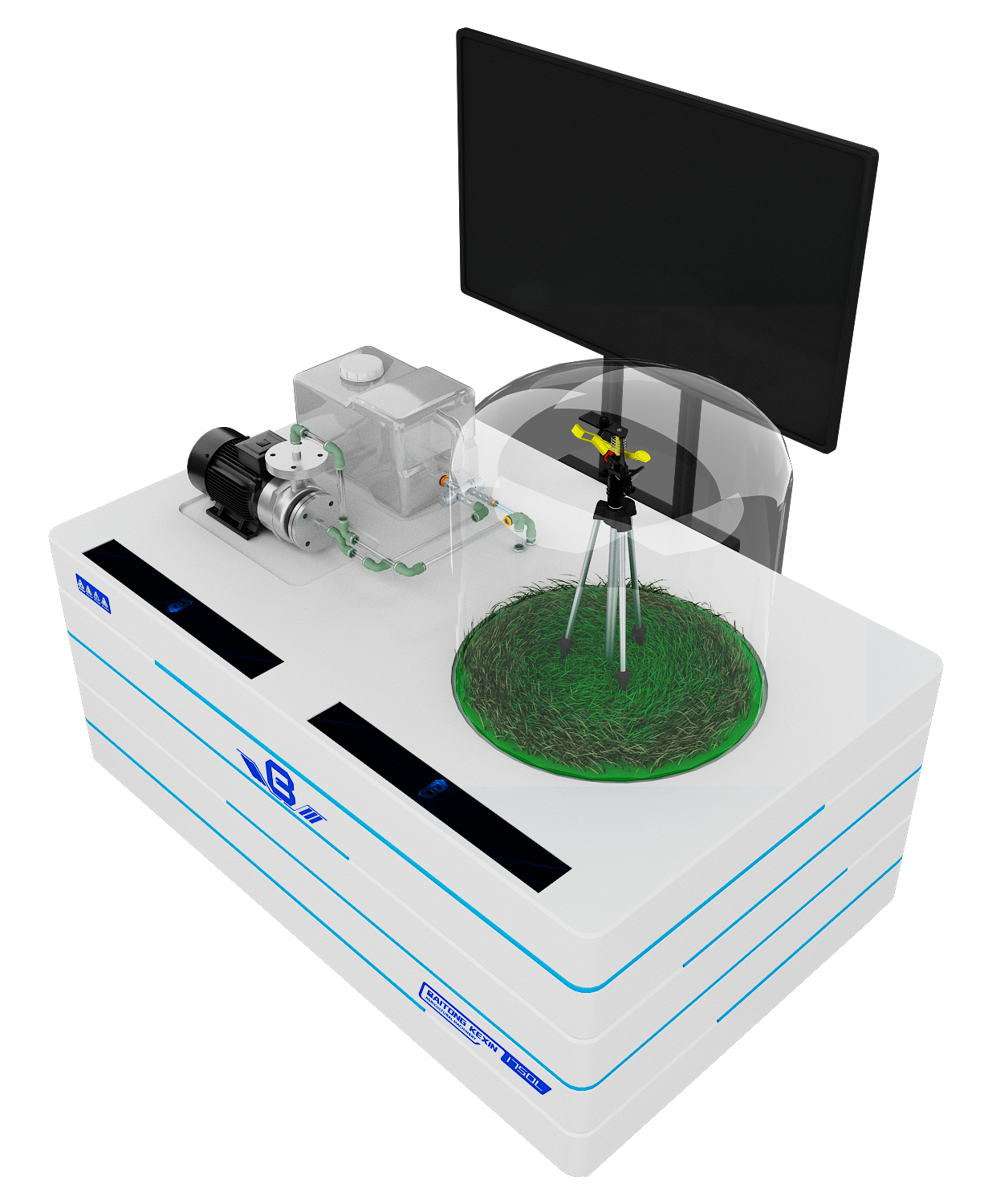
Agricultural Machinery Training
Explore water delivery, pressure adjustment and nozzle coverage through a contained sprinkler irrigation demonstration.
Agricultural Machinery Training
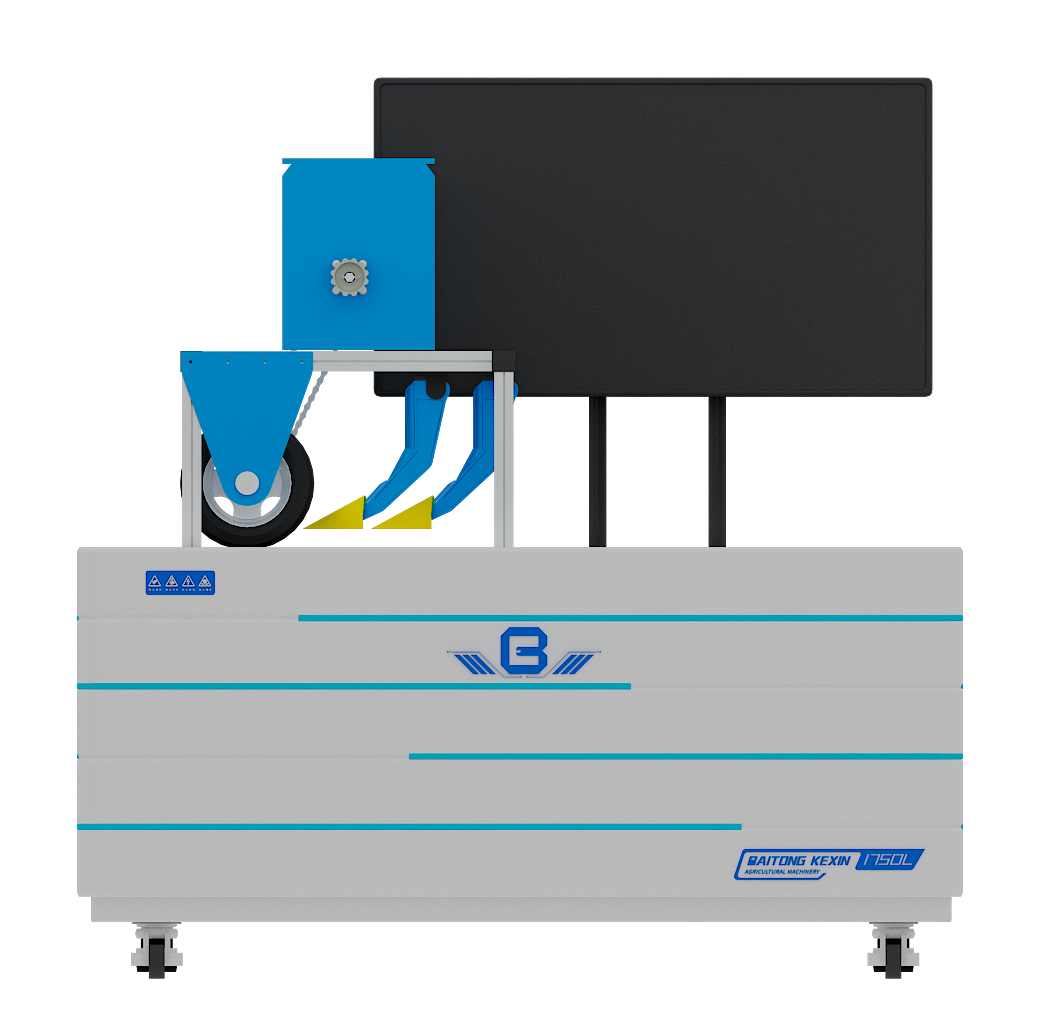
Study inter-row cultivation and fertilizer application through visible mechanisms and conveyor-based travel simulation.
Agricultural Machinery Training
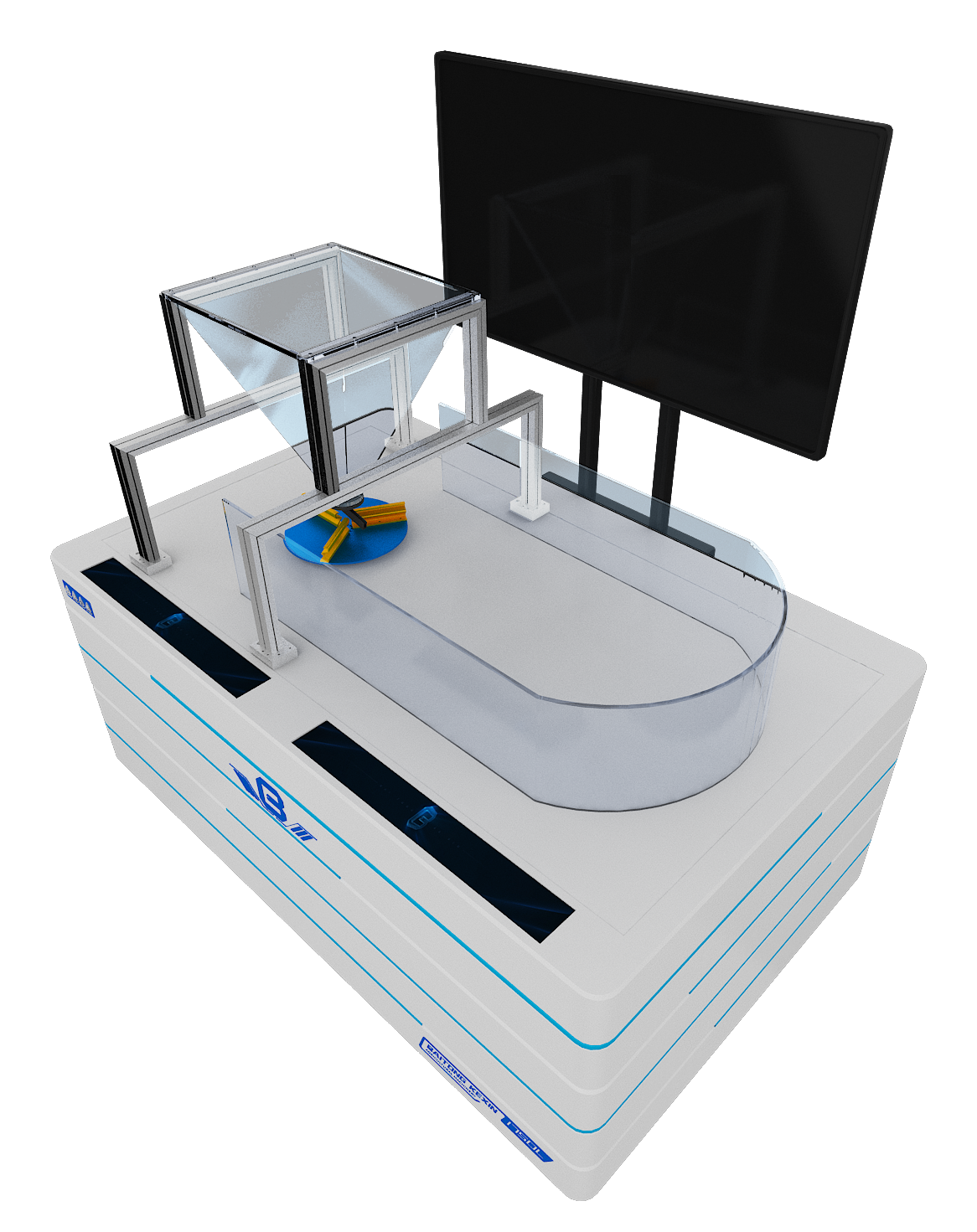
Explain how metered fertilizer feed and rotating-disc distribution work together in a spreading demonstration.
Agricultural Machinery Training
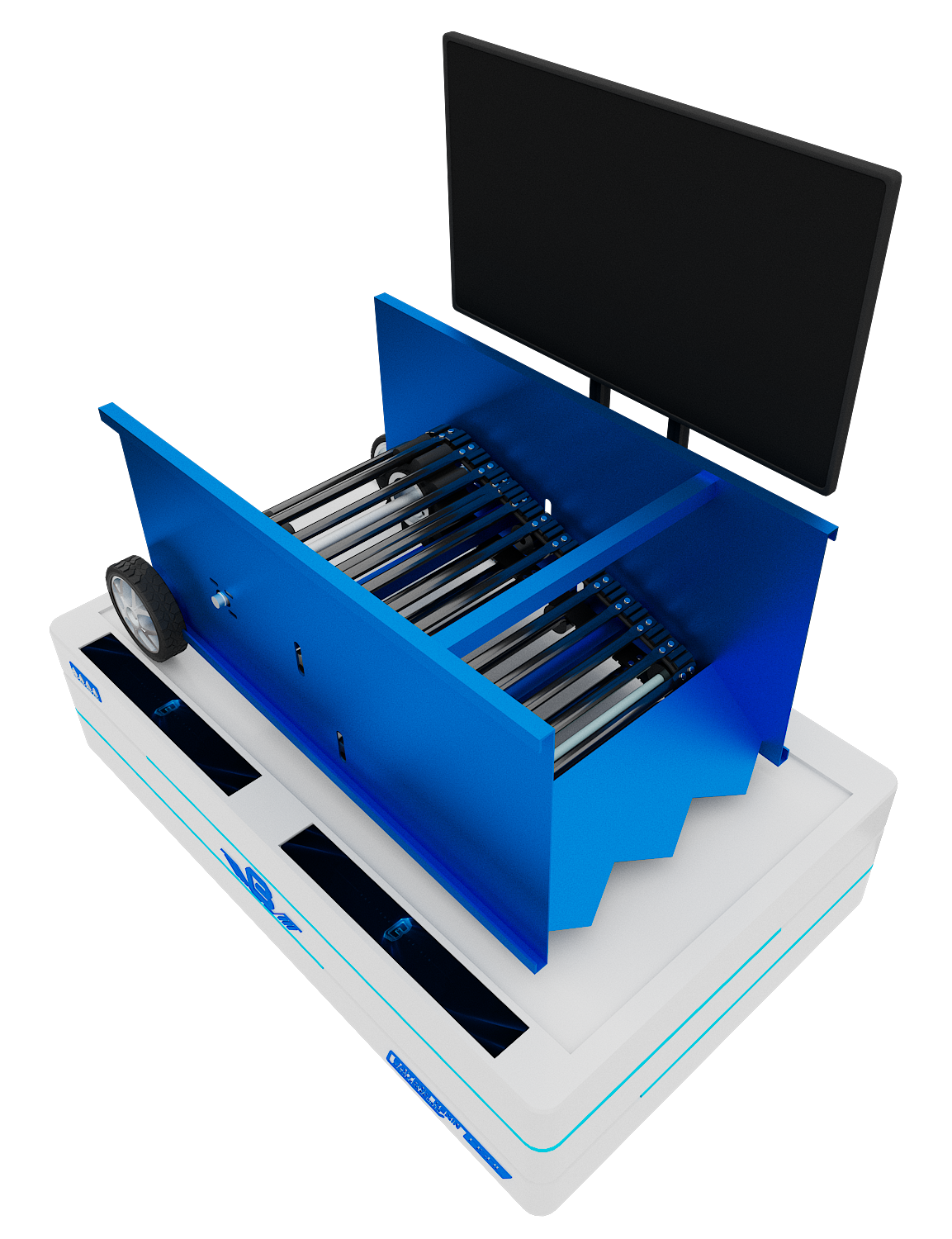
Demonstrate potato digging and separation through an electrically driven digging share and chain-web mechanism.
Agricultural Machinery Training
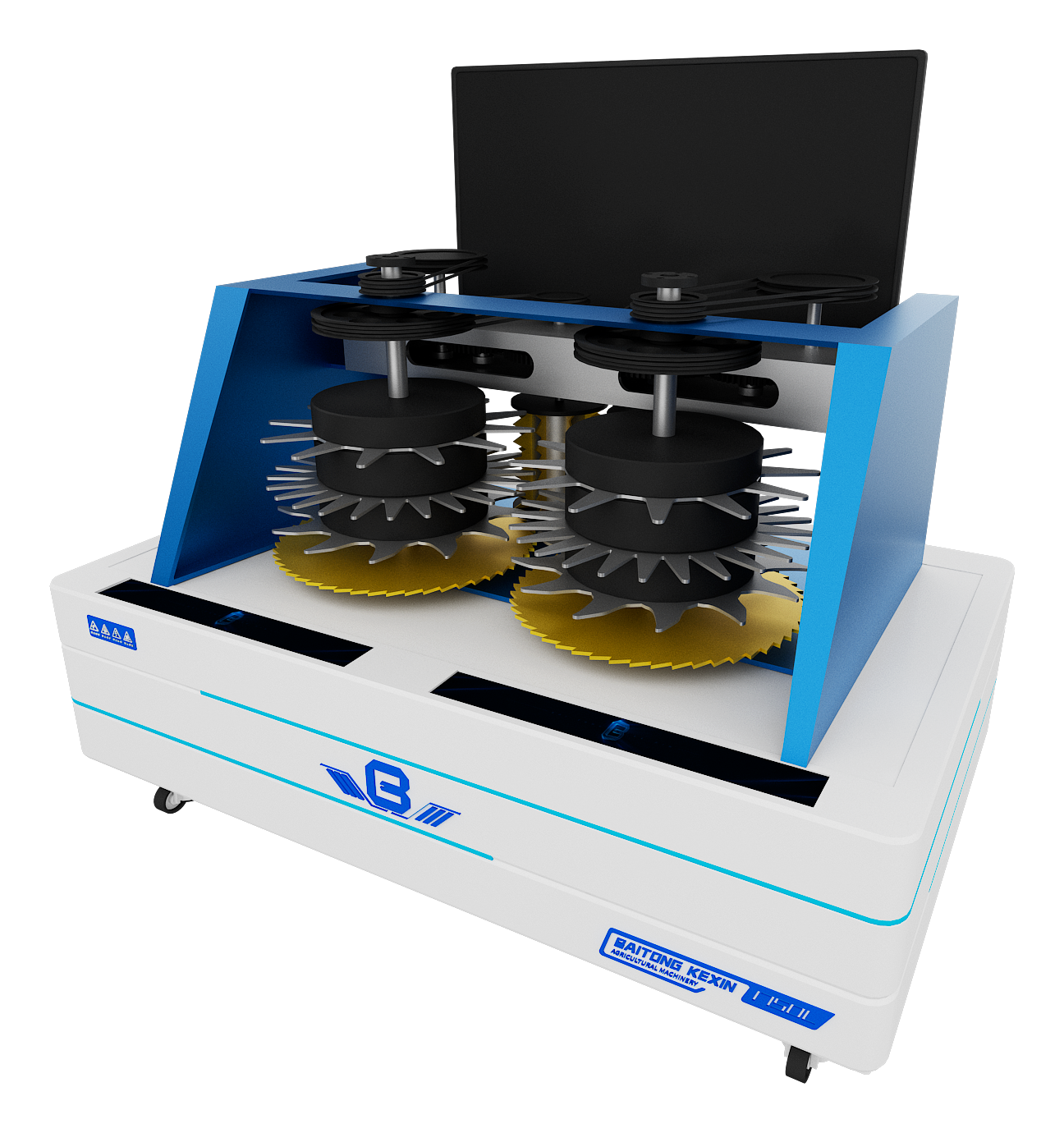
Explore crop intake and cutting mechanisms through an electrically driven forage harvester header demonstration.
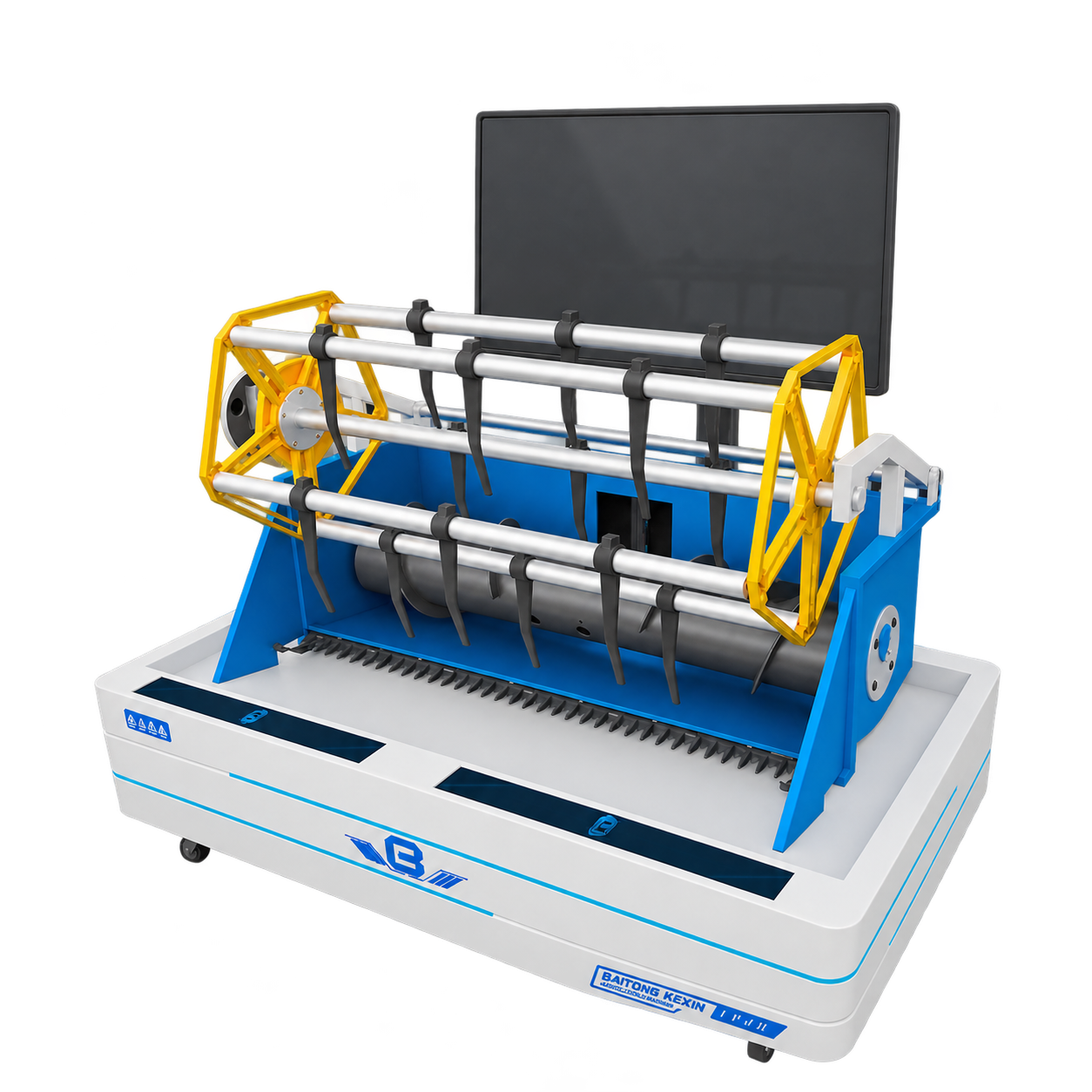
Agricultural Machinery Training
Demonstrate harvesting mechanisms through a powered reel, reciprocating cutter, auger and visible transmission system.
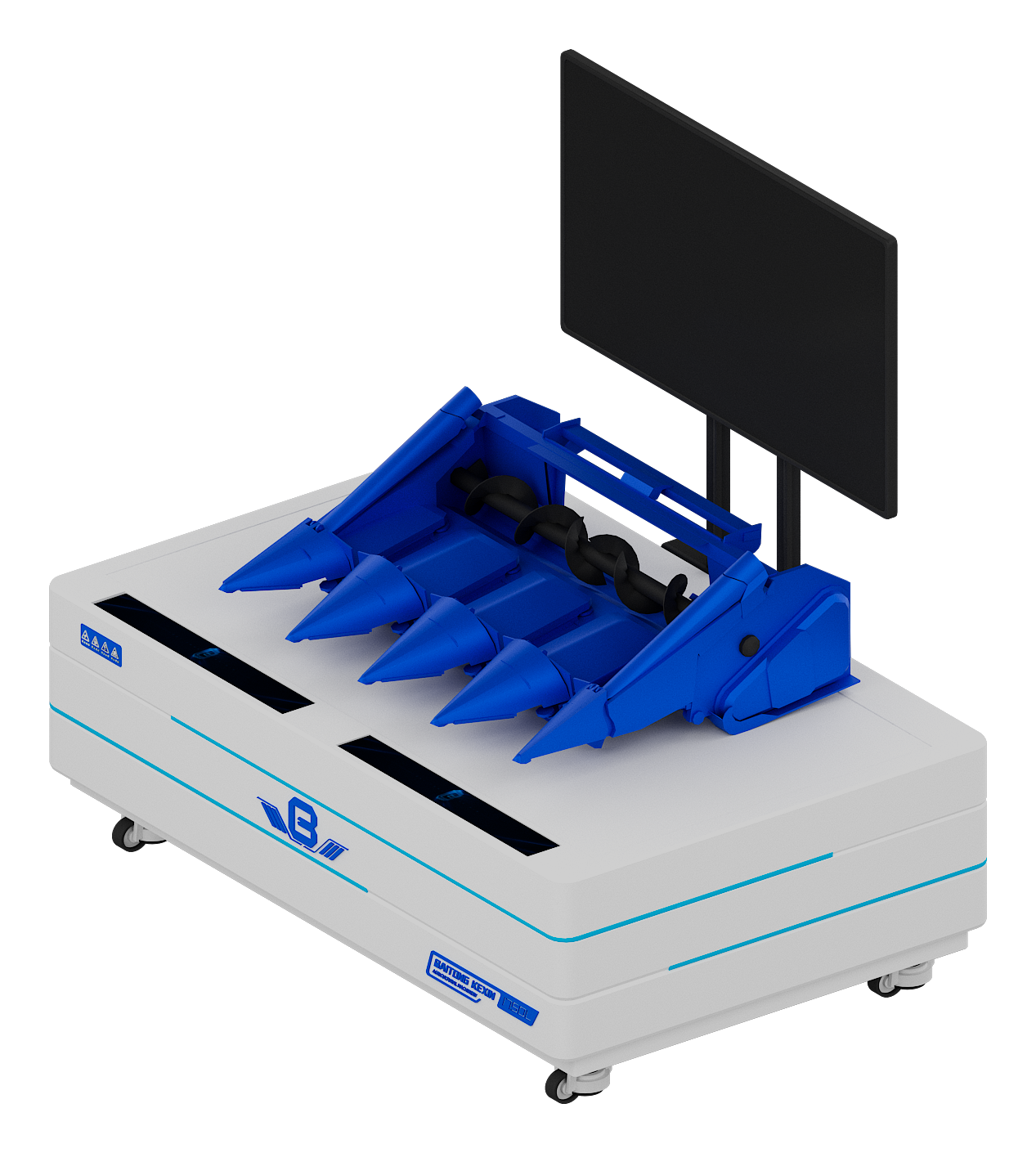
Agricultural Machinery Training
Study crop guidance, ear picking and material conveying through a dedicated maize-header teaching demonstration.
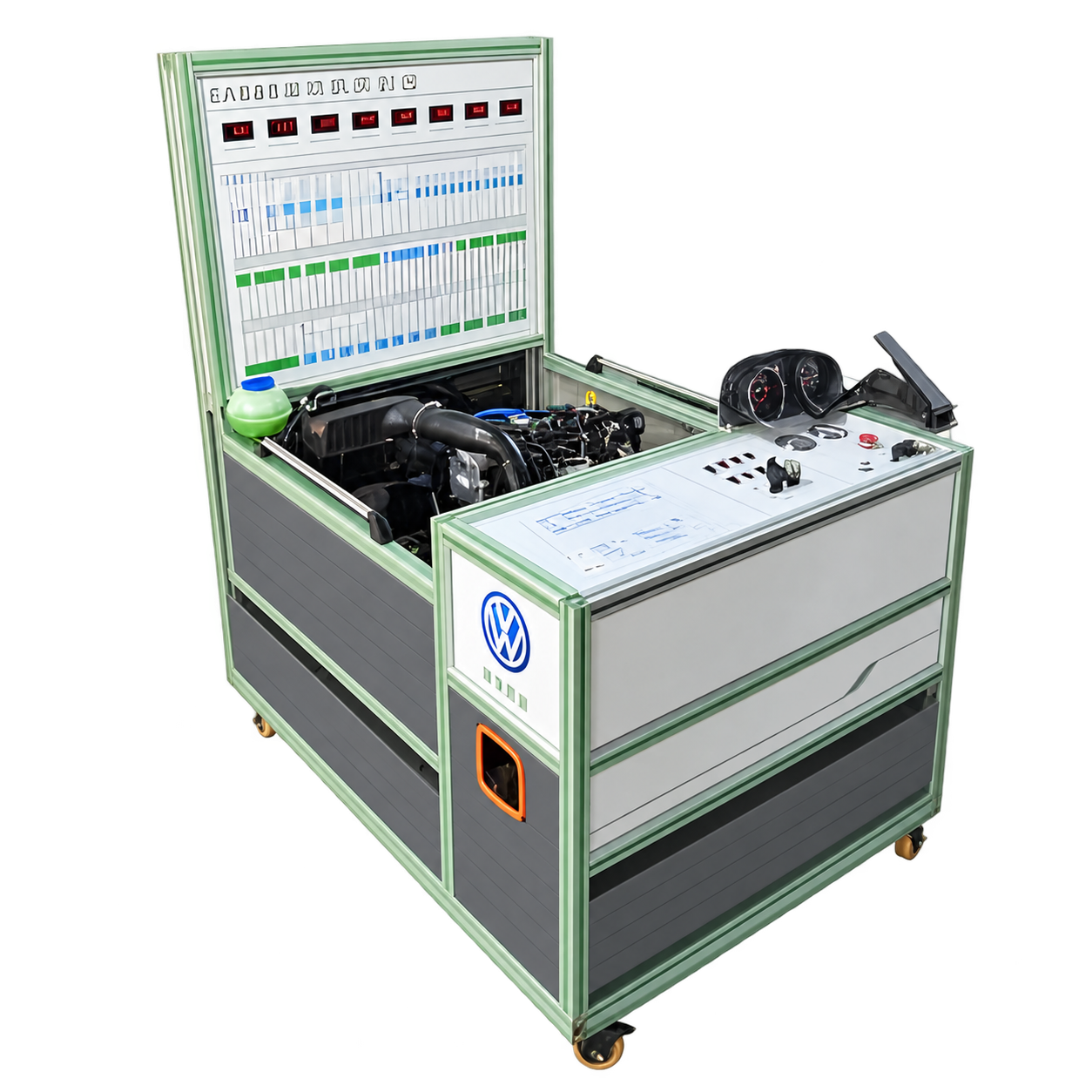
Engine Systems
Connect engine behavior with electronic control inputs and commanded outputs during a supported running demonstration.
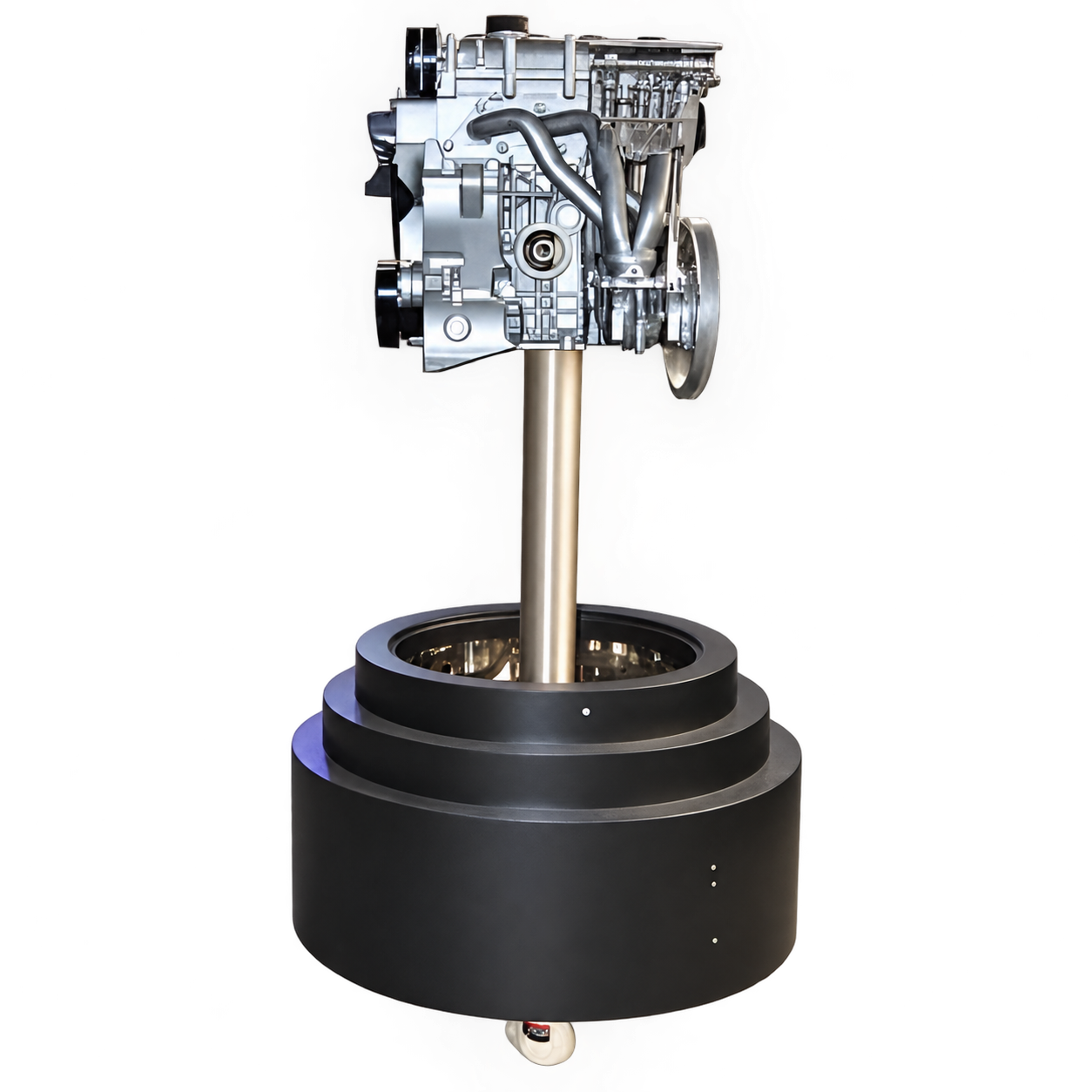
Engine Systems
Relate visible engine components and mechanical movement to the engine cycle through an operating cutaway.
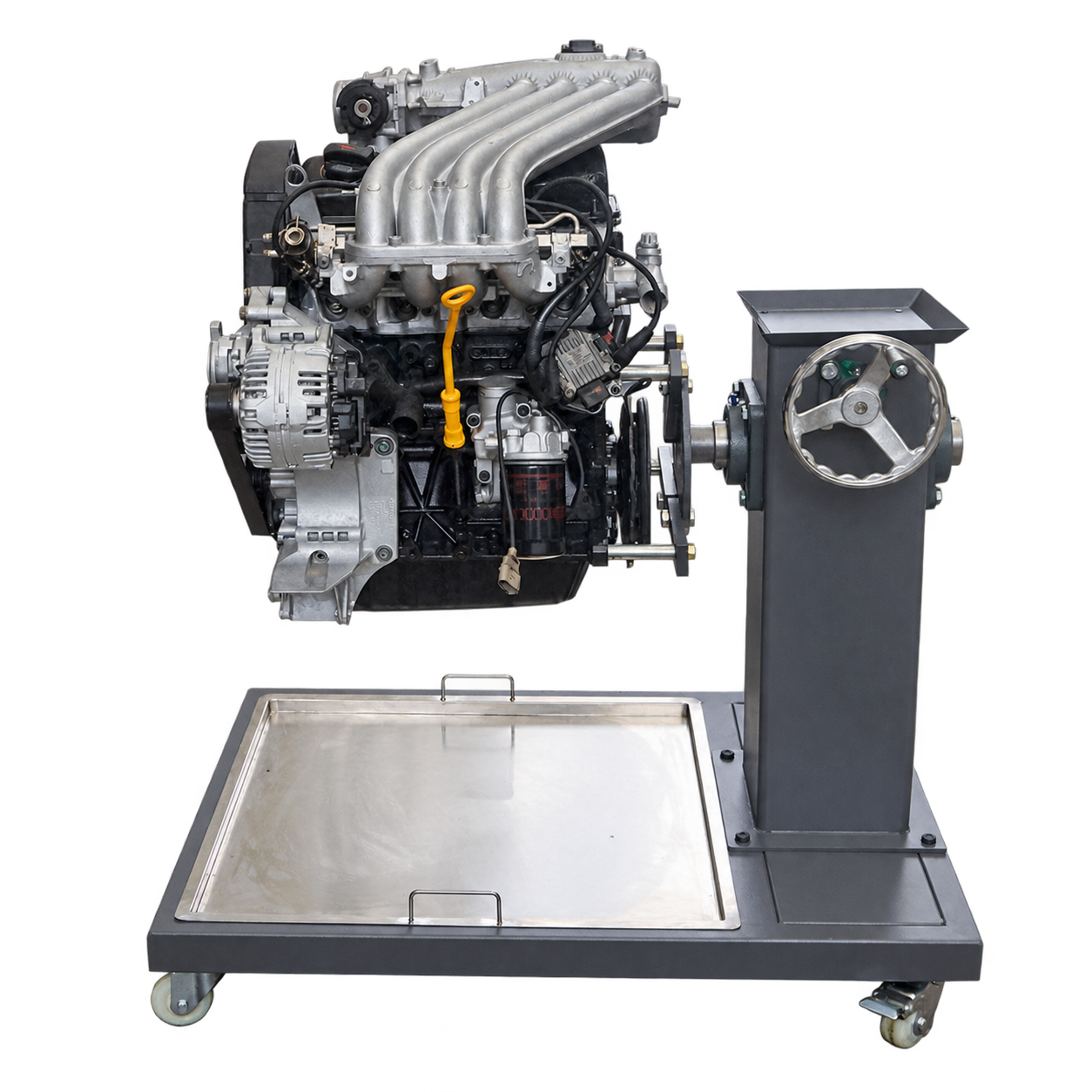
Engine Systems
Study engine construction and plan workshop access using a mounted assembly and its matching service information.
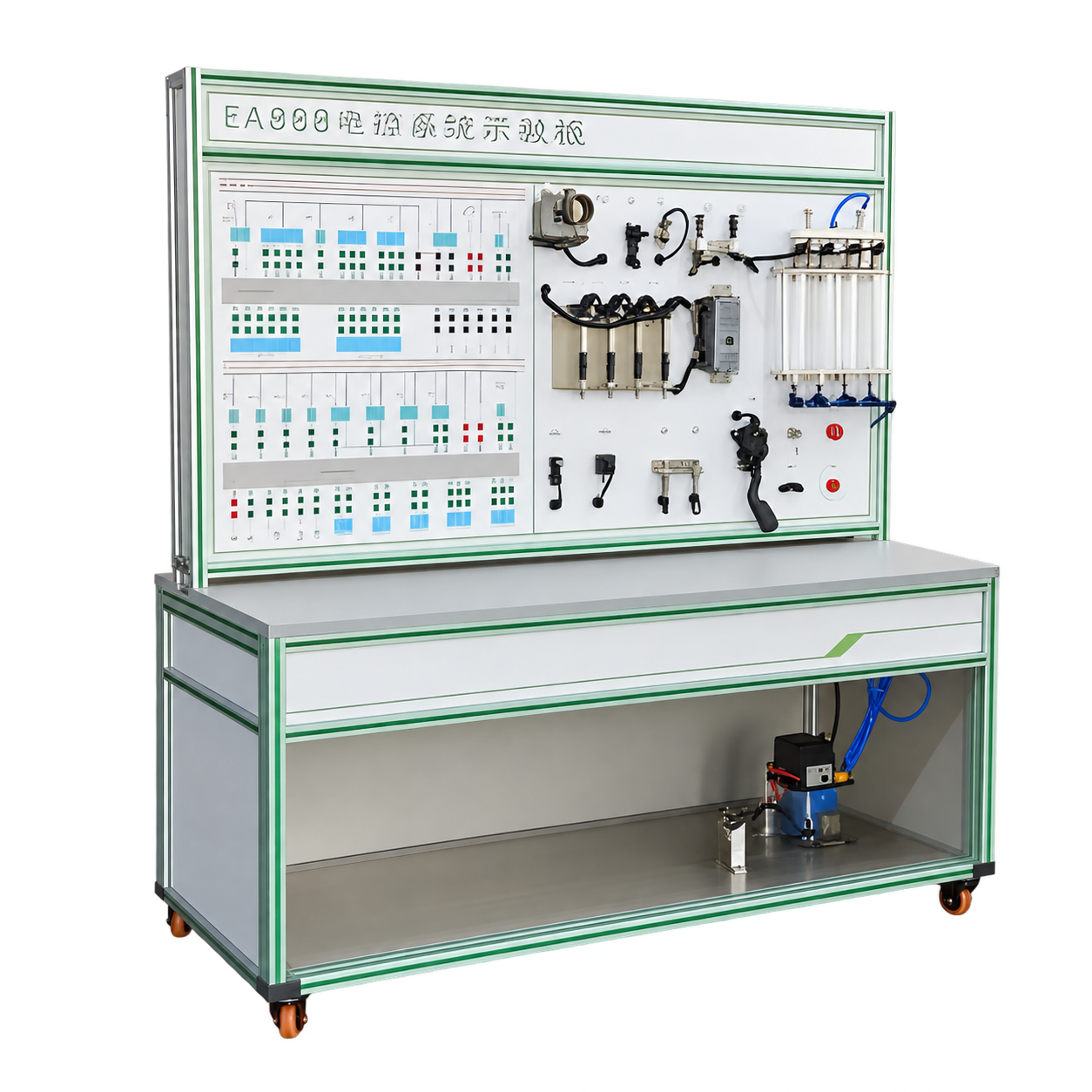
Engine Systems
Distinguish sensing inputs from commanded outputs and map their relationships within the selected engine-control system.
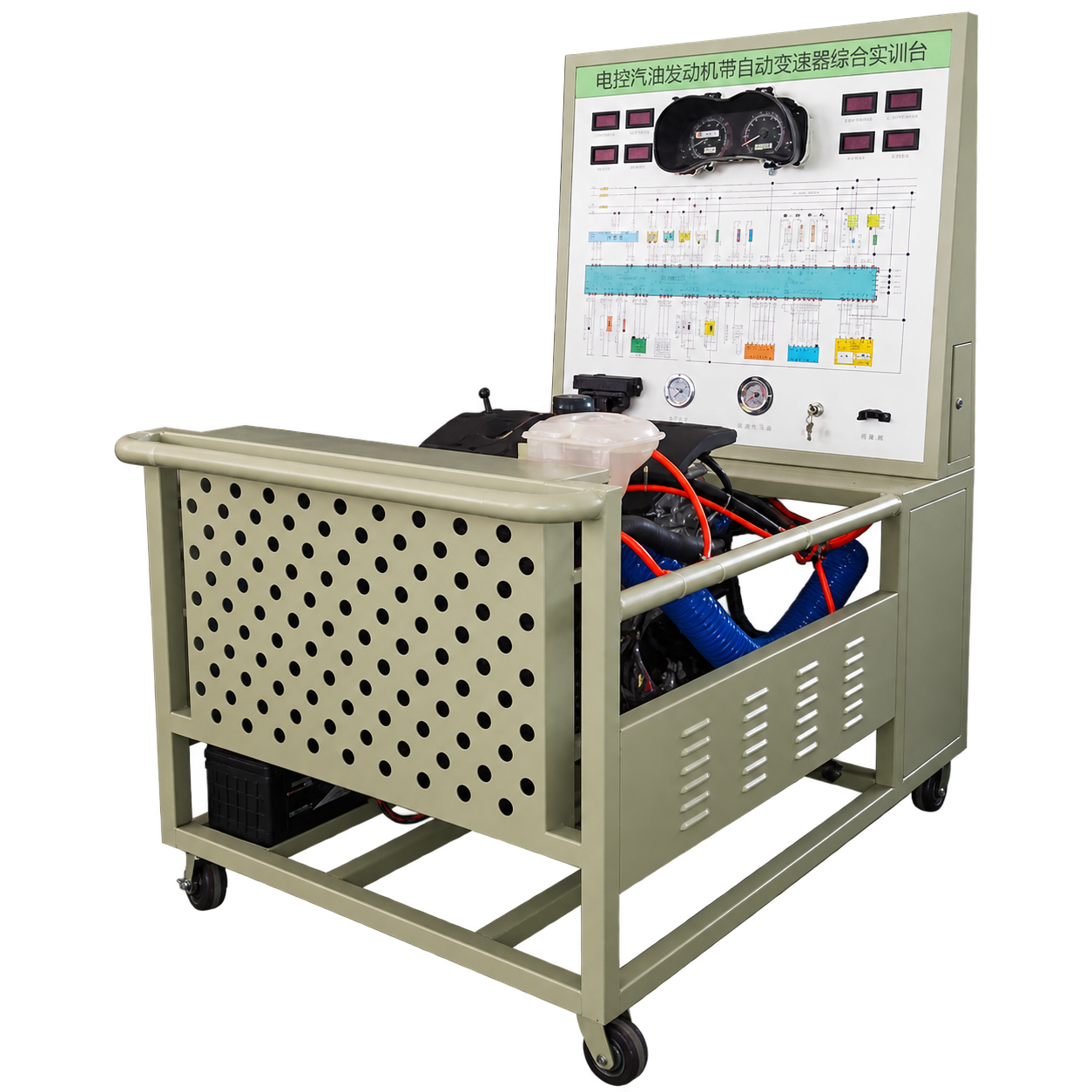
Chassis Systems
Explain engine and transmission interaction by tracing the connections and supported operation of a combined powertrain.
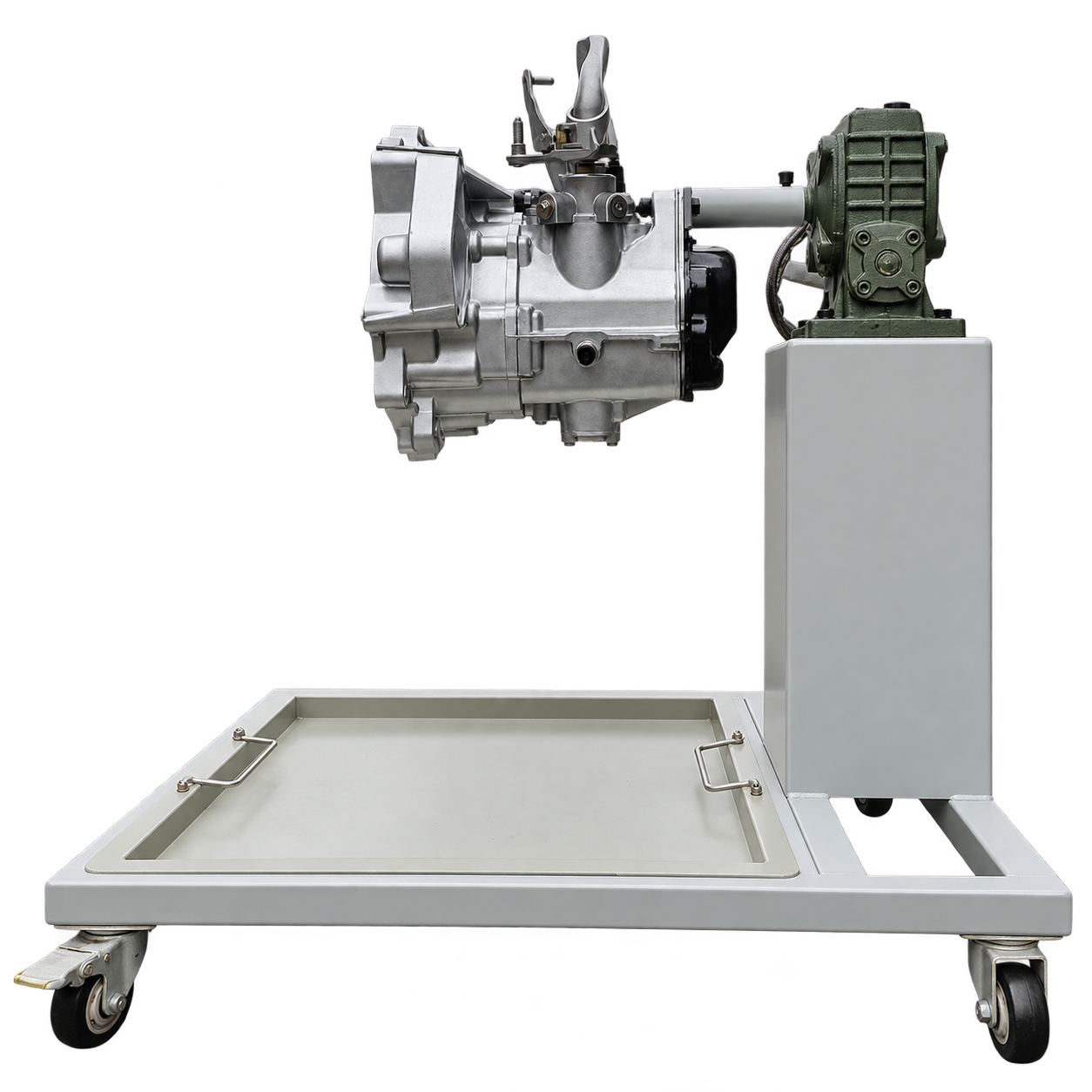
Chassis Systems
Study gearbox construction, trace gear power paths and plan workshop access on a mounted transmission assembly.
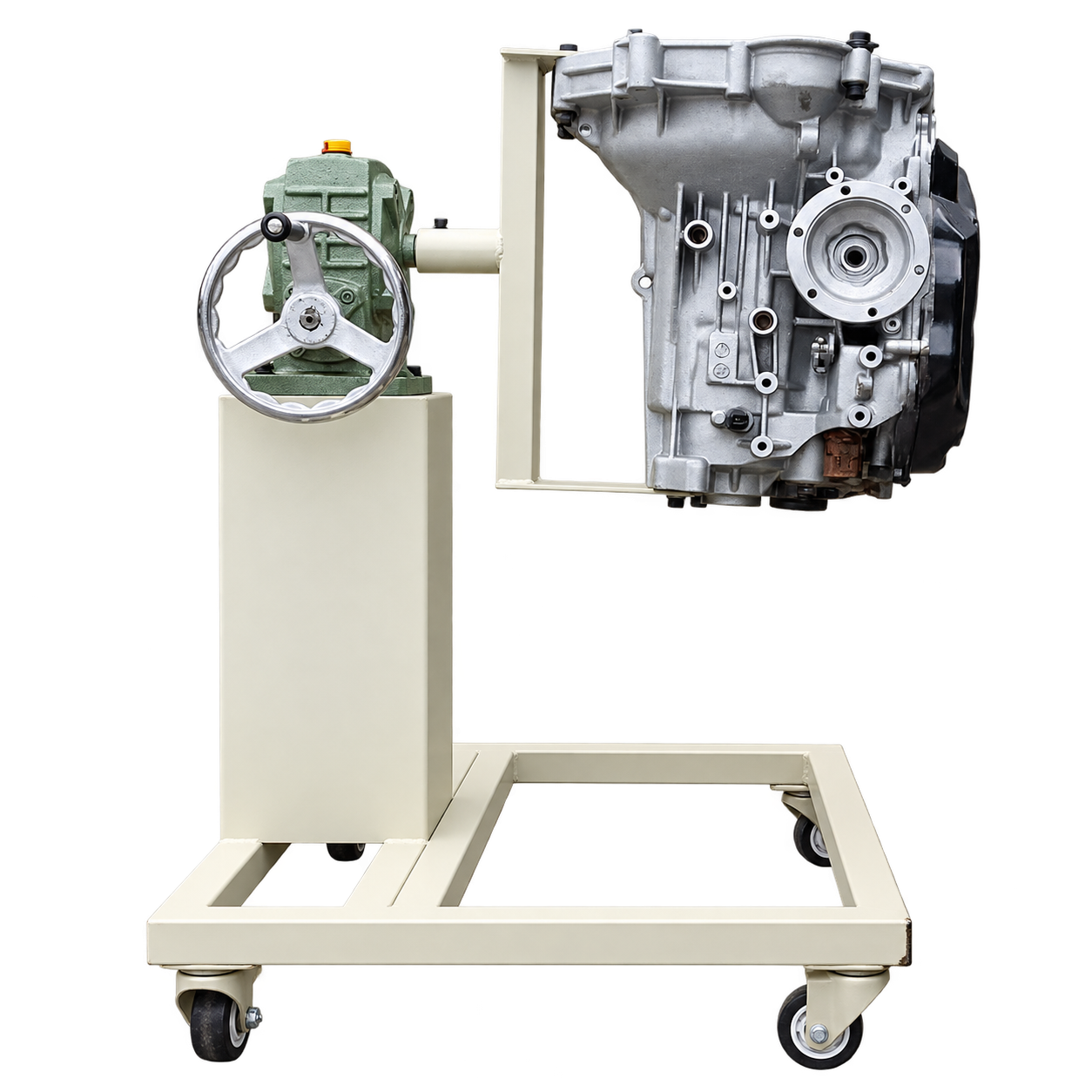
Chassis Systems
Explore component relationships in a mounted transmission assembly and plan permitted workshop access.
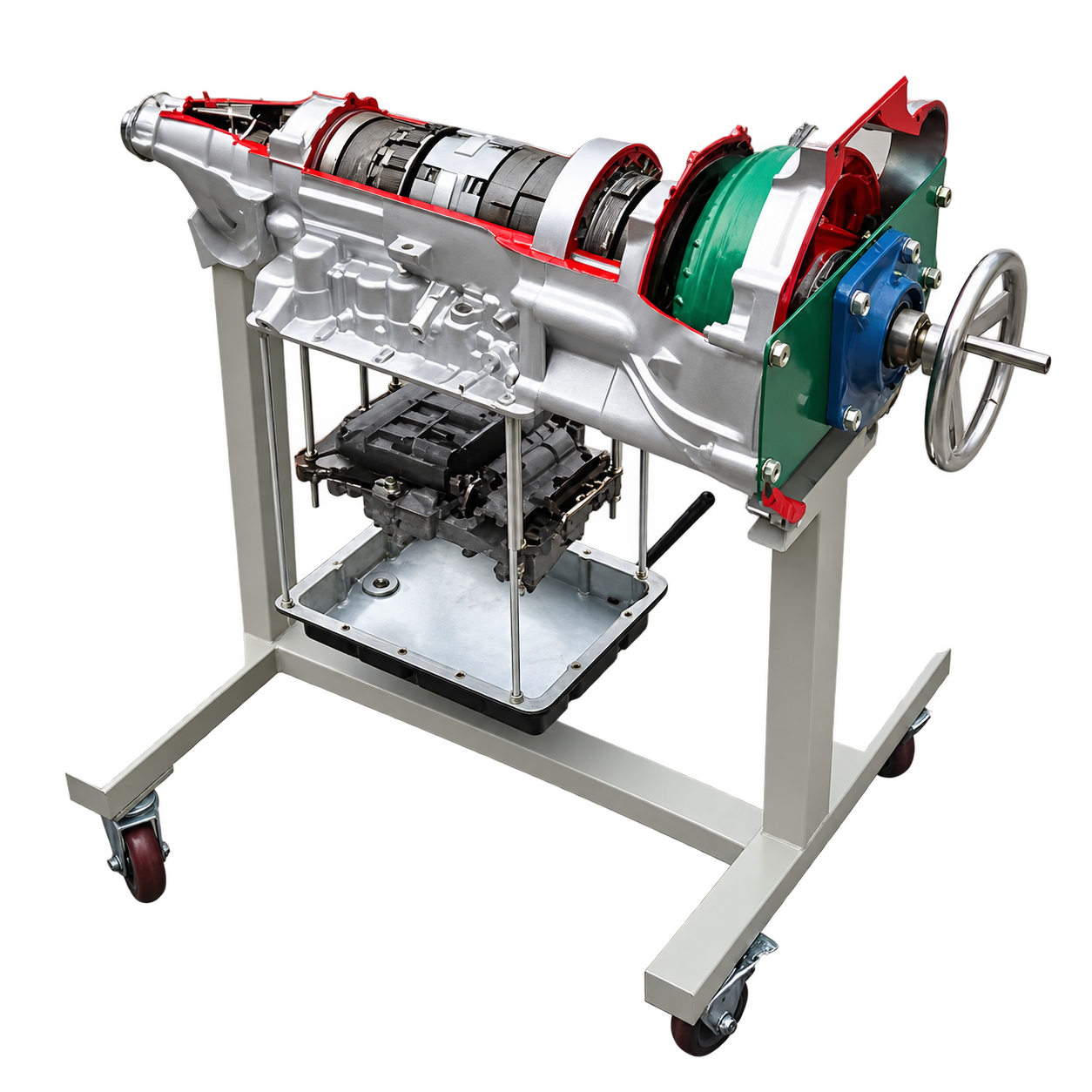
Chassis Systems
Trace demonstrated gear engagement and power flow through the visible components of an operating cutaway.
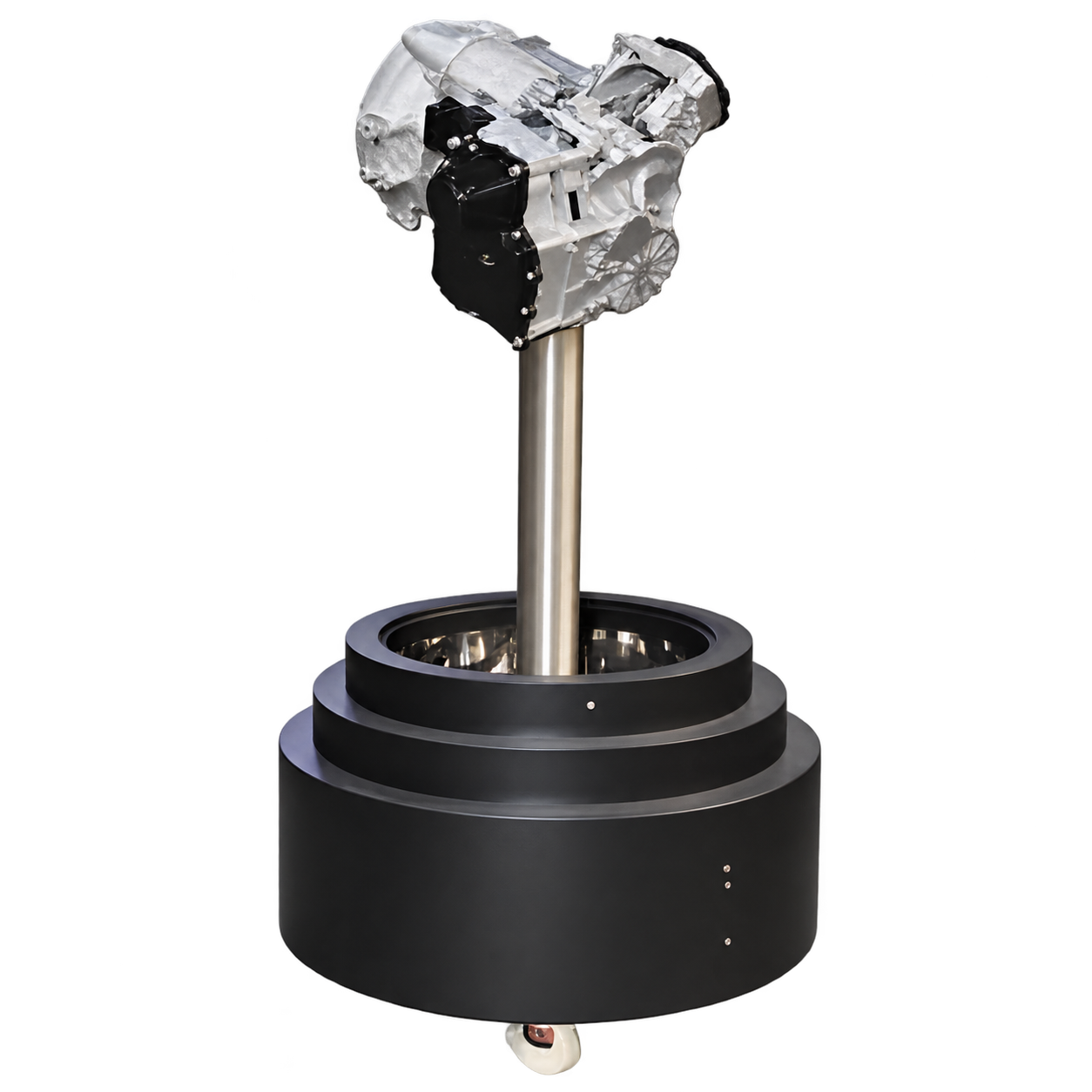
Chassis Systems
Relate internal transmission arrangement to visible movement using a cutaway matched to the selected architecture.
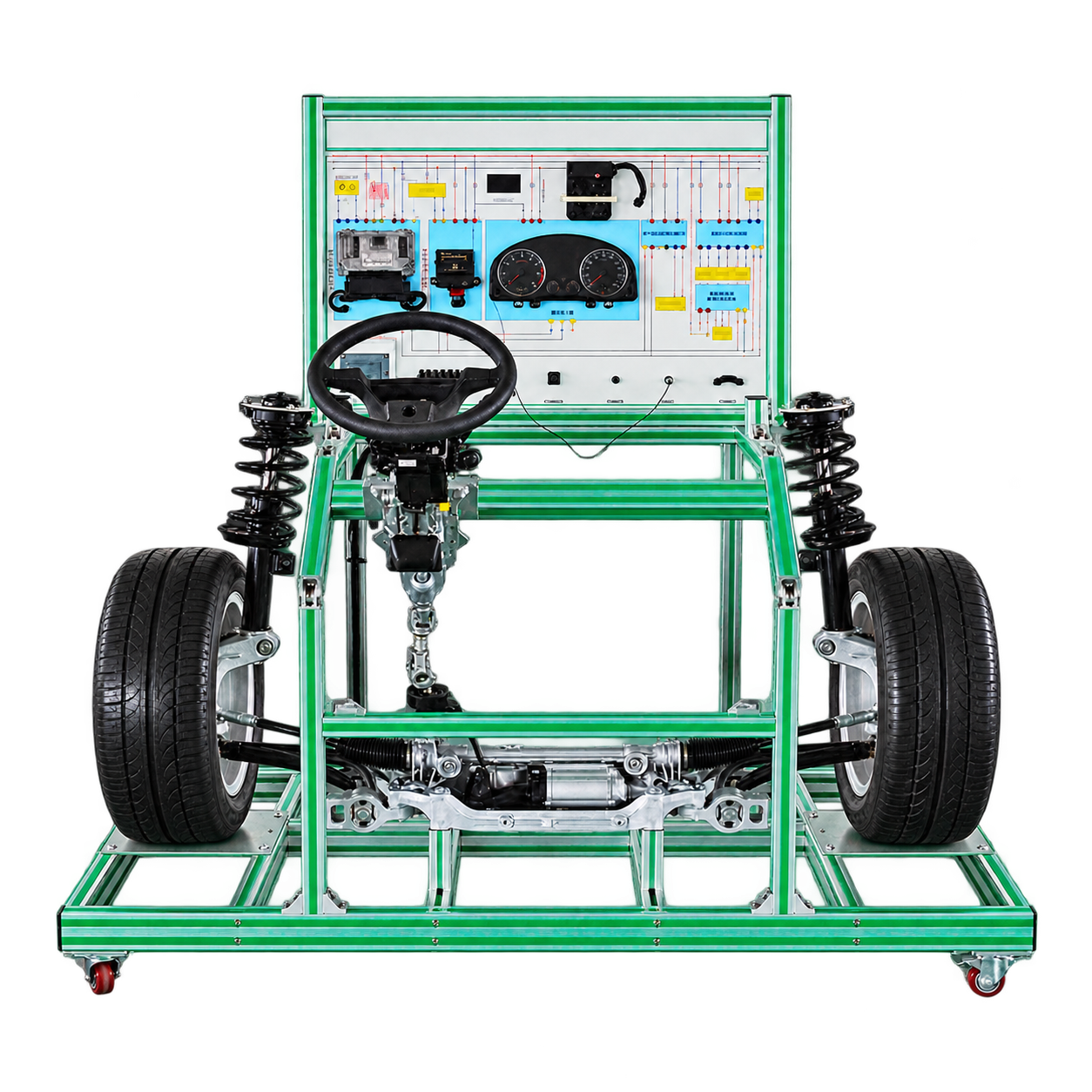
Chassis Systems
Connect steering inputs with wheel guidance and suspension support through the selected chassis arrangement.
Chassis Systems
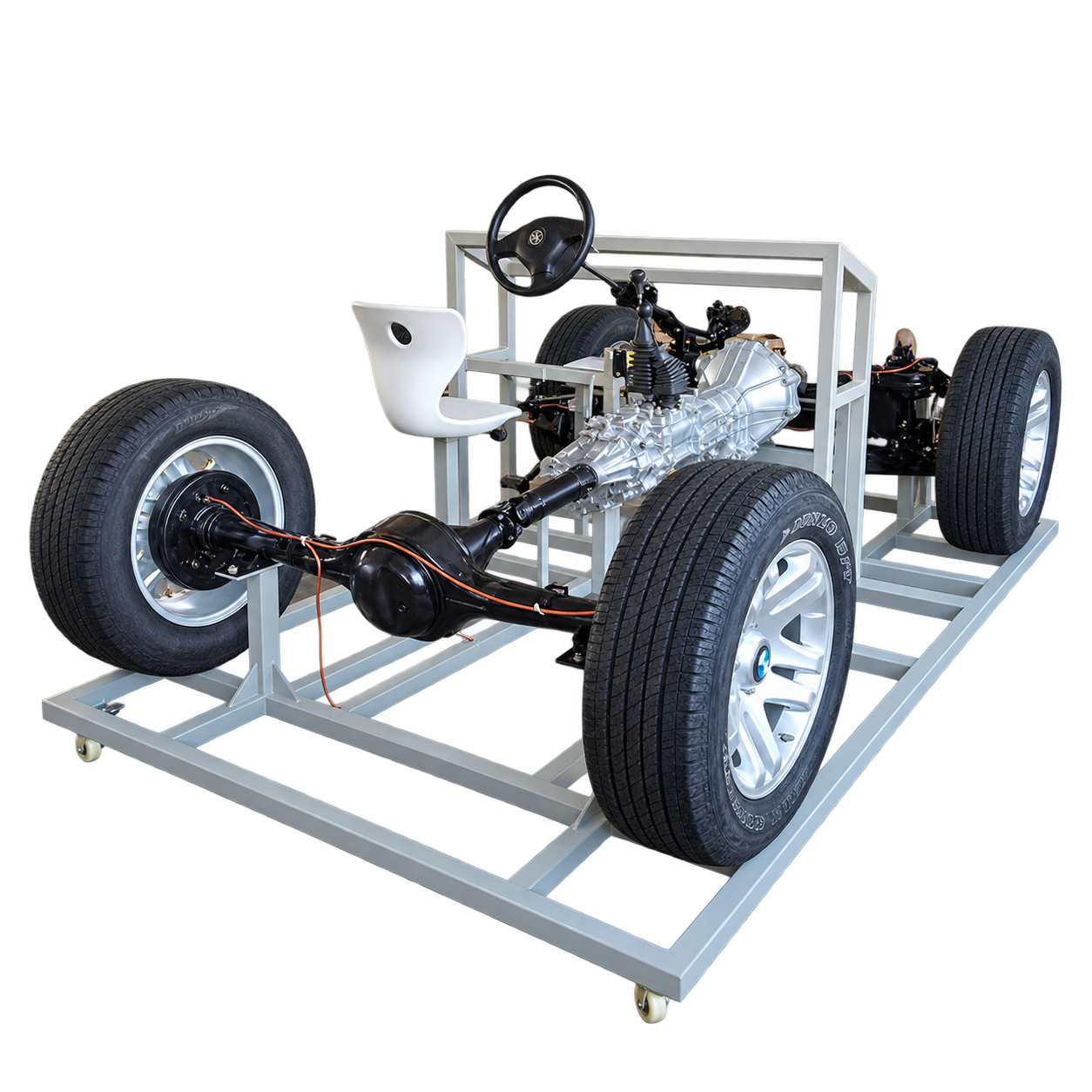
Trace how drive reaches the wheels by connecting visible driveline components with the vehicle's power path.
Chassis Systems
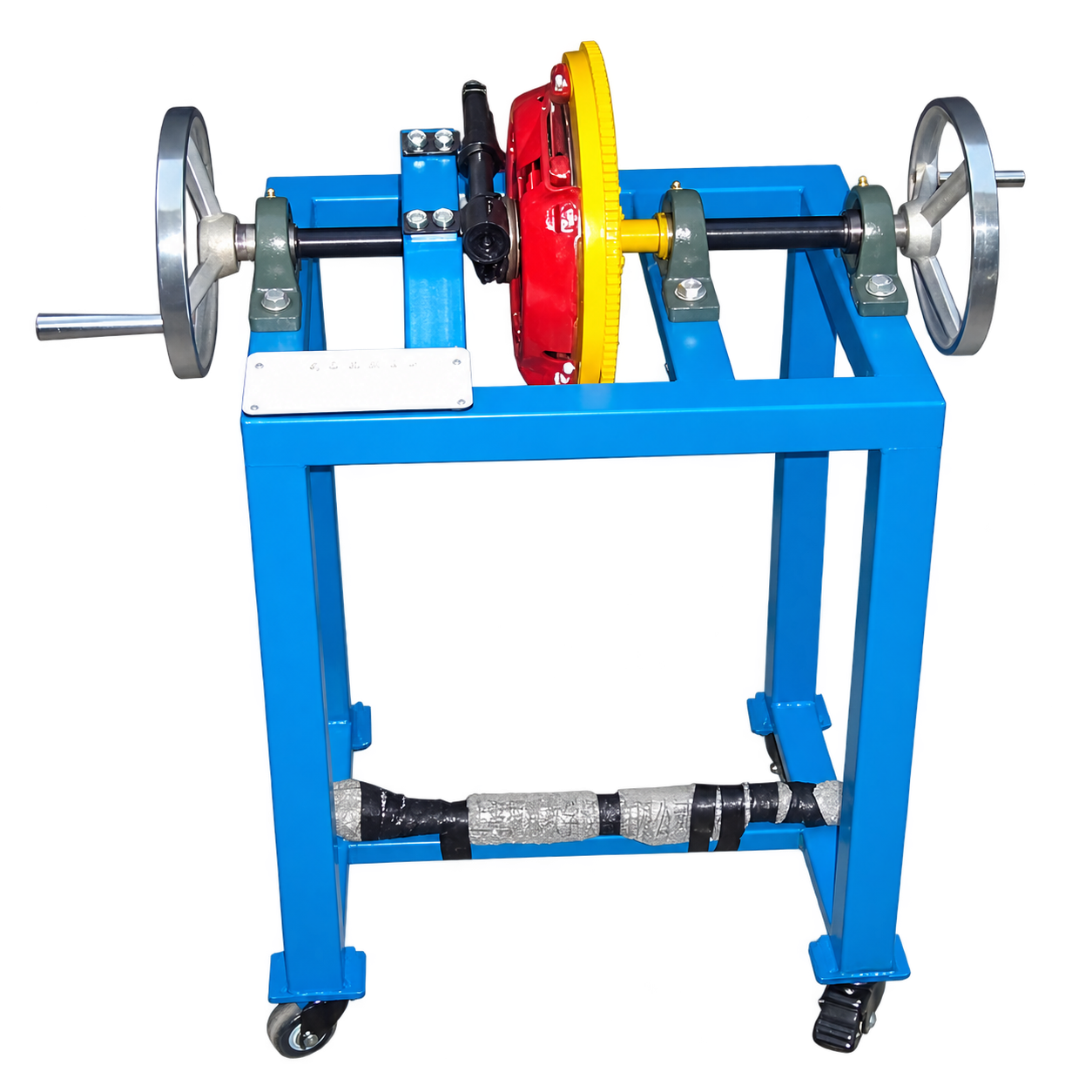
Explain how clutch engagement and release connect or interrupt drive between the engine and transmission.
Chassis Systems
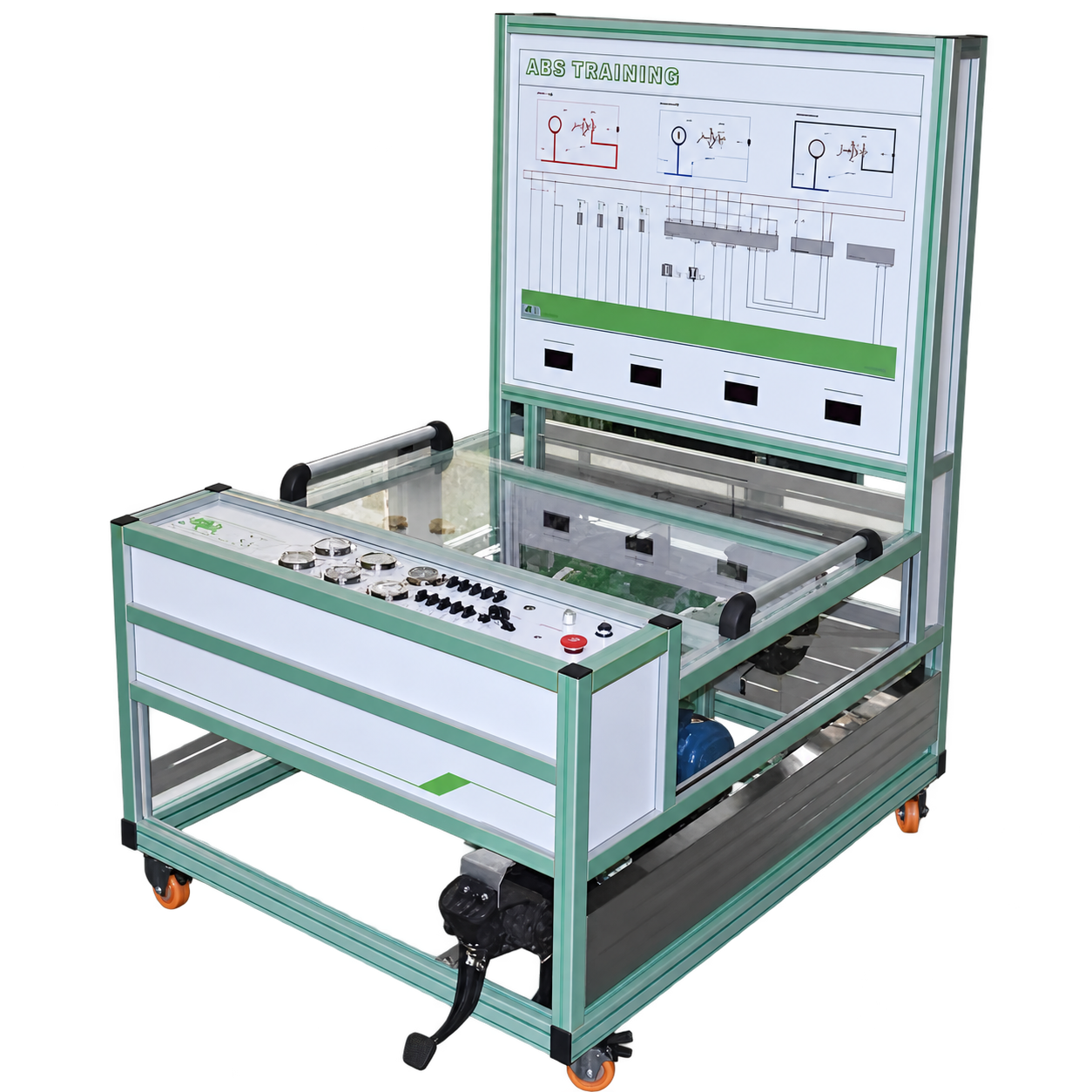
Trace a braking request through component relationships and develop an inspection plan for the selected system.
Chassis Systems
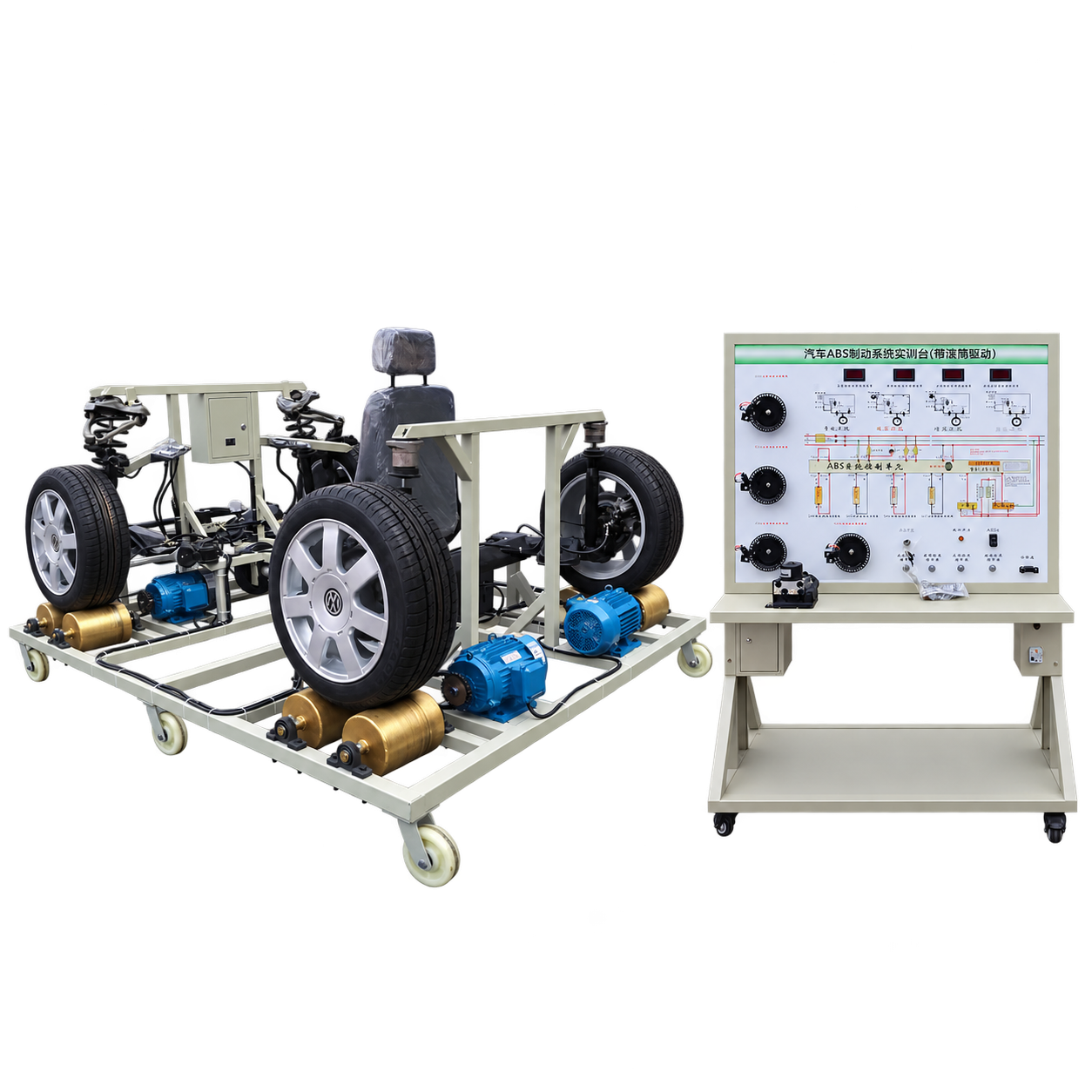
Relate wheel-behavior information to ABS control decisions while distinguishing intervention from conventional braking.
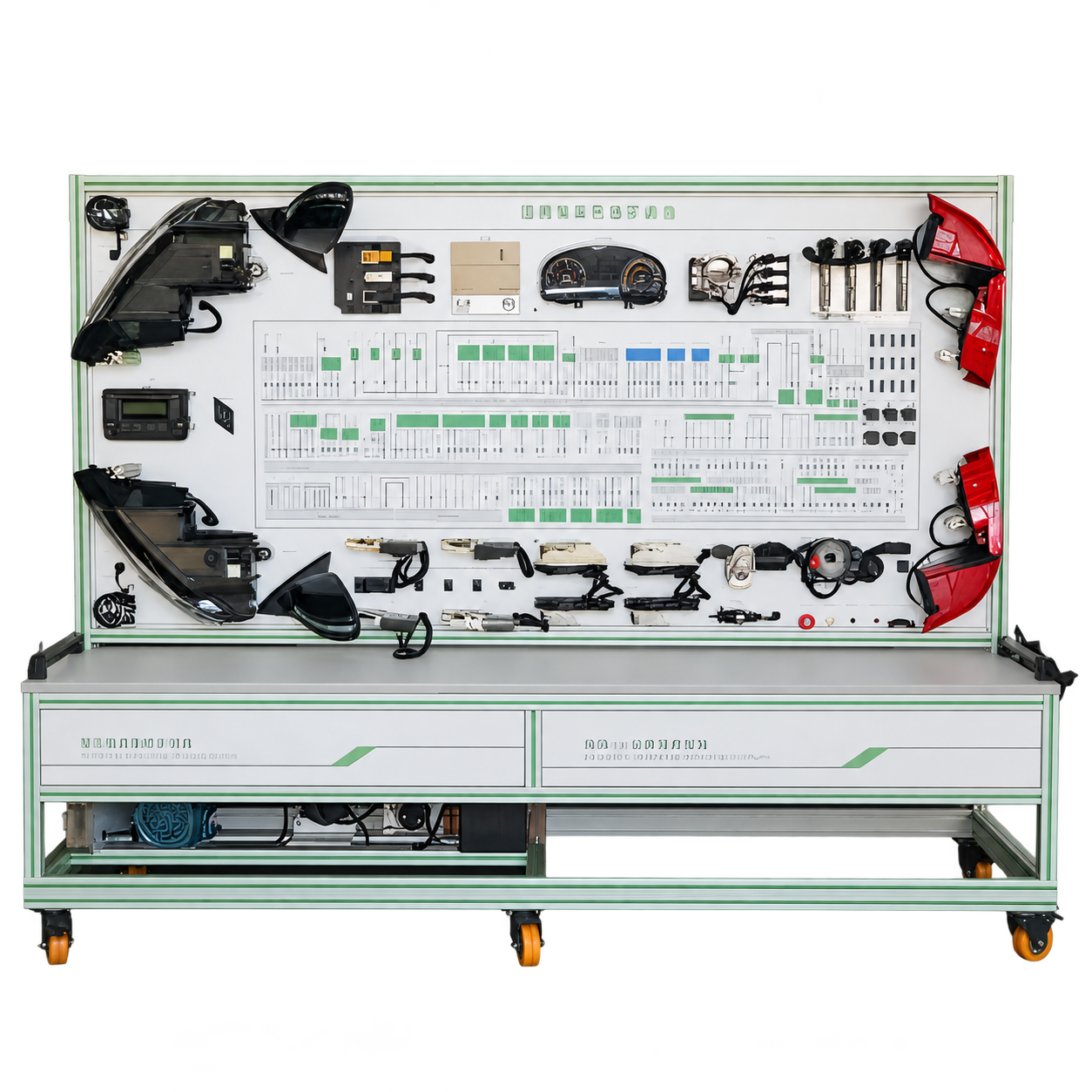
Vehicle Electrical Systems
Explore shared supplies, protection elements and circuit relationships across the fitted vehicle electrical systems.
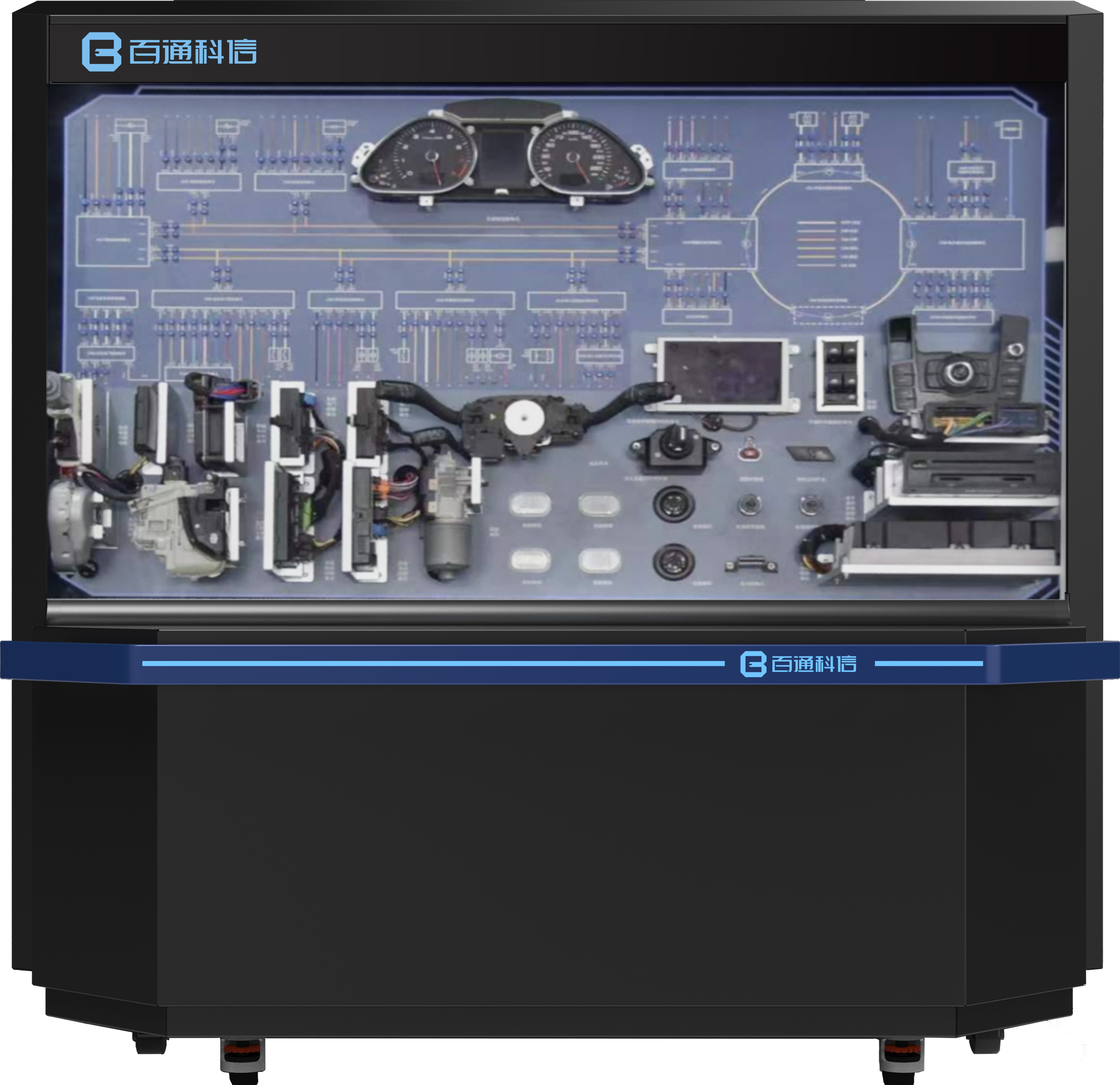
Vehicle Electrical Systems
Map communication between vehicle control units and trace the network relationships supporting a documented function.
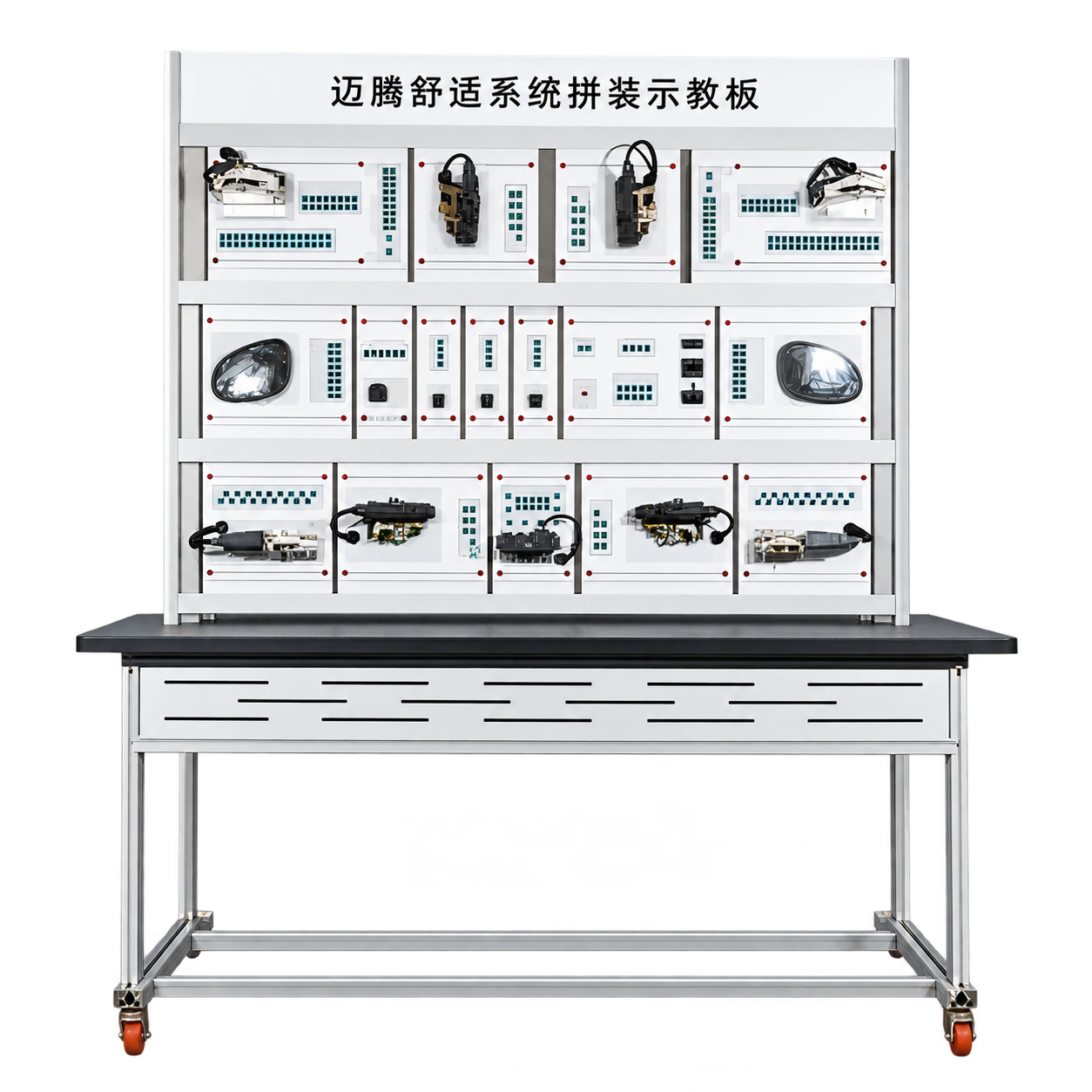
Vehicle Electrical Systems
Follow user requests through comfort-function controls and explain the expected response of the fitted components.
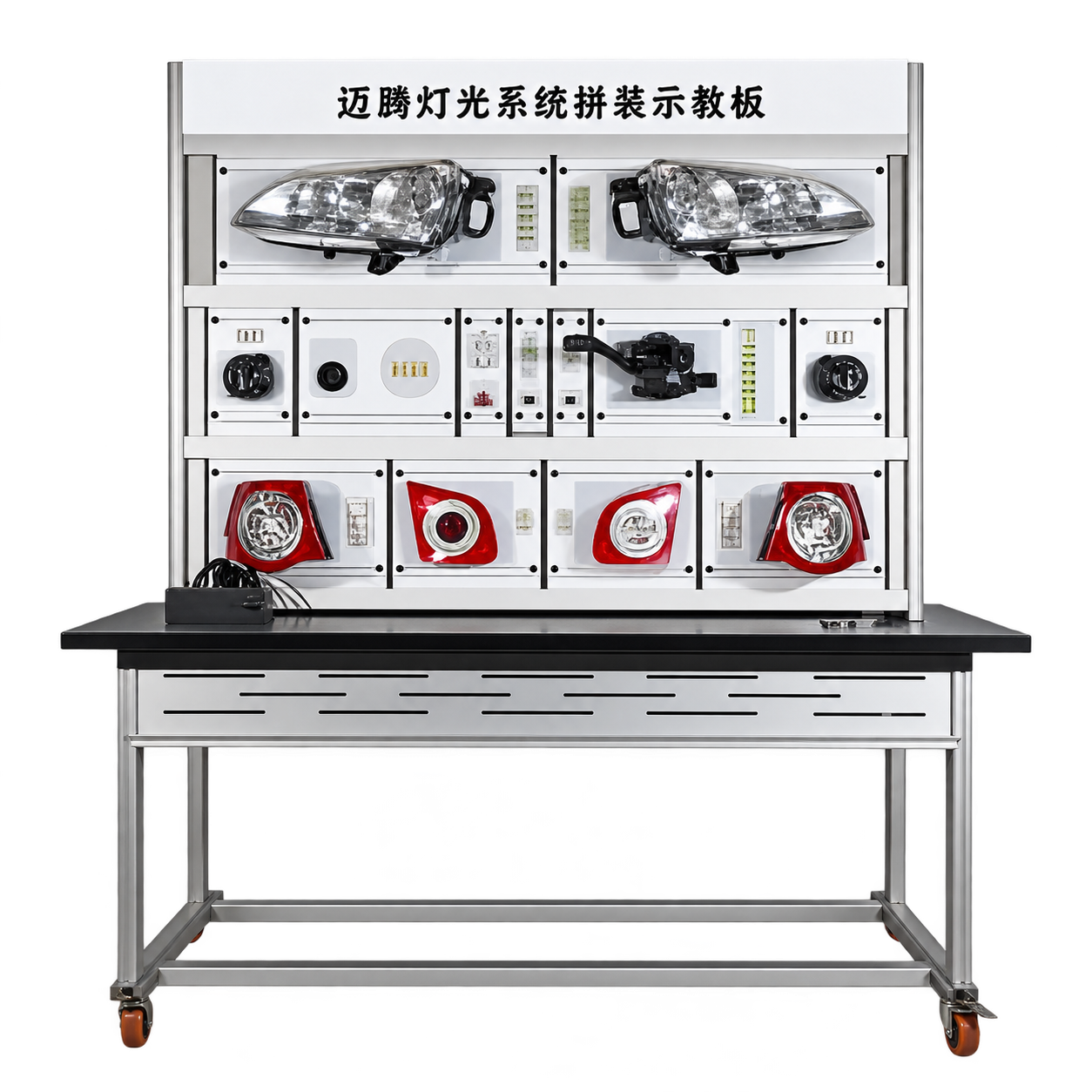
Vehicle Electrical Systems
Trace lighting requests through their control circuits and relate them to the expected lamp response.
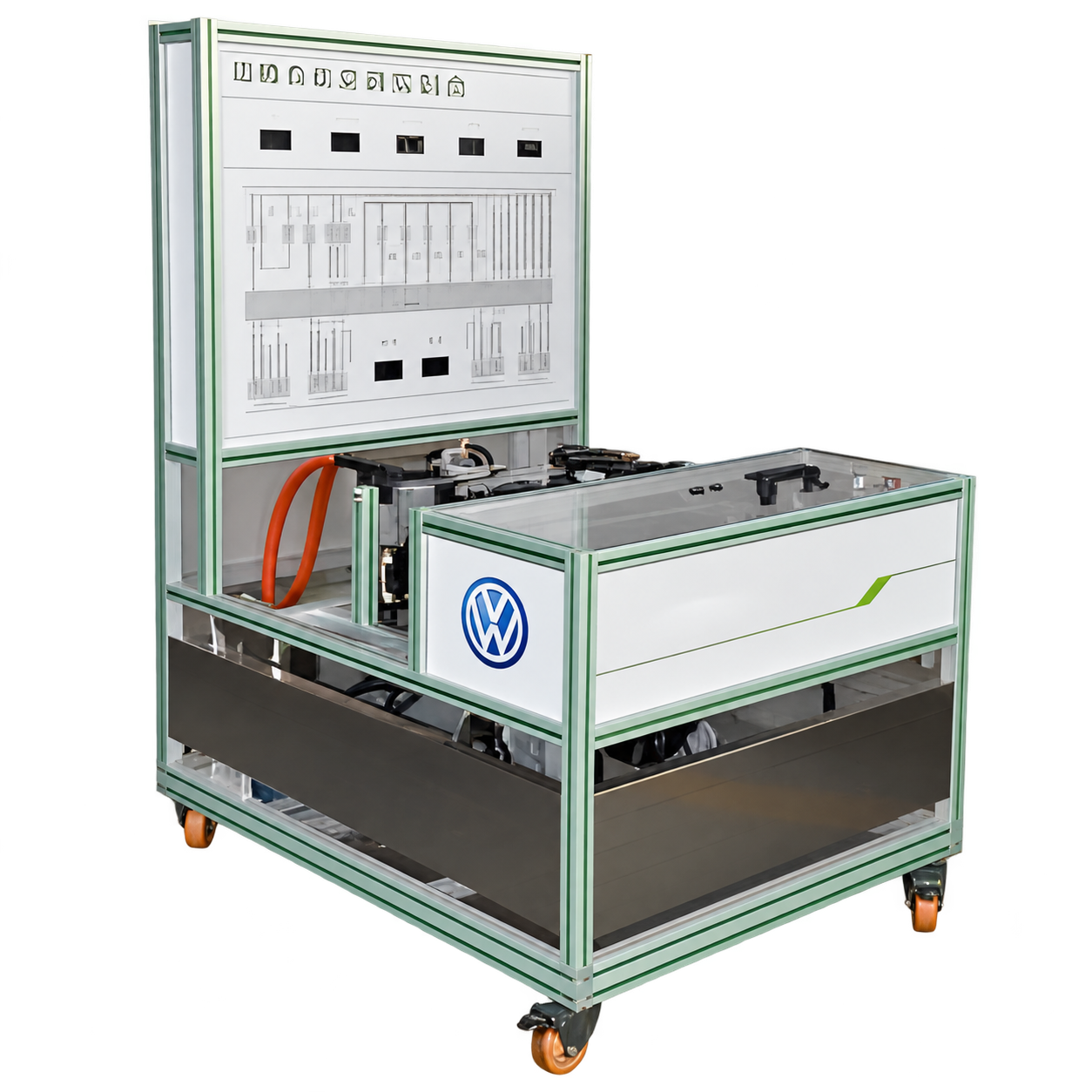
Vehicle Electrical Systems
Relate requested cabin conditions to automatic control decisions and the response of the selected climate system.
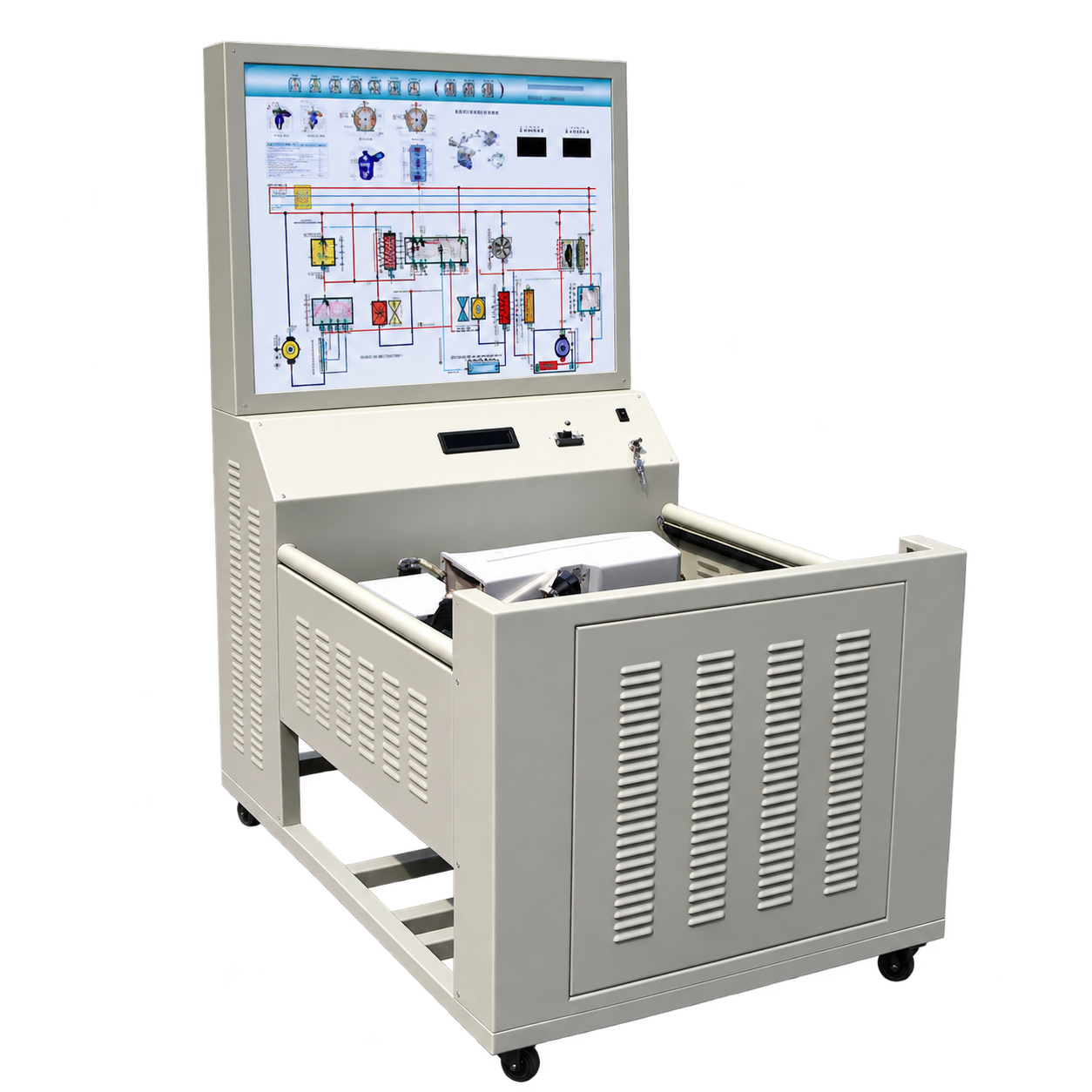
Vehicle Electrical Systems
Follow driver-operated controls to cooling and ventilation requests through the selected system's documented layout.
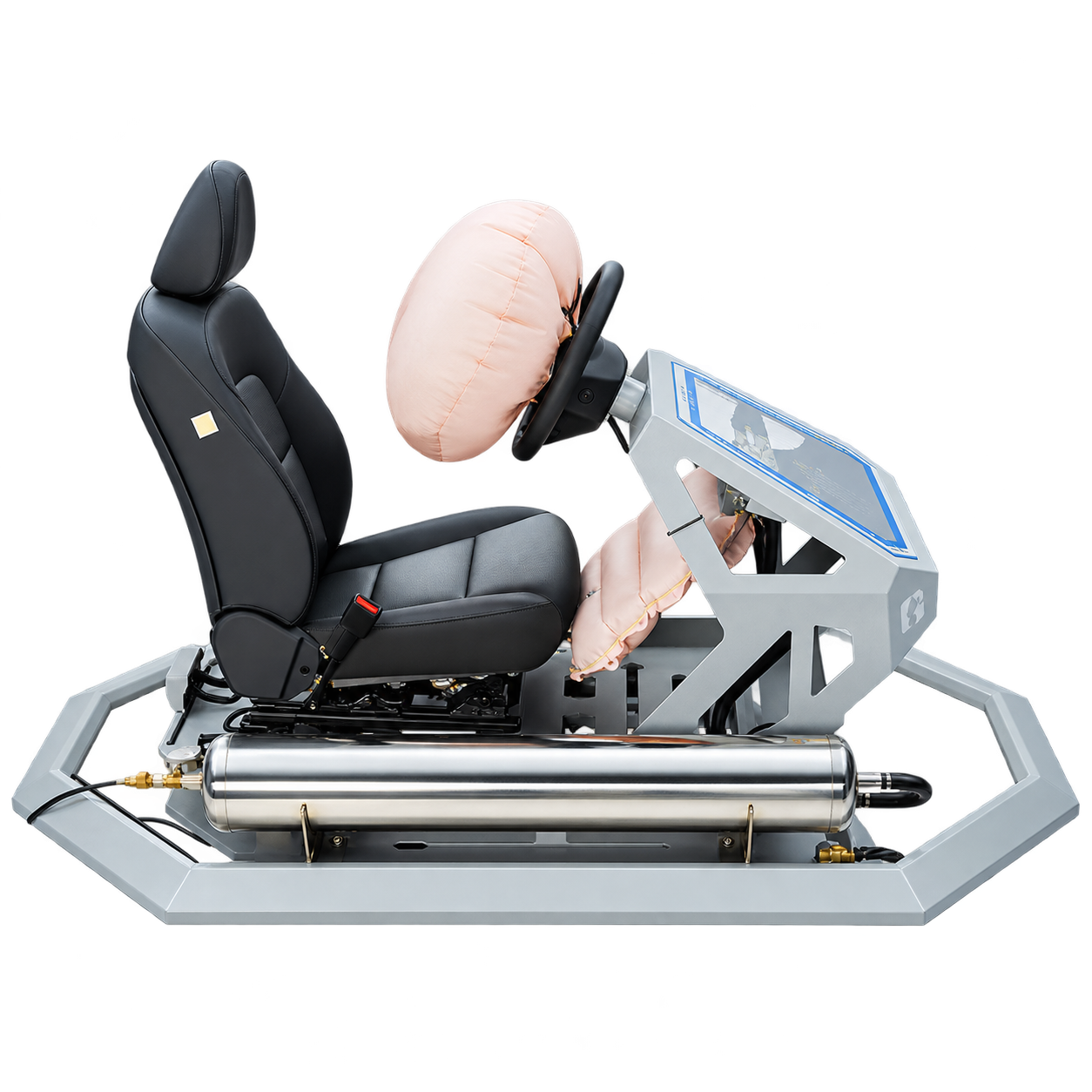
Vehicle Electrical Systems
Study seat functions and occupant protection while distinguishing their service procedures and handling requirements.
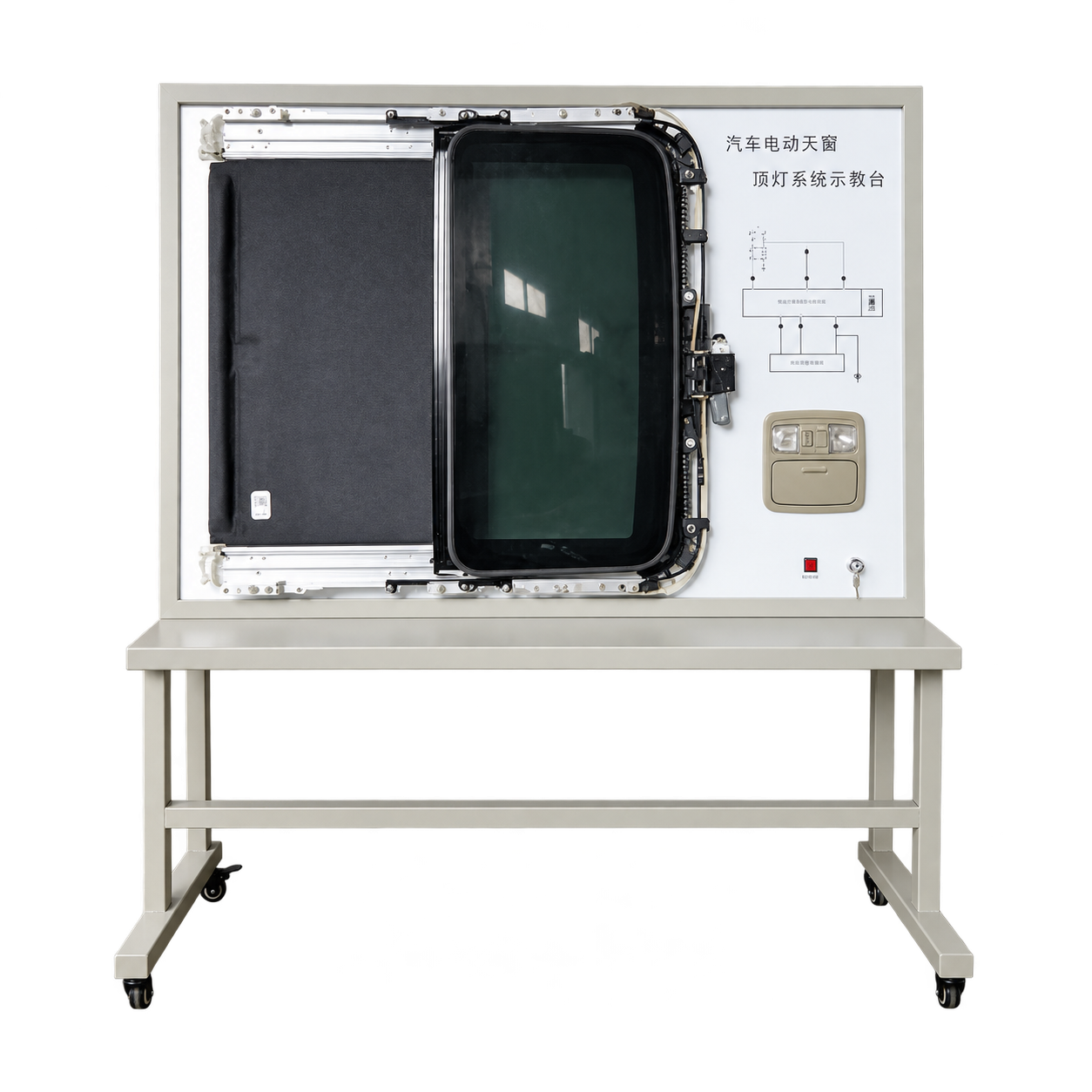
Vehicle Electrical Systems
Connect a sunroof command with its guiding mechanism and explain the supported movement of the selected assembly.
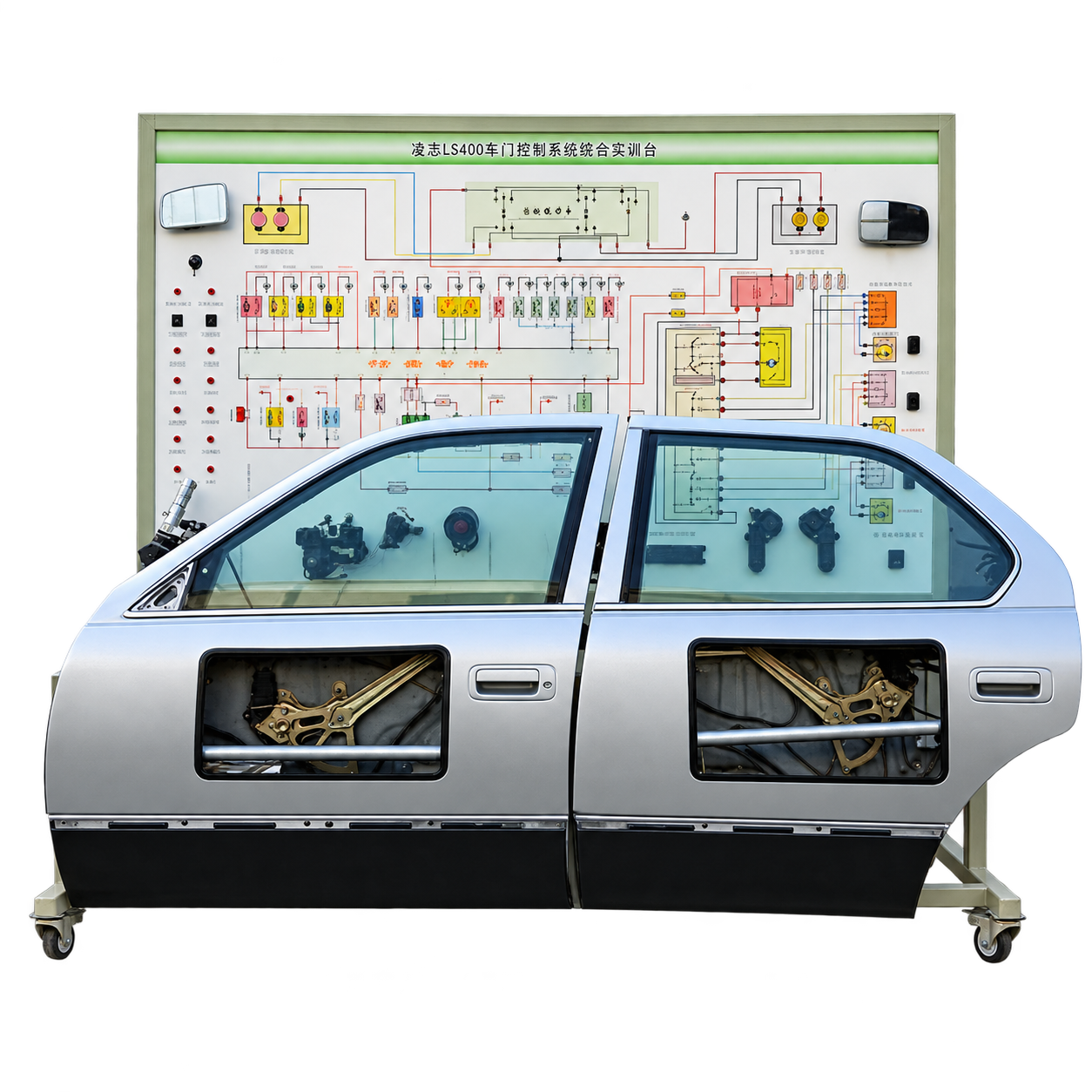
Vehicle Electrical Systems
Relate door components and user-operated functions to their mechanisms, inspection access and service requirements.
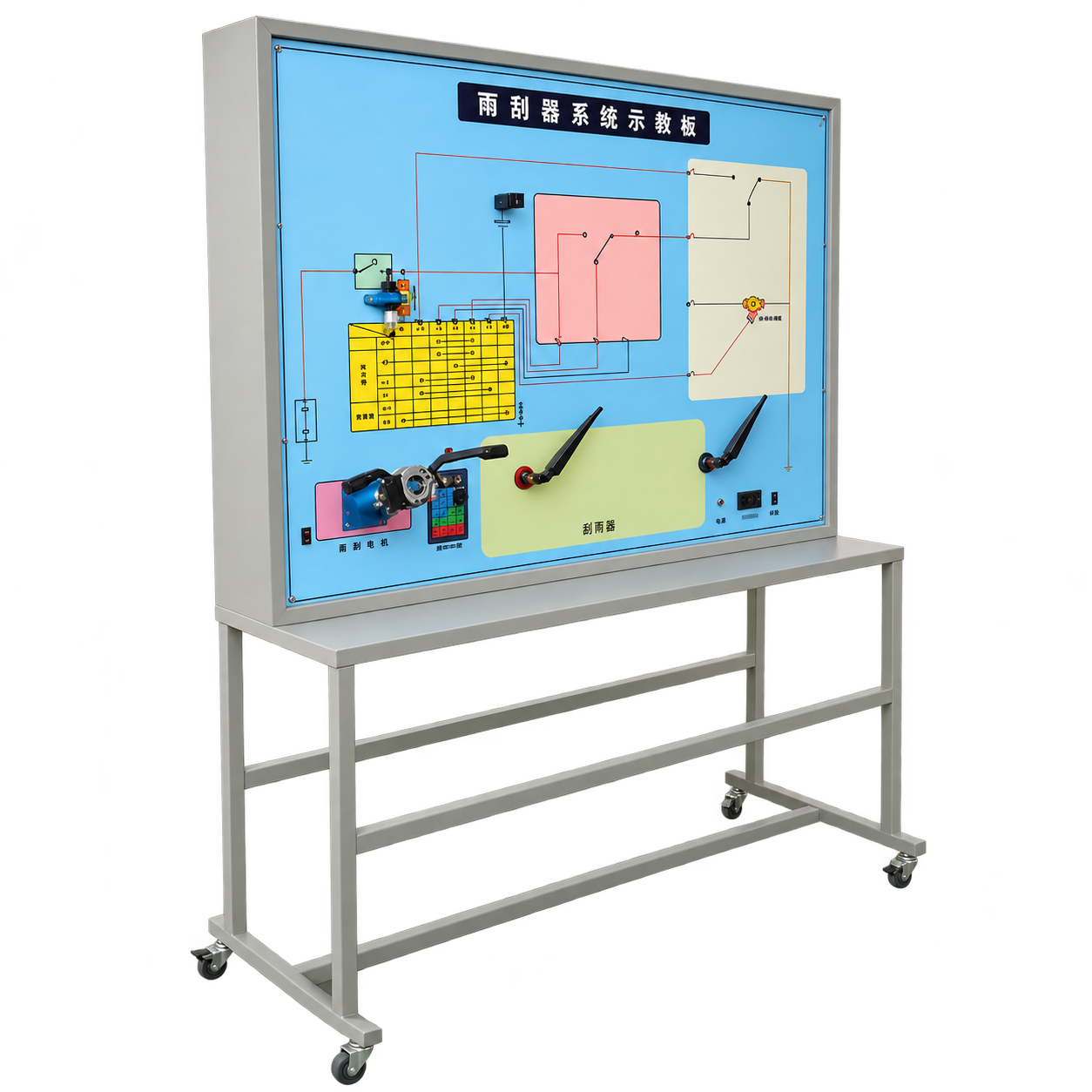
Vehicle Electrical Systems
Relate wiper requests to motor and linkage movement while distinguishing electrical faults from mechanical concerns.
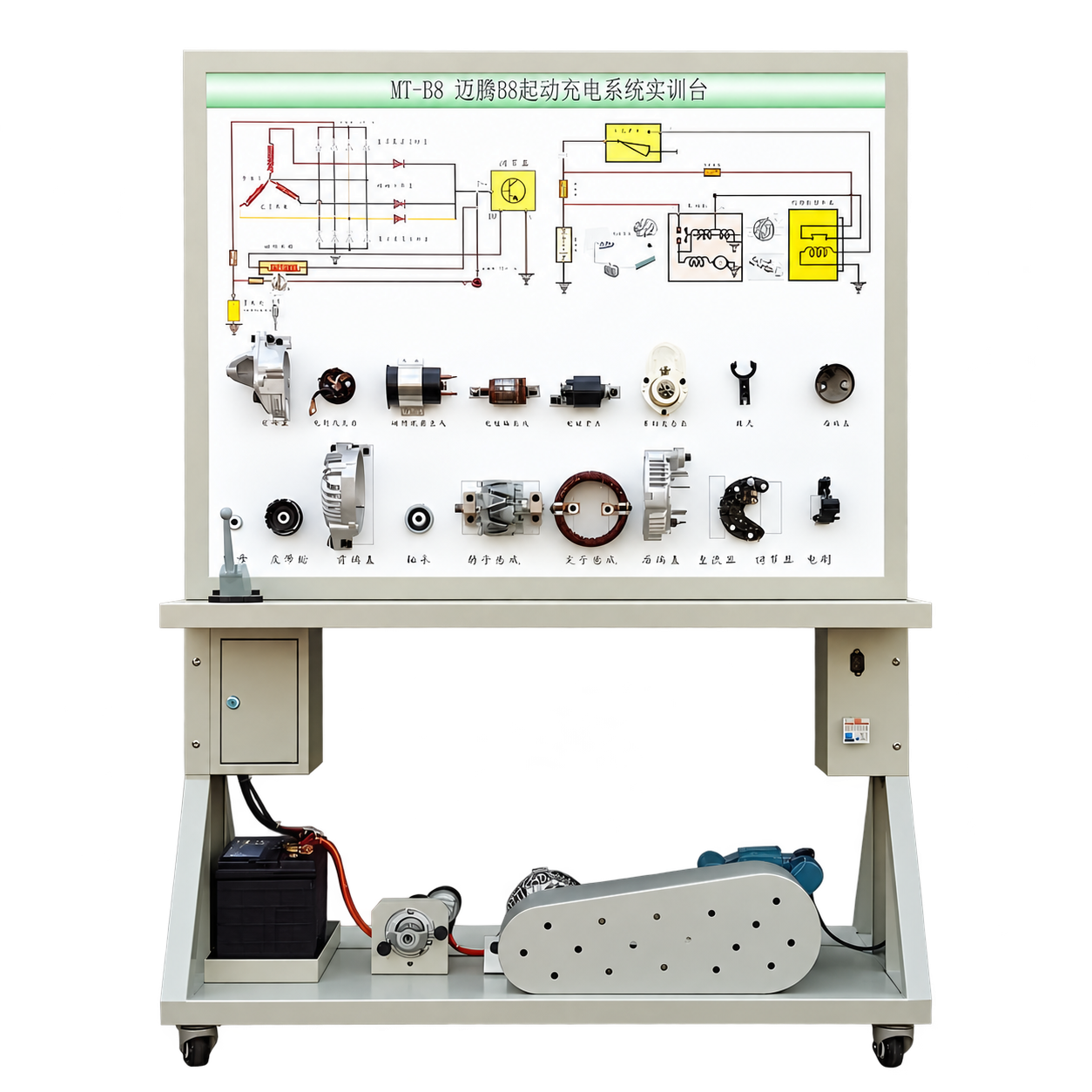
Vehicle Electrical Systems
Distinguish starting from charging by tracing the circuits and reasoning through separate operating complaints.
Selection Guide
Build a teaching setup around your practical tasks. Choose physical trainers, digital practice and supporting resources to suit your courses, students and available space.
Connect diagrams with visible mechanisms, cutaways and component displays so students can explain how a system works.
Select equipment for assembly, measurement, testing or diagnosis, with each station linked to a defined teaching task.
Match the syllabus, station quantities, room conditions and supporting resources before finalizing your equipment schedule.
BTKX Support
Move from a shortlist to a defined teaching scope, with resources, delivery responsibilities and supplier evidence matched to your program.
BTKX and Jilin Communications Polytechnic jointly developed AC and DC charging teaching software around the college's laboratory equipment. Faculty requirements, milestone reviews and joint acceptance connected practical teaching tasks with two co-held software copyright registrations.
Read the Joint Charging Software CaseMap the syllabus, learner rotation and available room to documented equipment functions. Separate required stations, instruments and optional resources so the equipment schedule reflects what students need to practice.
Review the School Planning ProcessFor automotive majors, BTKX co-develops course units, task sheets and teaching media with school teachers. Agree the equipment, resource formats and assessment scope for the specific course before commissioning development.
Explore Automotive Curriculum DevelopmentConnect the selected equipment with transport, site preparation and agreed commissioning. Define local partner responsibilities, manual languages and instructor handover in the project schedule, including any additional localization requirements.
Review International Delivery SupportUse company qualification records to support supplier review. Check each document's issuing body, scope and validity against the procurement requirements, then request any equipment-specific evidence needed for the selected configuration.
View Qualification RecordsProduct Questions
Review equipment roles, practical teaching tasks and configuration requirements before choosing your platforms.
List the practical actions students must complete, their learner level and the systems covered by the syllabus. Use the three product divisions to identify relevant equipment, then compare each selected product's functions and parameters with those tasks.
Choose physical stations for the handling, assembly or measurements required by the course, and simulation for the corresponding virtual preparation and diagnostic tasks. Confirm the represented system, exercises, installation edition and licenses of each software title before pairing it with practical equipment.
Inclusions differ by product and configuration. Review the selected equipment list for instruments, tools, software and teaching materials, then itemize any additional resources or instructor preparation in the quotation. A category listing does not define one standard package for every product.
Provide the syllabus, practical tasks, class size, learner rotation and existing equipment, together with room dimensions, access and utilities. Add the destination, resource languages and target schedule so equipment quantities and project responsibilities can be reviewed together.