
Aug 26, 2026
How to Plan an EV Charging Training Laboratory
Define the teaching tasks, equipment levels and safety requirements for an EV charging laboratory that supports assembly, commissioning and diagnosis.
On This Page
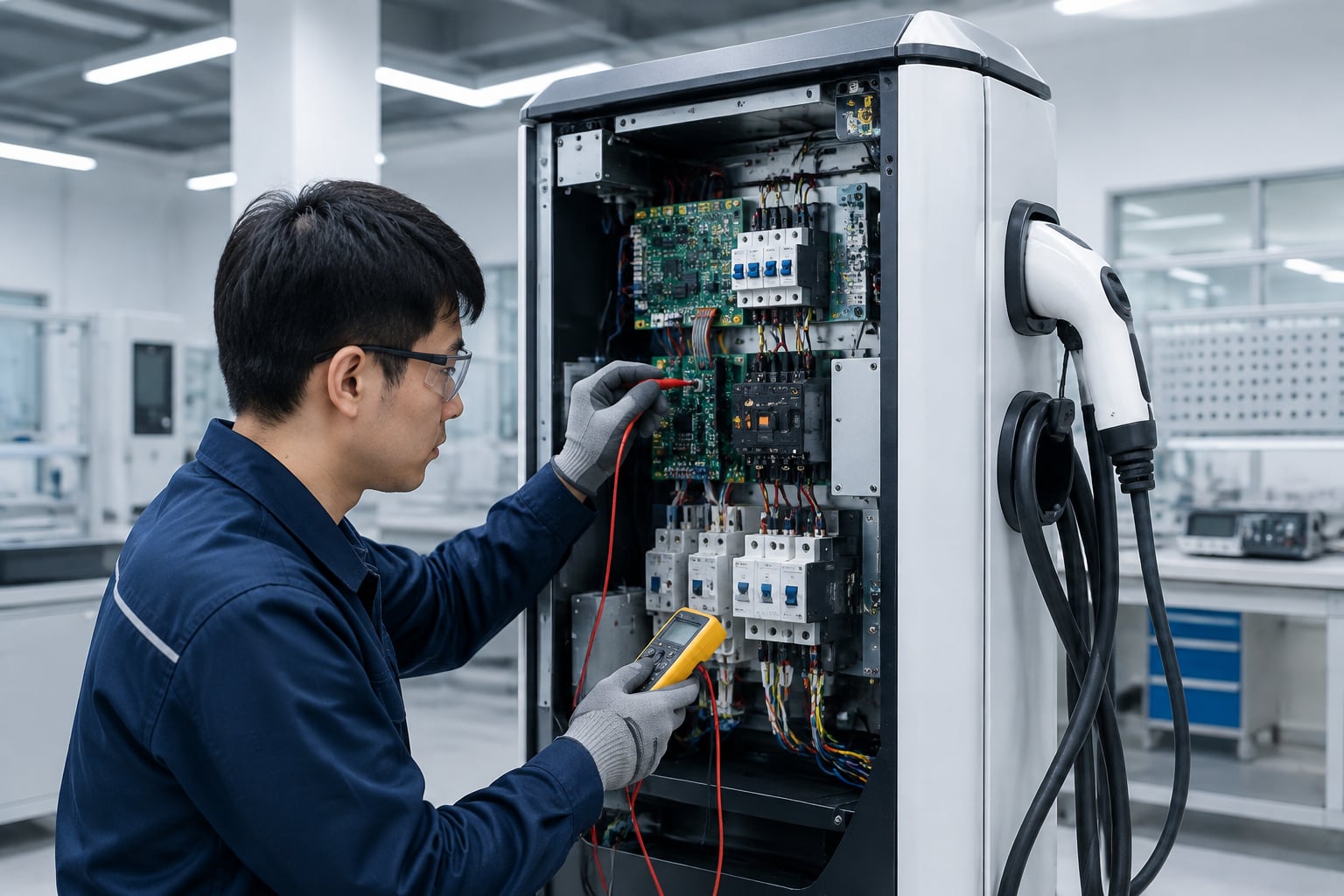
An EV charging laboratory should help students understand what happens inside the system—not only how to connect a vehicle and start a charging session. The strongest programs combine component recognition, wiring, commissioning, protection logic, communication signals and fault analysis in one progressive training path.
Start With the Required Practical Tasks
Define the operations students must complete under instructor supervision. Typical tasks may include identifying the main electrical components, interpreting a wiring diagram, checking protective devices, tracing control circuits, measuring charging states and locating controlled faults.
This task list determines whether the laboratory needs complete charging units, assembly trainers, performance-test platforms or a combination of several levels.
Use More Than One Equipment Level
A complete charging pile is useful for operation and installation cognition, but many internal circuits are difficult to access safely. An assembly and testing platform can expose control boards, contactors, protection devices and terminals in a structured layout. A performance-test platform can then support signal measurement, protection verification and repeatable fault diagnosis.
These systems serve different teaching purposes:
| Equipment Level | Primary Teaching Role |
|---|---|
| Complete charging unit | Structure, installation and operating sequence |
| Assembly and testing platform | Wiring, component function and commissioning |
| Performance-test platform | Signal analysis, protection logic and fault diagnosis |
| Virtual simulation | Pre-practice, process rehearsal and repeatable assessment |
Build Safety Into the Teaching Method
Safety is not a separate poster on the wall. It should be visible in the equipment design, operating procedure and assessment criteria. Clearly defined test points, protected terminals, emergency isolation, instrument selection and instructor control all matter.
Before the laboratory layout is approved, confirm the power supply, earthing conditions, working clearances, cable routes and emergency procedures. The equipment configuration must match local electrical requirements and the institution’s operating rules.
Connect Measurement With Diagnosis
Students should learn why a measured signal matters. For example, a control-pilot state should be connected to the charging sequence, protection conditions and the fault logic being tested. This turns instrument use into technical reasoning rather than a checklist exercise.
BTKX can match charging training equipment with the program level, available space and expected delivery scope, including installation and instructor preparation for the supplied systems.

About the Author
BTKX Technical Team
The BTKX Technical Team combines automotive and NEV engineering knowledge with practical experience in vocational laboratory planning, equipment delivery and instructor support.
Continue Reading
Related Articles
 Sep 2, 2026
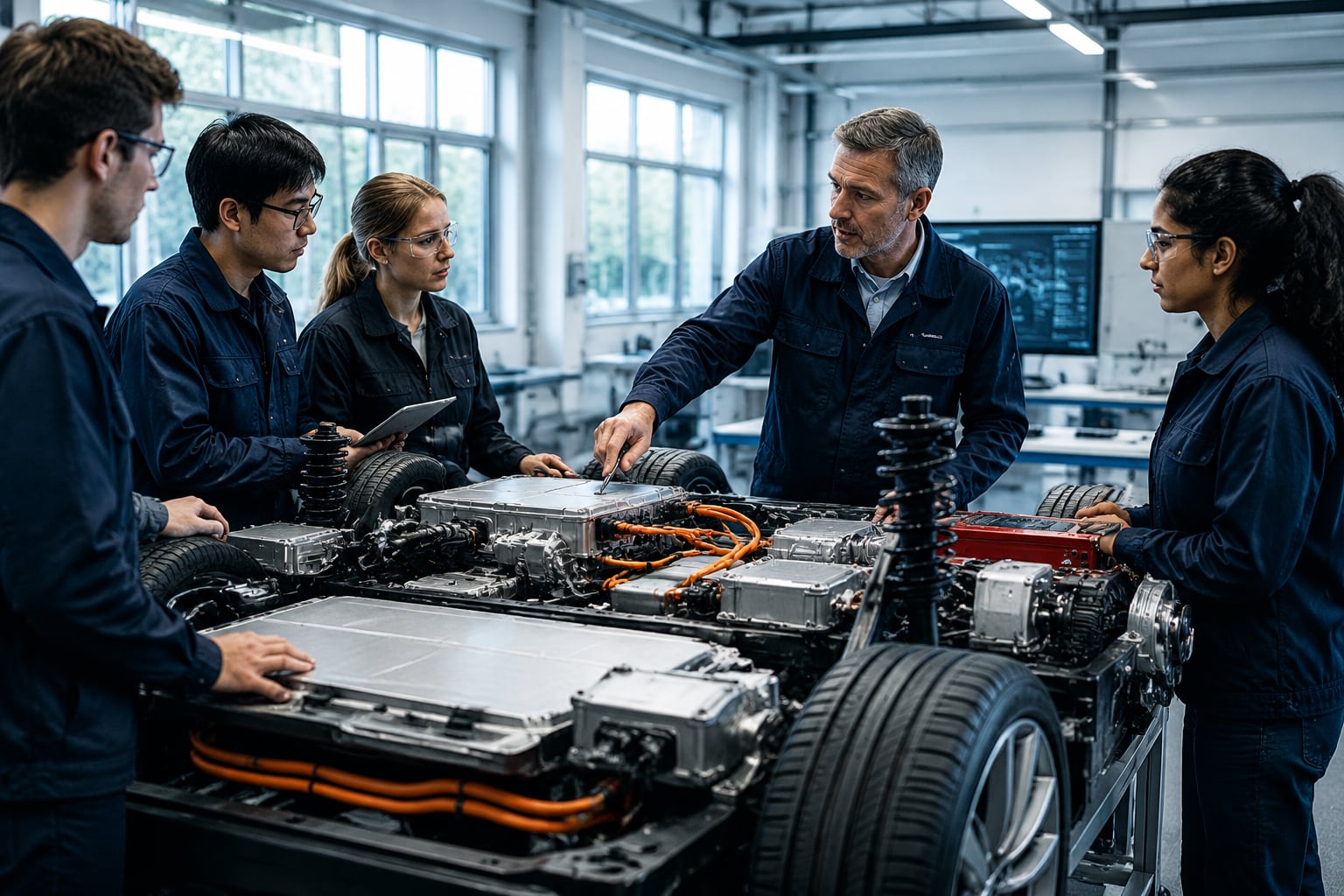
From Course Goals to an NEV Training Lab Equipment List
A practical framework for turning curriculum goals, student numbers and available space into a workable NEV training laboratory plan.
 Aug 19, 2026
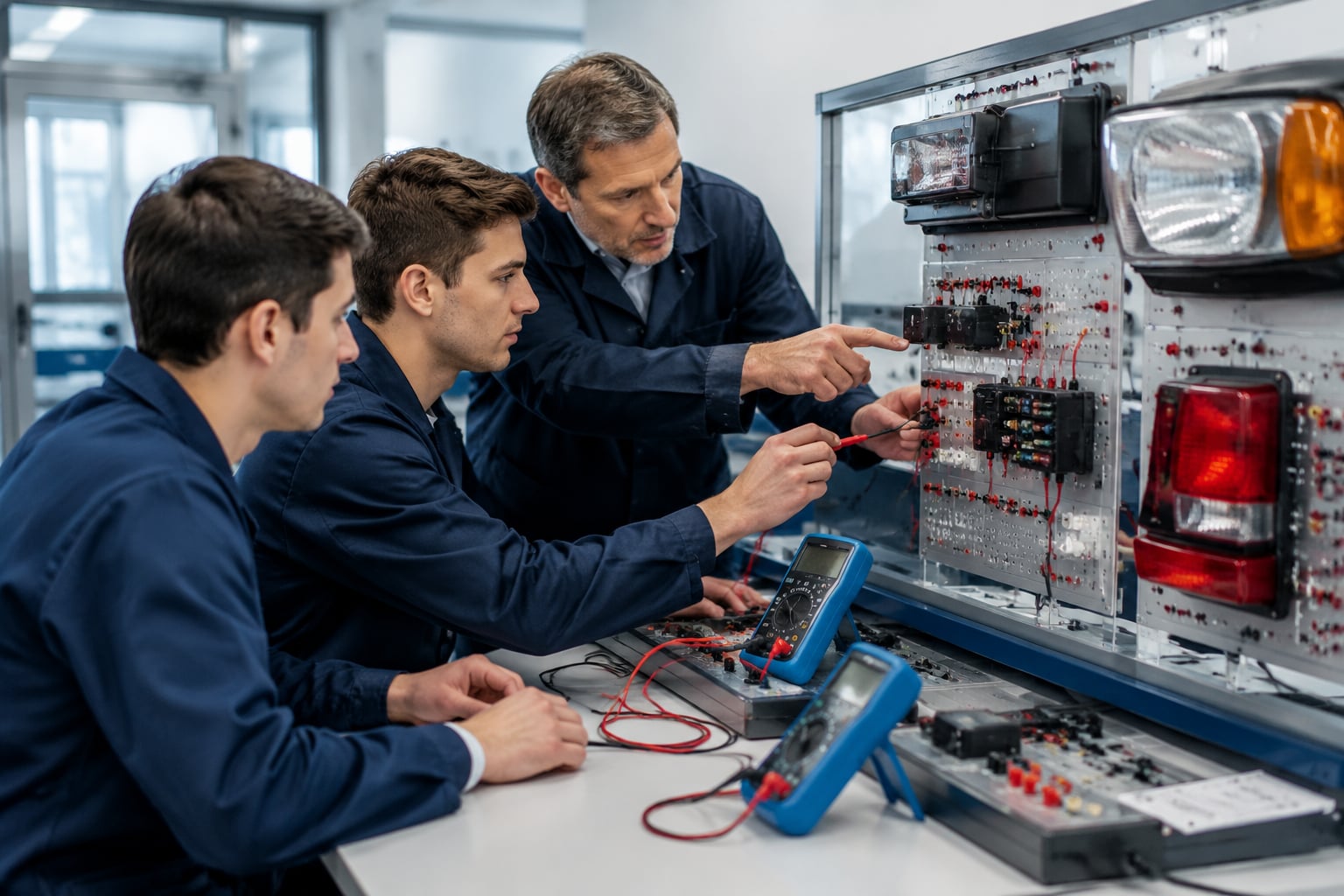
Automotive Electrical Training: From Circuit Recognition to Diagnosis
Structure automotive electrical practical teaching so students progress from protected circuit building to measurement, fault tracing and verification.
 Aug 12, 2026
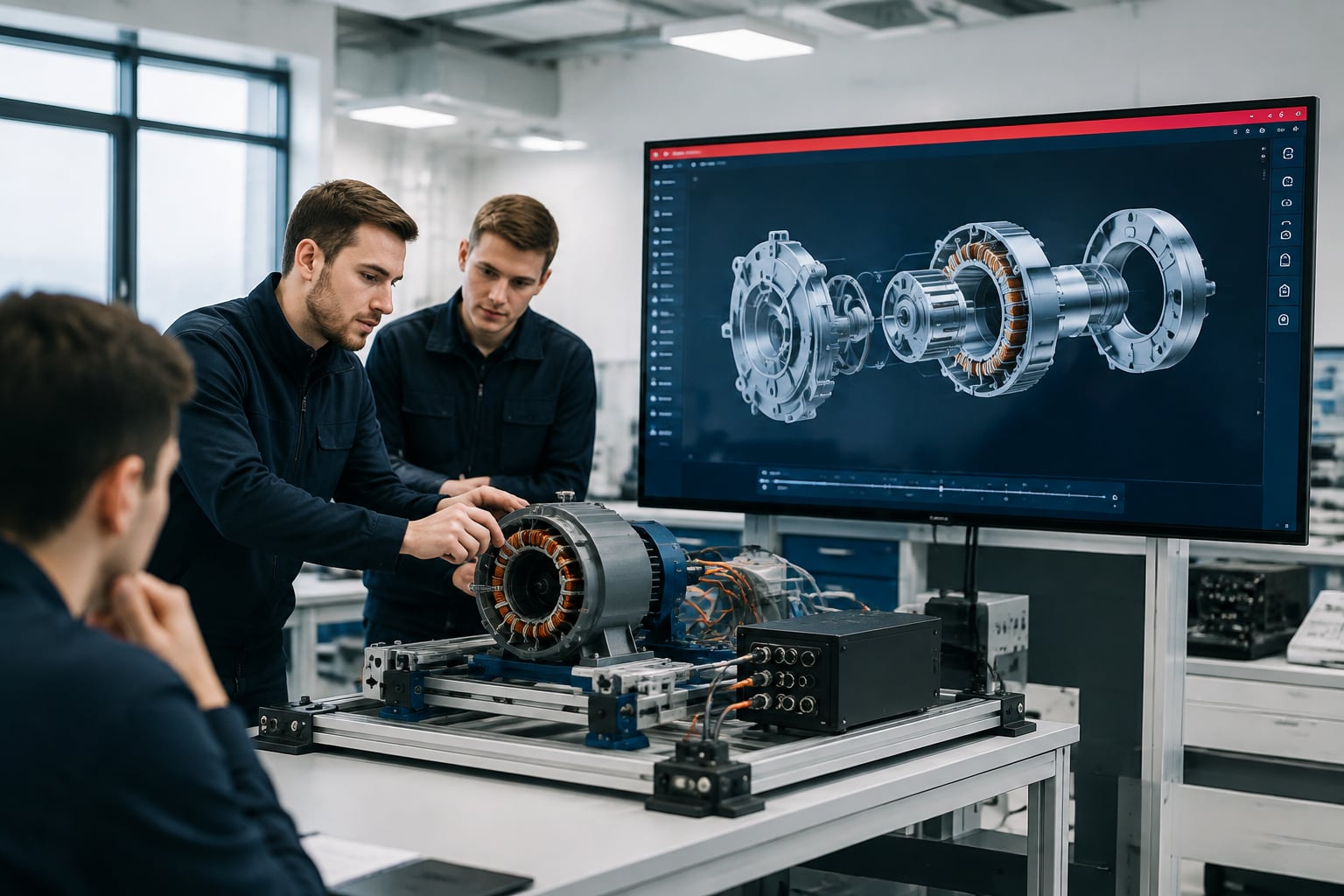
Physical and Virtual Training: Building Repeatable NEV Practice
Use physical equipment and virtual simulation as one training sequence instead of treating digital resources as a separate classroom activity.
 Aug 5, 2026
What to Check Before Procuring Automotive Training Equipment
A procurement checklist for evaluating teaching relevance, technical scope, safety, documentation and delivery support—not price alone.