
Aug 19, 2026
Automotive Electrical Training: From Circuit Recognition to Diagnosis
Structure automotive electrical practical teaching so students progress from protected circuit building to measurement, fault tracing and verification.
On This Page
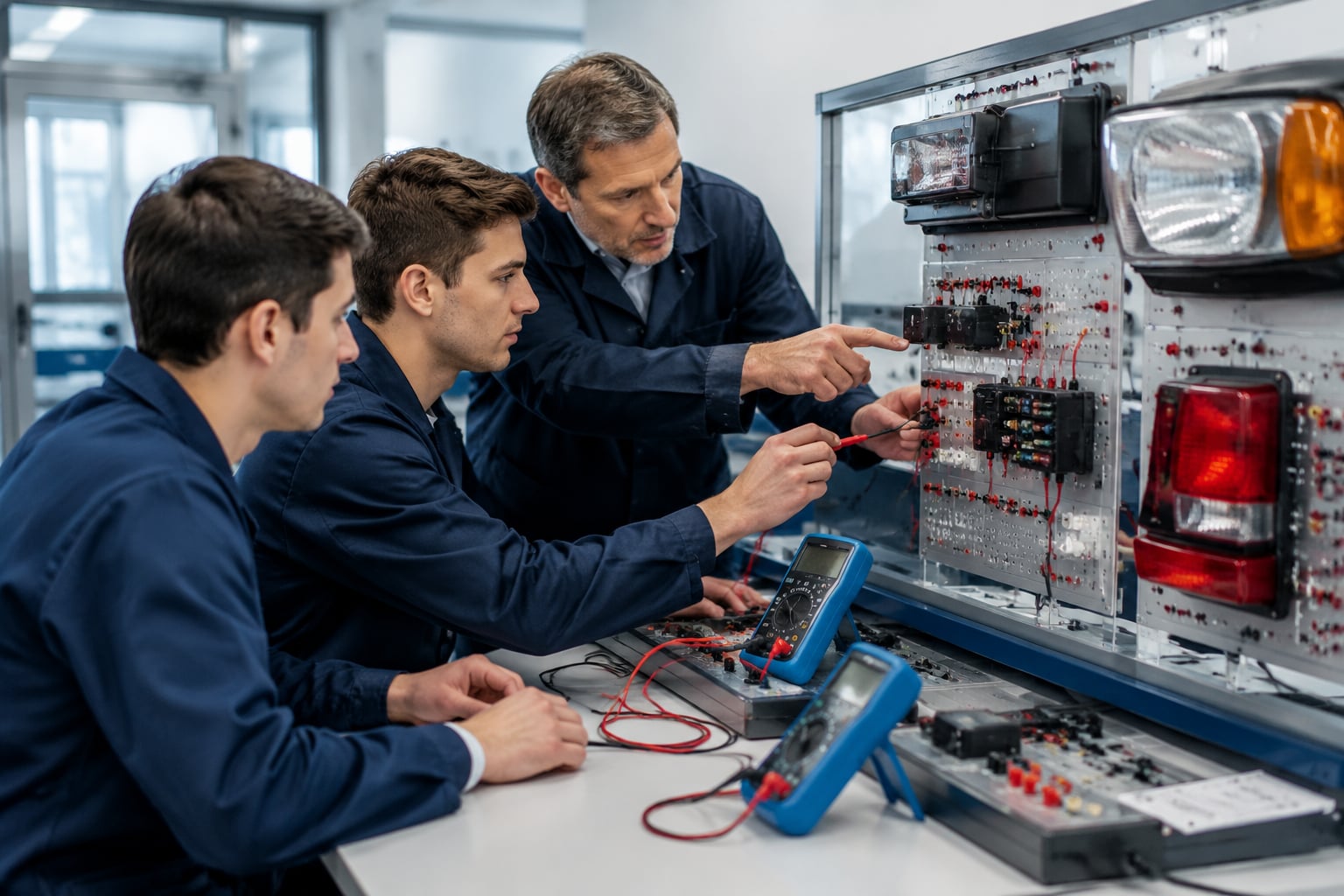
Automotive electrical training is most effective when students can see the circuit, build it, measure it and explain its behavior. Moving directly from a schematic to whole-vehicle diagnosis often leaves a gap between theoretical recognition and confident practical work.
Establish the Fundamentals on Accessible Circuits
Begin with power supply, protection, switching and load behavior. Students should be able to identify terminals, follow current paths and predict the result of an open circuit, short circuit or excessive resistance before using a meter.
A modular fundamentals platform gives instructors a controlled environment for this work. Protected test points and clearly organized components make repeated practice possible without turning the exercise into a purely abstract diagram.
Teach Measurement as a Decision Process
Instrument use should always answer a technical question. Instead of instructing students to “measure voltage,” define what they are trying to confirm: supply availability, voltage drop, switching state, ground integrity or sensor output.
A useful measurement sequence is:
- interpret the circuit and define the expected state;
- select the instrument and range;
- choose safe measurement points;
- compare the result with the expected value;
- decide what to test next.
Introduce Faults Without Losing Control
Repeatable fault insertion allows every student group to diagnose the same condition and enables the instructor to assess the reasoning process. Faults should be technically meaningful, non-destructive and traceable to the circuit being studied.
The assessment should consider more than the final answer. Safe tool use, test-point selection, measurement interpretation and verification after repair are all part of practical competence.
Connect the Bench to the Vehicle
Once students understand the electrical logic on an accessible platform, the same method can be transferred to vehicle systems. Wiring diagrams become easier to interpret because the learner has already observed how relays, protection devices, loads and control signals behave.
This progression—from visible fundamentals to integrated vehicle diagnosis—helps institutions build a more reliable foundation for later NEV and intelligent-vehicle courses.

About the Author
BTKX Technical Team
The BTKX Technical Team combines automotive and NEV engineering knowledge with practical experience in vocational laboratory planning, equipment delivery and instructor support.
Continue Reading
Related Articles
 Sep 2, 2026
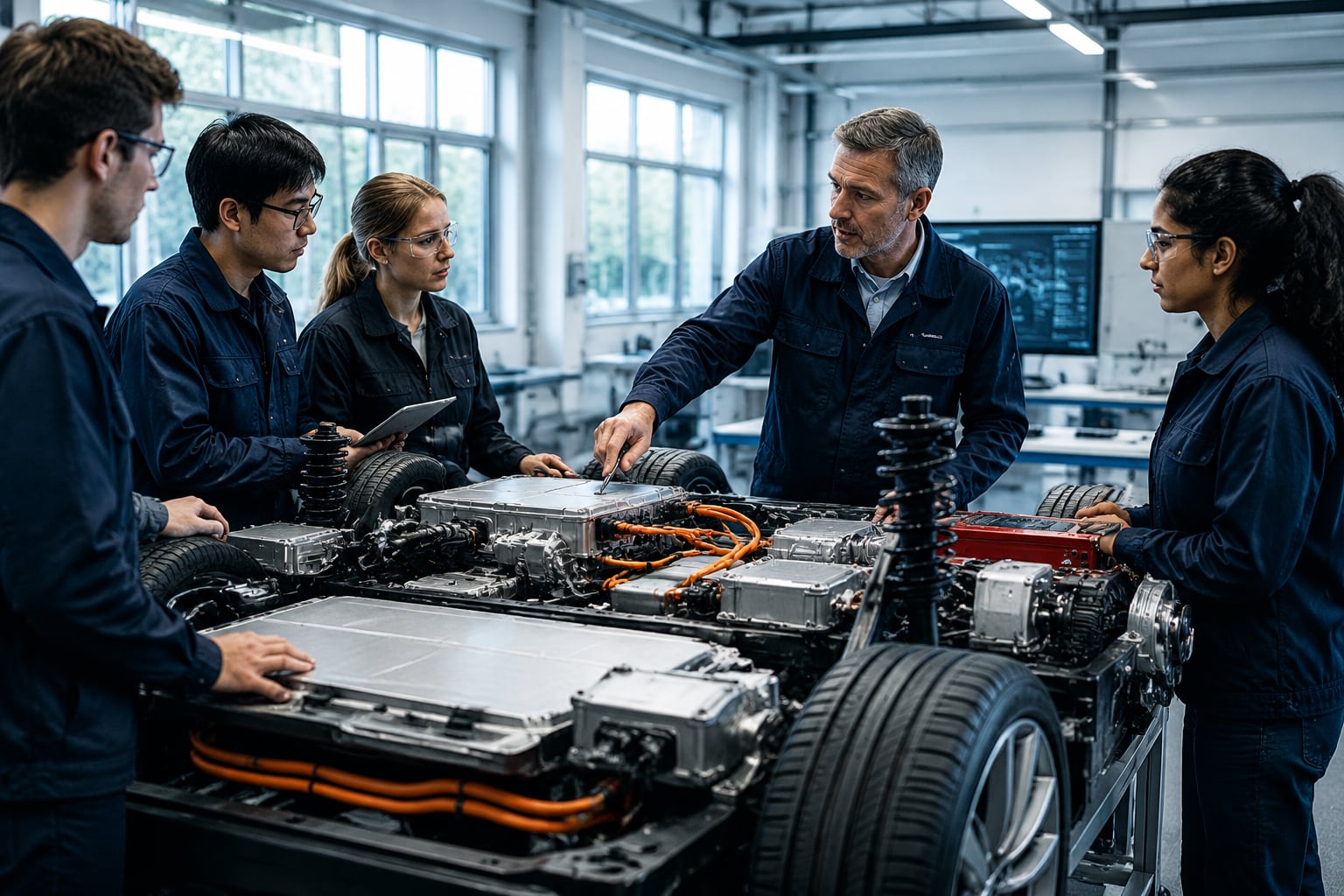
From Course Goals to an NEV Training Lab Equipment List
A practical framework for turning curriculum goals, student numbers and available space into a workable NEV training laboratory plan.
 Aug 26, 2026
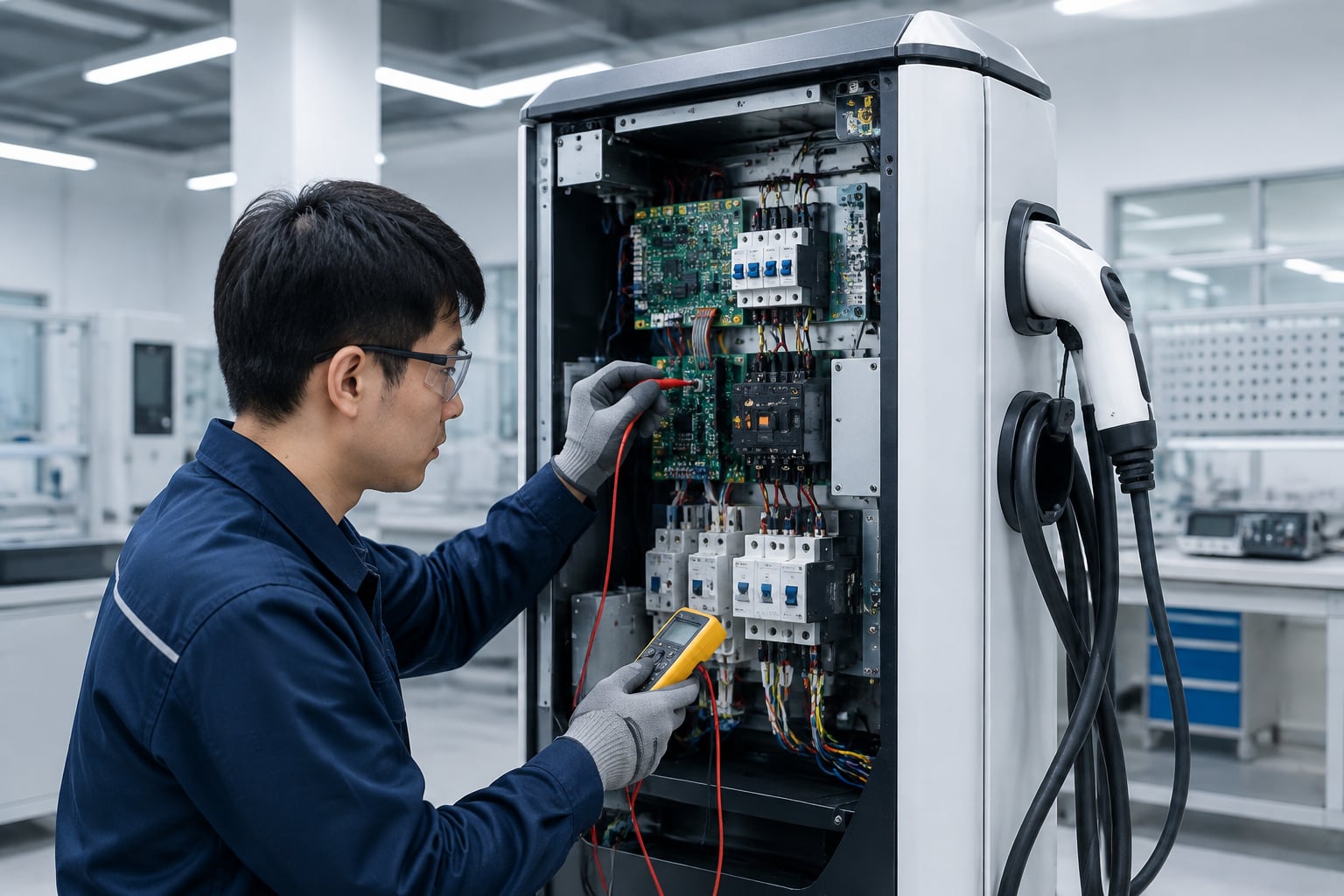
How to Plan an EV Charging Training Laboratory
Define the teaching tasks, equipment levels and safety requirements for an EV charging laboratory that supports assembly, commissioning and diagnosis.
 Aug 12, 2026
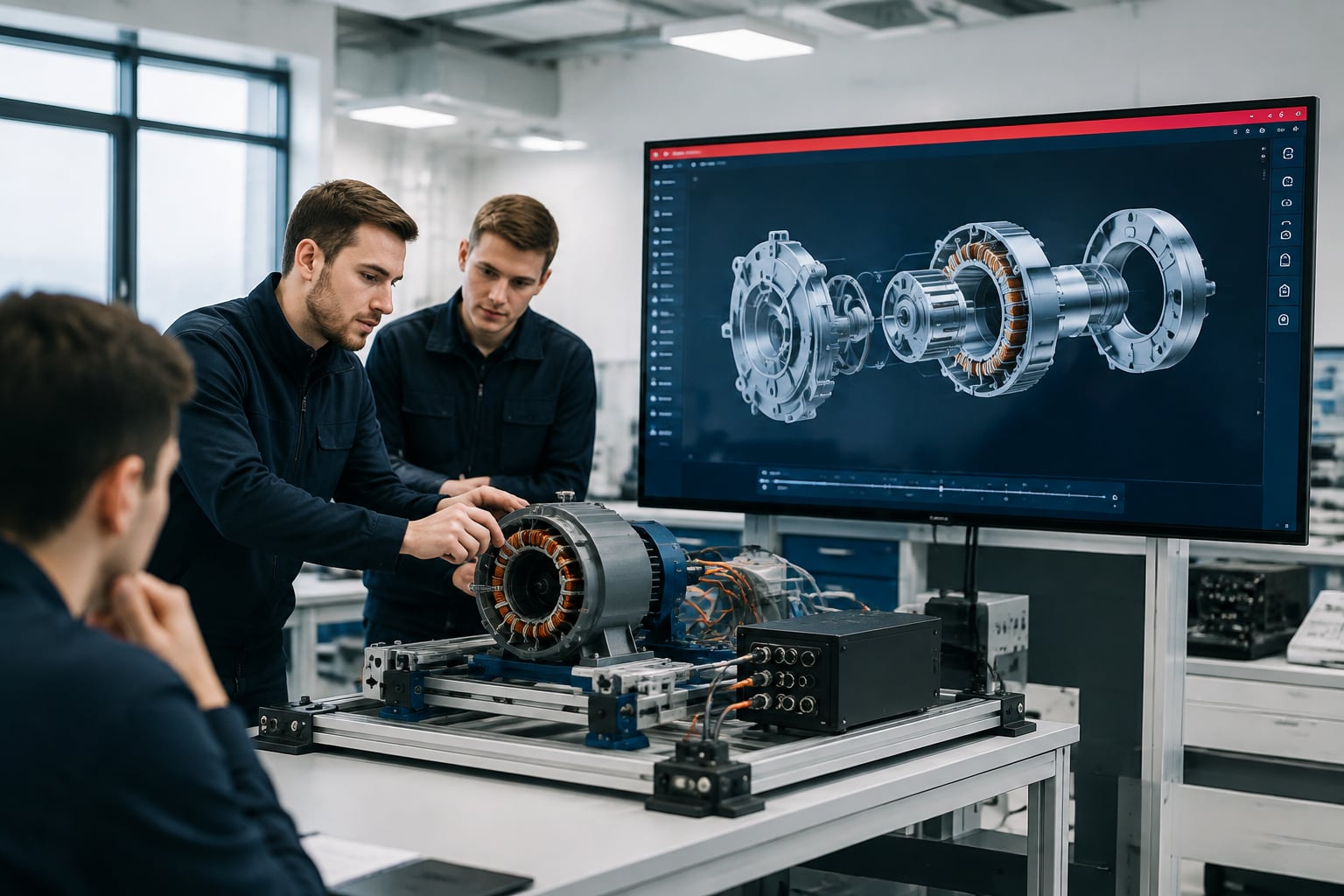
Physical and Virtual Training: Building Repeatable NEV Practice
Use physical equipment and virtual simulation as one training sequence instead of treating digital resources as a separate classroom activity.
 Aug 5, 2026
What to Check Before Procuring Automotive Training Equipment
A procurement checklist for evaluating teaching relevance, technical scope, safety, documentation and delivery support—not price alone.