Aug 12, 2026
Physical and Virtual Training: Building Repeatable NEV Practice
Use physical equipment and virtual simulation as one training sequence instead of treating digital resources as a separate classroom activity.
On This Page
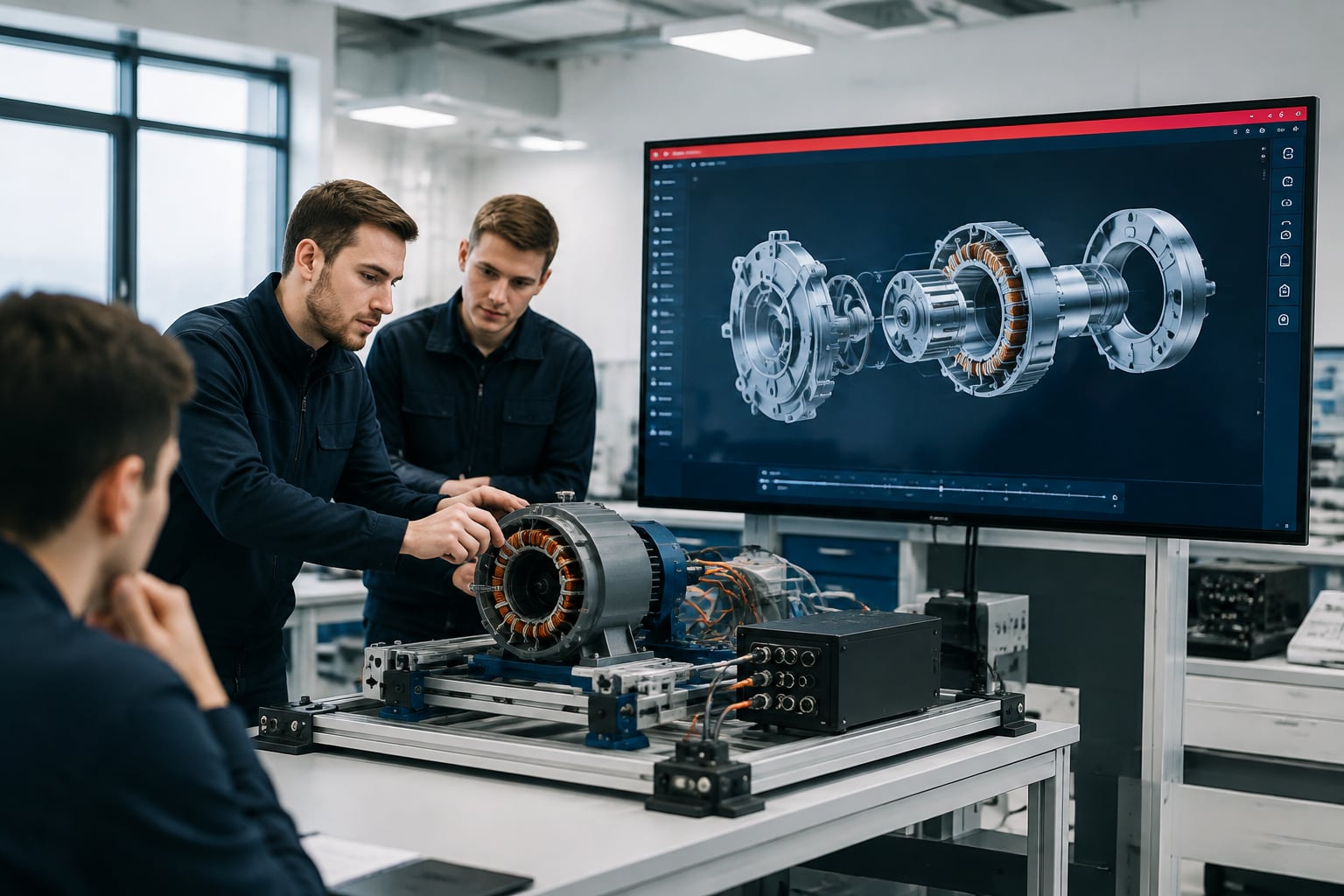
Physical equipment and virtual simulation solve different teaching problems. A physical platform develops tool handling, connection, measurement and procedural discipline. Simulation allows learners to repeat complex, hazardous or resource-intensive tasks without consuming workshop time or components.
The value comes from connecting the two—not from placing them in separate parts of the curriculum.
Use Simulation Before Physical Practice
Digital pre-practice can introduce component location, process order and safety decisions before students approach the equipment. Learners arrive at the bench with a clearer mental model, allowing the instructor to spend more time on technique and interpretation.
Pre-practice is especially useful for disassembly sequences, high-voltage isolation procedures and diagnostic workflows with several decision points.
Keep the Task Logic Consistent
The virtual and physical activities should use the same terminology, component relationships and process sequence. If the simulation teaches one workflow while the equipment requires another, students spend time reconciling the materials instead of developing competence.
Align these elements:
- task objectives and prerequisite knowledge;
- component names and system structure;
- procedural steps and safety checkpoints;
- measurement results and fault logic;
- assessment criteria and documentation.
Use Physical Equipment for the Skills That Matter
Simulation cannot replace the tactile and procedural aspects of practical work. Connector handling, fastener control, instrument placement, cable routing and verification under real conditions still require physical equipment.
A useful blended sequence is: virtual orientation, guided physical demonstration, team practice, independent diagnosis and digital or instructor-led assessment.
Plan Rotations Around Class Size
Blended stations can improve access when one advanced platform must serve a larger group. While one team works on the physical system, other teams can complete simulation, technical-documentation or analysis tasks linked to the same objective.
The rotation only works when every station contributes to the same learning outcome. The result should feel like one lesson delivered through several tools, not unrelated activities filling time.

About the Author
BTKX Technical Team
The BTKX Technical Team combines automotive and NEV engineering knowledge with practical experience in vocational laboratory planning, equipment delivery and instructor support.
Continue Reading
Related Articles
 Sep 2, 2026
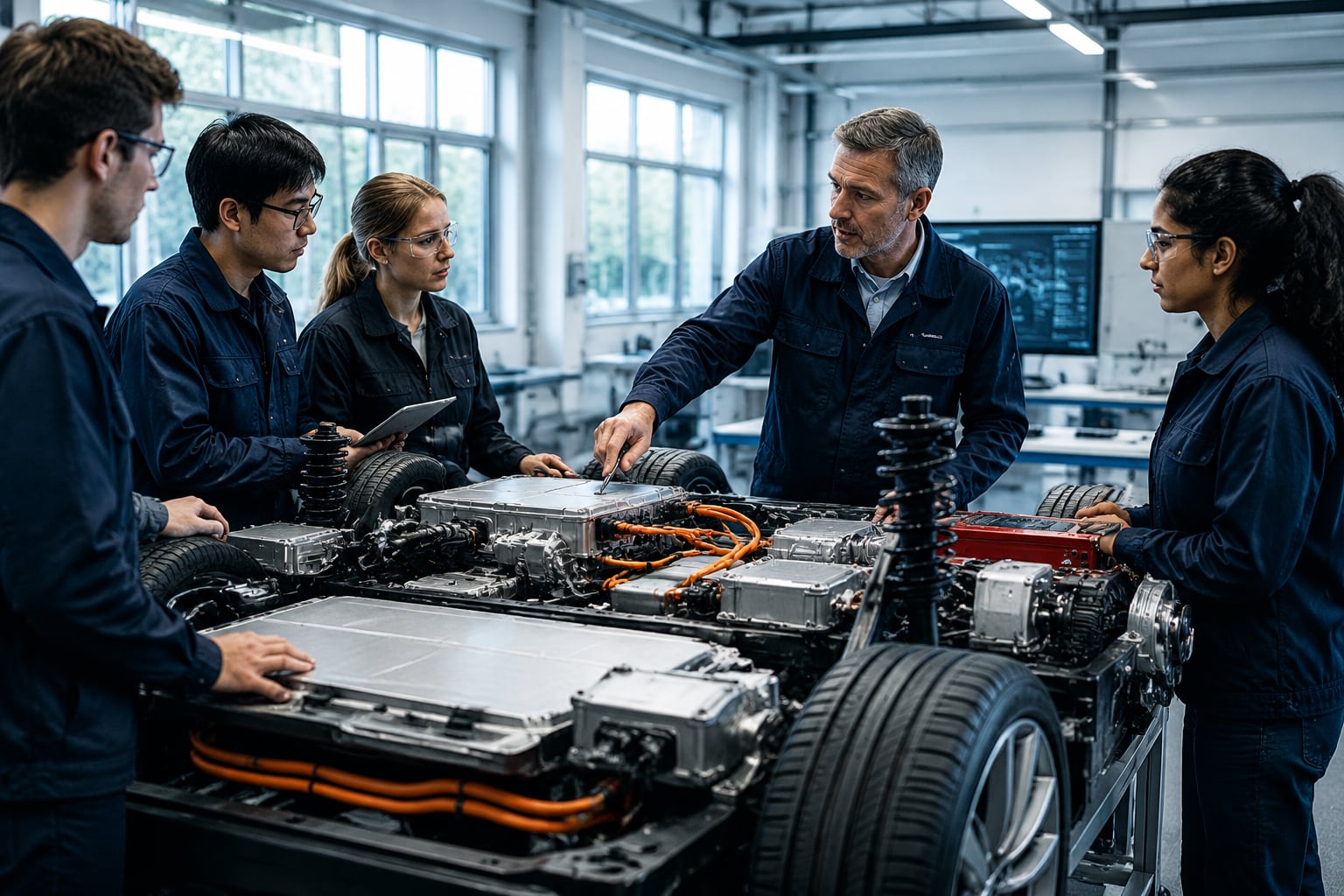
From Course Goals to an NEV Training Lab Equipment List
A practical framework for turning curriculum goals, student numbers and available space into a workable NEV training laboratory plan.
 Aug 26, 2026
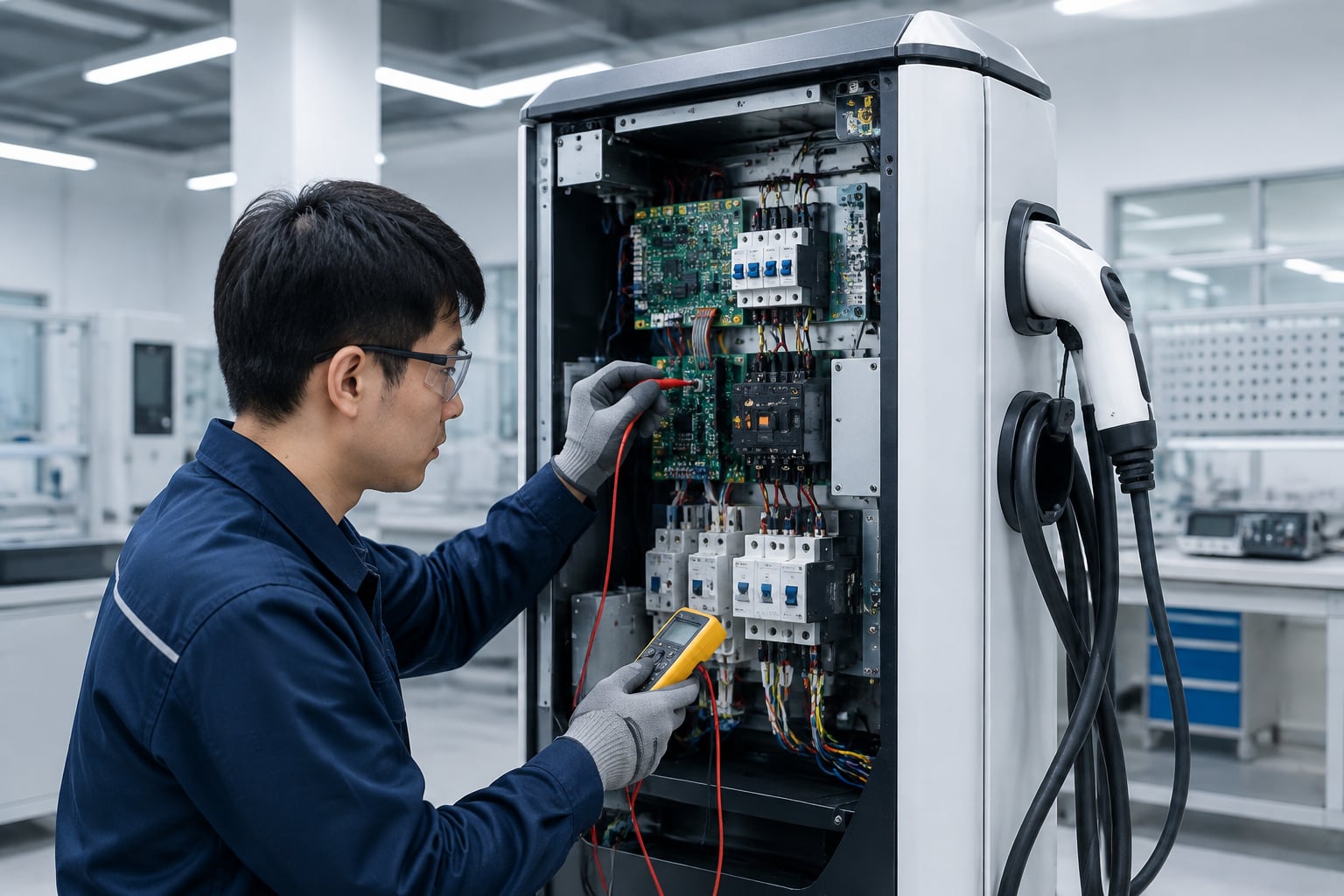
How to Plan an EV Charging Training Laboratory
Define the teaching tasks, equipment levels and safety requirements for an EV charging laboratory that supports assembly, commissioning and diagnosis.
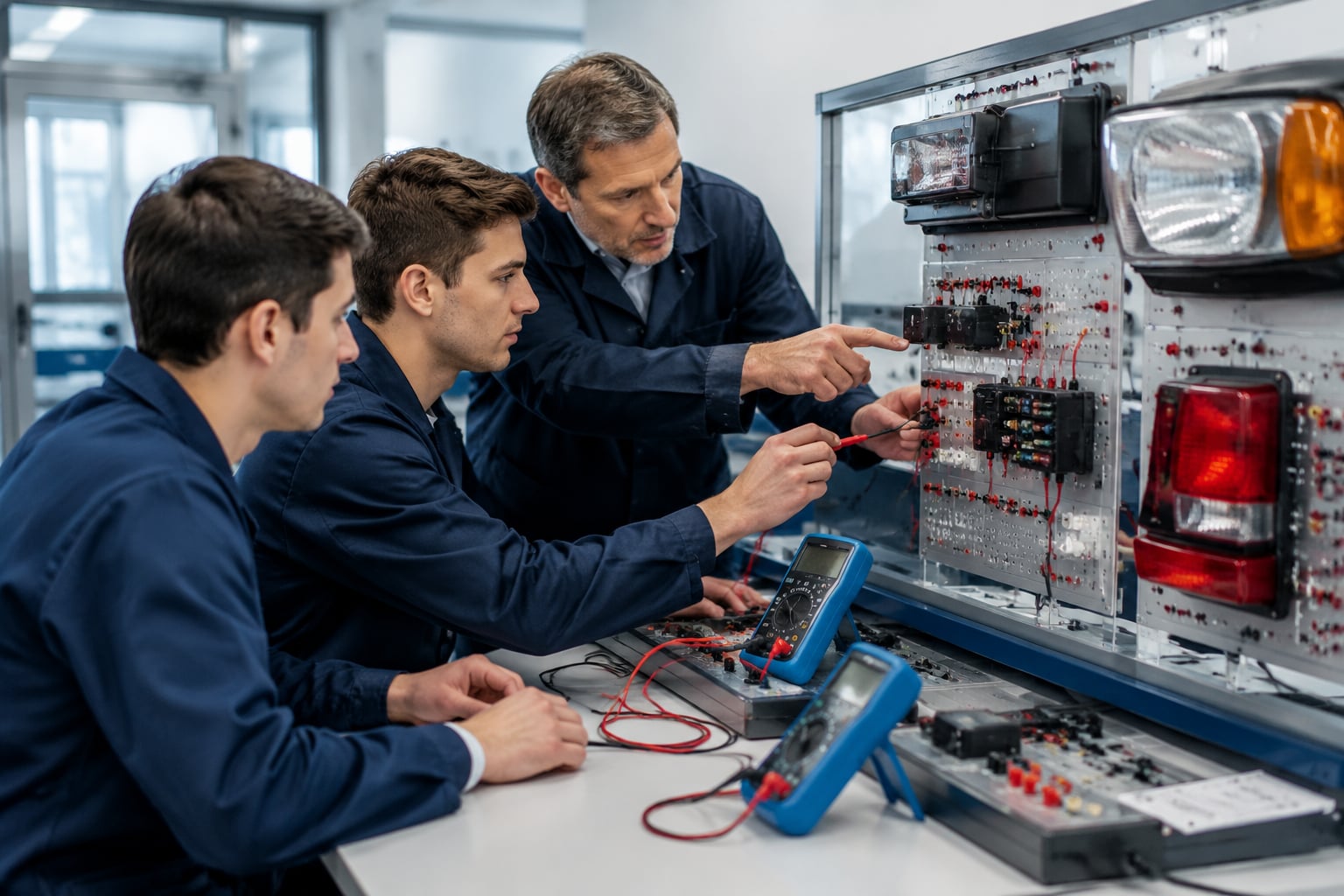 Aug 19, 2026
Automotive Electrical Training: From Circuit Recognition to Diagnosis
Structure automotive electrical practical teaching so students progress from protected circuit building to measurement, fault tracing and verification.
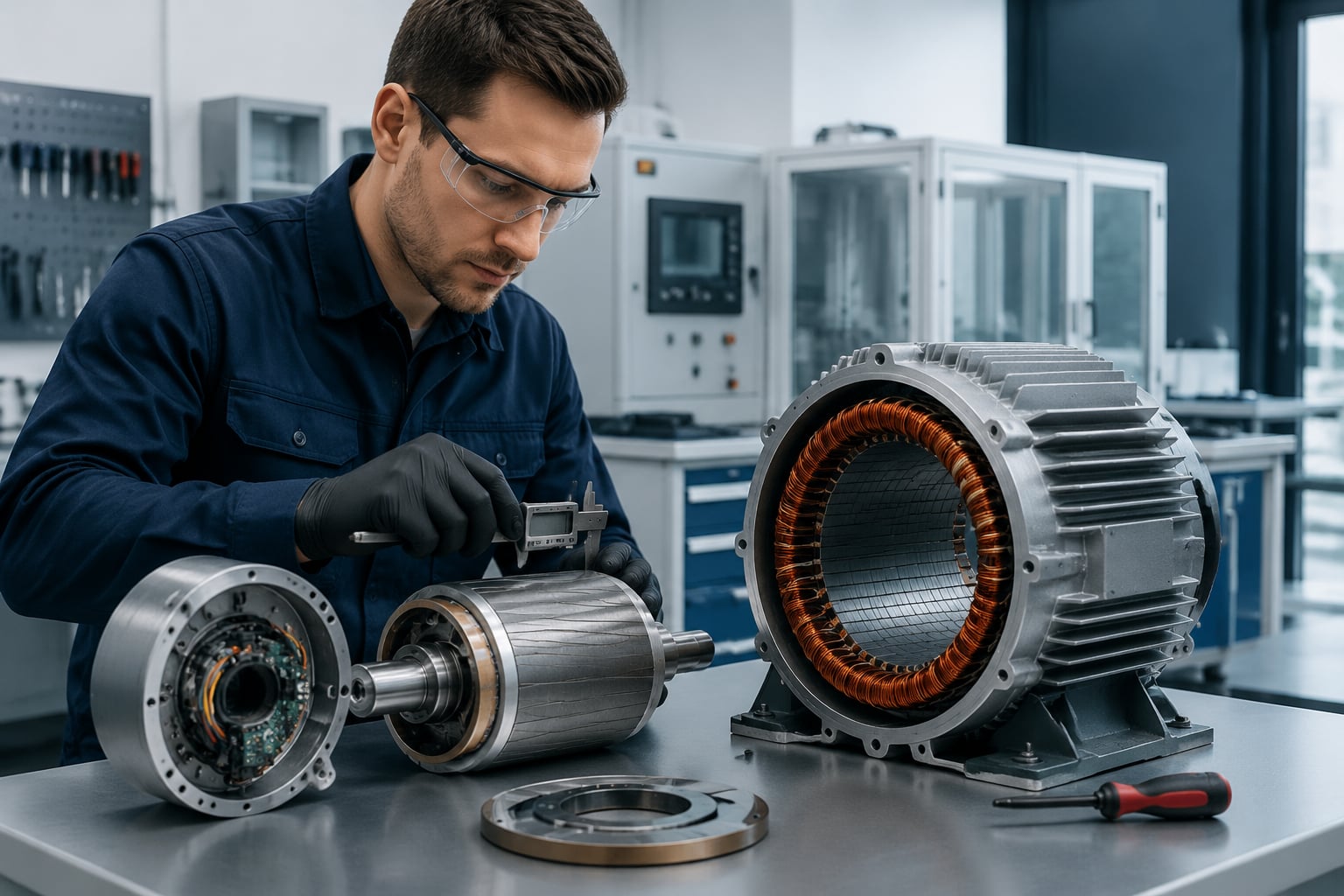 Aug 5, 2026
What to Check Before Procuring Automotive Training Equipment
A procurement checklist for evaluating teaching relevance, technical scope, safety, documentation and delivery support—not price alone.