

Baitong Kexin
Contact

Competition Delivery

Skills Competition Preparation

Prepare learners with the specified contest equipment, fault logic, virtual tasks and assessment workflow. Confirm the event year and technical-file version before selecting the system.

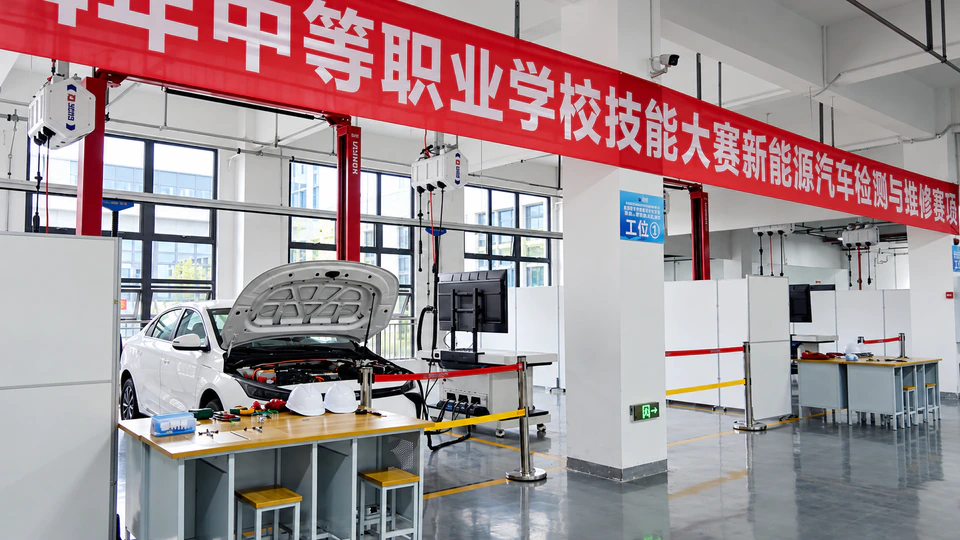
Vehicle diagnosis and repair competition stations with a training car, test equipment and tools
Competition-station scene with a training vehicle, test equipment and tools; preparation also includes virtual tasks and assessment.

The Training Route

Match Equipment, Rehearse Tasks and Compare Scores.

Connect the named competition configuration with repeated virtual and physical practice, then review progress through comparable assessment records.

  1. Map the Contest Equipment

    Learner Practice

    Relate the event’s technical files to the vehicle, connection platform, controls and designated measurement points used in practice.

    Evidence of Learning

    Identify the equipment and task version that each exercise represents.

  2. Rehearse the Practice Chain

    Learner Practice

    Rotate validated diagnostic tasks through the matching simulation and supervised physical stations using a common task sequence.

    Evidence of Learning

    Apply a repeatable diagnostic method across the approved fault library.

  3. Review Scores and Procedure

    Learner Practice

    Compare timed simulation records with a common rubric and record physical task observations separately.

    Evidence of Learning

    Review accuracy, time and procedure using records tied to the task and software version.

The Equipment Combination

Connect the Tasks with the Right Equipment.

Select the vehicle and connection equipment specified by the named event, then match the simulation to that configuration and task-file revision. The practice package combines validated fault tasks, licensed virtual access and physical equipment selected for the event.

Technical Configuration and Operating Limits
ItemTeaching Configuration
Reference competition vehicleGeely Geometry G6: 150 kW, 310 N·m, 52.8 kWh / 352 V ternary-lithium liquid-cooled pack; dimensions 4,752 × 1,804 × 1,503 mm.
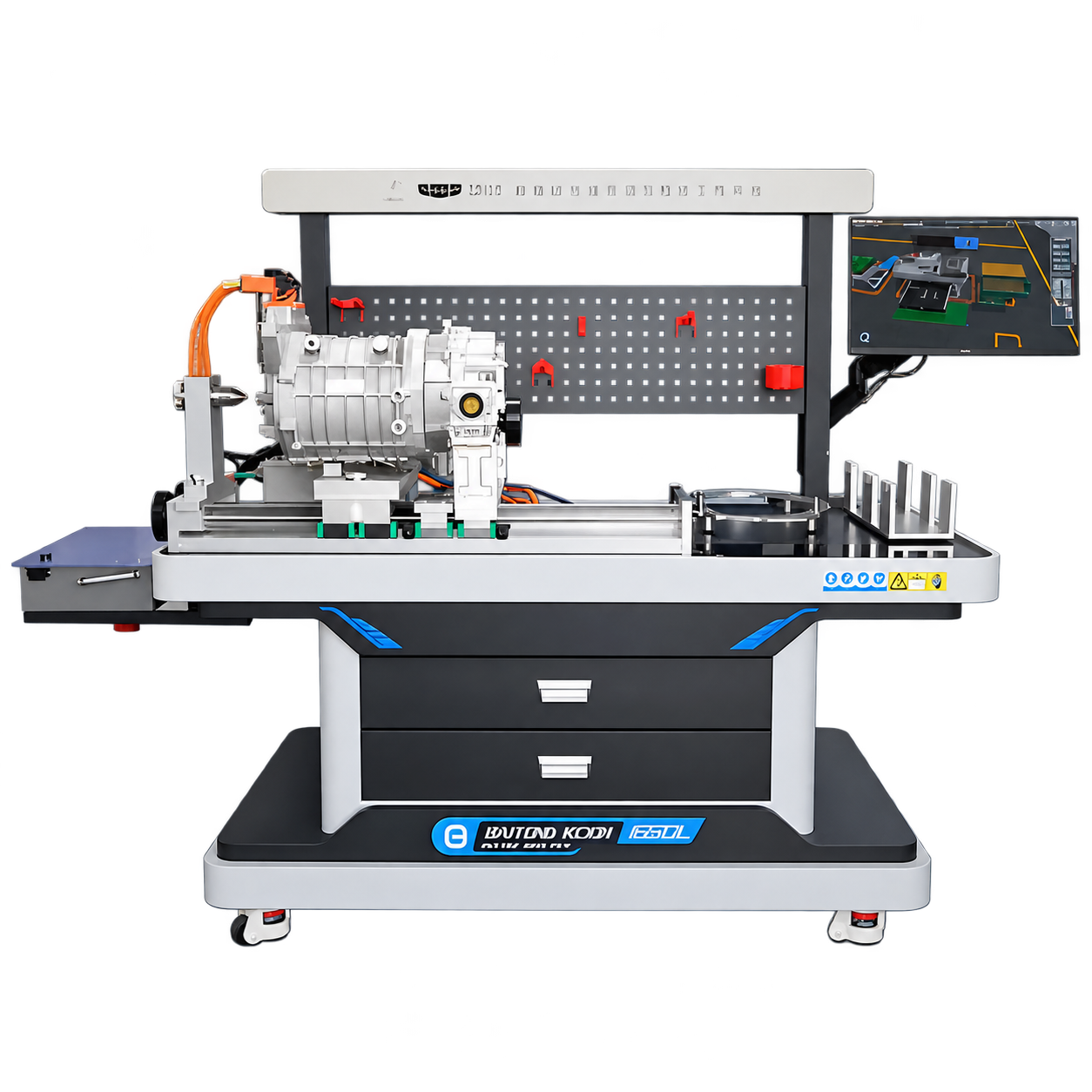
E-drive practice equipmentSelect the assembly and inspection platform specified by the event’s current technical files. Confirm motor, power supply, instruments and approved fault tasks as a complete configuration.
Fault connection platformA vehicle-matched non-destructive connection system. Confirm harness mapping, supported ECUs, teaching measurement points and validated fault list for the actual vehicle.
Virtual venue referenceDocumented 2023 national secondary-vocational competition package: 1:1 model; device accuracy <1 cm; tool accuracy <0.5 cm; ≥80 measurement points; ≥300 data items; ≥80 operation steps per practical project.
AssessmentTimed simulation scores and visualized grade management; reference 1/2/8-point fault logic. Physical practical assessment remains a separate observed task.
Classroom accessClient/server deployment with agreed licenses, workstations, concurrent learners and server configuration; group rotation at the physical equipment.

From Equipment to Teaching

Build a Repeatable Teaching Routine.

Combine class-wide virtual rehearsal with supervised physical rotations, using a common rubric to review progress while recording software results and practical observations separately.

Matched Practice Configuration

Match the named contest device, adapters and technical-file revision before planning exercises. Demonstrate how the selected simulation corresponds to the physical controls and measurement points so learners practise the same represented configuration.

Transferable Fault Reasoning

Rotate validated tasks across the event’s supported systems and ask learners to justify each diagnosis. Use only instructor-approved fault combinations, keeping the delivered exercise list distinct from the connection board’s hardware capacity.

Comparable Progress Records

Use timed simulation records and a common rubric to review progress, recording the software version, task and permitted assistance. Observe physical tasks separately so comparisons reflect both software performance and practical procedure.

Practice Across the Class

Plan licensed simulation access for class-wide preparation and repeated diagnostic practice, alongside supervised rotations at the physical equipment. Reserve practical time for learners to demonstrate tool handling and measurements as well as their software performance.

Full Instructor Notes and Scope to Confirm

Build One Consistent Practice Chain

Map the event’s technical files to the practice vehicle, approved connection platform and matching simulation. Learners should recognize the same task sequence, controls and measurement points across both teaching layers.

Combine class-wide virtual rehearsal with supervised physical rotations. Compare timed records using a common rubric, and record practical handling separately from software scores.

Confirm These Requirements Separately

  • Non-automotive skills competitions
  • An assumption of official WorldSkills International equipment status
  • Guaranteed contest results; equipment and coaching do not determine a school’s performance

School Equipment Differs from the Event

What to Watch For
Learners lose time finding connectors, controls or measurement points at the competition.
Possible Cause
Practice used another device layout or an earlier equipment and task-file version.
Teaching Response
Match the named contest device, adapters and technical-file revision. Demonstrate the software-to-hardware correspondence before committing to a virtual venue.

Learners Memorize a Small Fault Set

What to Watch For
Diagnosis slows sharply when a new symptom or fault combination appears.
Possible Cause
Training repeats a few known cases instead of assessing a diagnostic method across the approved fault library.
Teaching Response
Rotate validated tasks within the event’s supported systems. Require evidence-based diagnosis and use only instructor-approved fault combinations; board capacity is not a validated exercise count.

Progress Cannot Be Compared

What to Watch For
Team selection relies on impression instead of consistent records of accuracy, time and procedure.
Possible Cause
Practice sessions use different tasks or incomplete assessment records.
Teaching Response
Use timed simulation records and a common rubric, then compare physical task observations separately. Record the software version, task and permitted assistance for each session.

Most Students Get Little Practice

What to Watch For
A few finalists use the physical station while the wider class has no route into the next selection cycle.
Possible Cause
One physical device is treated as the only practice resource.
Teaching Response
Use licensed class-wide simulation for preparation and repeated diagnosis, with planned physical rotations. Reserve time for learners to demonstrate practical handling as well as software performance.

Project Experience & References

Competition Technical Files and Occupational Tasks

Tie equipment and assessment claims to a named event, year, learner group and technical-file version, with occupational references identified separately.

A Record Across National and Provincial Events

The company records seven consecutive years as a national NEV competition equipment supplier and 150+ national and provincial competitions organized or supported since 2016.

Selected milestones include exclusive title sponsorship of the 2023 Baitong Kexin Cup NEV Maintenance Worker Competition and organization of the 2025 Baitong Kexin Cup NEV Testing Technology event.

Review the Dated Competition Record ↗
Documents to Review for Your Project

Demonstrate the Match Before the Training Season

The documented virtual reference specifies device-model accuracy below 1 cm, tool accuracy below 0.5 cm, at least 80 measurement points, 300 data items and 80 operation steps per practical project.

Request a demonstration license, the specific title’s task list and a comparison with the ordered hardware. Competition designation can be checked against the relevant organizer’s published notices; it should be tied to a named event and year.

Reference Documents and Project Basis

  • The current technical files for national vocational NEV maintenance and power battery testing events, including the applicable learner group.
  • The technical specification for the 14th National Transportation Industry Baitong Kexin Cup NEV Maintenance Worker Competition, a national first-class event associated with four ministerial bodies.
  • The national occupational standard for Battery and Battery System Maintenance Technician, for which Baitong Kexin is a participating drafting unit.

Application FAQs

Plan Your Training Project.

Is any Geometry G6 trainer automatically identical to the contest device?

No. Confirm the event year, vehicle configuration, connection harness, fault library, measurement panel and technical-file revision. A matching vehicle name alone does not establish equivalence.

Can simulation scores replace physical practical assessment?

No. Simulation records support repetition and comparison within the software. Instructors still need to observe physical handling, permitted measurements and the approved work procedure on actual equipment.

What should a school request before ordering?

Request the equipment and software version list, event technical-file mapping, validated fault schedule, license and concurrency requirements, sample assessment records and the coach-training scope.