

Engine Systems
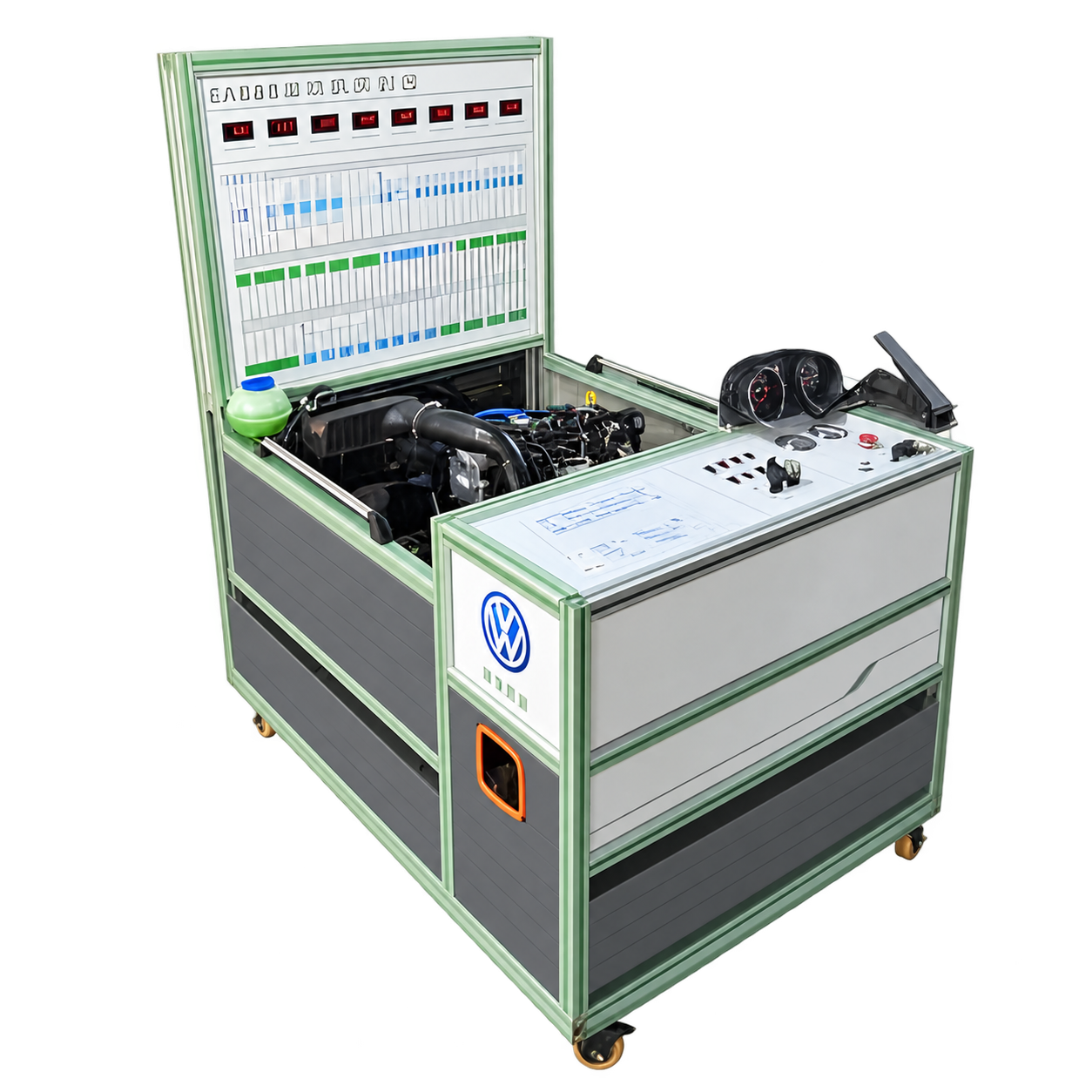
Electronically Controlled Engine Running Trainer
Connect engine behavior with electronic control inputs and commanded outputs during a supported running demonstration.
View Product
BTKX — Product Category
Engine, chassis and vehicle electrical training systems from the conventional vehicle laboratory equipment list.
Product Directory
Browse every product below, or open a category to review equipment choices and compare the complete range.
Running engine trainers, operating cutaways, turnover-mounted assemblies and sensor-actuator benches for engine principles, inspection and control-system study.
Engine Systems
Connect engine behavior with electronic control inputs and commanded outputs during a supported running demonstration.
Engine Systems
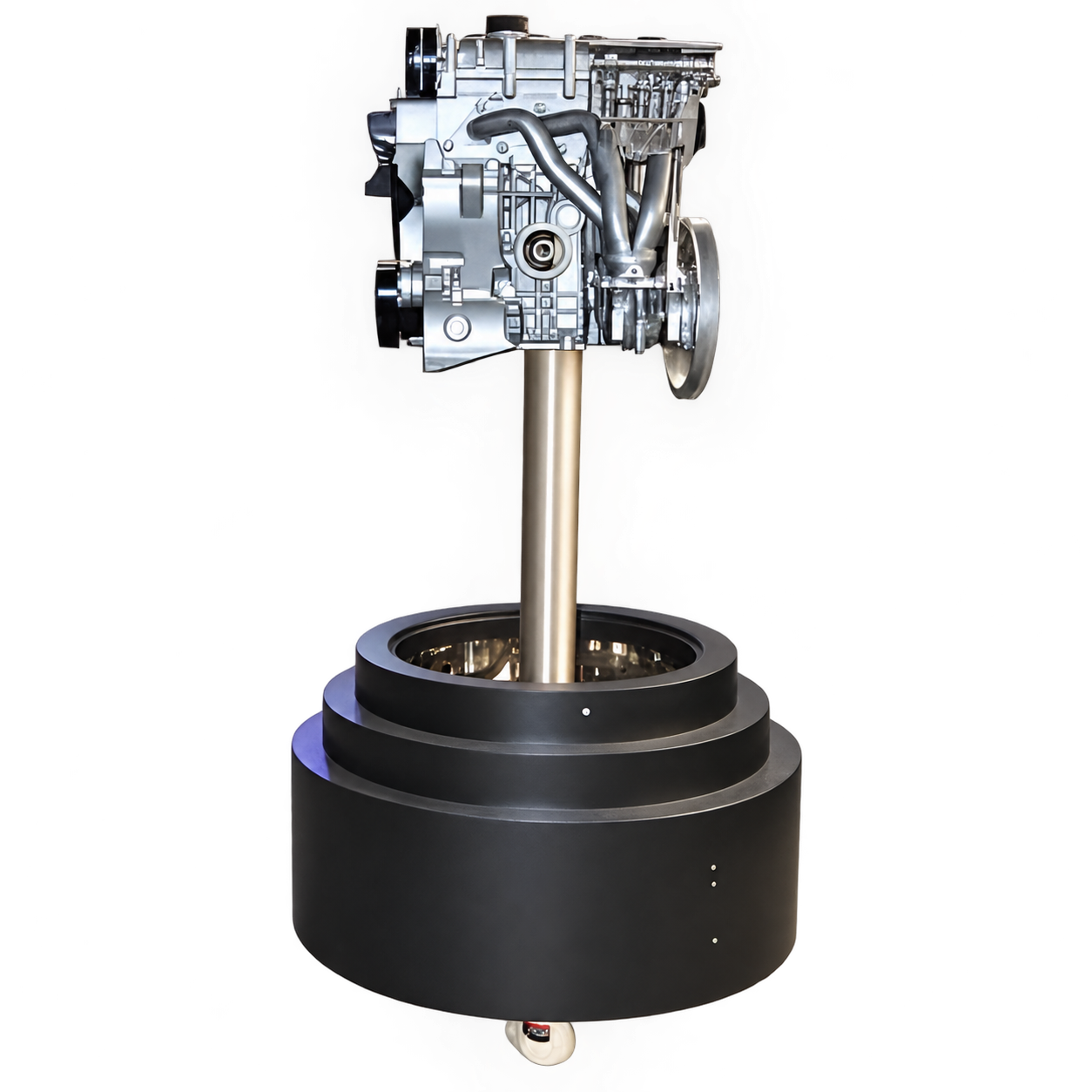
Relate visible engine components and mechanical movement to the engine cycle through an operating cutaway.
Engine Systems
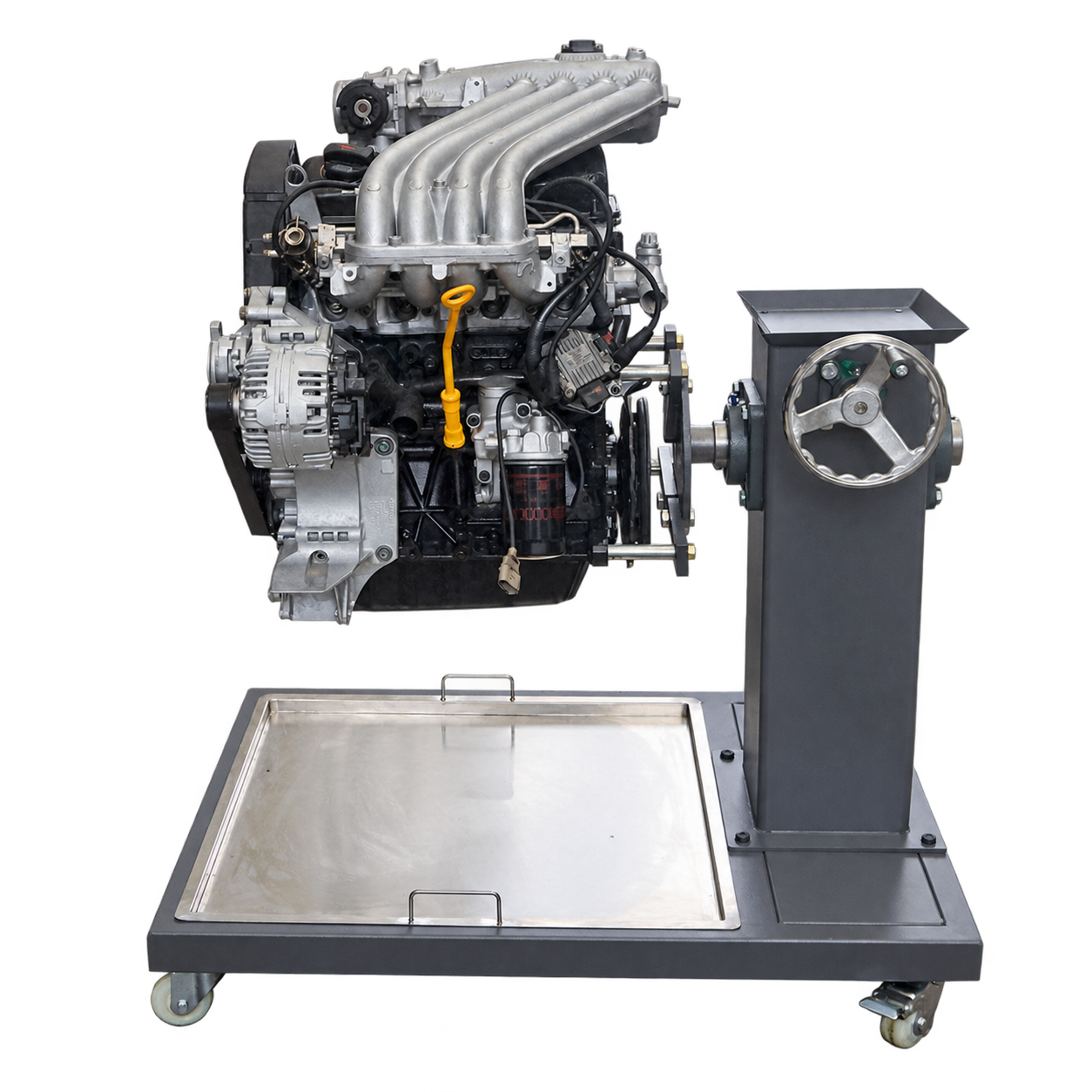
Study engine construction and plan workshop access using a mounted assembly and its matching service information.
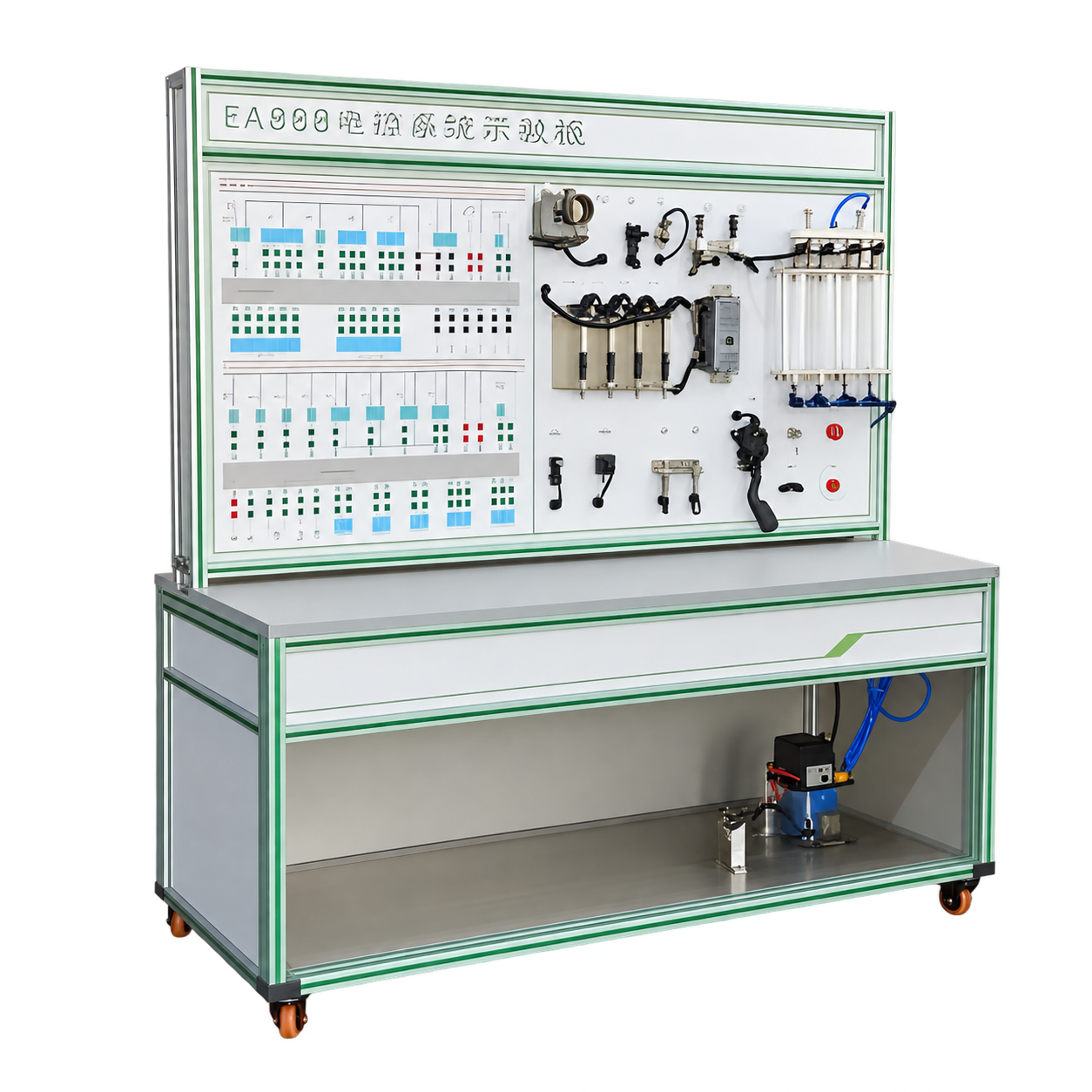
Engine Systems
Distinguish sensing inputs from commanded outputs and map their relationships within the selected engine-control system.
Transmission, driveline, clutch, steering, suspension, braking and ABS trainers for mechanical demonstrations, assembly study and chassis diagnosis.
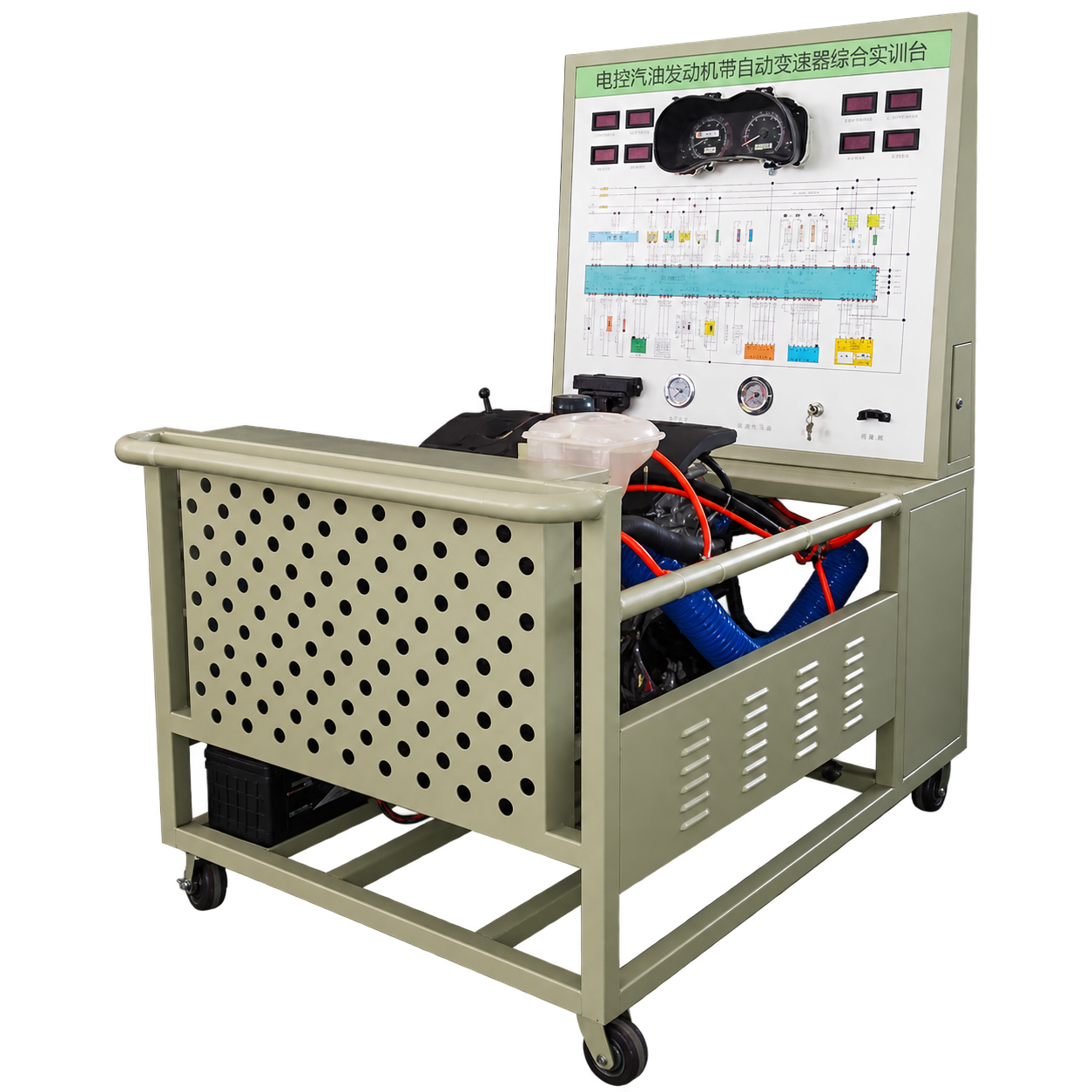
Chassis Systems
Explain engine and transmission interaction by tracing the connections and supported operation of a combined powertrain.
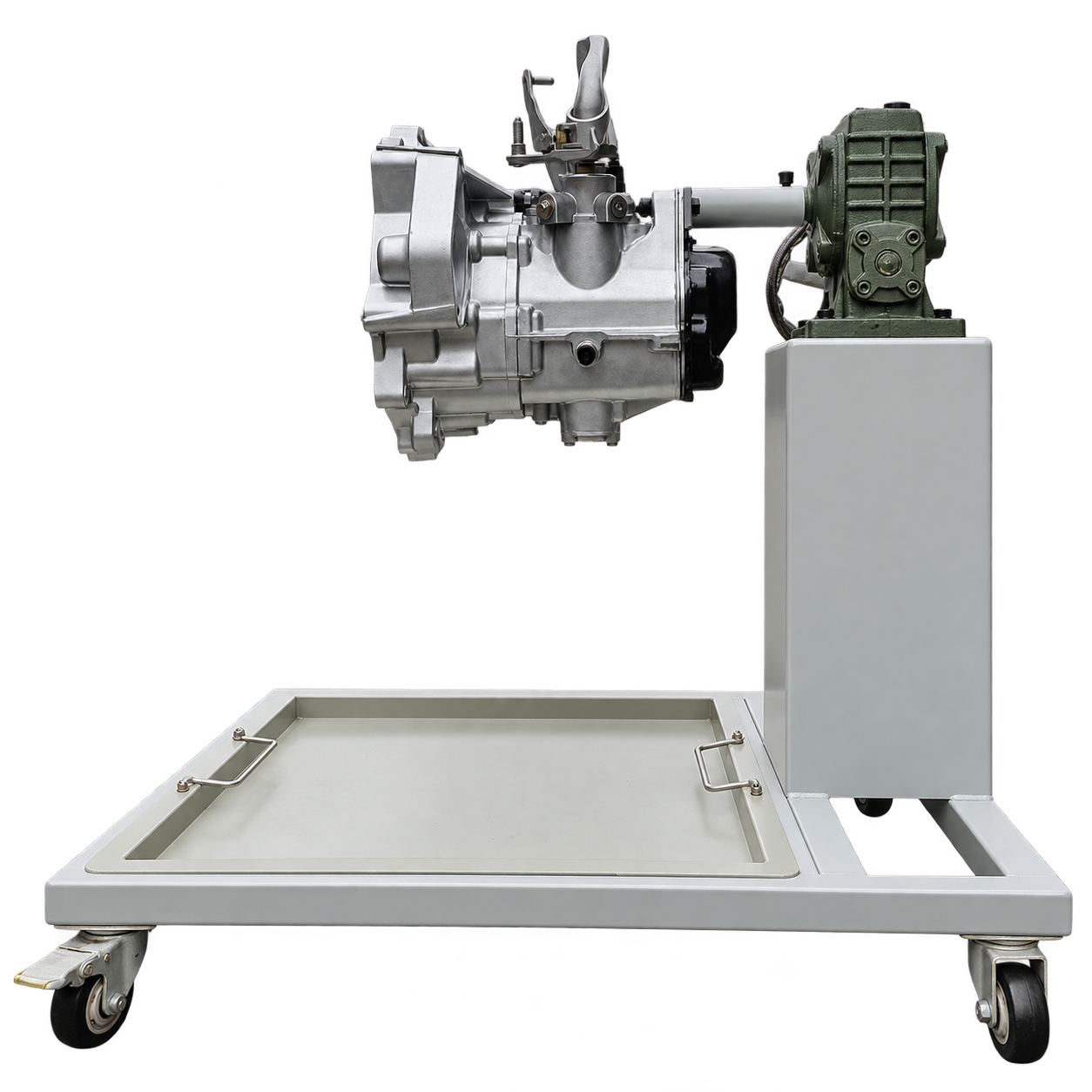
Chassis Systems
Study gearbox construction, trace gear power paths and plan workshop access on a mounted transmission assembly.
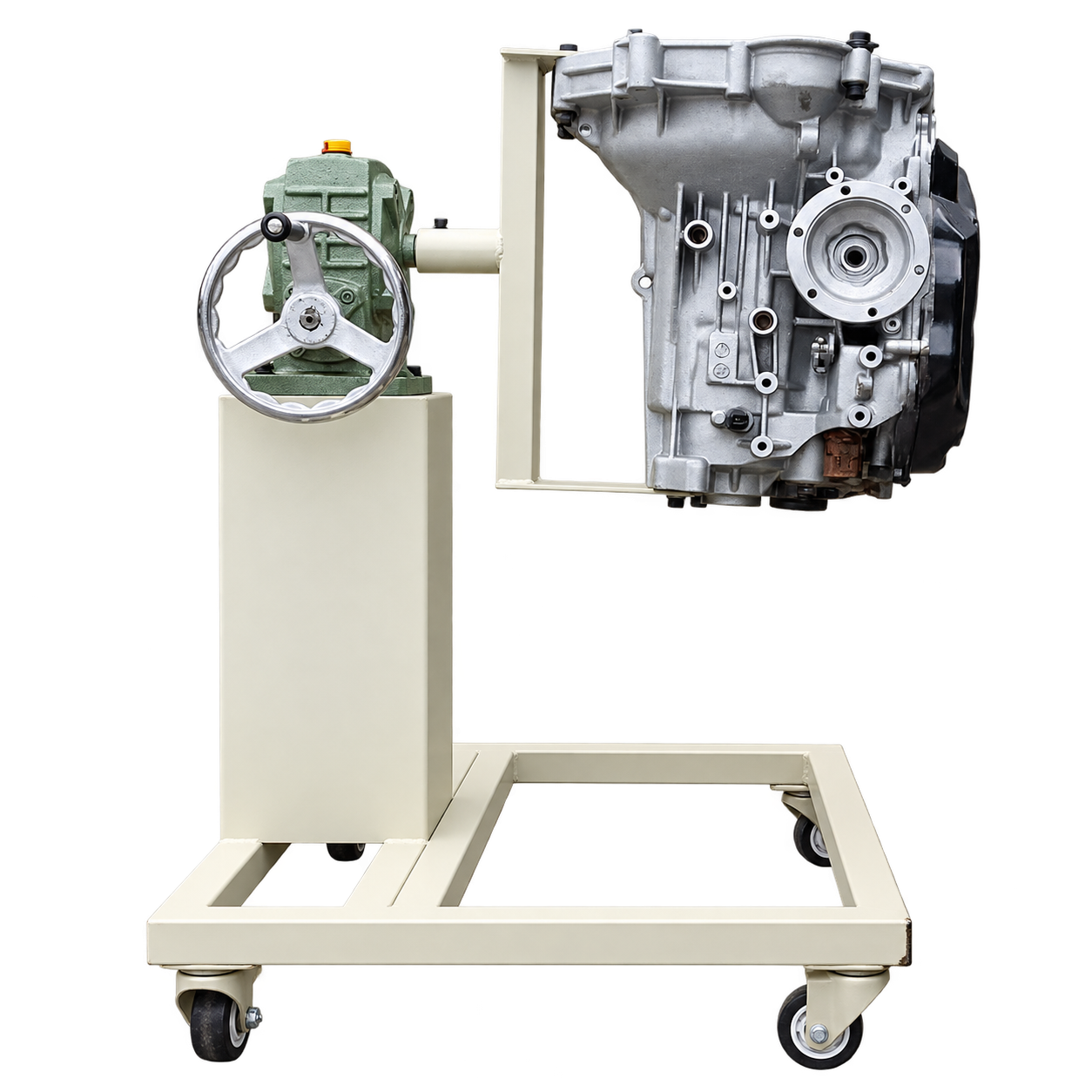
Chassis Systems
Explore component relationships in a mounted transmission assembly and plan permitted workshop access.
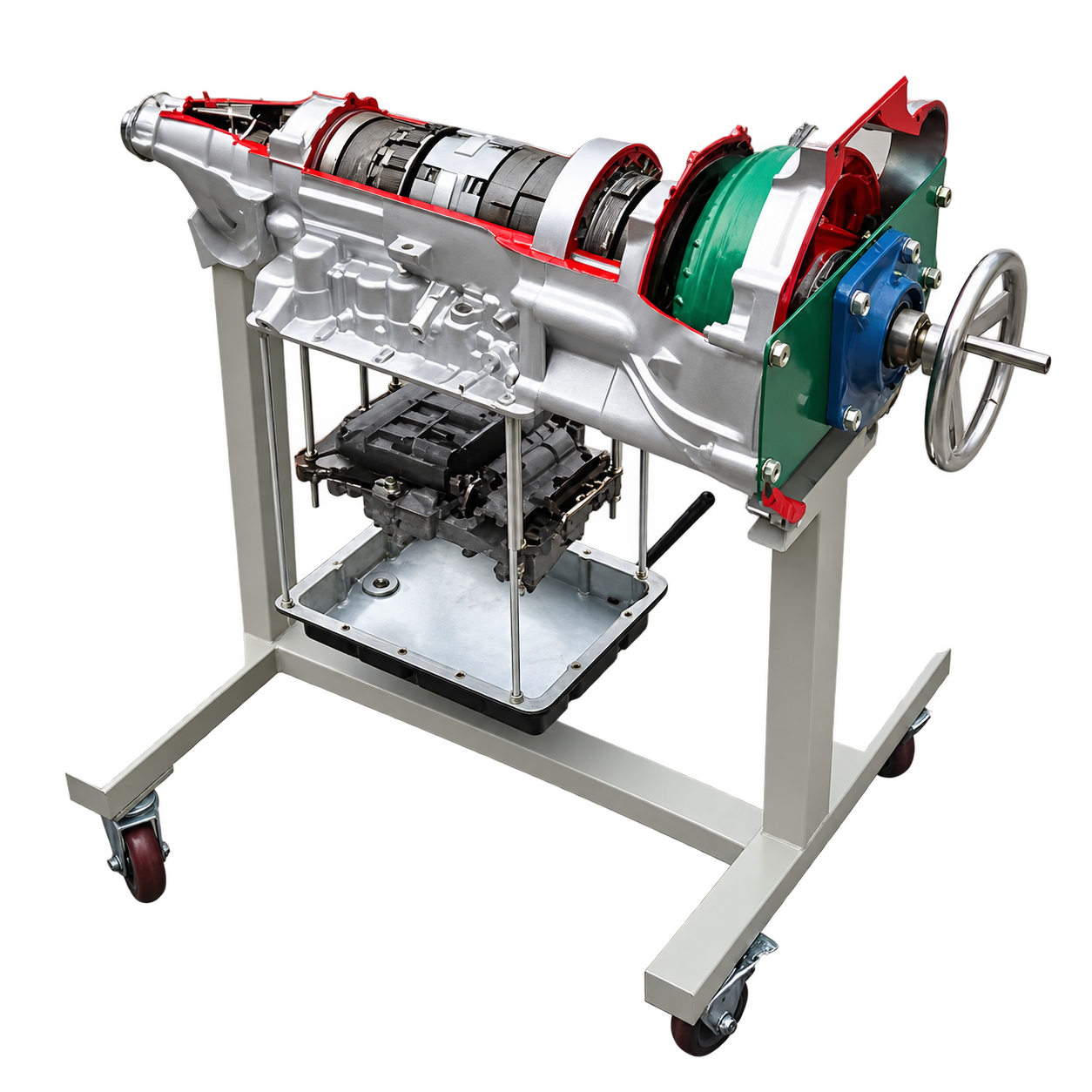
Chassis Systems
Trace demonstrated gear engagement and power flow through the visible components of an operating cutaway.
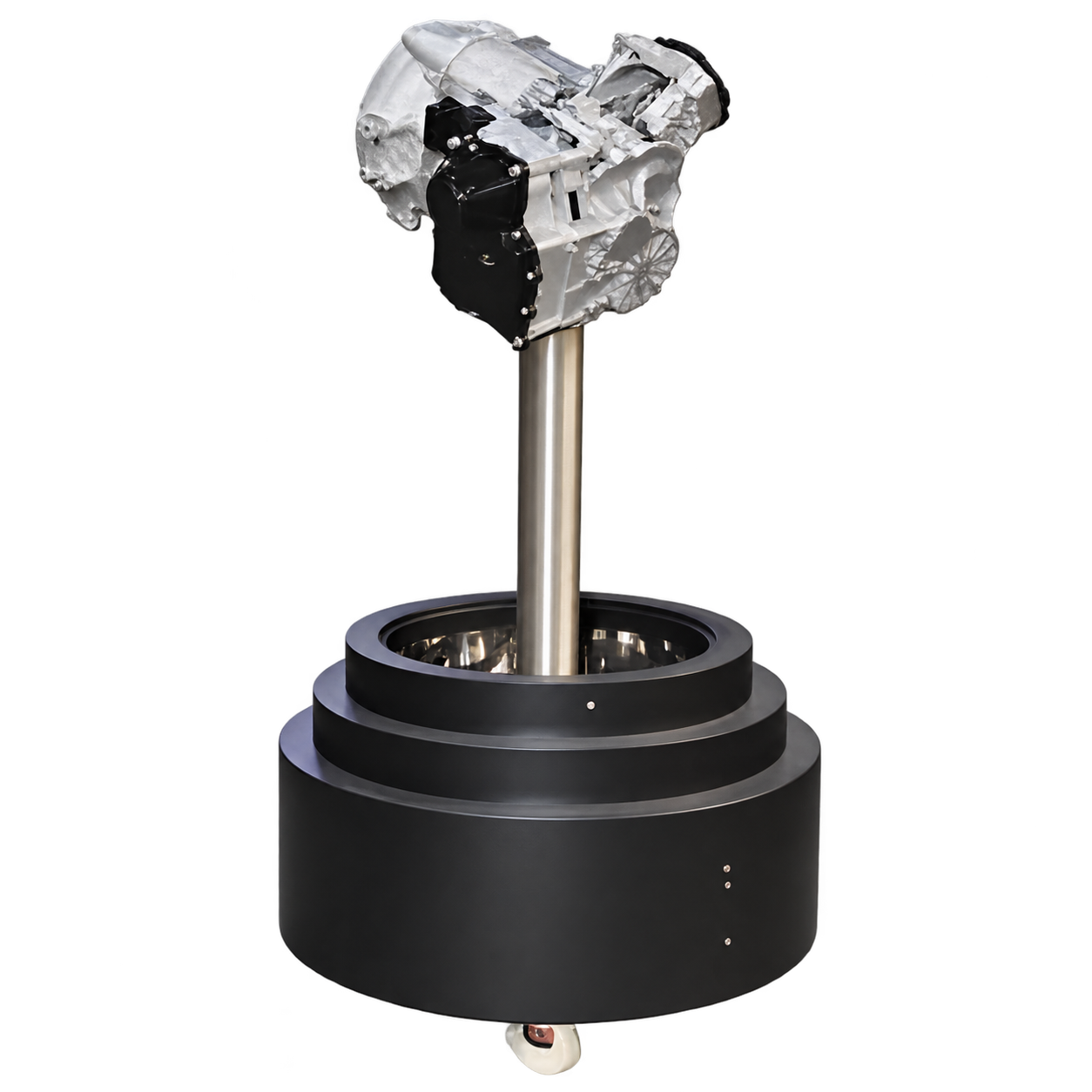
Chassis Systems
Relate internal transmission arrangement to visible movement using a cutaway matched to the selected architecture.
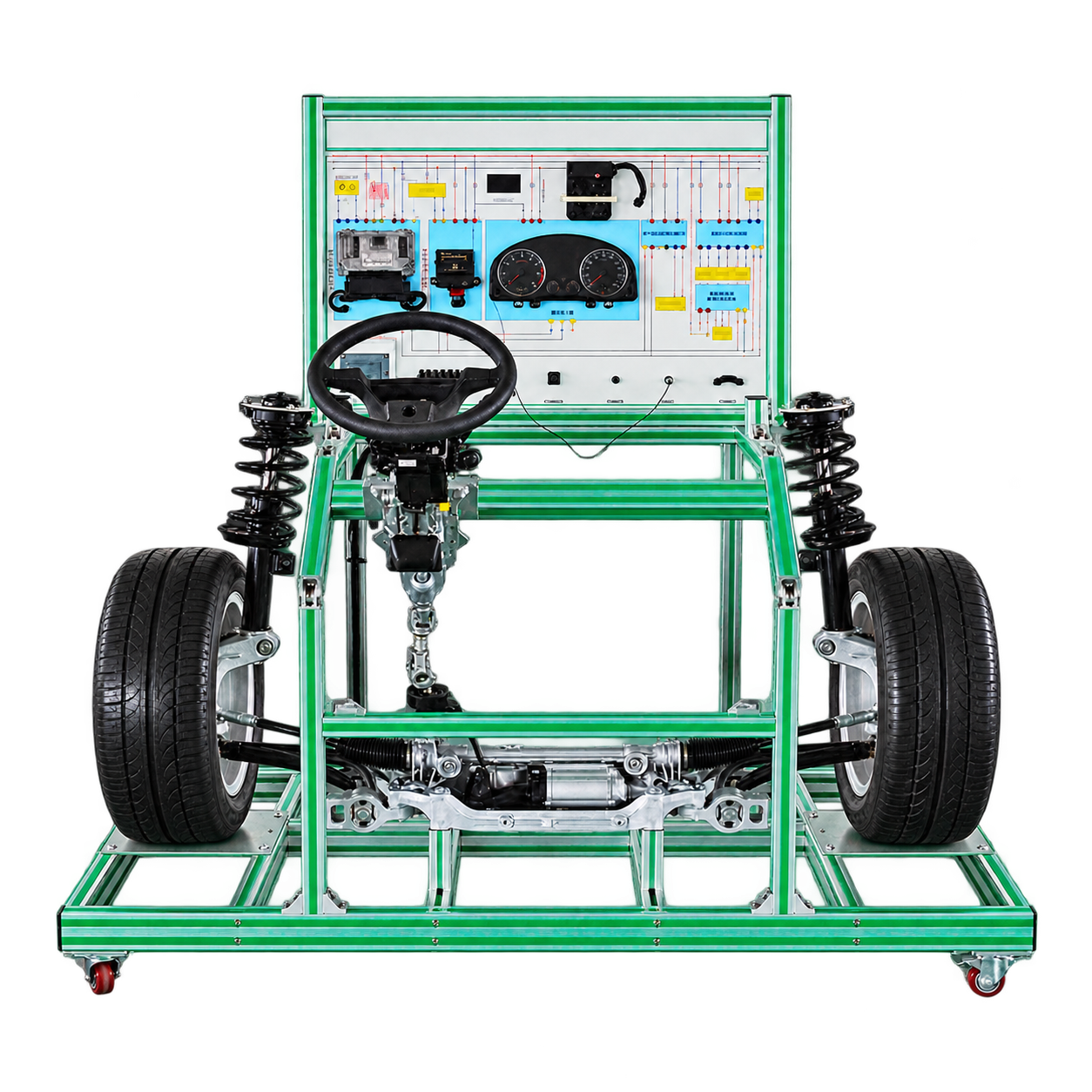
Chassis Systems
Connect steering inputs with wheel guidance and suspension support through the selected chassis arrangement.
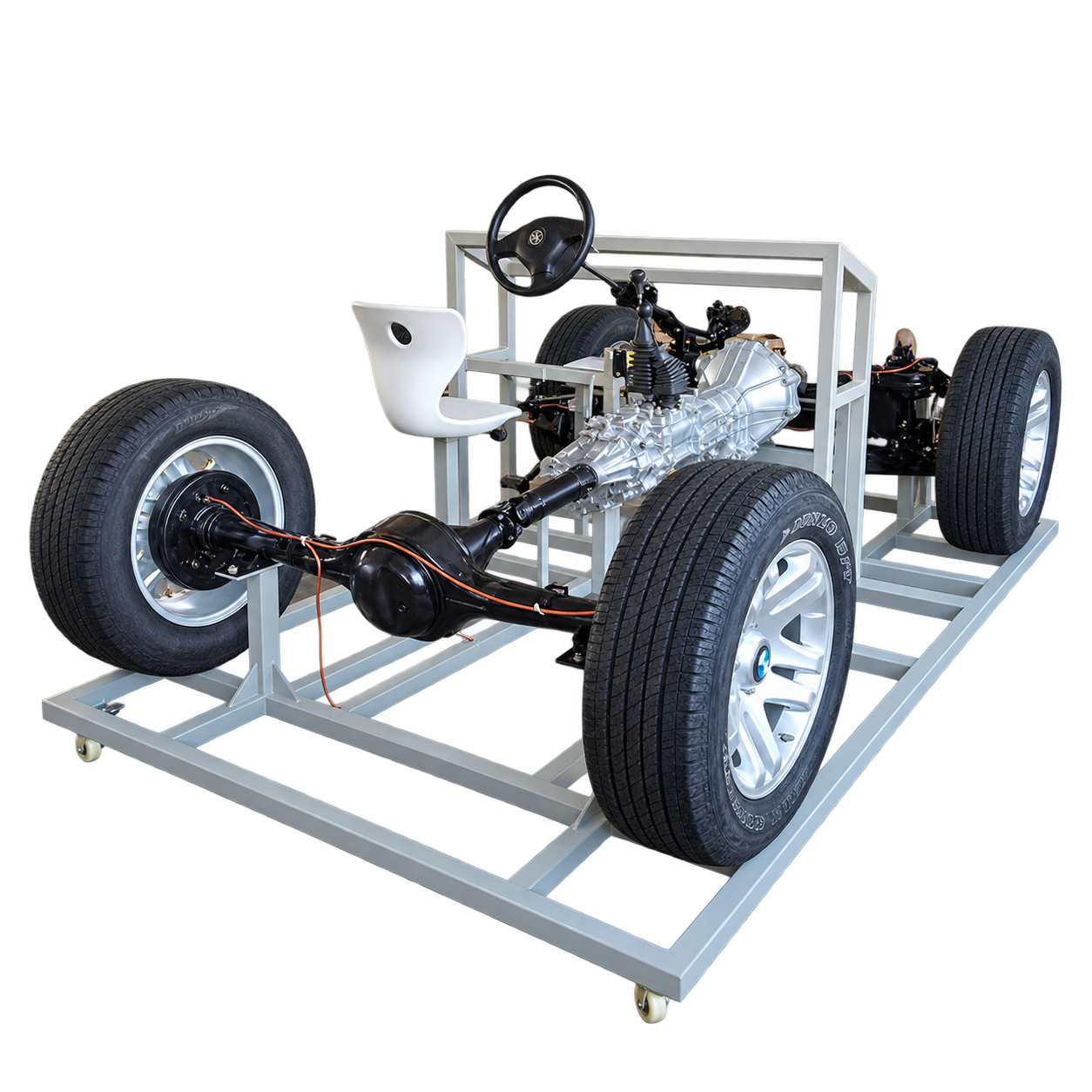
Chassis Systems
Trace how drive reaches the wheels by connecting visible driveline components with the vehicle's power path.
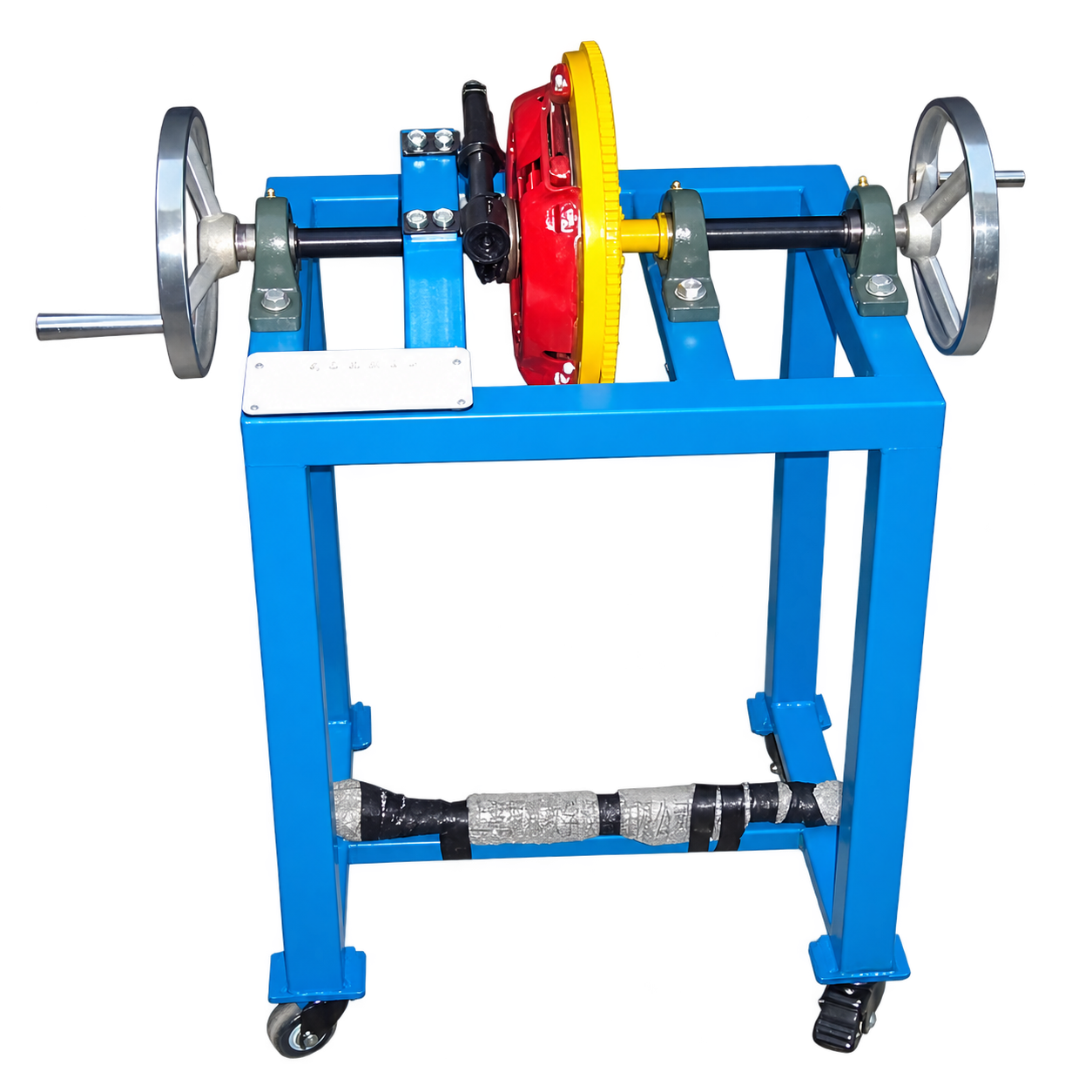
Chassis Systems
Explain how clutch engagement and release connect or interrupt drive between the engine and transmission.
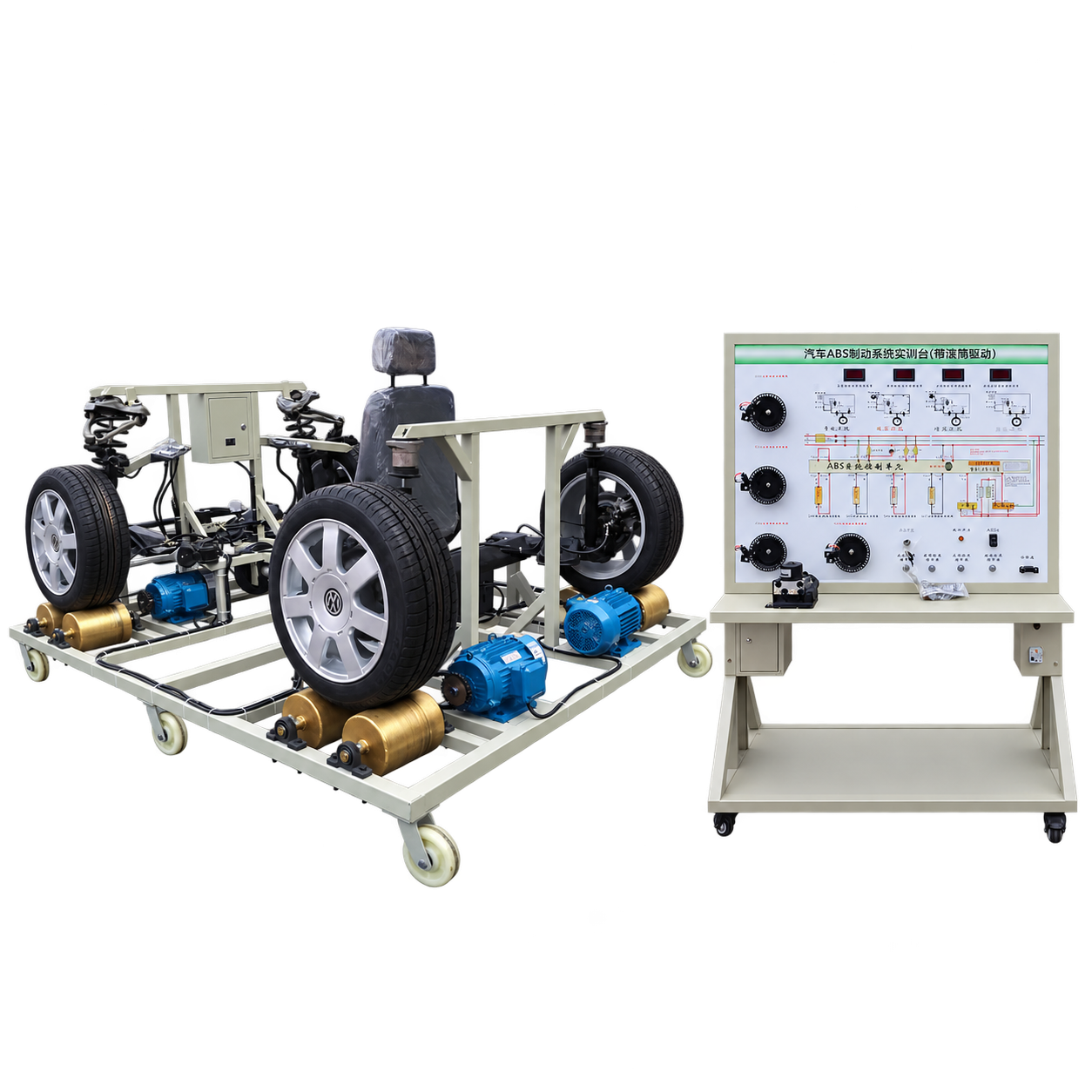
Chassis Systems
Trace a braking request through component relationships and develop an inspection plan for the selected system.
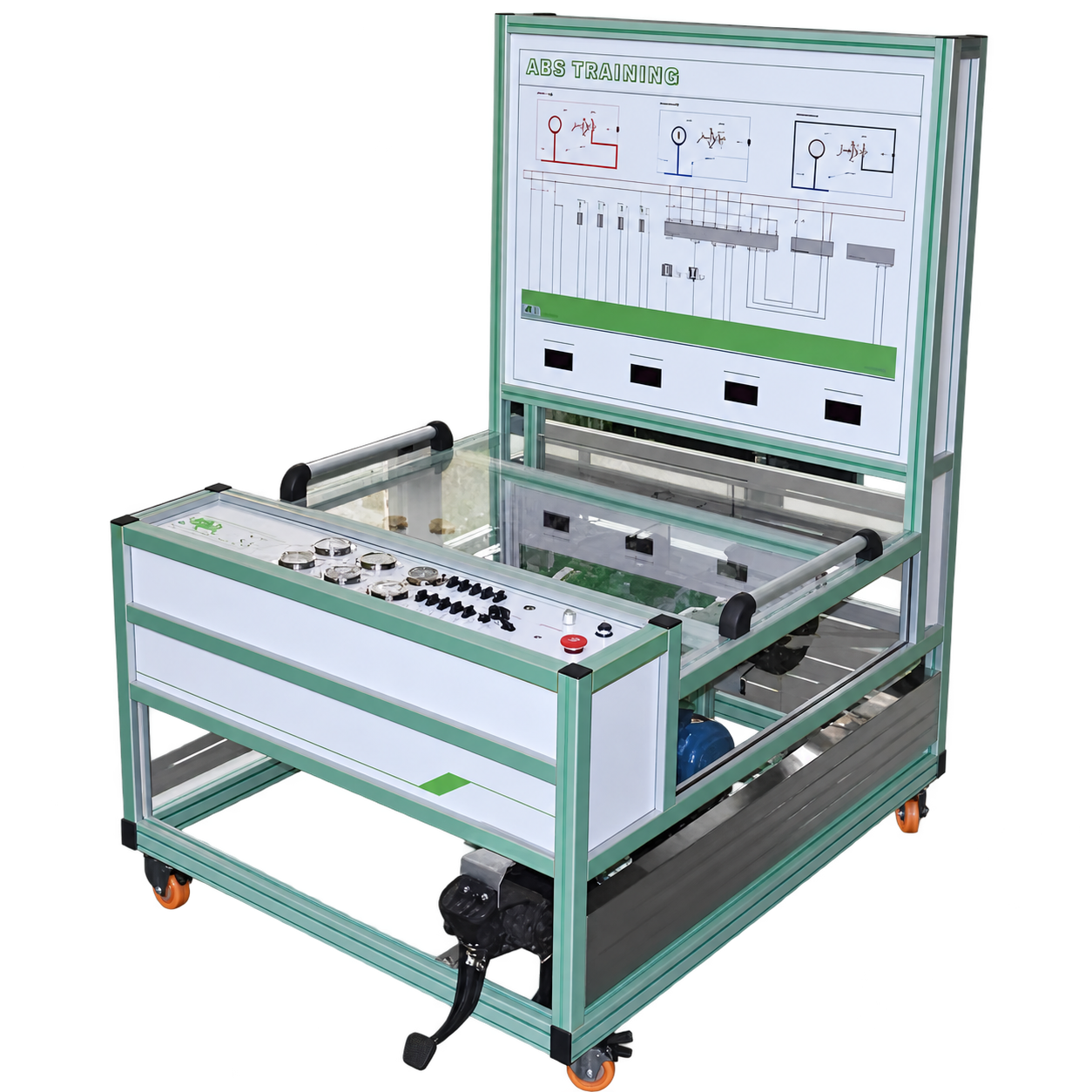
Chassis Systems
Relate wheel-behavior information to ABS control decisions while distinguishing intervention from conventional braking.
Vehicle electrical, CAN, starting and charging, climate, lighting, body-function and restraint benches for circuit study and system diagnosis.
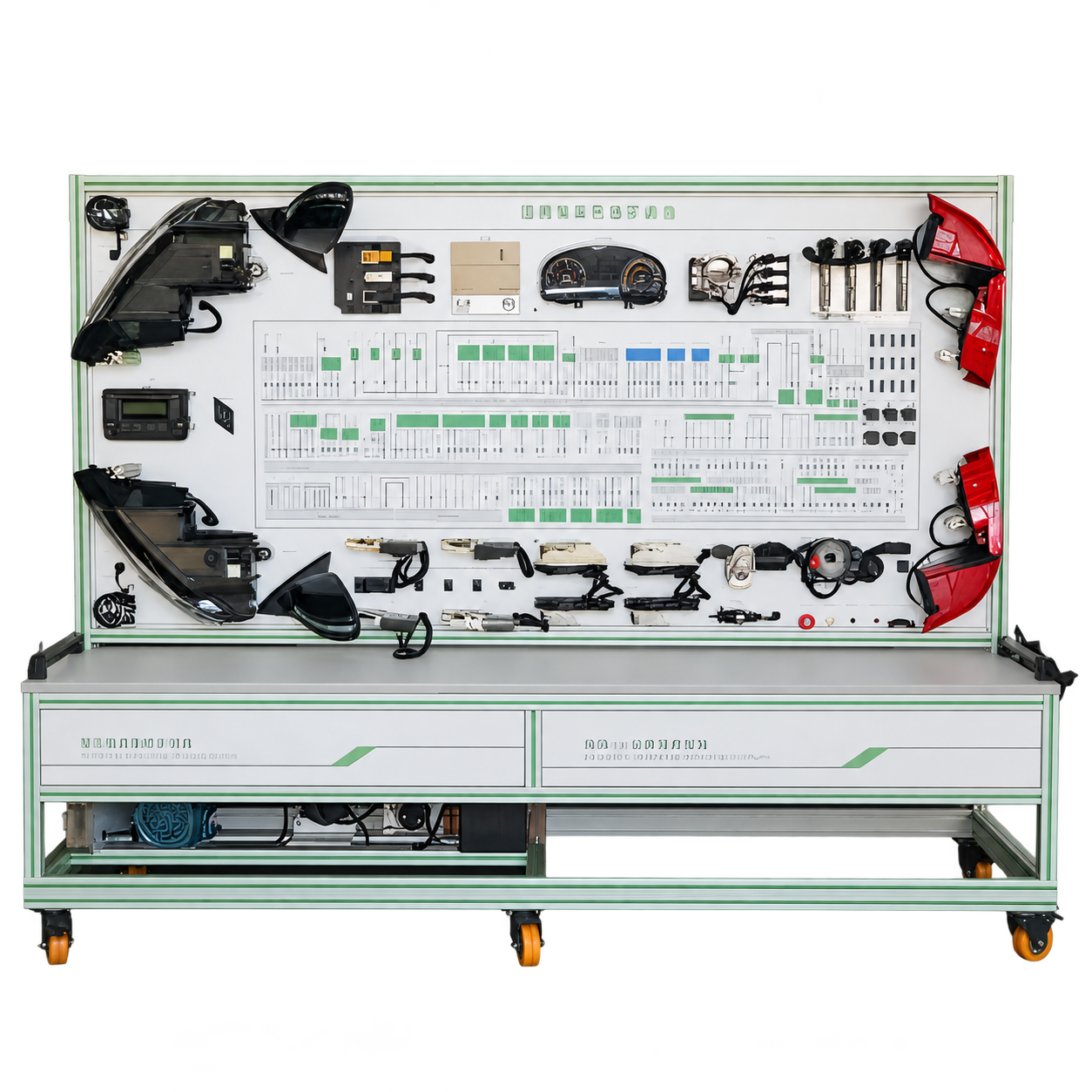
Vehicle Electrical Systems
Explore shared supplies, protection elements and circuit relationships across the fitted vehicle electrical systems.
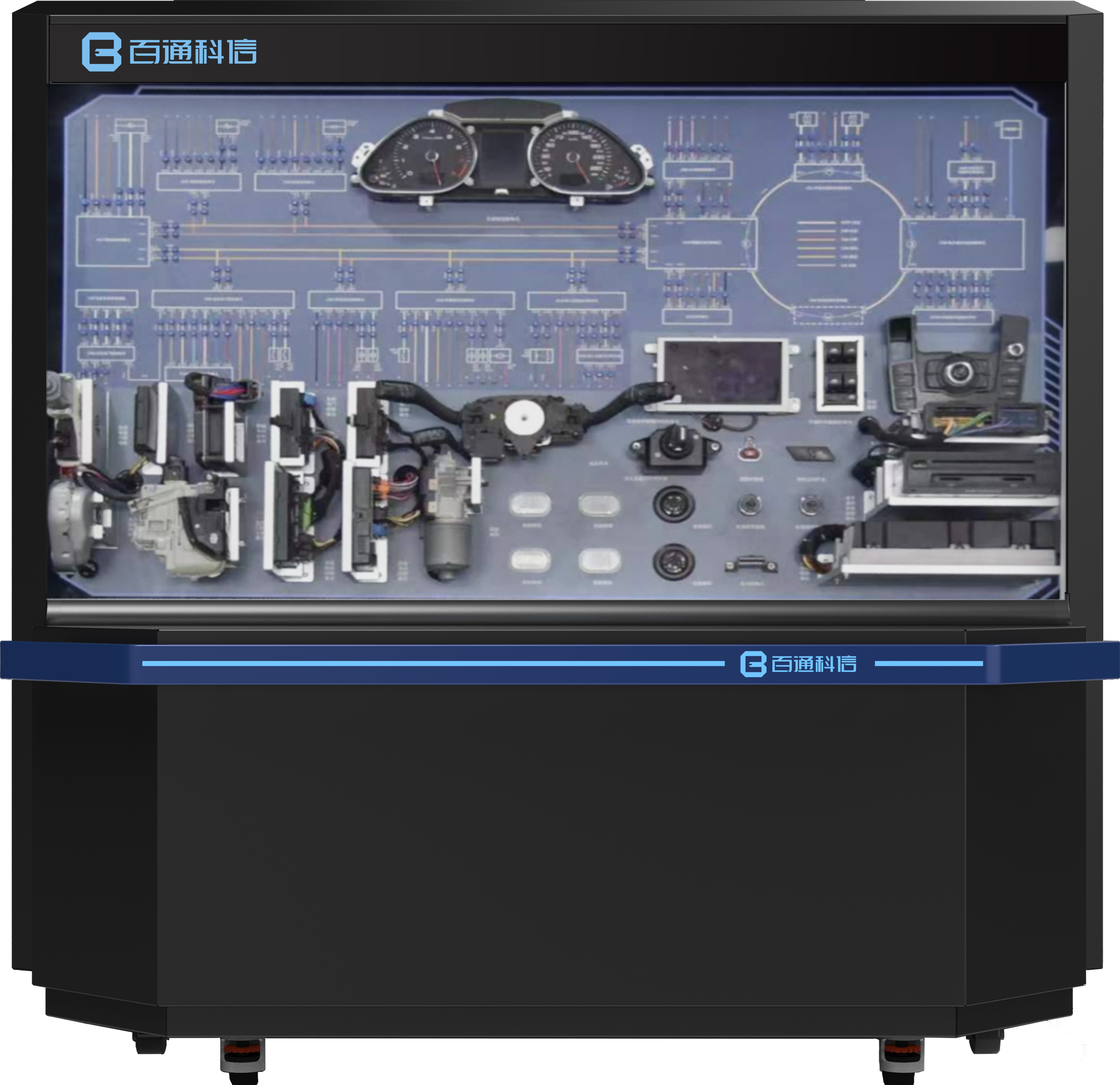
Vehicle Electrical Systems
Map communication between vehicle control units and trace the network relationships supporting a documented function.
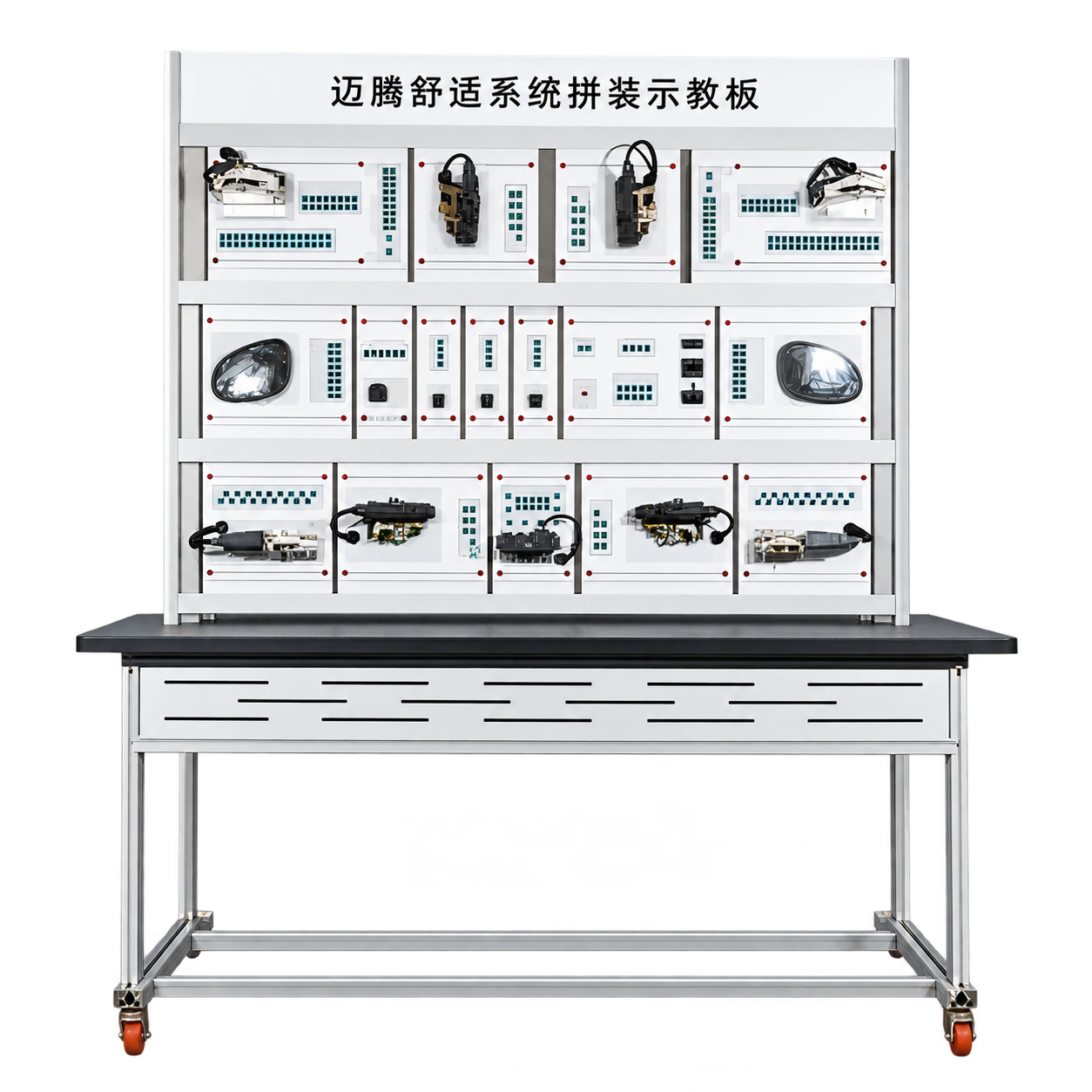
Vehicle Electrical Systems
Follow user requests through comfort-function controls and explain the expected response of the fitted components.
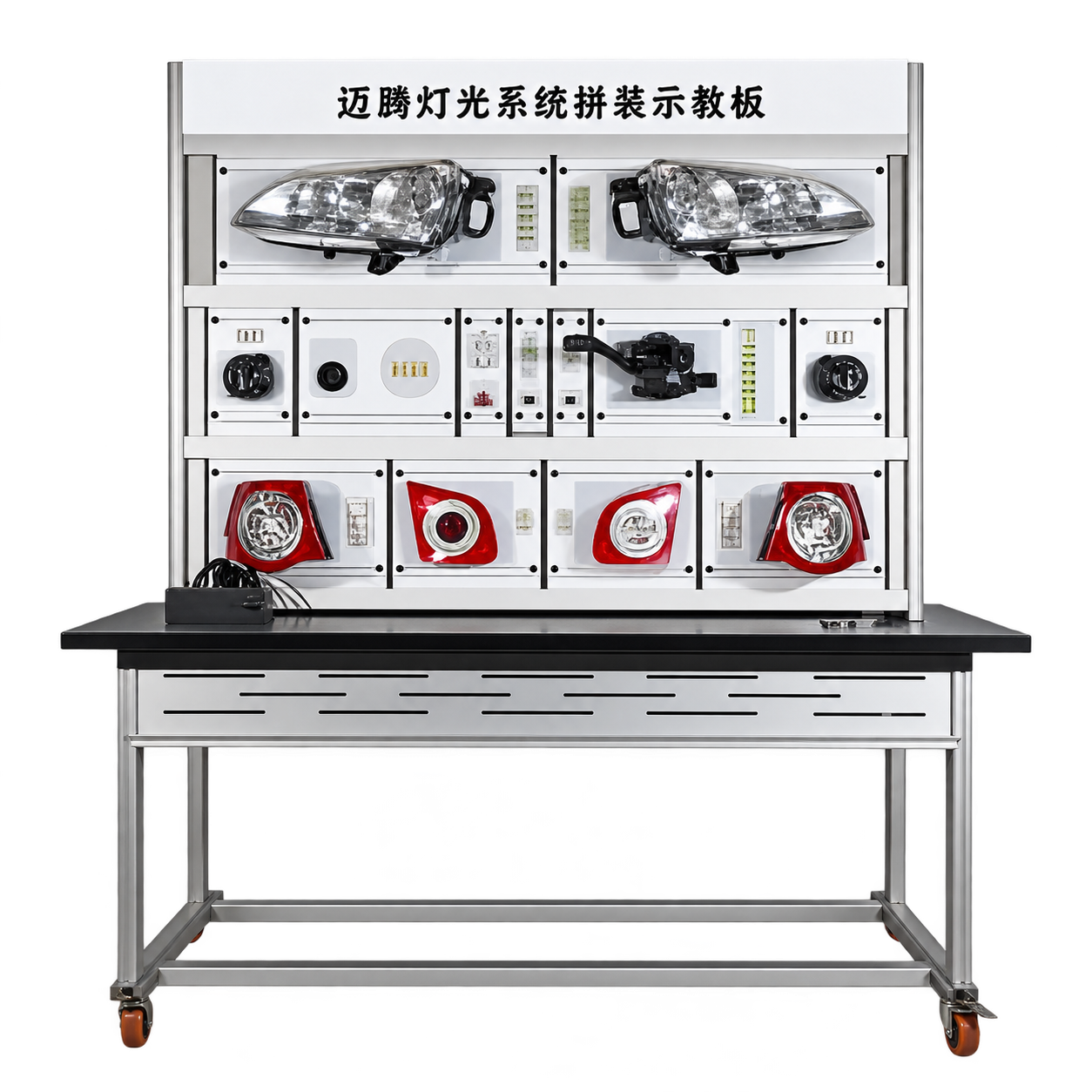
Vehicle Electrical Systems
Trace lighting requests through their control circuits and relate them to the expected lamp response.
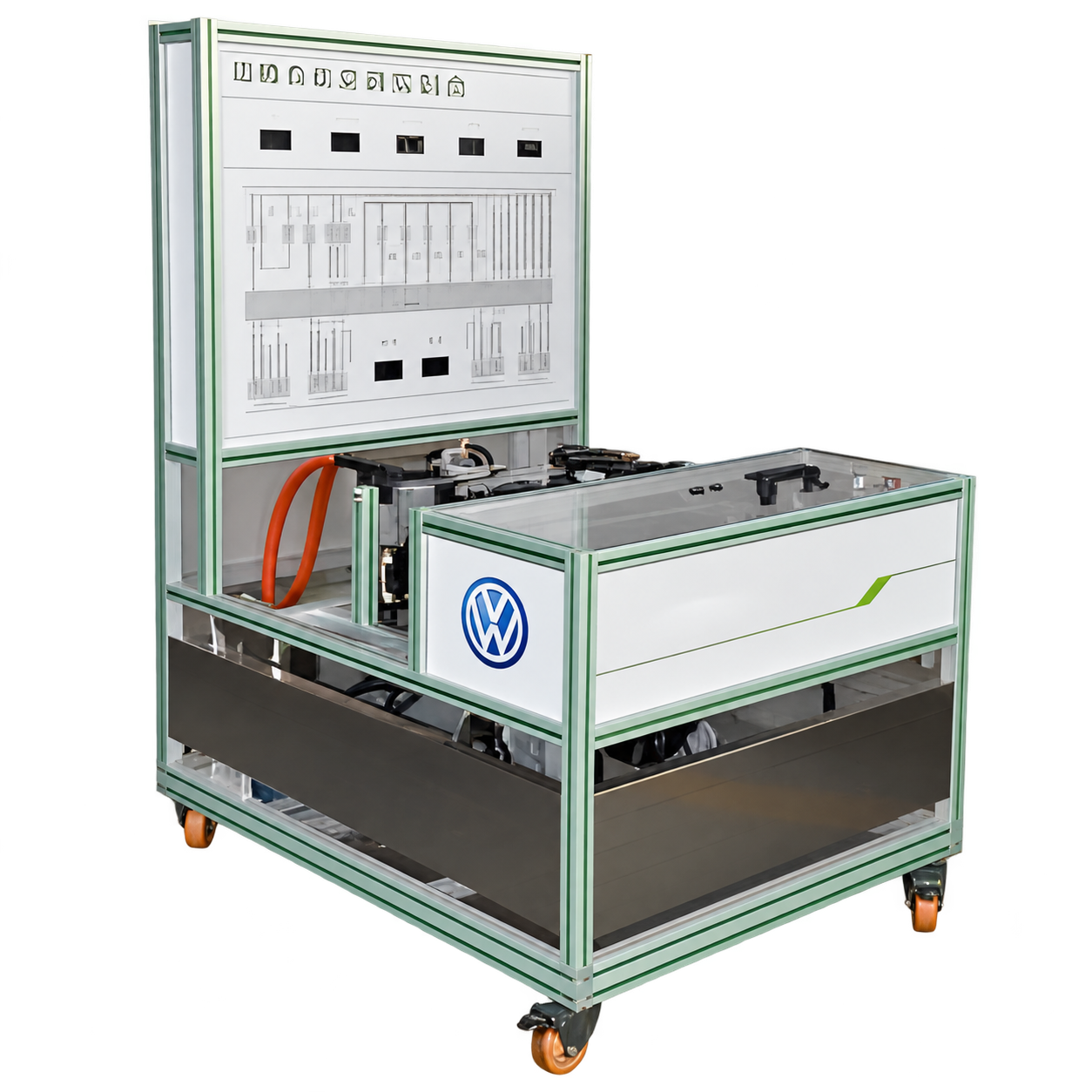
Vehicle Electrical Systems
Relate requested cabin conditions to automatic control decisions and the response of the selected climate system.
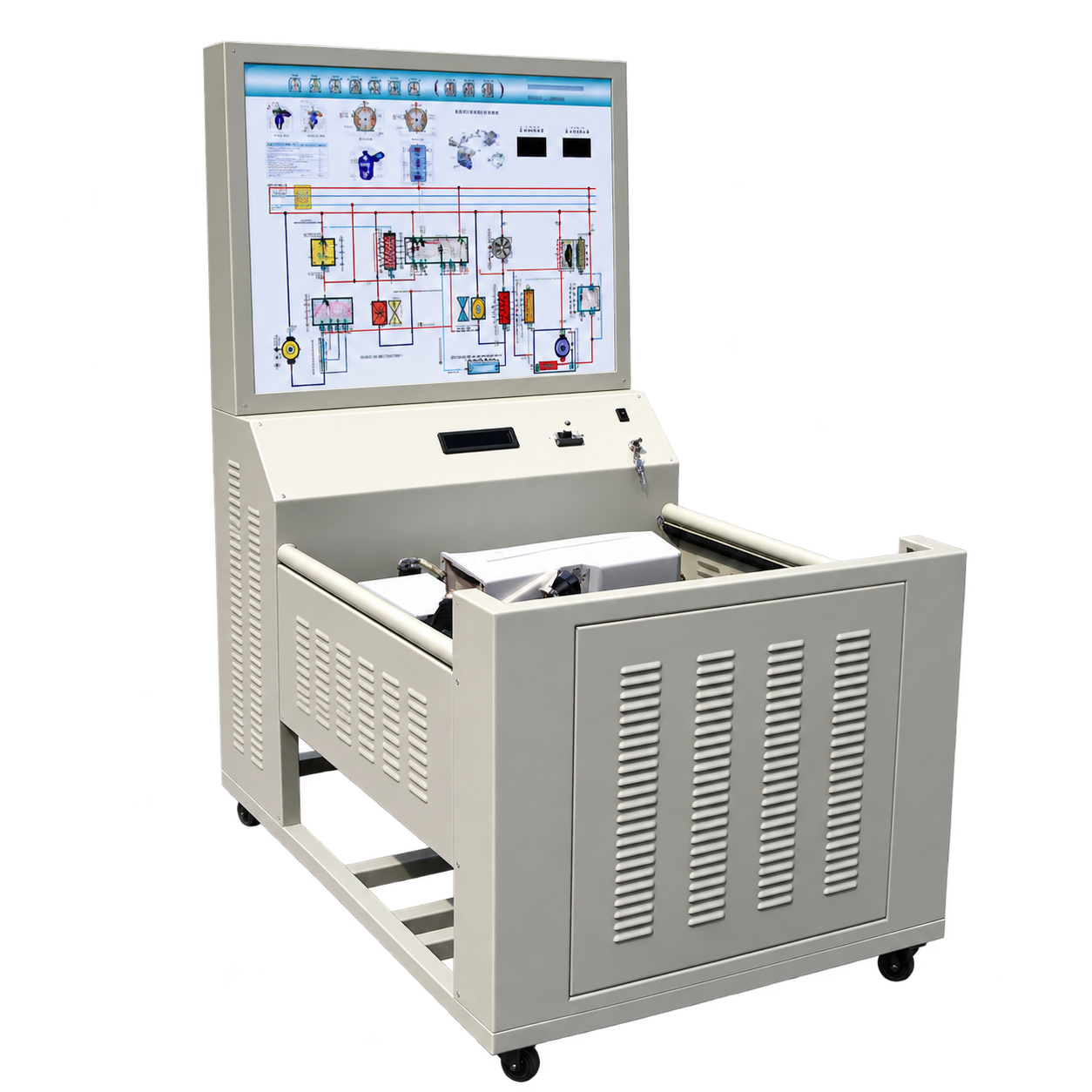
Vehicle Electrical Systems
Follow driver-operated controls to cooling and ventilation requests through the selected system's documented layout.
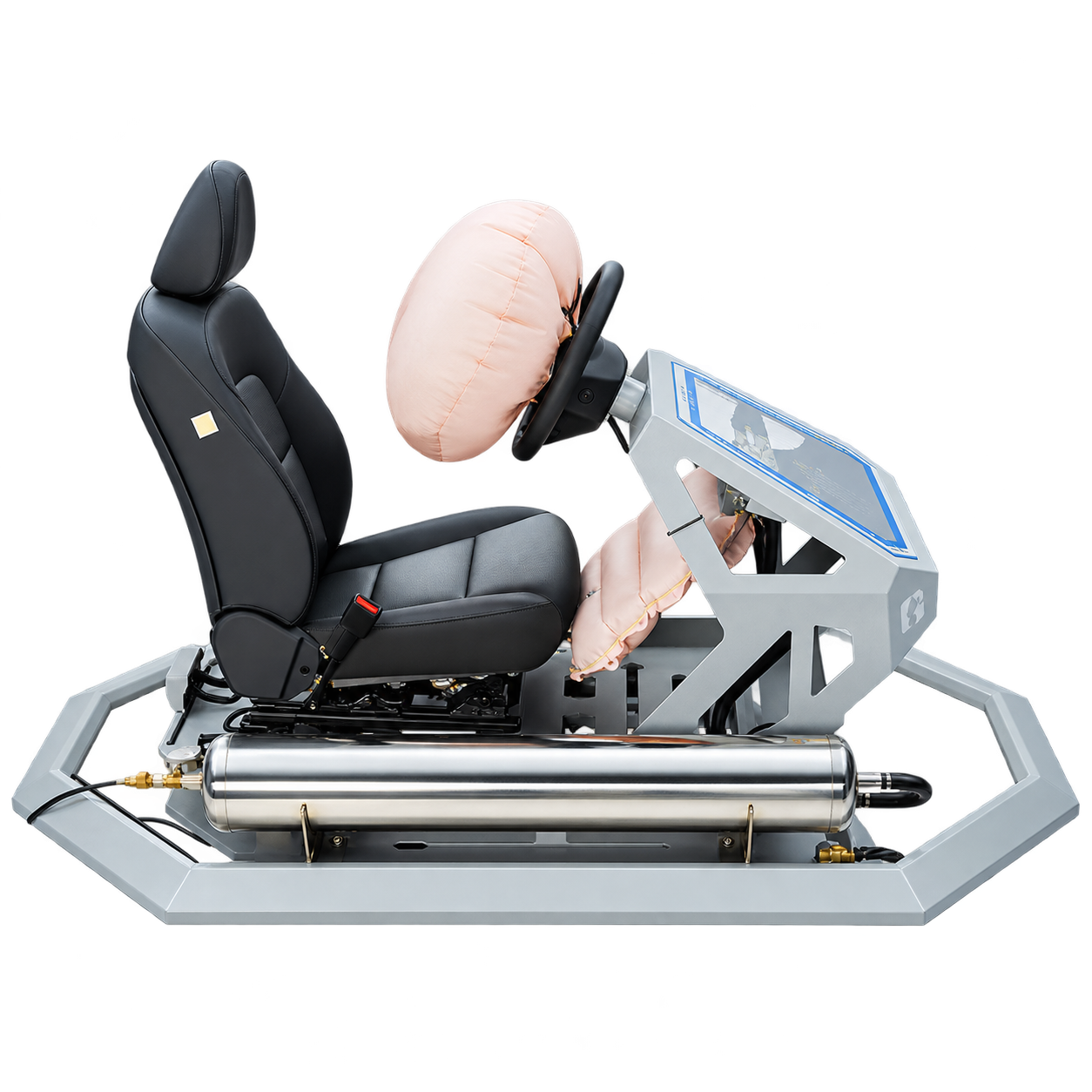
Vehicle Electrical Systems
Study seat functions and occupant protection while distinguishing their service procedures and handling requirements.
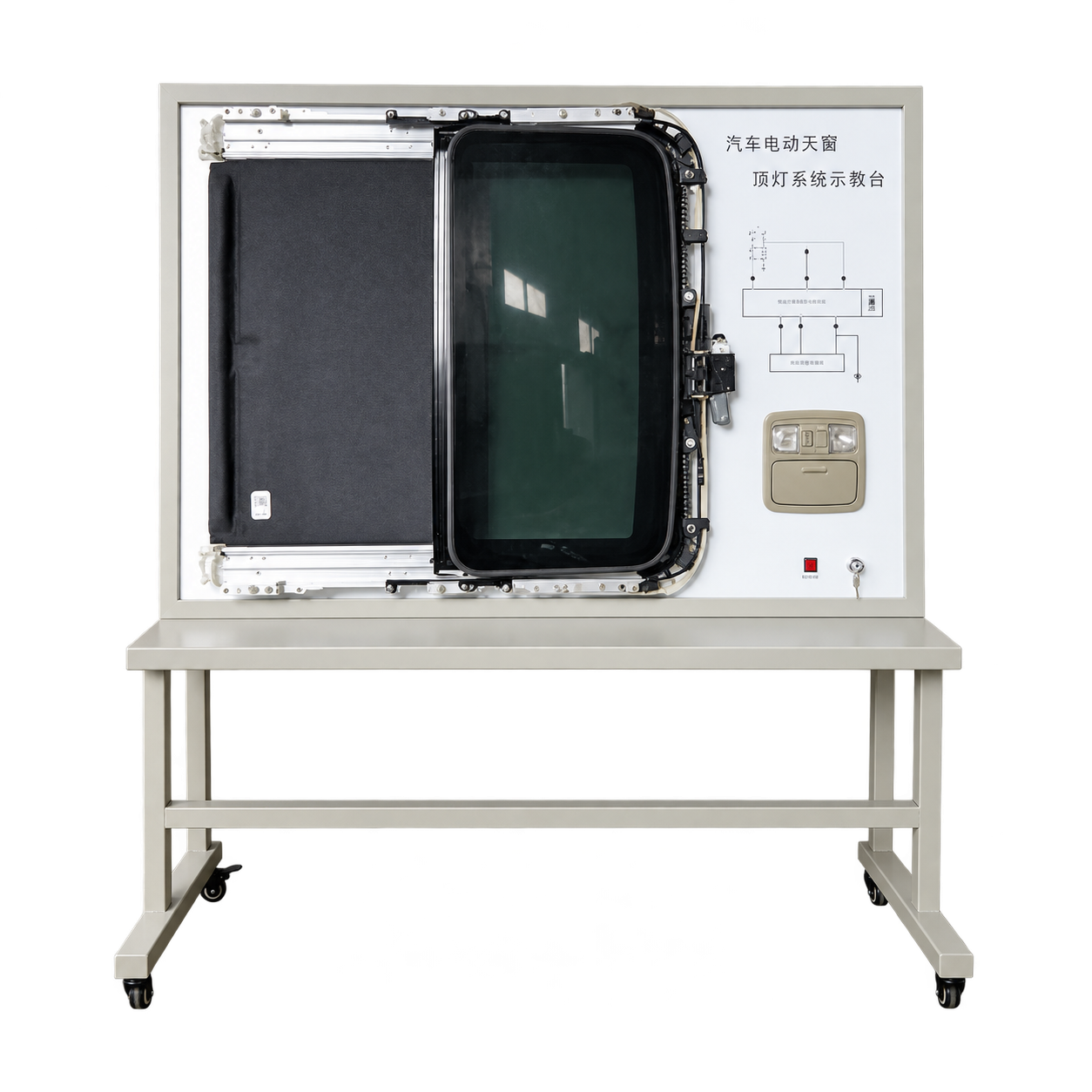
Vehicle Electrical Systems
Connect a sunroof command with its guiding mechanism and explain the supported movement of the selected assembly.
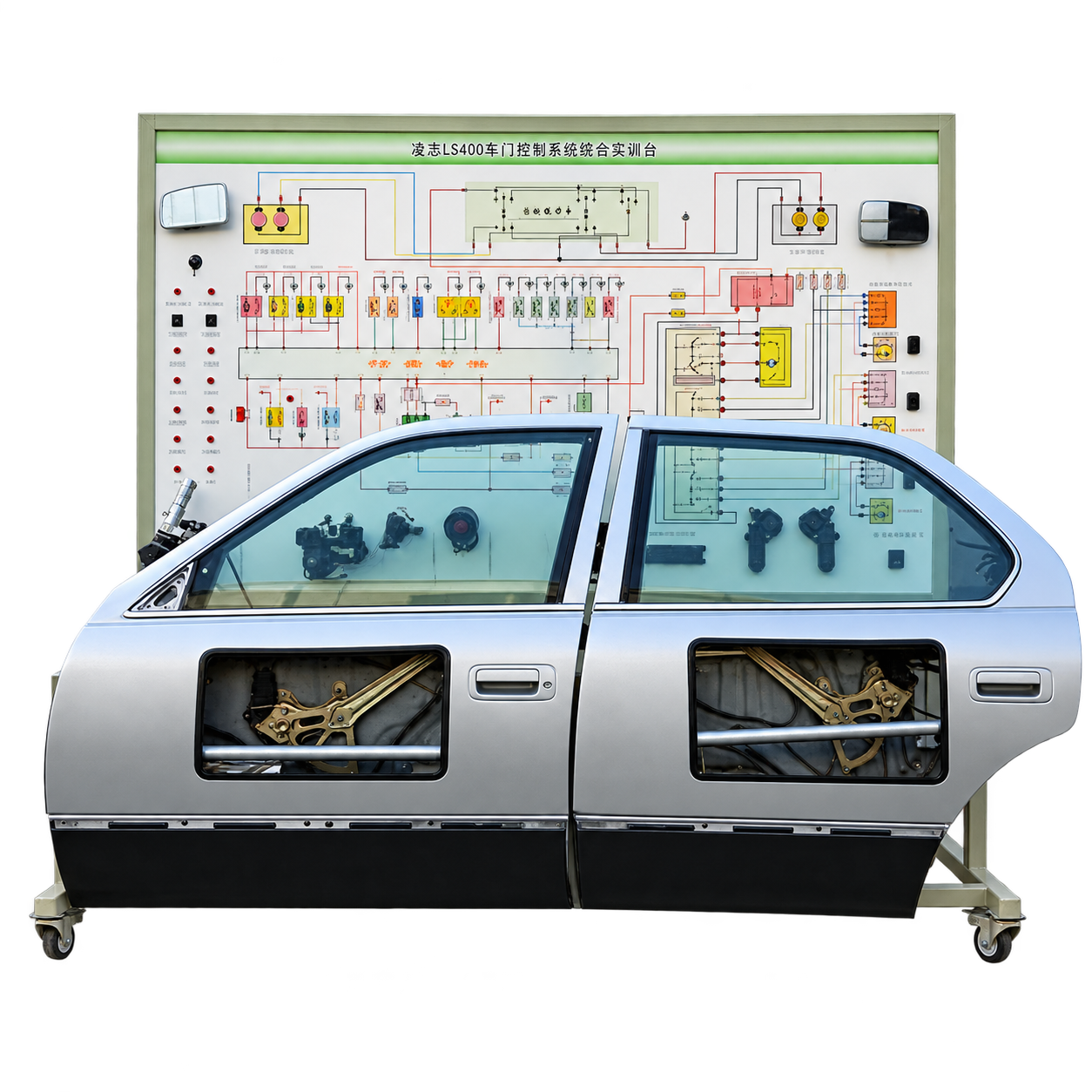
Vehicle Electrical Systems
Relate door components and user-operated functions to their mechanisms, inspection access and service requirements.
Vehicle Electrical Systems
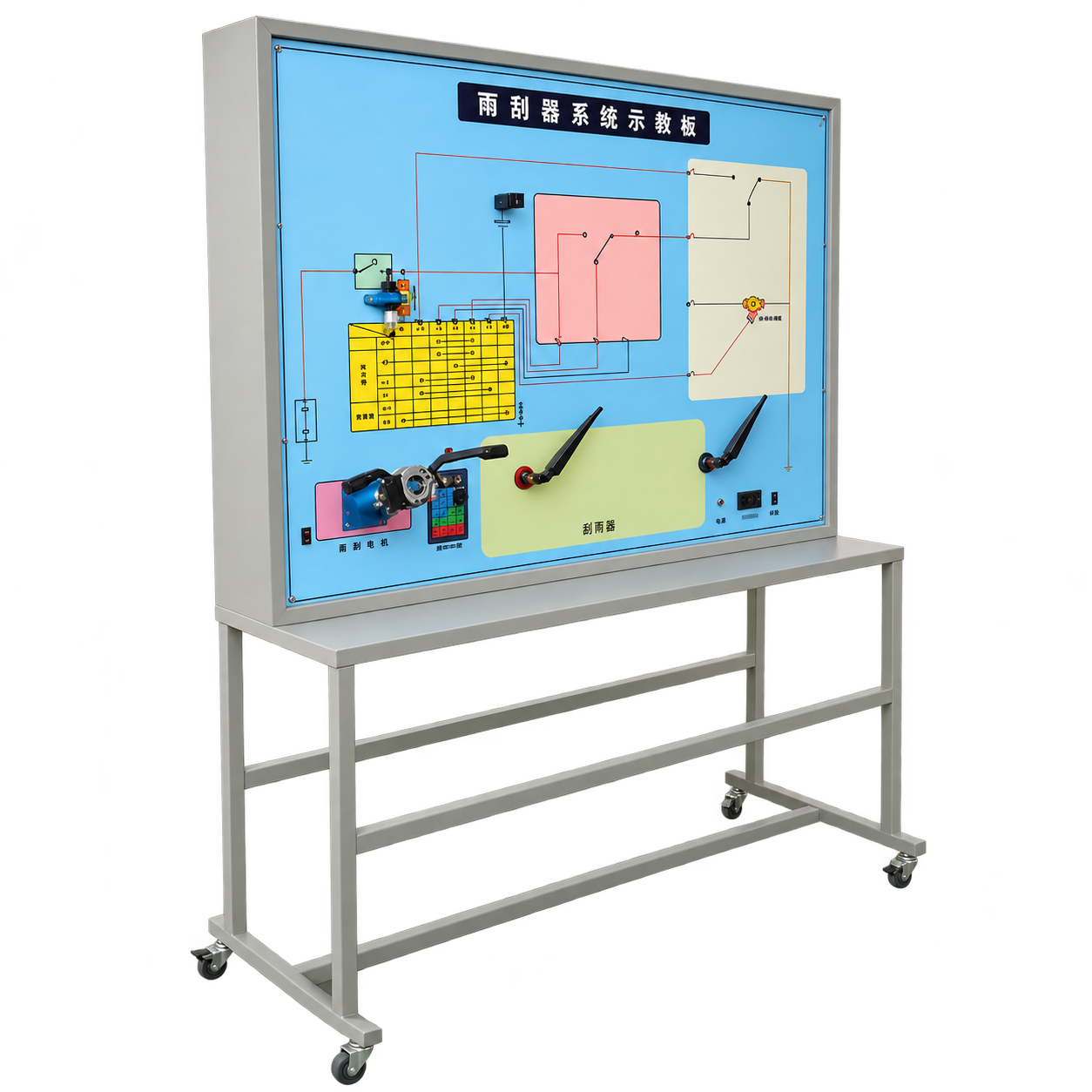
Relate wiper requests to motor and linkage movement while distinguishing electrical faults from mechanical concerns.
Vehicle Electrical Systems
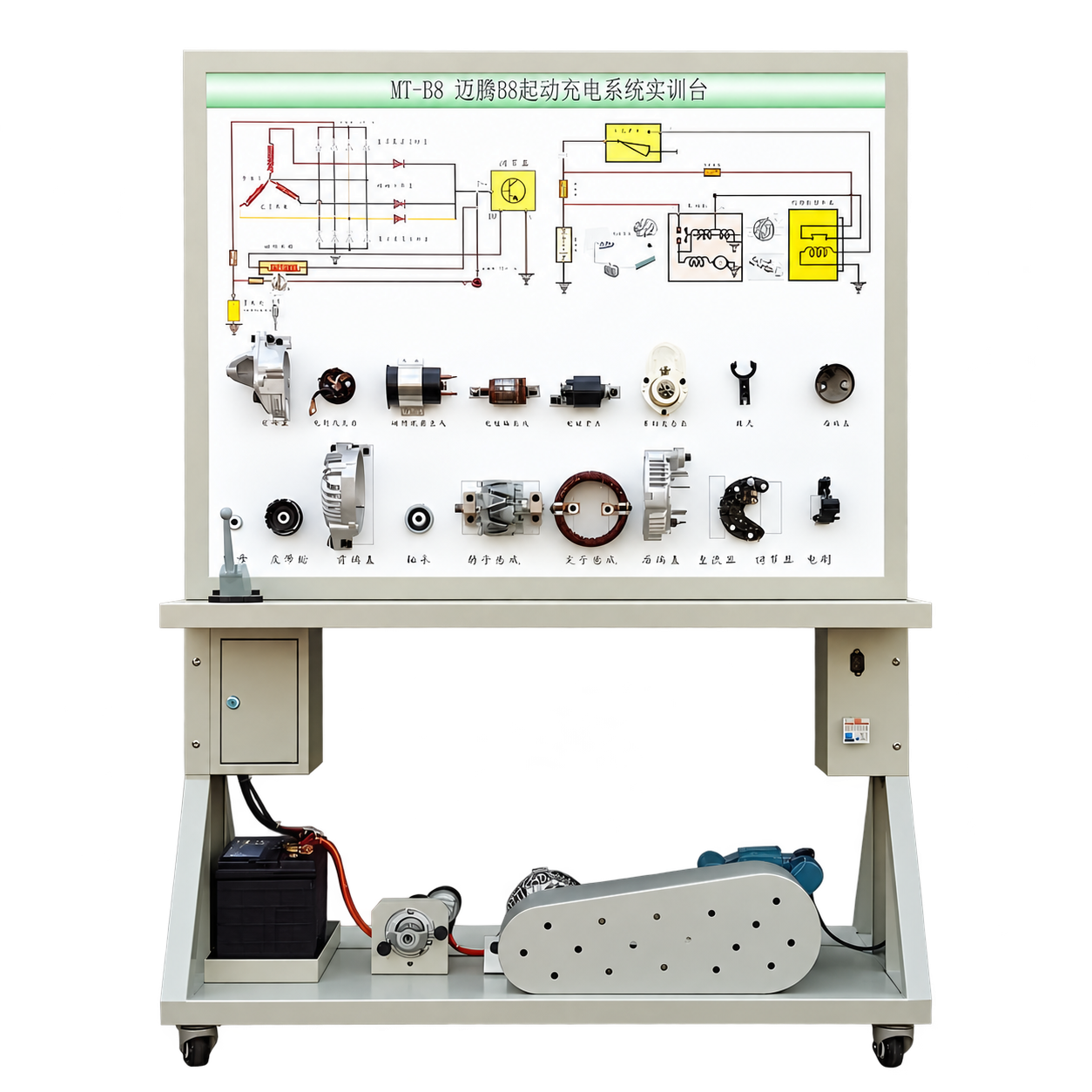
Distinguish starting from charging by tracing the circuits and reasoning through separate operating complaints.
Selection Guide
Turn vehicle principles into workshop learning. Connect engine operation, chassis mechanisms and electrical controls through running trainers, visible assemblies and focused teaching benches.
Follow sensor inputs and commanded outputs during an engine-running demonstration, using the selected trainer's documented interfaces.
Explain gear movement with a cutaway, then choose a workshop assembly for approved dismantling, inspection and reassembly tasks.
Use dedicated electrical benches to trace starting, charging and body-system circuits, then explain a reasoned test plan.
BTKX Support
Bring engine demonstrations, mechanical workshop tasks and circuit lessons into one equipment brief, then define the resources and delivery scope that support them.
BTKX's electrical teaching guide connects circuit interpretation, measurement planning, recorded observations and verification. Its assessment framework helps instructors review the evidence behind a learner's conclusion alongside the final answer, with practical tasks matched to the actual equipment configuration.
Read the Electrical Diagnosis Teaching GuideIdentify the engine and transmission designs, electrical systems and practical actions in the syllabus. Compare documented trainer functions with the required observations, permitted handling tasks and instruments before setting workstation quantities.
Review School Equipment PlanningWork with school teachers on course objectives, practical task sheets and teaching media matched to the selected automotive equipment. Agree the textbooks, digital formats and assessment materials required for each unit.
Explore Automotive Course ResourcesThe Guangdong Corolla project shows how a simulation can follow a college's teaching fleet and fault tasks. Review this reference when defining the vehicle context and evidence required from virtual diagnostic practice.
Read the Corolla Simulation CaseFor an international workshop project, coordinate the agreed equipment, site requirements and commissioning responsibilities. Include manual languages, local transport arrangements and instructor handover in the delivery scope before the equipment ships.
Review Export and Handover SupportProduct Questions
Review equipment roles, practical teaching tasks and configuration requirements before choosing your platforms.
A running trainer relates engine behavior to electronic inputs and control actions. An operating cutaway makes internal mechanisms and their movement visible for engine-principle lessons. Select the actual engine and demonstration method around the explanation or observation students need to produce.
An operating cutaway shows gear movement and the demonstrated power path. A separate turnover-mounted assembly provides a subject for component study and approved workshop access. Confirm the permitted dismantling, inspection and reassembly tasks for the selected gearbox rather than assuming both formats support the same exercises.
Compare the fitted system list with the syllabus. Dedicated CAN, lighting, starting-and-charging or body-function benches provide more focused subjects where the course needs them. Actual circuit readings depend on the selected bench's test access, instruments and approved measurement procedure.
Identify the engine and transmission designs, electrical systems and planned demonstration or workshop tasks. Include required instruments, service information and permitted handling scope. Confirm the equipment's supply, operating space and any ventilation requirements before finalizing the room layout.