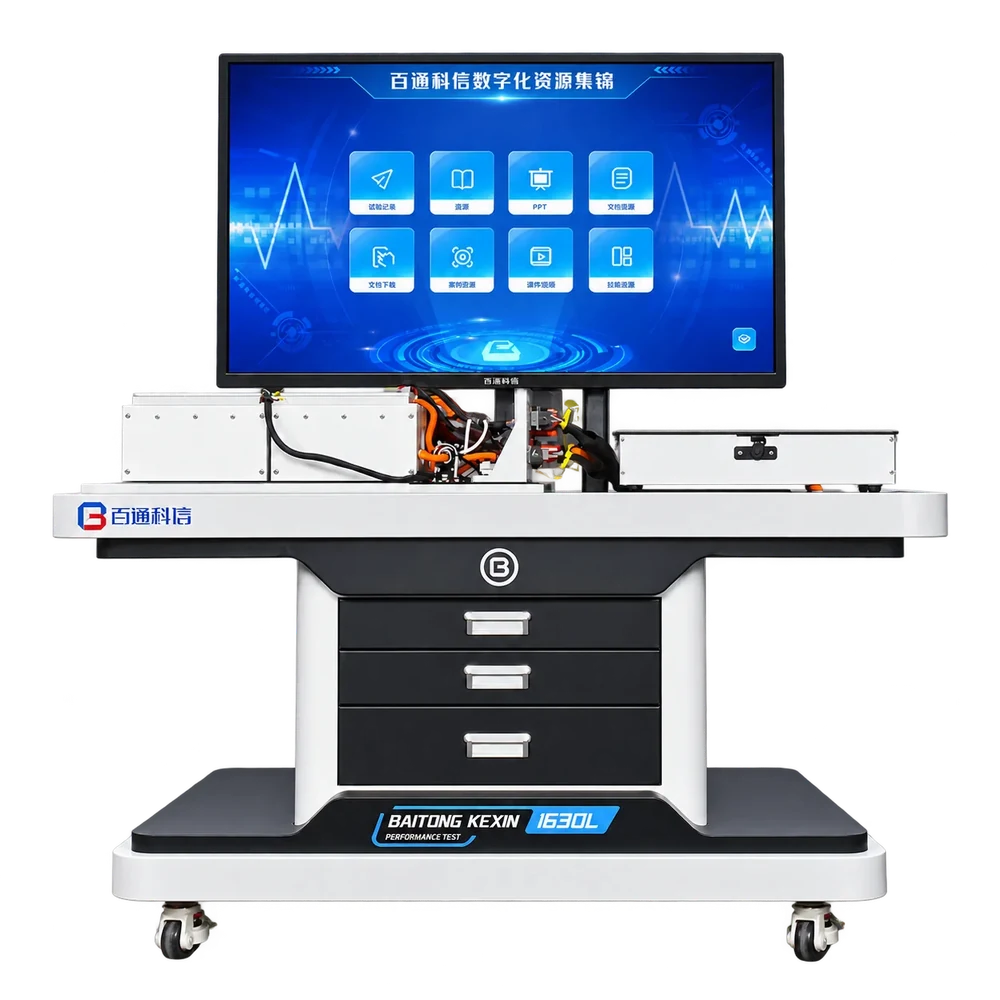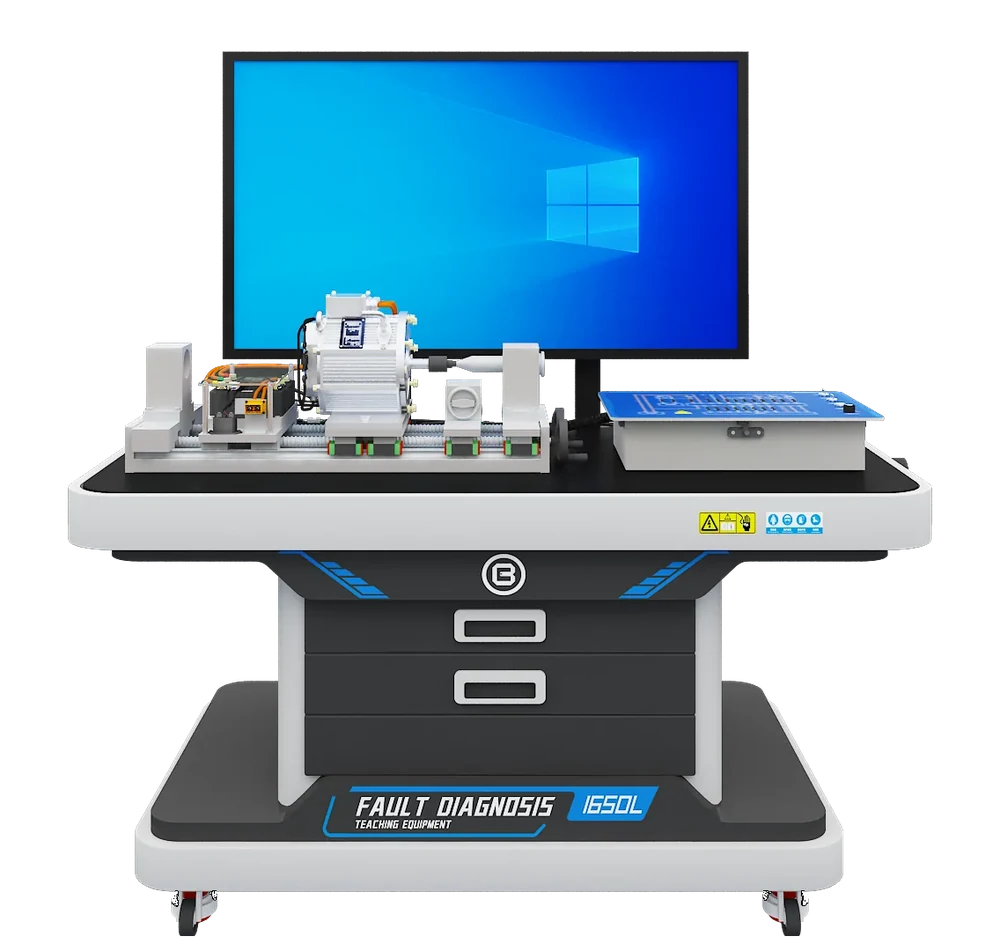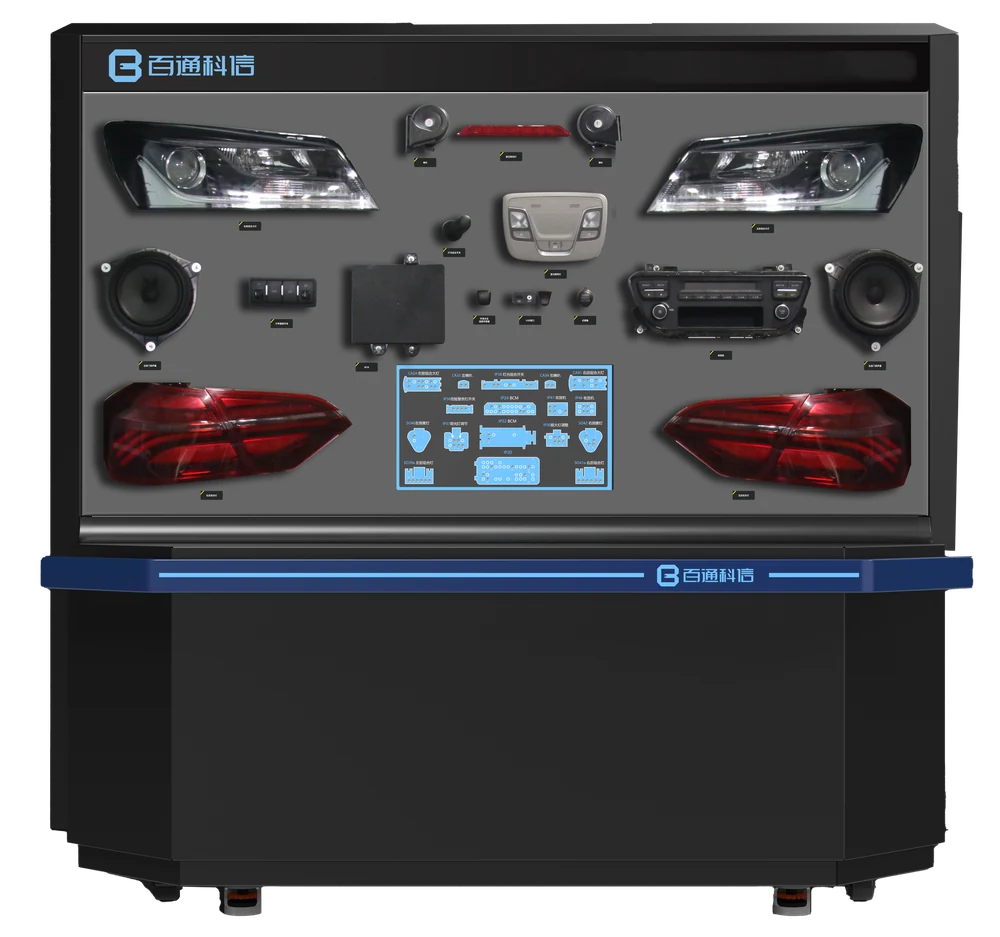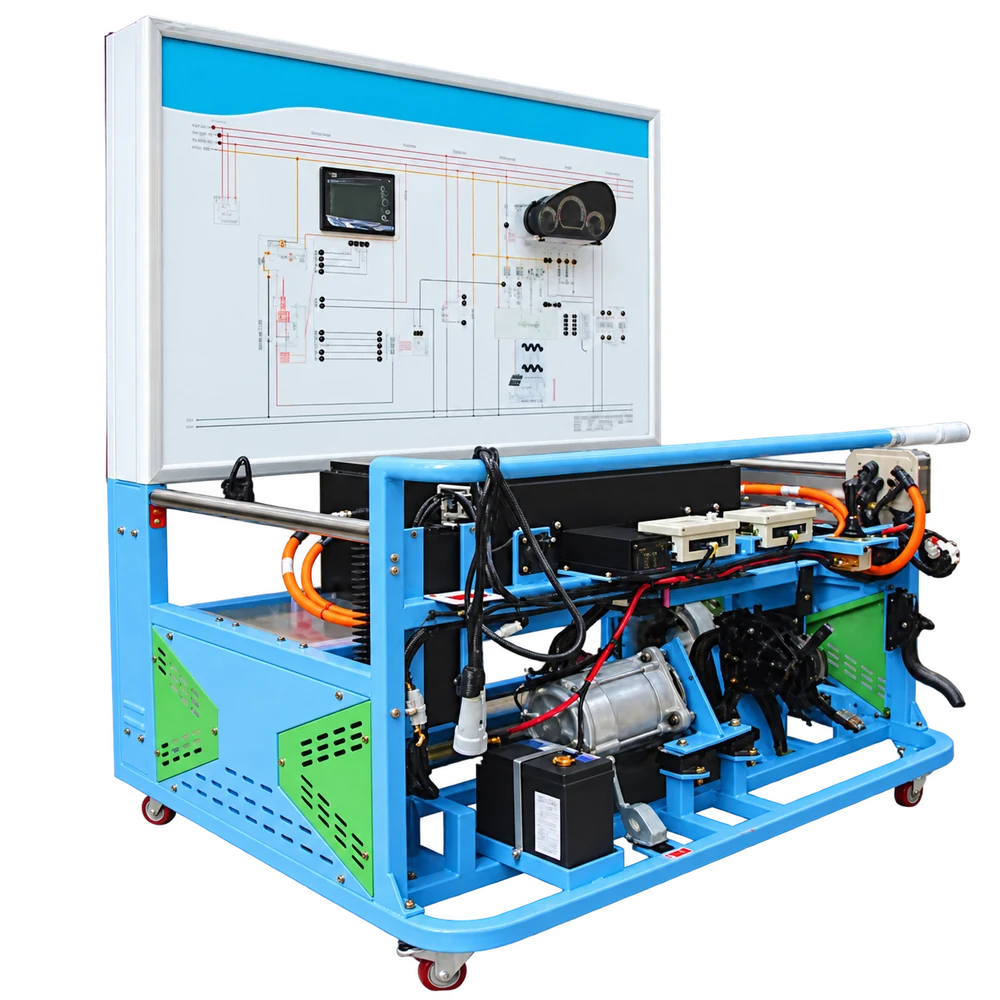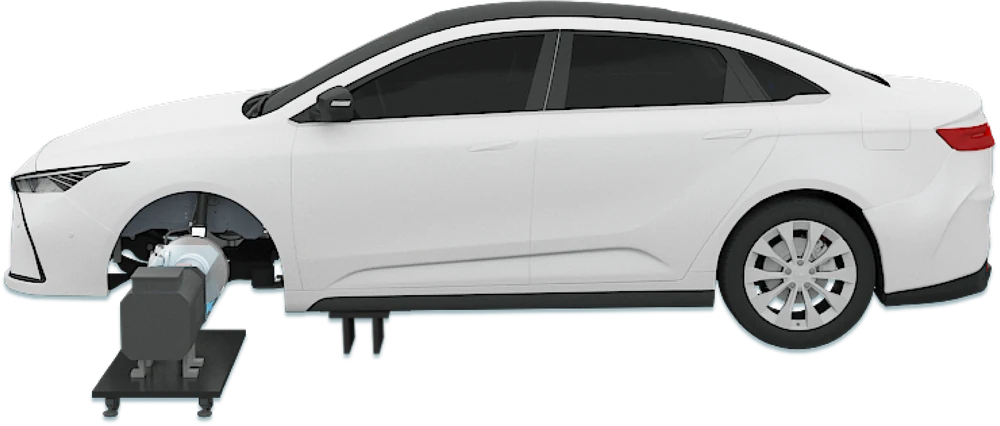

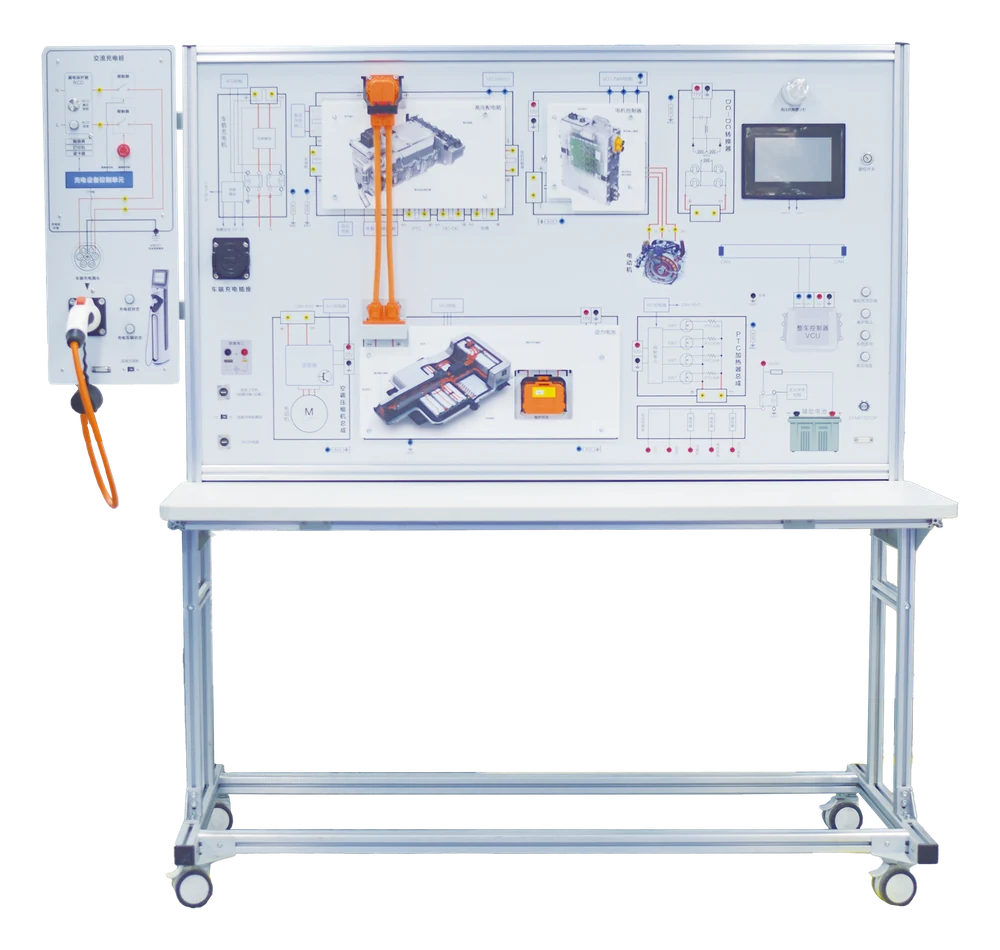
Fundamentals & Safety
EV Fundamentals & High-Voltage Safety Training
Build a shared foundation for every EV practical. Connect system recognition, electrical reasoning, harness work and supervised safety simulation.
Explore the Course
BTKX — Courses & Training
Start with what your students need to do. Connect the curriculum, equipment, digital resources and instructor preparation in one course plan.
Course Directions
Choose a course around the skills your students need. Explore its practical modules, teaching equipment and assessment activities, then combine topics to suit your program.
Fundamentals & Safety
Build a shared foundation for every EV practical. Connect system recognition, electrical reasoning, harness work and supervised safety simulation.
Explore the CourseBattery & Charging
Build the course behind the equipment. Connect cell selection, battery assembly, performance analysis and charging diagnosis in one practical learning program.
Explore the CourseDrive Motor & Control
Connect the drive assembly with the evidence. Teach structure, assembly, inspection, diagnostic reasoning and controlled performance testing.
Explore the CourseEV Electrical Systems
Follow the circuit from function to finding. Teach lighting, comfort systems, electric air conditioning and CAN-network reasoning on visible practical stations.
Explore the CourseEV Chassis Systems
Make the mechanical relationships teachable. Connect drivetrain handling, electric steering and front-suspension inspection with a structured practical course.
Explore the CourseTesting & Diagnostics
Teach the test arrangement, not just the result. Connect architecture, charging, loading and signal evidence in a defined EV testing course.
Explore the CourseWhole-Vehicle Simulation
Use virtual diagnosis to make the reasoning visible. Connect vehicle information, simulated measurements, fault investigation and instructor review.
Explore the CourseHow the Courses Fit Together
Plan the modules, practical hours and assessment around your learners, existing facilities and teaching goals.
Describe what the learner should explain or do, the relevant workplace task and the evidence needed for assessment.
Choose the stations, instruments and digital resources needed for each practical task.
Specify course plans, task sheets, teaching media and rubrics alongside the instructor preparation required for delivery.
Assess each learner’s practical work, measurement records and diagnostic reasoning against clear criteria.
Teaching Delivery
Define the learning, laboratory and instructor-support scope together.
Connect the course plan, learning outcomes, task sheets and assessment resources with your faculty.
Match the stations, utilities, shared instruments and group rotation with your teaching tasks.
Define equipment demonstrations, resource use and task assessment for the selected configuration.