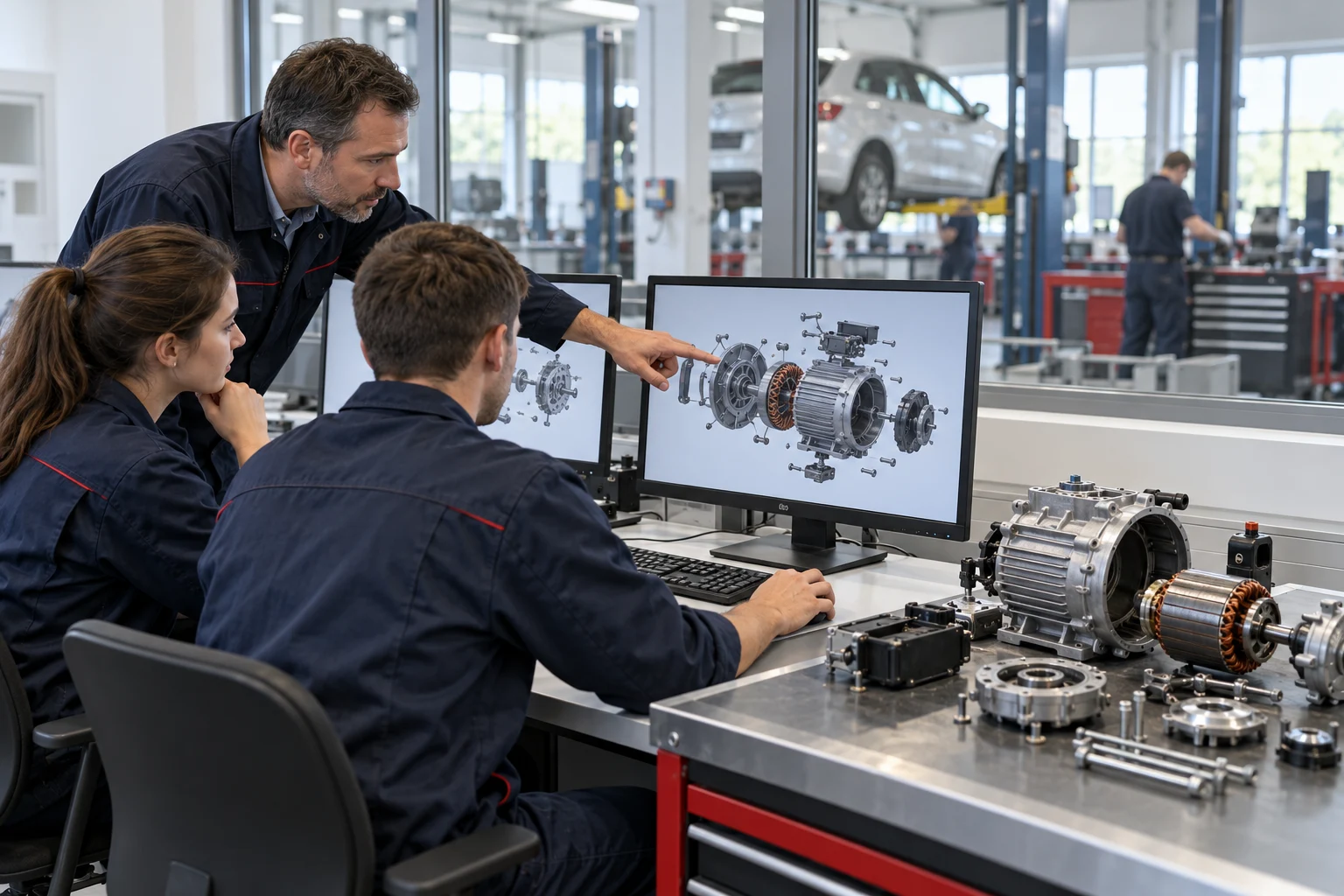

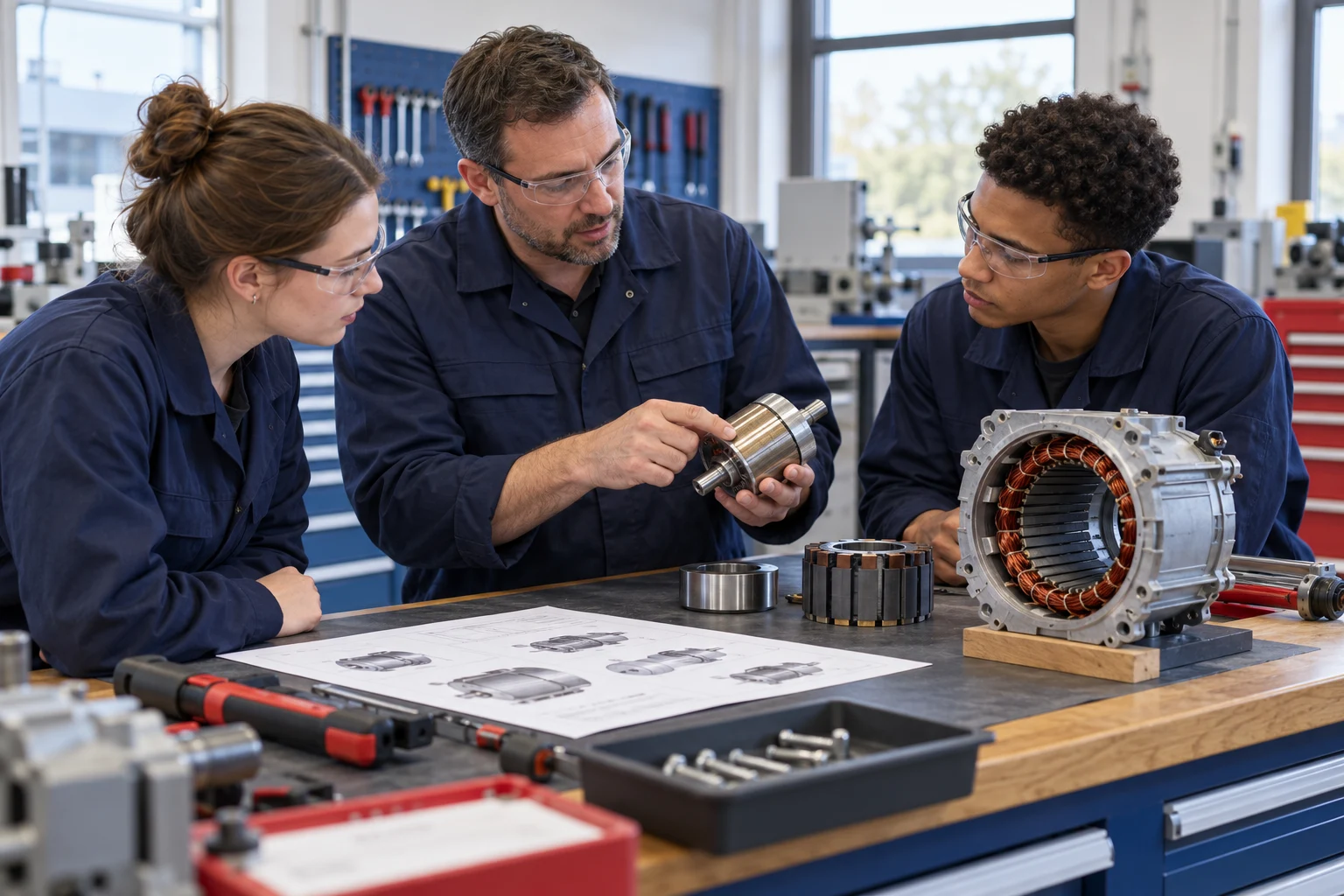
EV systems
Electric Drive Training Pathway
Connect motor assembly, diagnosis and performance testing with the equipment, resources and teaching support your programme needs.
Explore the Pathway
BTKX — Training Pathways
Find a learning route that connects practical tasks, training equipment, course resources and teacher preparation.
Teaching Focus
Choose the practical skills your learners need, then explore the teaching sequence, equipment, assessment tasks and support for your programme.
6 training pathways
EV systems
Connect motor assembly, diagnosis and performance testing with the equipment, resources and teaching support your programme needs.
Explore the PathwayEV systems
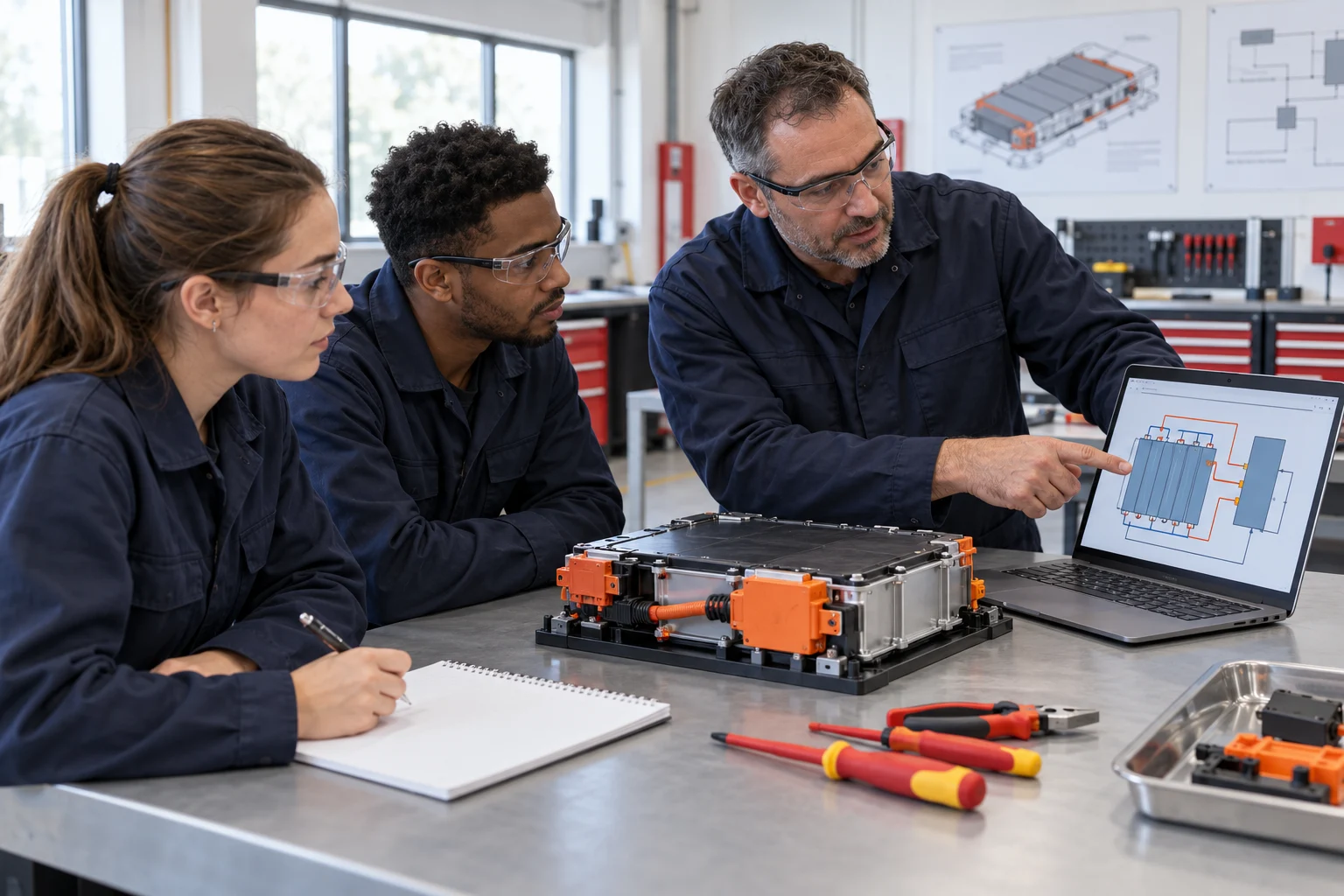
Connect cell inspection, battery assembly and BMS interpretation through practical tasks, traceable evidence and a defined teaching package.
Explore the PathwayEV systems
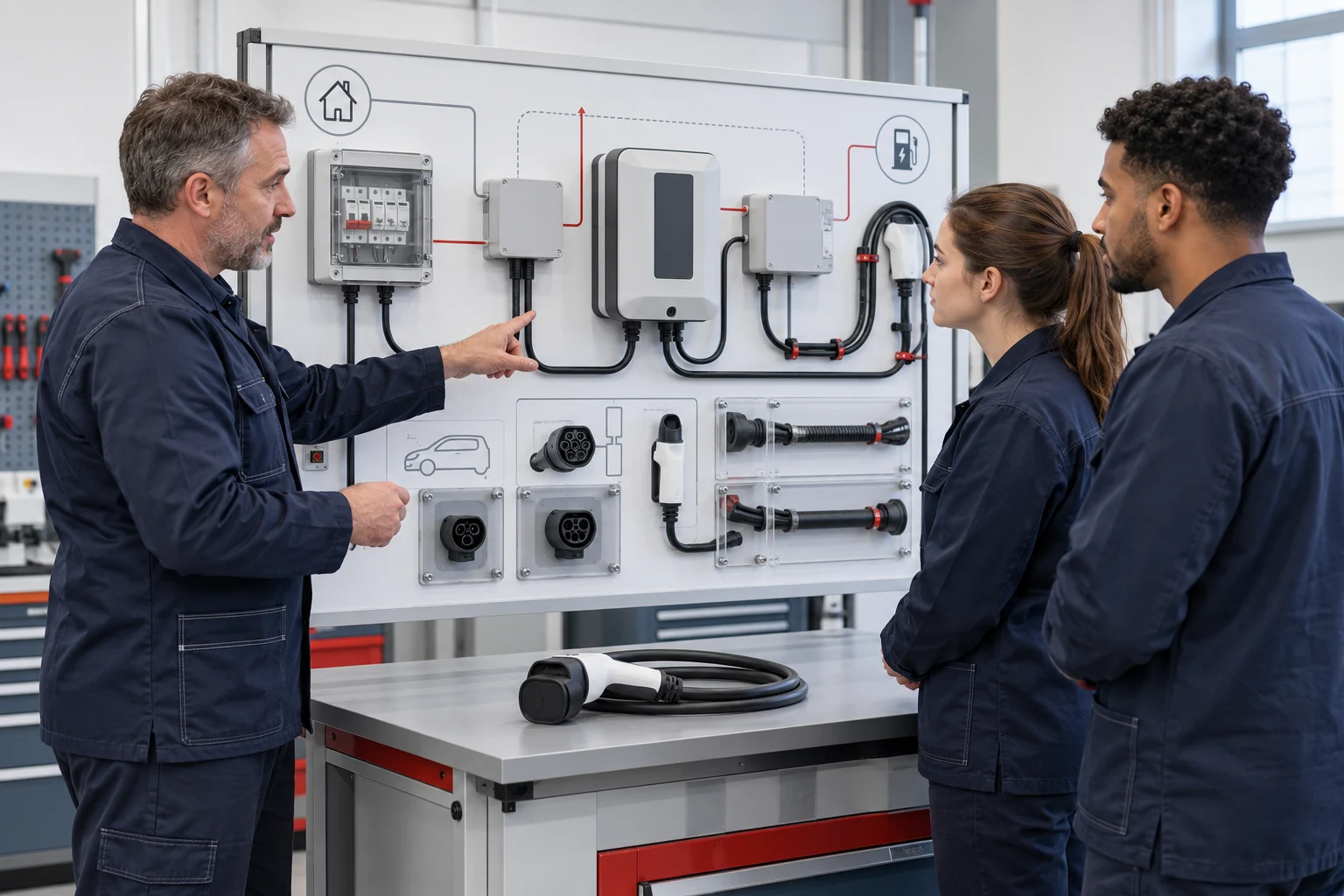
Connect AC charging assembly, control-state interpretation and guided diagnosis through practical evidence and a matched teaching configuration.
Explore the PathwayAutomotive
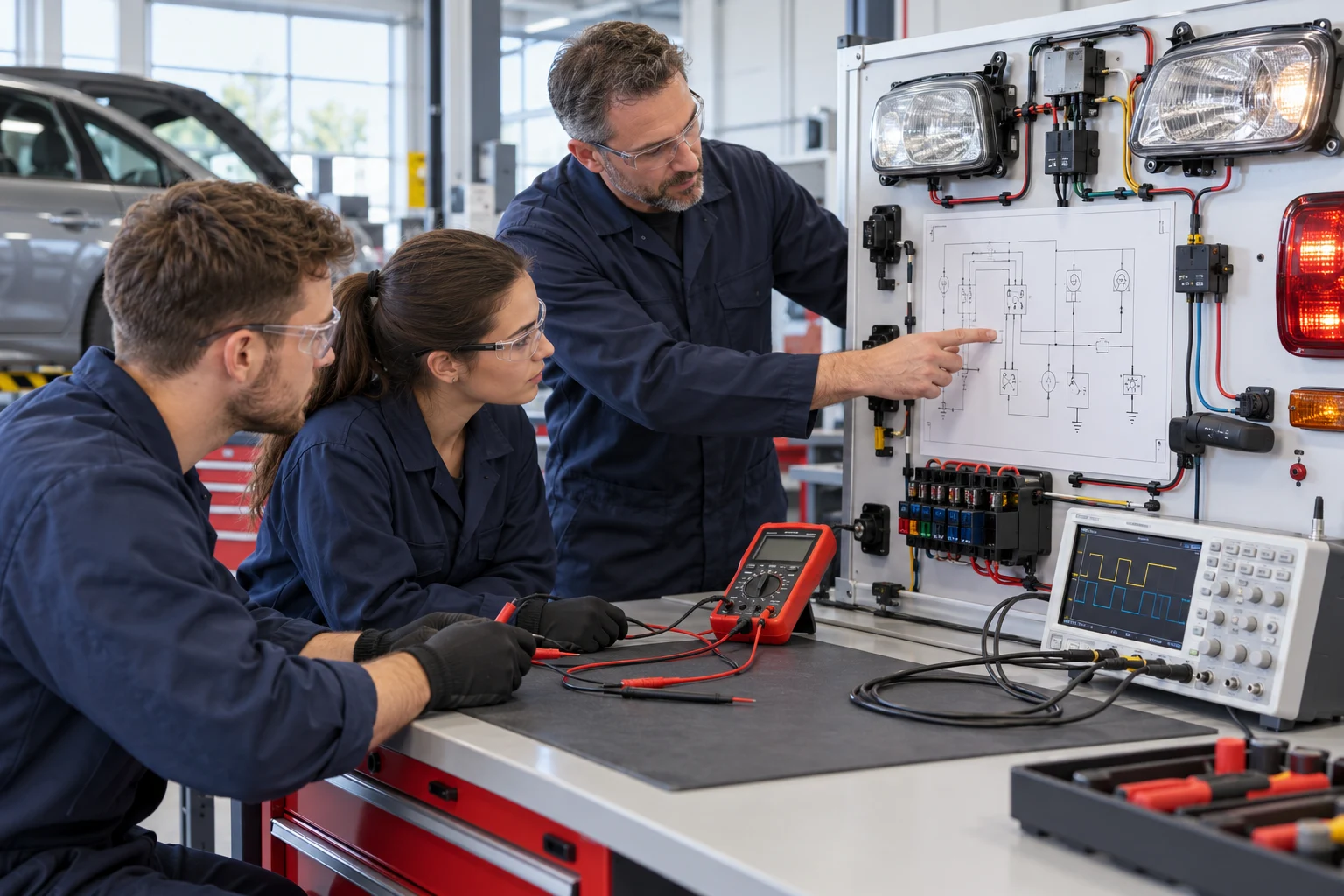
Connect circuit reading, purposeful measurement and diagnostic evidence in a course built around your actual vehicle electrical systems.
Explore the PathwayAgricultural machinery
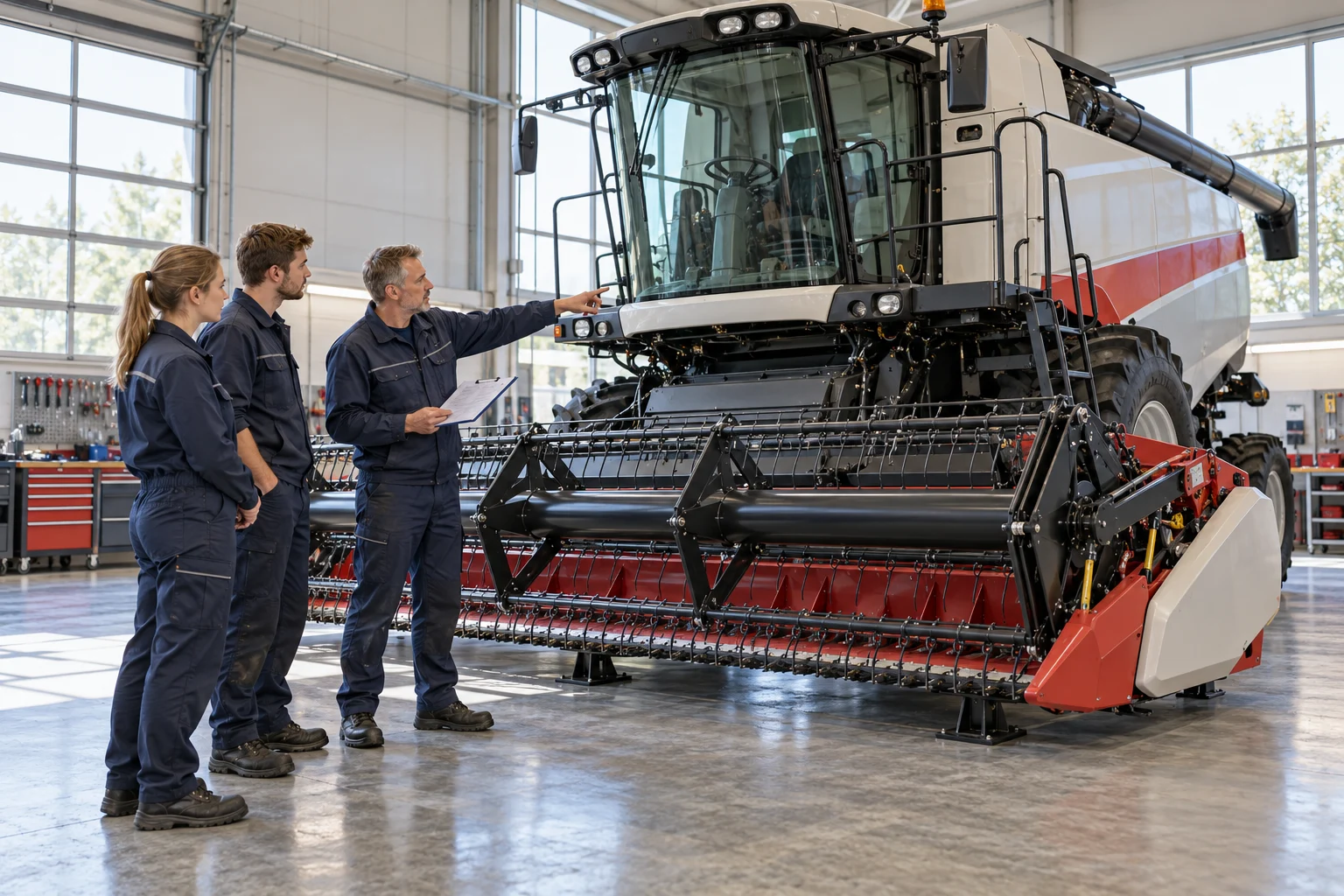
Connect transmission principles, agricultural working mechanisms and documented inspection tasks in a practical machinery course.
Explore the PathwayTeaching methods
Connect virtual preparation, instructor demonstration and supervised practice with clear evidence of what each learner can do.
Explore the PathwayTeaching scenes are AI-generated illustrations.
A Connected Teaching Project
Adapt the learning route to your syllabus and students. Work with our team to agree the practical tasks, teaching hours, language, resources and delivery responsibilities for your selected equipment.
Start with what learners should demonstrate. Match the equipment and approved procedures to that outcome.
Prepare lesson plans, student task sheets and assessment records with the institution’s faculty.
Confirm laboratory conditions, rehearse the lesson and agree the evidence each learner must produce.
Practical Resources
Review the objective, preparation, observation record and individual assessment prompts. Each printable template is adapted by the instructor to the delivered equipment and approved procedure.
Record the conditions and observed speed and torque at two instructor-approved operating points; explain the difference using the actual evidence.
Document a permitted physical observation and the relevant BMS information, then explain whether the evidence is comparable and what further check is justified.
Compare the actual charging-control response with the approved baseline, use permitted evidence to support a diagnosis and state the verification still required.
Distinguish a shared circuit explanation from a local explanation using documented relationships and permitted evidence.
Explain the represented header process and propose a configuration-supported inspection using recorded observations.
Explain how a simulated task prepares a specified physical activity, record one meaningful difference and retain individual practical evidence.