

NEV Fundamentals & Safety
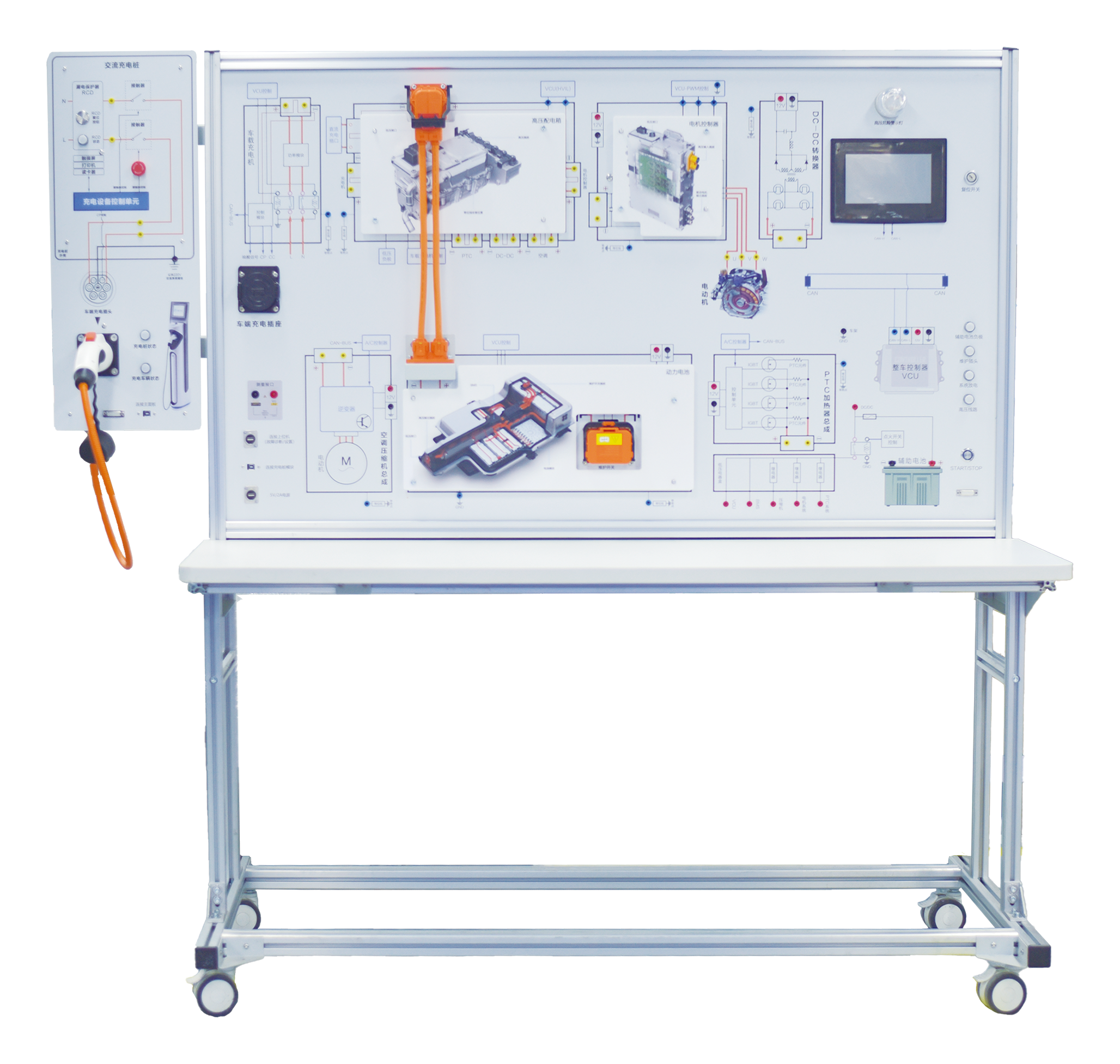
EV High-Voltage Safety Simulation Trainer
Practice isolation sequences and interlock checks through physical connections and simulated high-voltage conditions.
View Product
BTKX — Product Category
Training equipment for EV fundamentals, battery and charging systems, electric drive, electrical systems, chassis, performance testing and virtual simulation.
Product Directory
Browse every product below, or open a category to review equipment choices and compare the complete range.
Electrical circuit trainers, high-voltage safety simulation, component displays and teaching resources, plus harness repair and CPR/AED practice equipment.
NEV Fundamentals & Safety
Practice isolation sequences and interlock checks through physical connections and simulated high-voltage conditions.
NEV Fundamentals & Safety
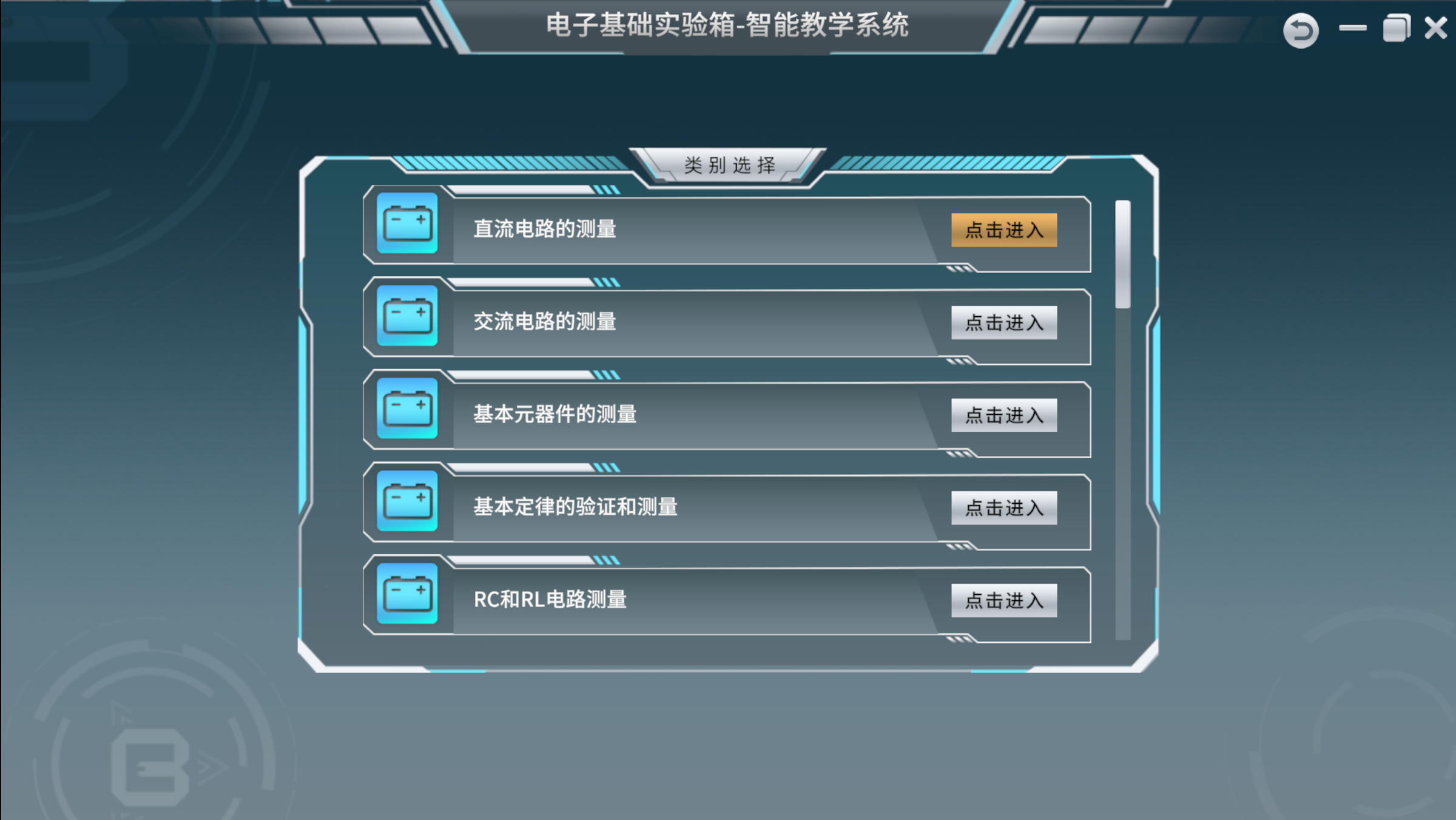
Prepare high-voltage safety lessons with procedure resources and guided virtual isolation tasks.
NEV Fundamentals & Safety
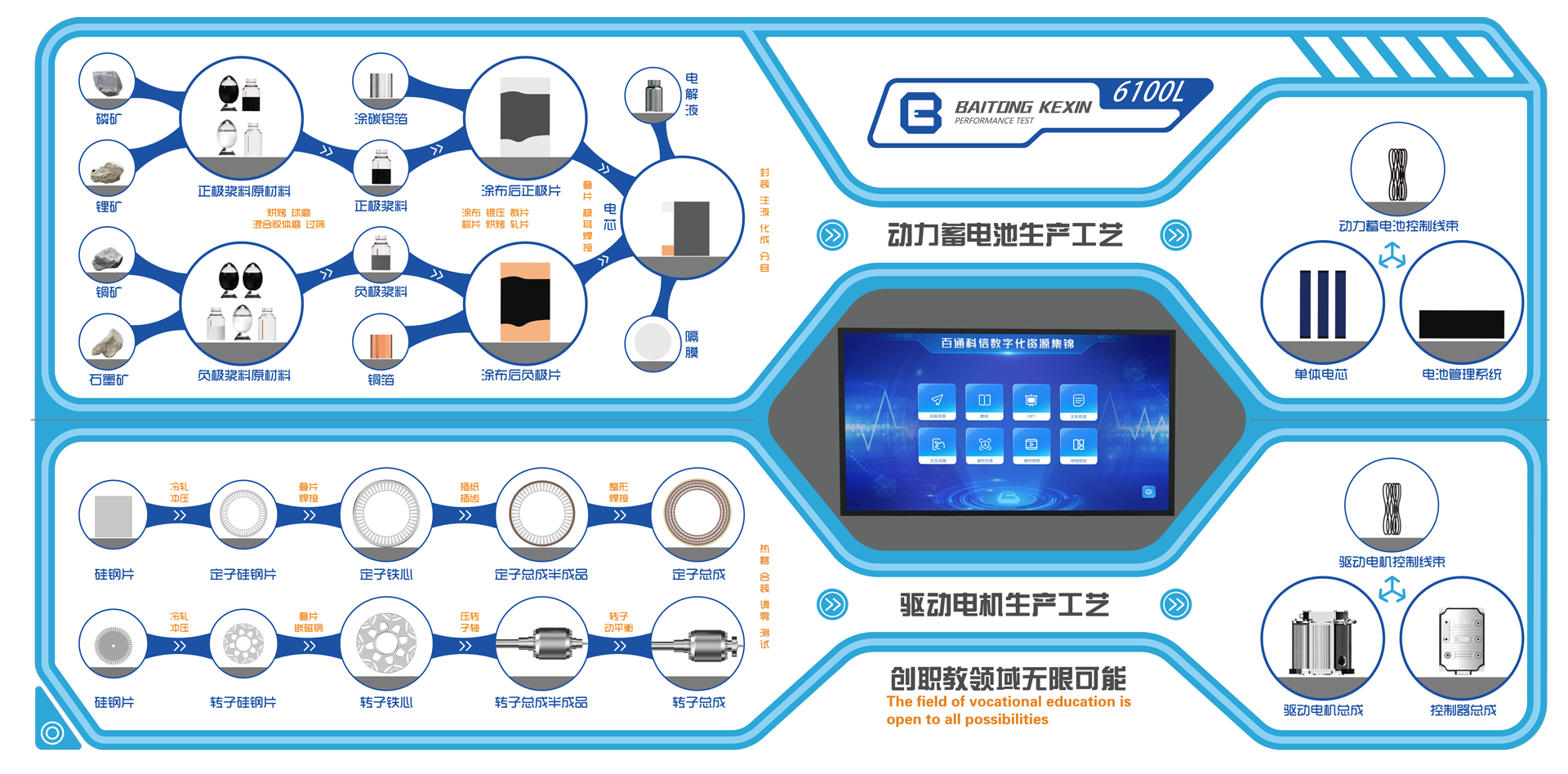
Explore battery materials and motor construction through physical samples and digital teaching content.
NEV Fundamentals & Safety
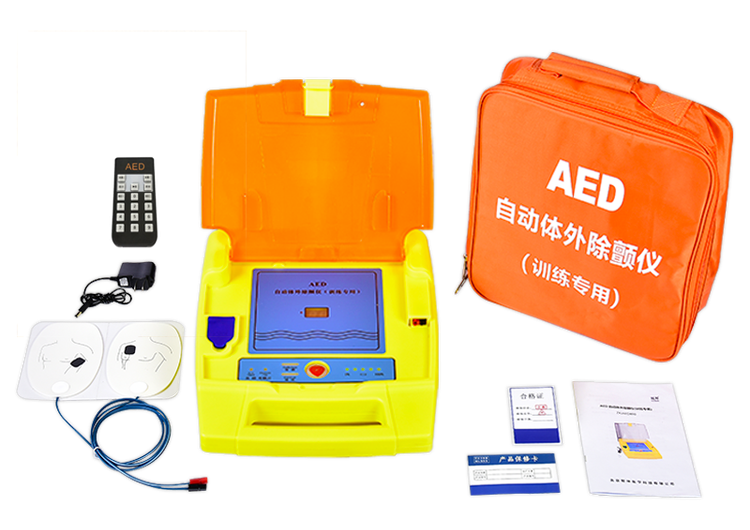
Practice CPR and AED response with a feedback manikin and a non-shocking training device.
NEV Fundamentals & Safety
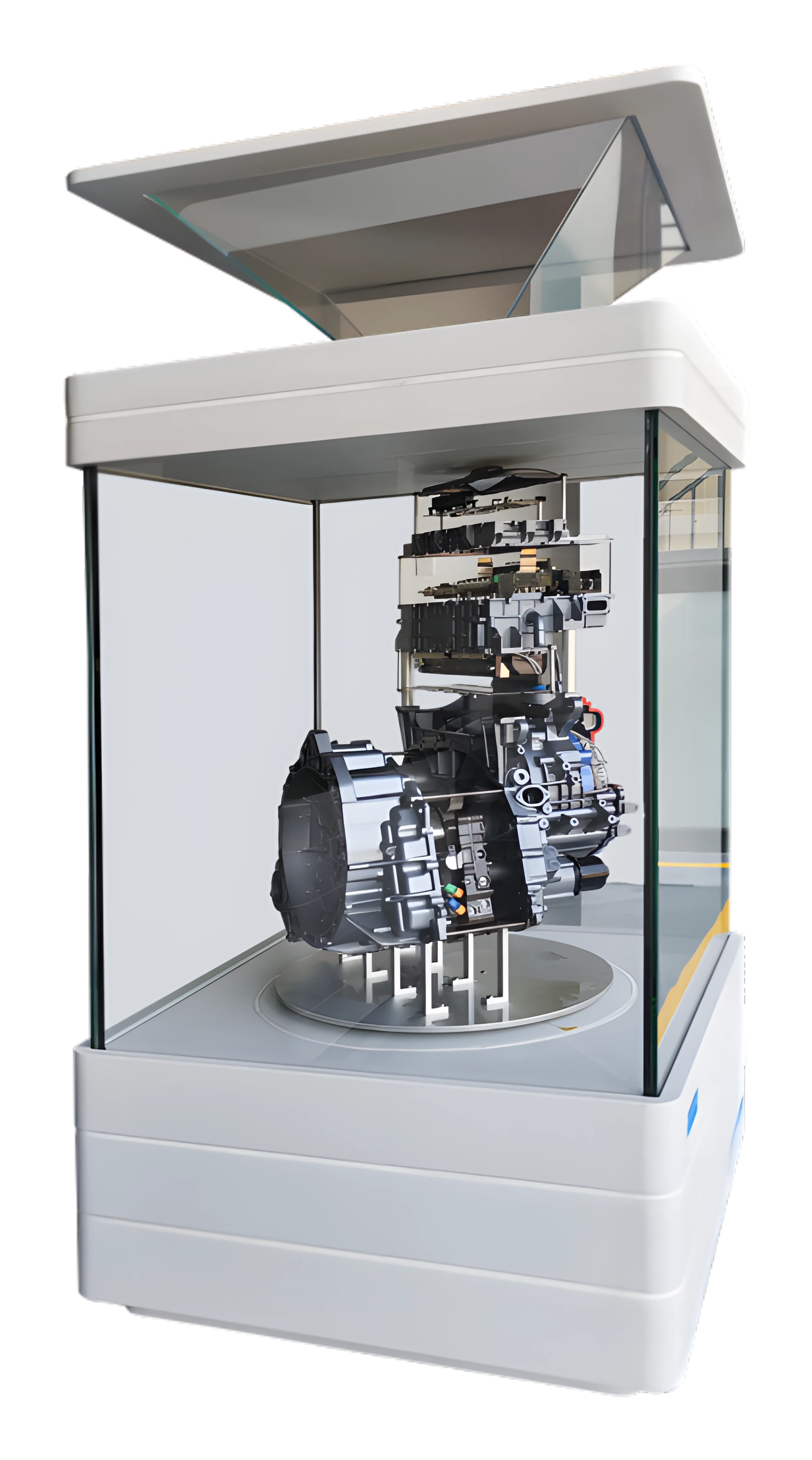
Compare a rotating drive cutaway with projected structures and exploded views of its components.
NEV Fundamentals & Safety
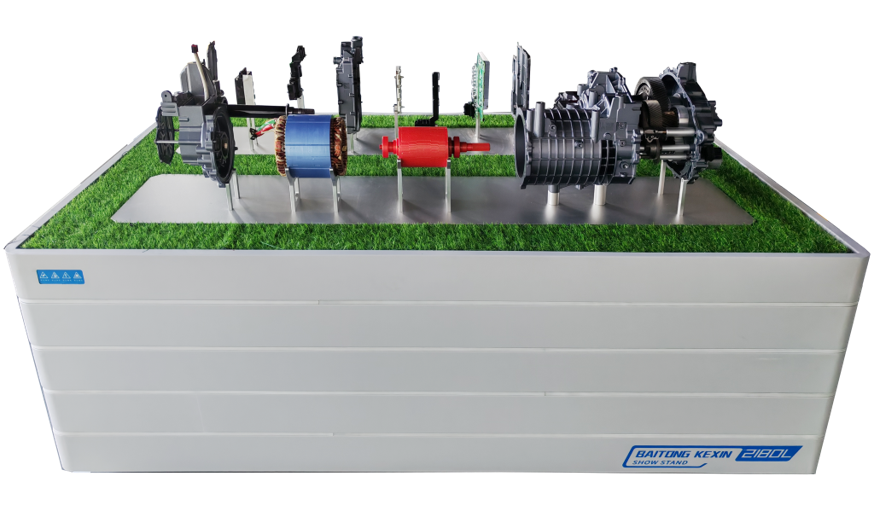
Explain how the motor, controller and reduction components fit together through an illuminated exploded display.
NEV Fundamentals & Safety
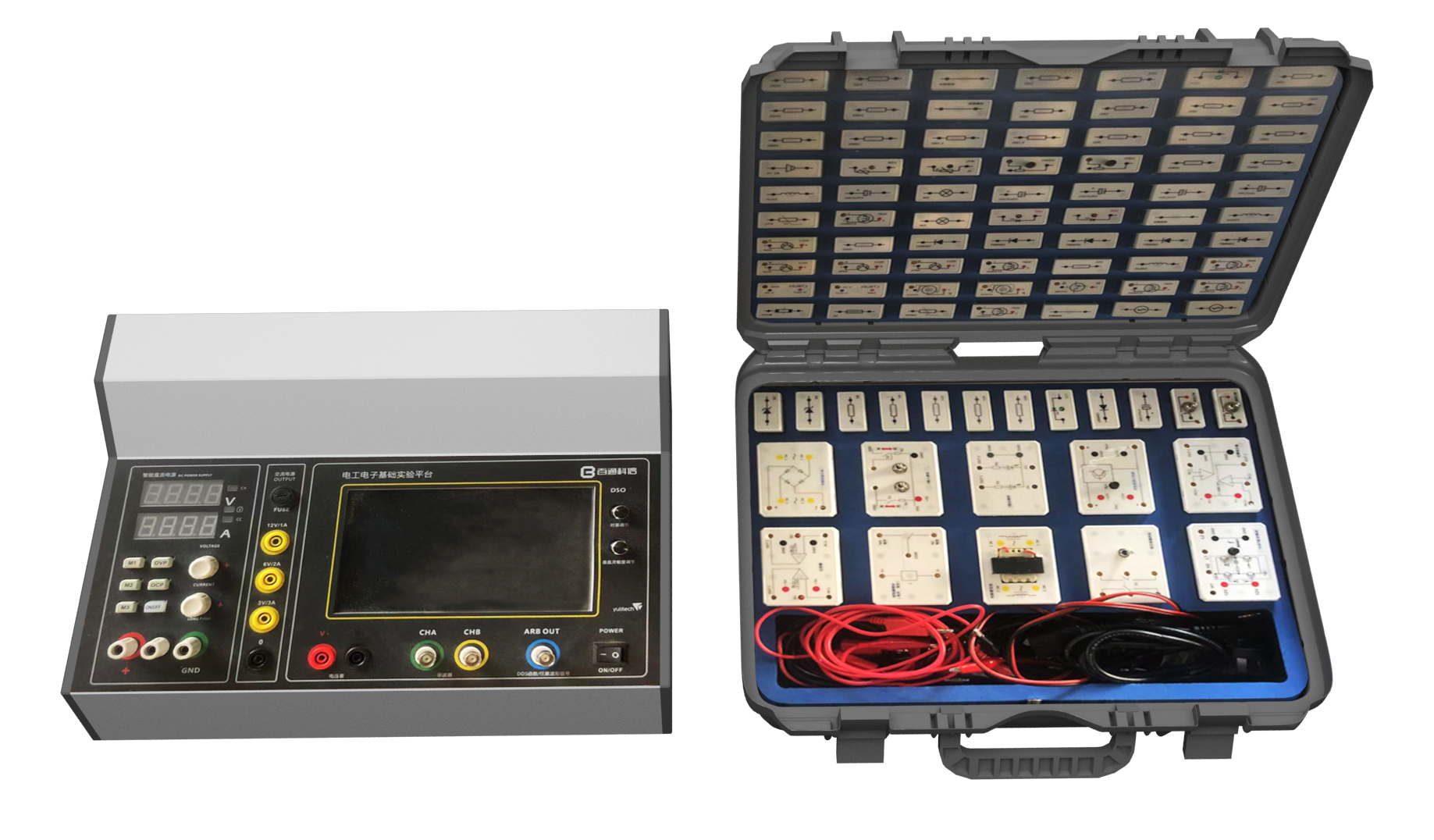
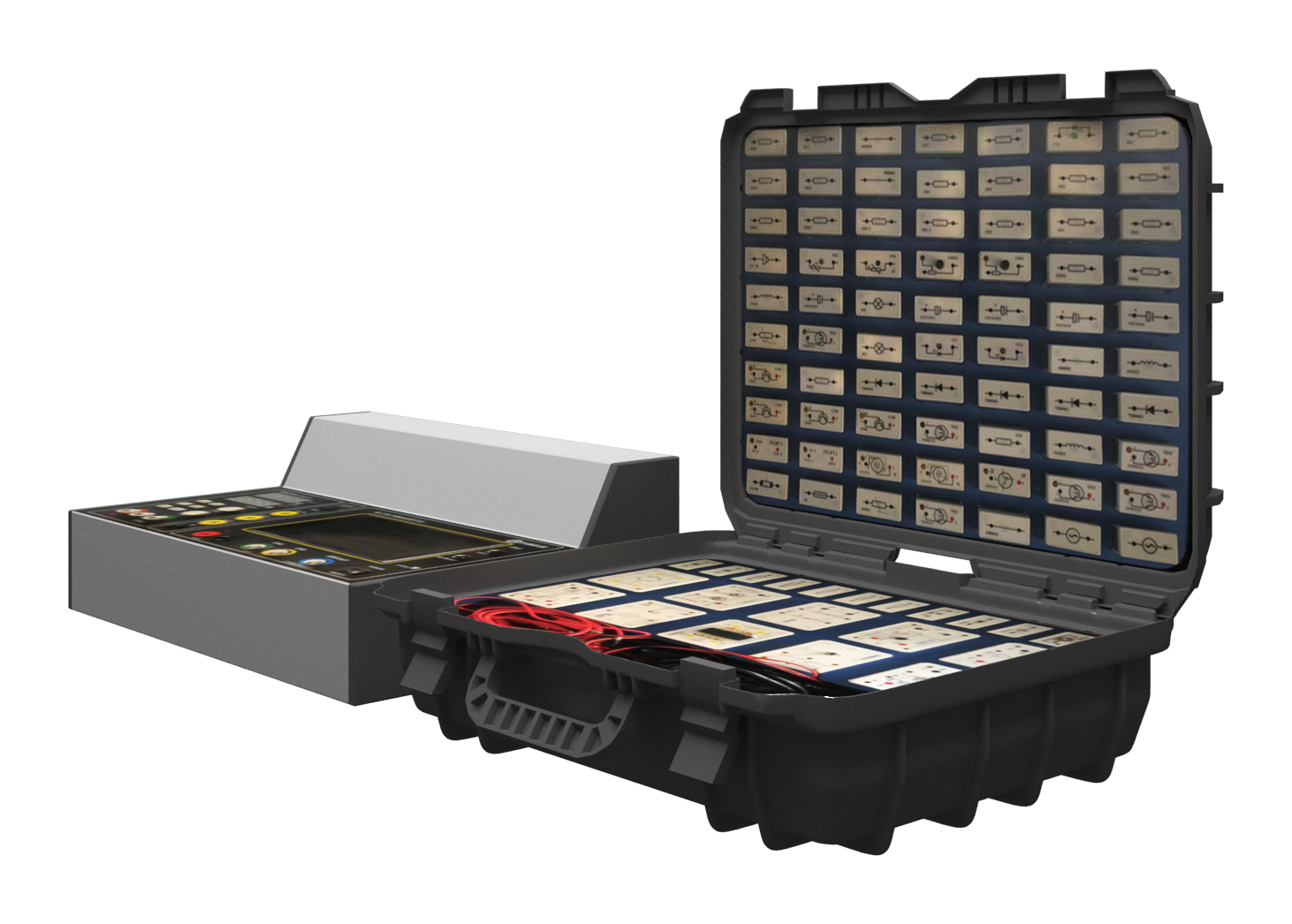
Build automotive circuits, take electrical measurements and interpret waveforms with task-matched teaching components.
NEV Fundamentals & Safety
Plan electrical and power-electronics lessons with presentations, reference pages and structured learner worksheets.
NEV Fundamentals & Safety
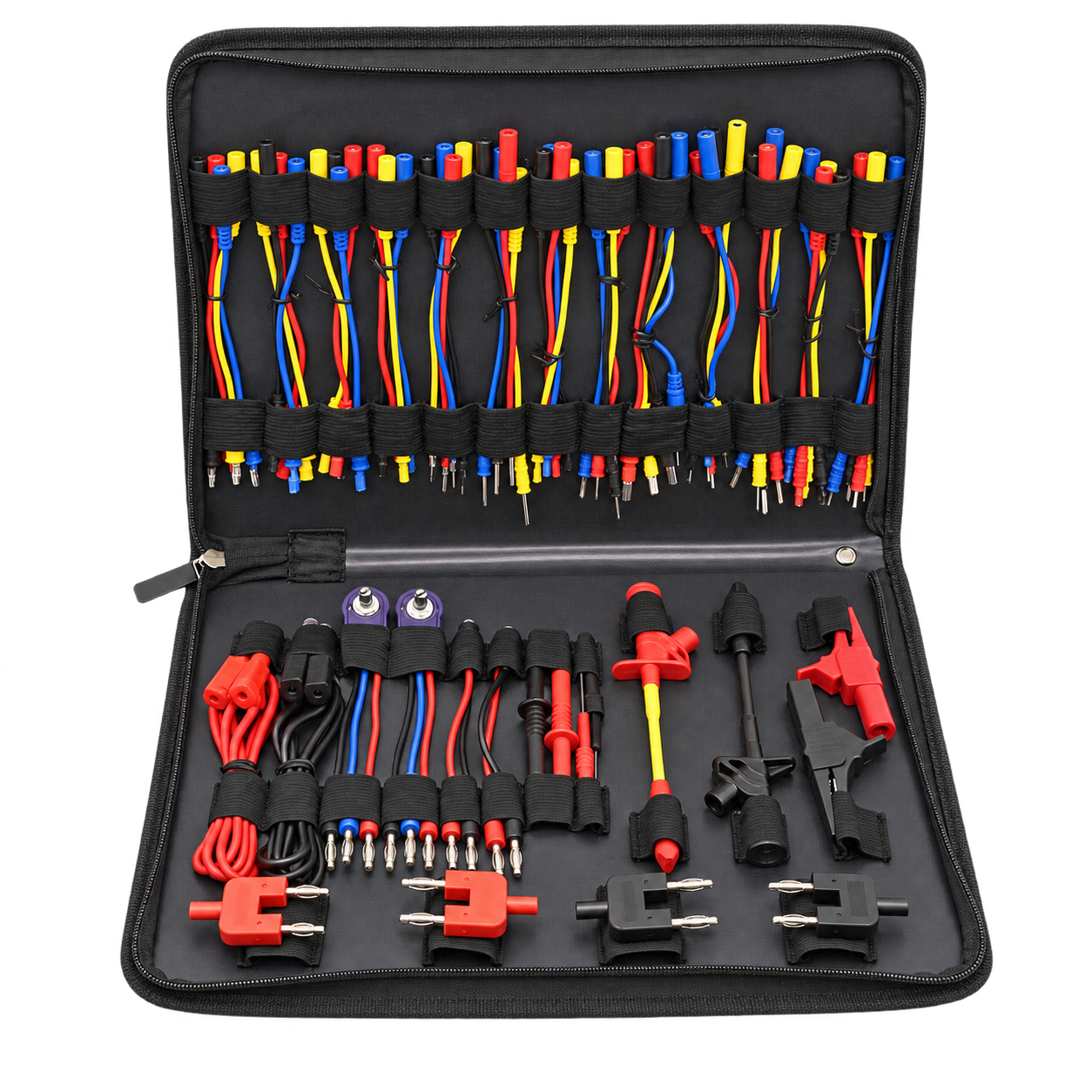
Practice connector handling, terminal replacement and wire preparation with tools for supervised harness repair.
Battery assembly and BMS trainers, cell grading and performance test equipment, AC charging systems, virtual software and measurement instruments.
Battery & Charging Systems
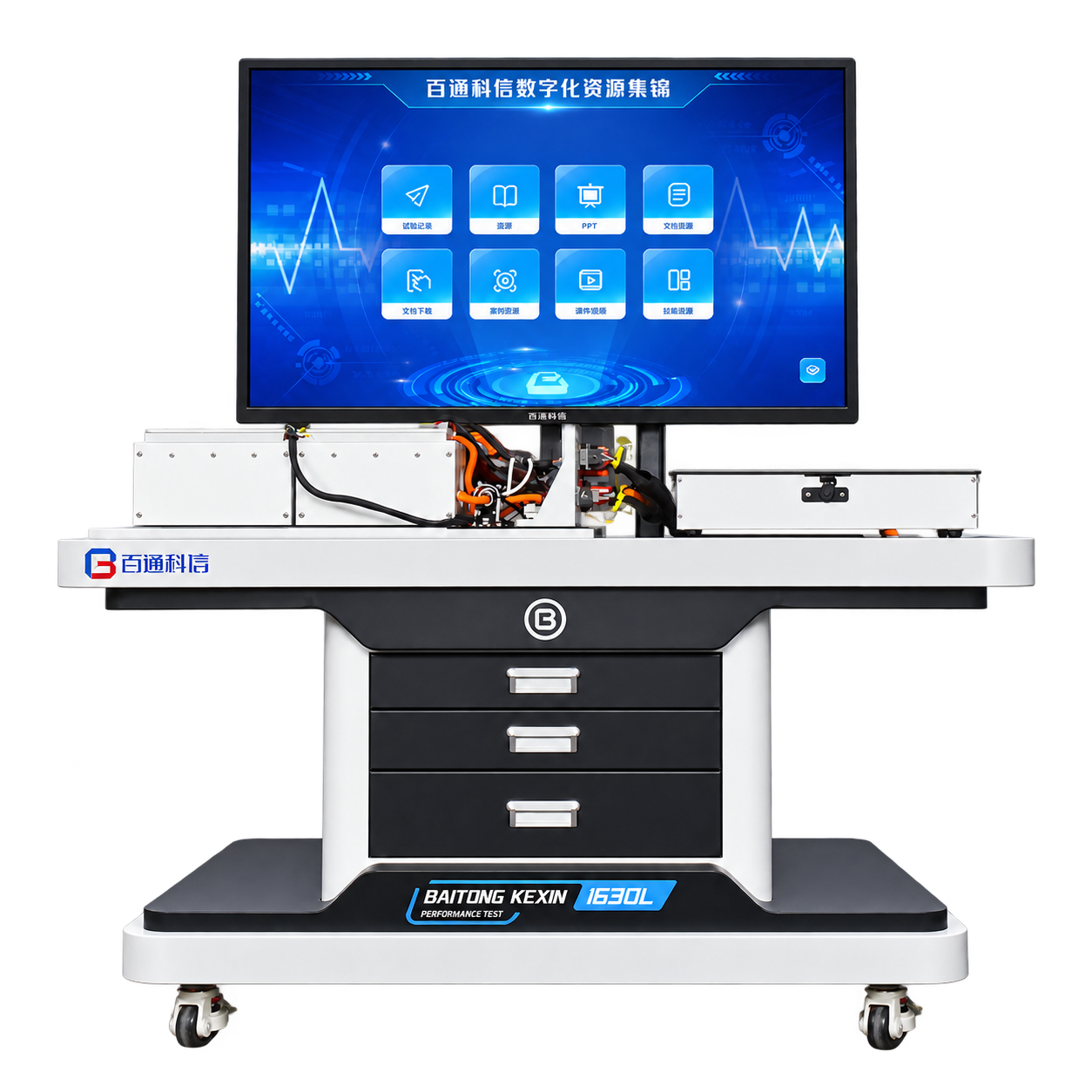
Practice supervised battery assembly, electrical measurement and fault investigation with BMS monitoring software.
Battery & Charging Systems
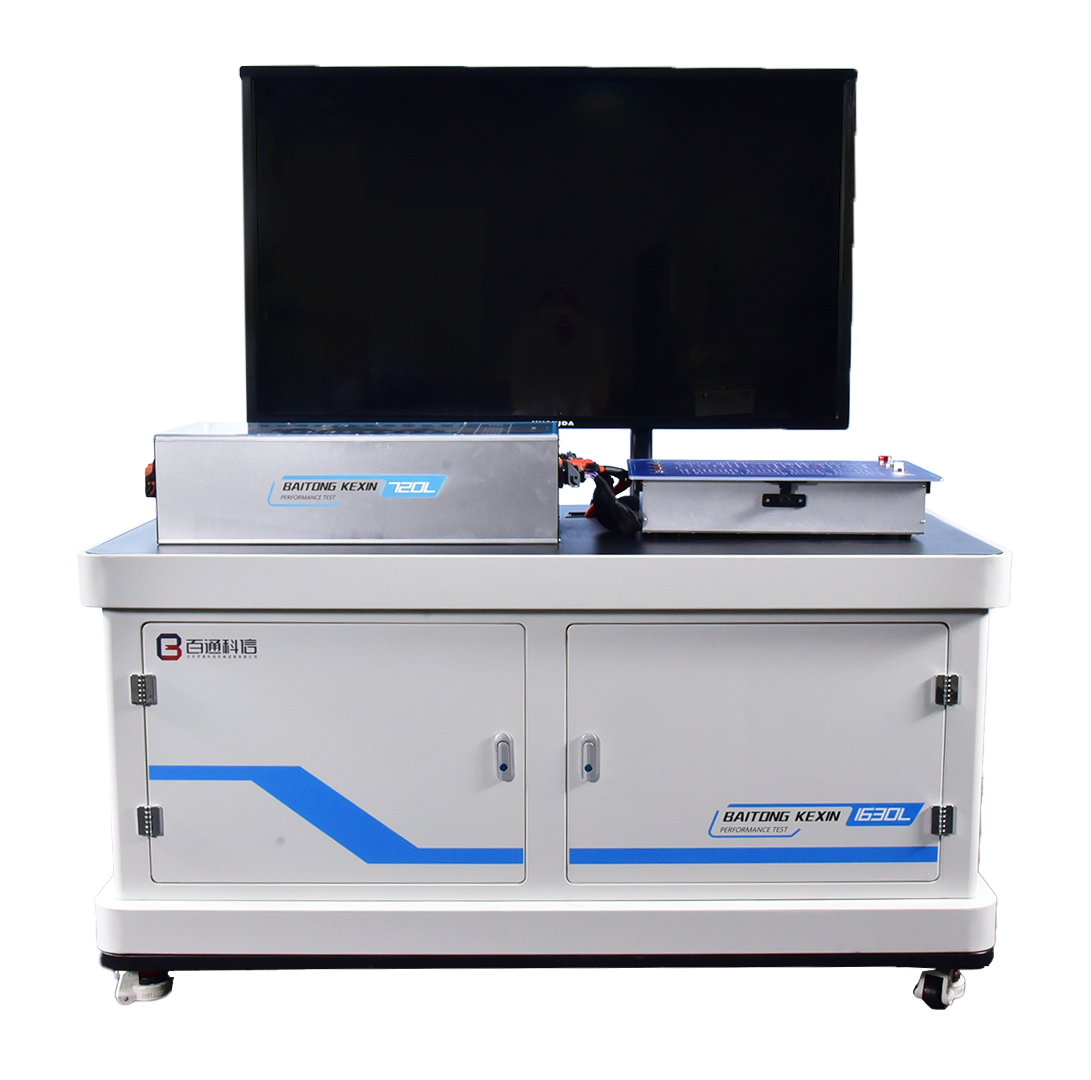
Investigate battery capacity and internal resistance through programmable charging cycles and test-data analysis.
Battery & Charging Systems
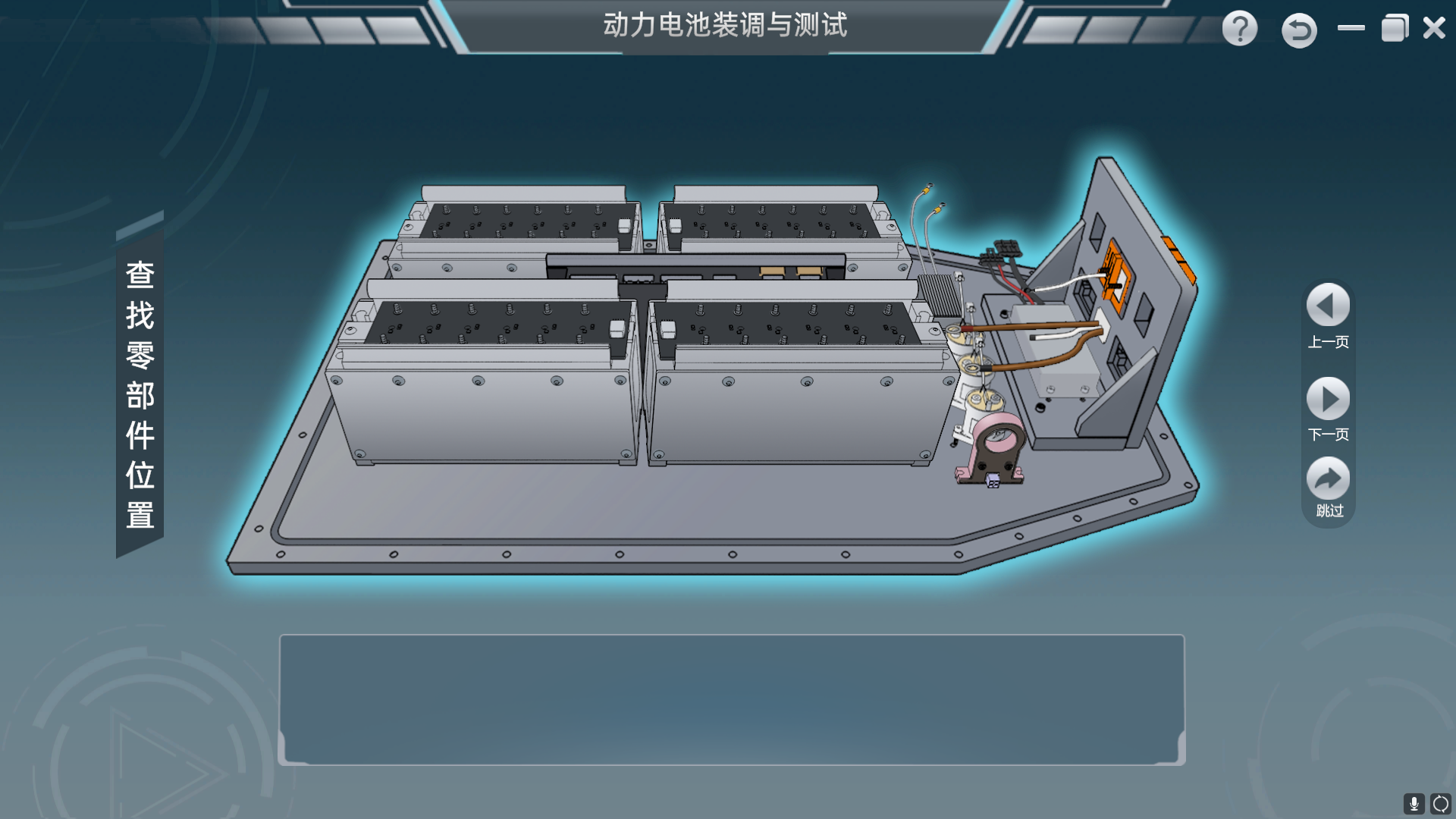
Rehearse battery assembly and BMS diagnosis with virtual measurements and task records for instructor review.
Battery & Charging Systems
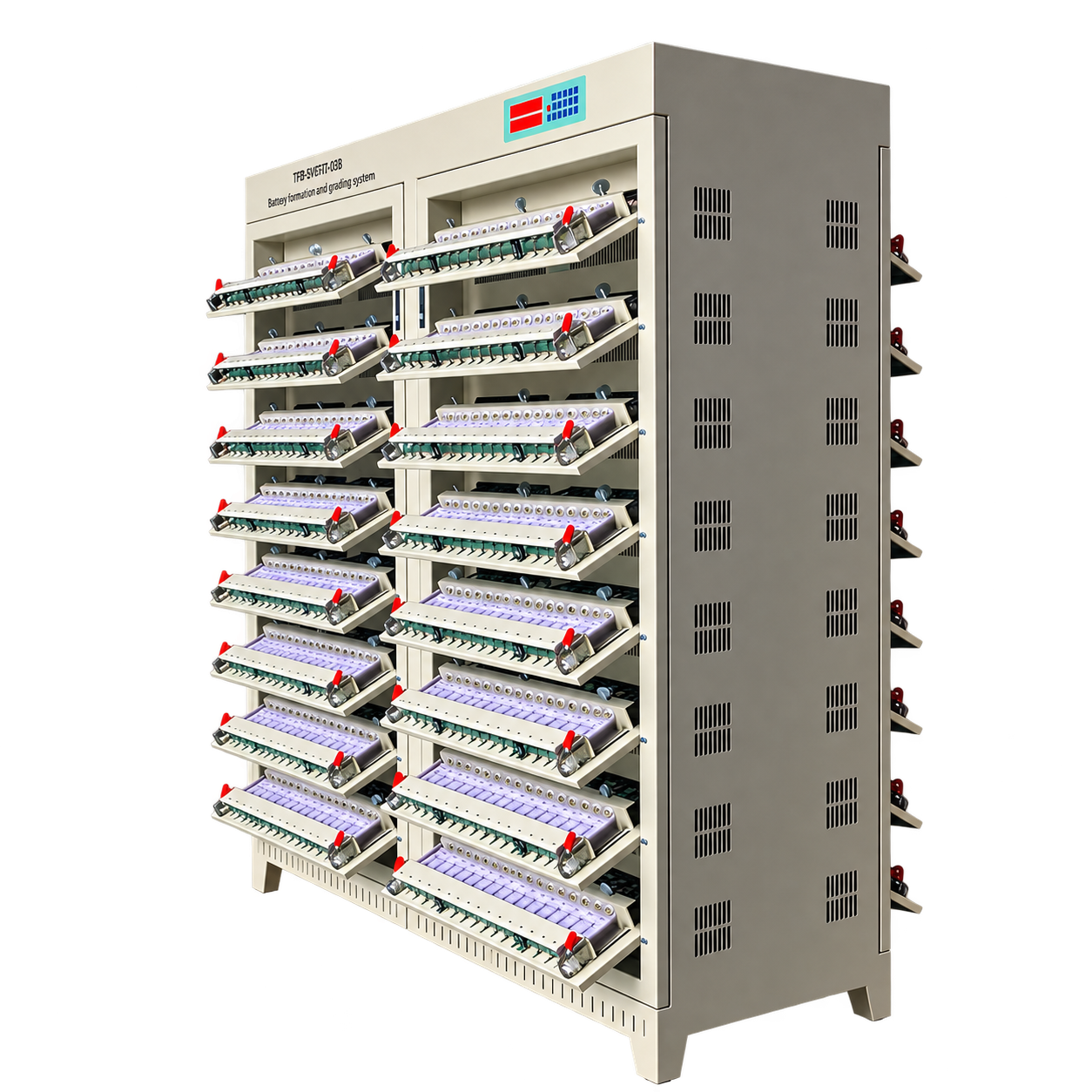
Compare individual battery-cell capacity through defined charging and discharging tests with four-wire measurement.
Battery & Charging Systems
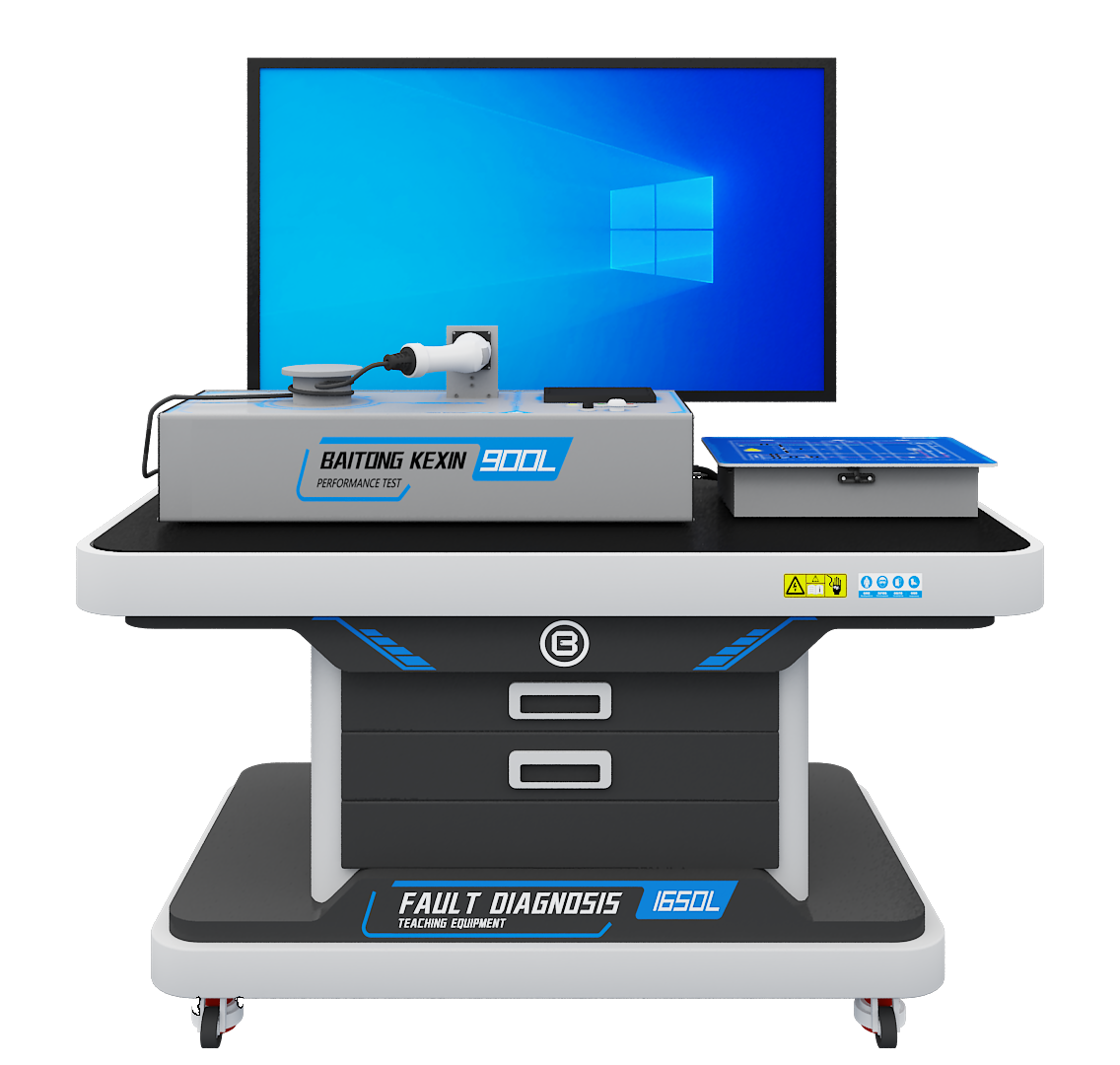
Practice charging assembly, wiring checks and protective-device inspection before guided electrical fault diagnosis.
Battery & Charging Systems
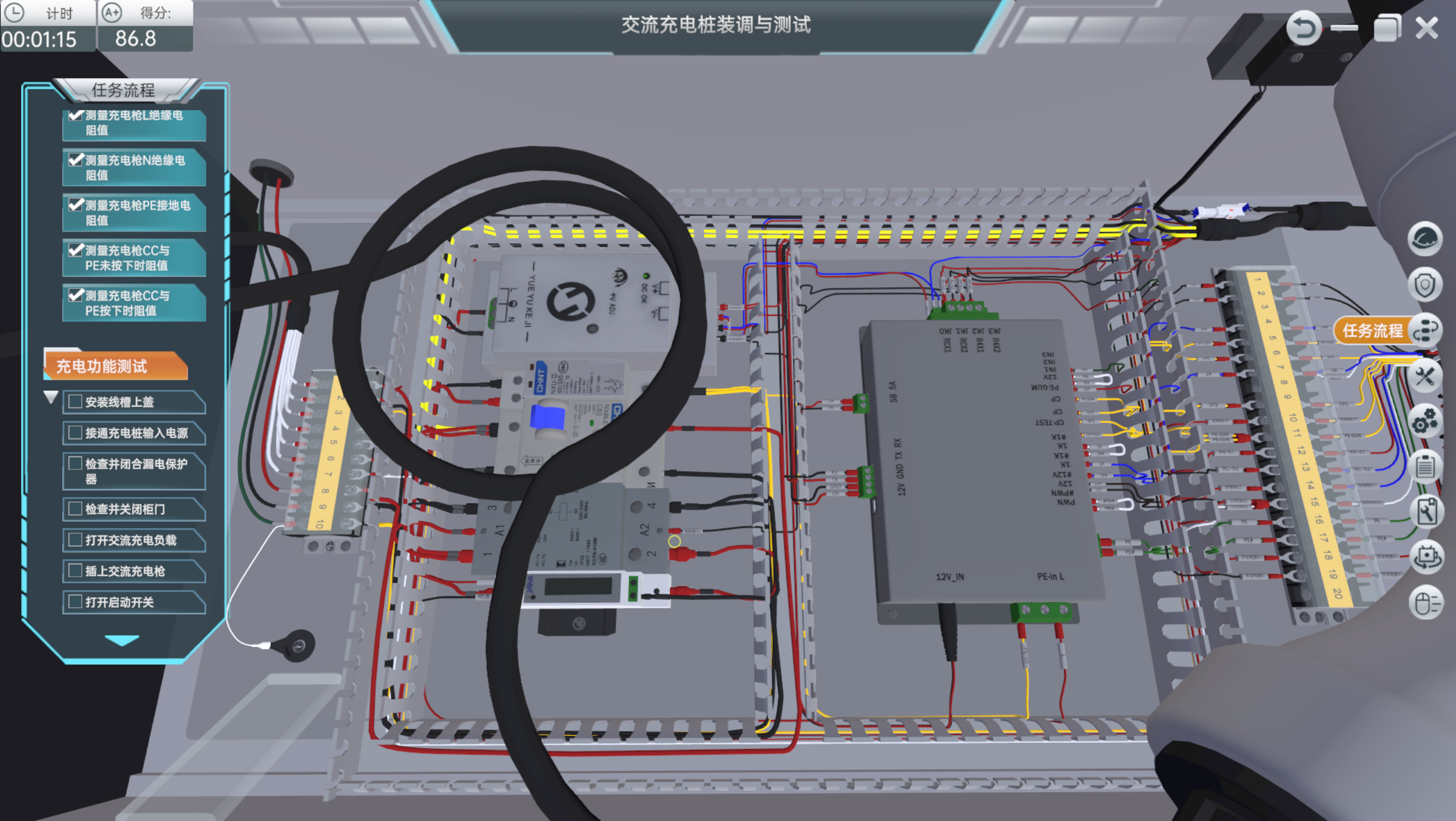
Rehearse charging assembly, pilot-signal diagnosis and functional checks through virtual measurements and task records.
Battery & Charging Systems
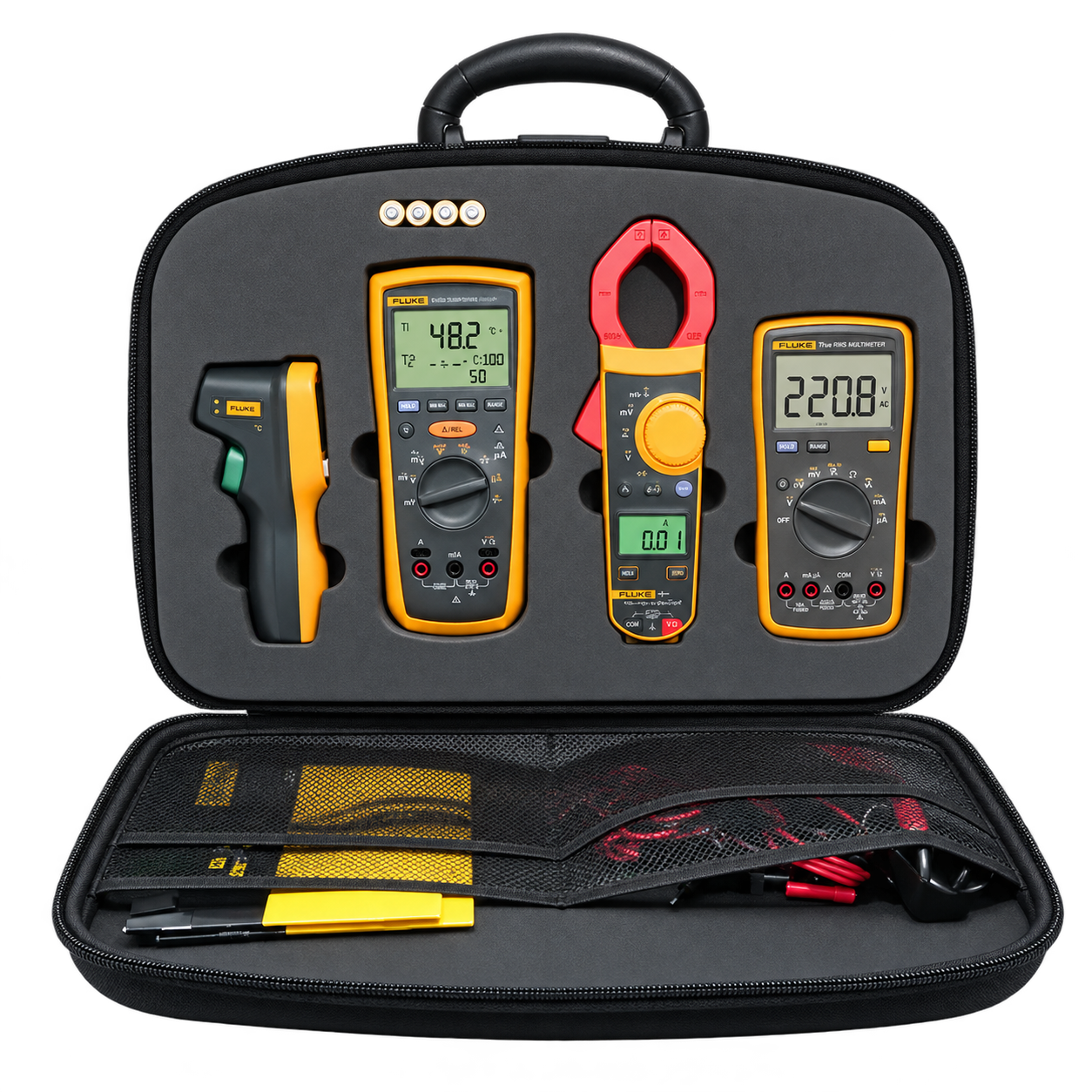
Support electrical practicals with insulation, earthing and multimeter functions matched to the teaching circuit.
Battery & Charging Systems
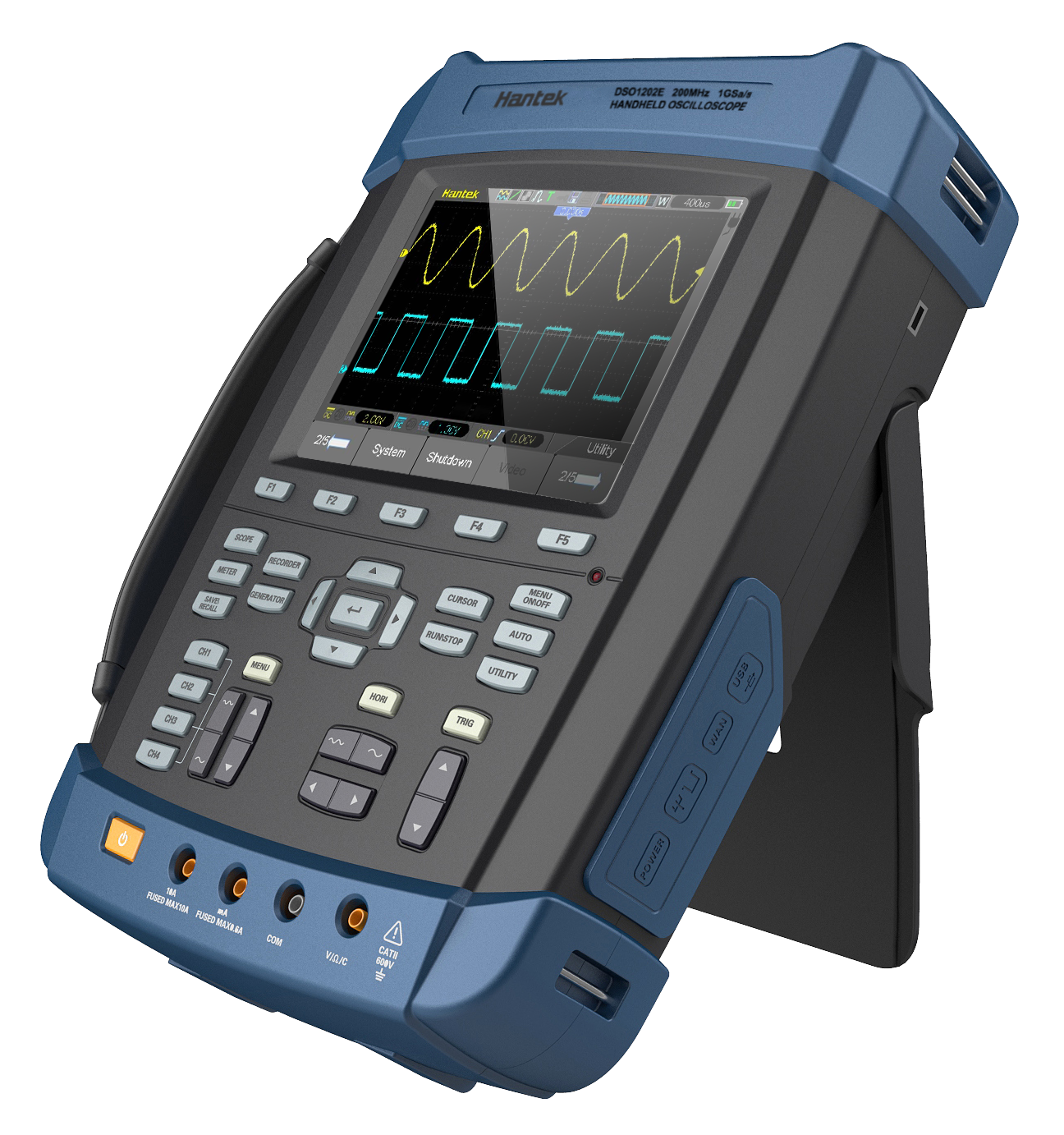
Capture and compare automotive circuit waveforms using two channels and probes matched to the circuit.
Motor assembly and performance test platforms, electric-drive service equipment, virtual software, a hybrid-drive cutaway and supporting tools.
Drive Motor & Control
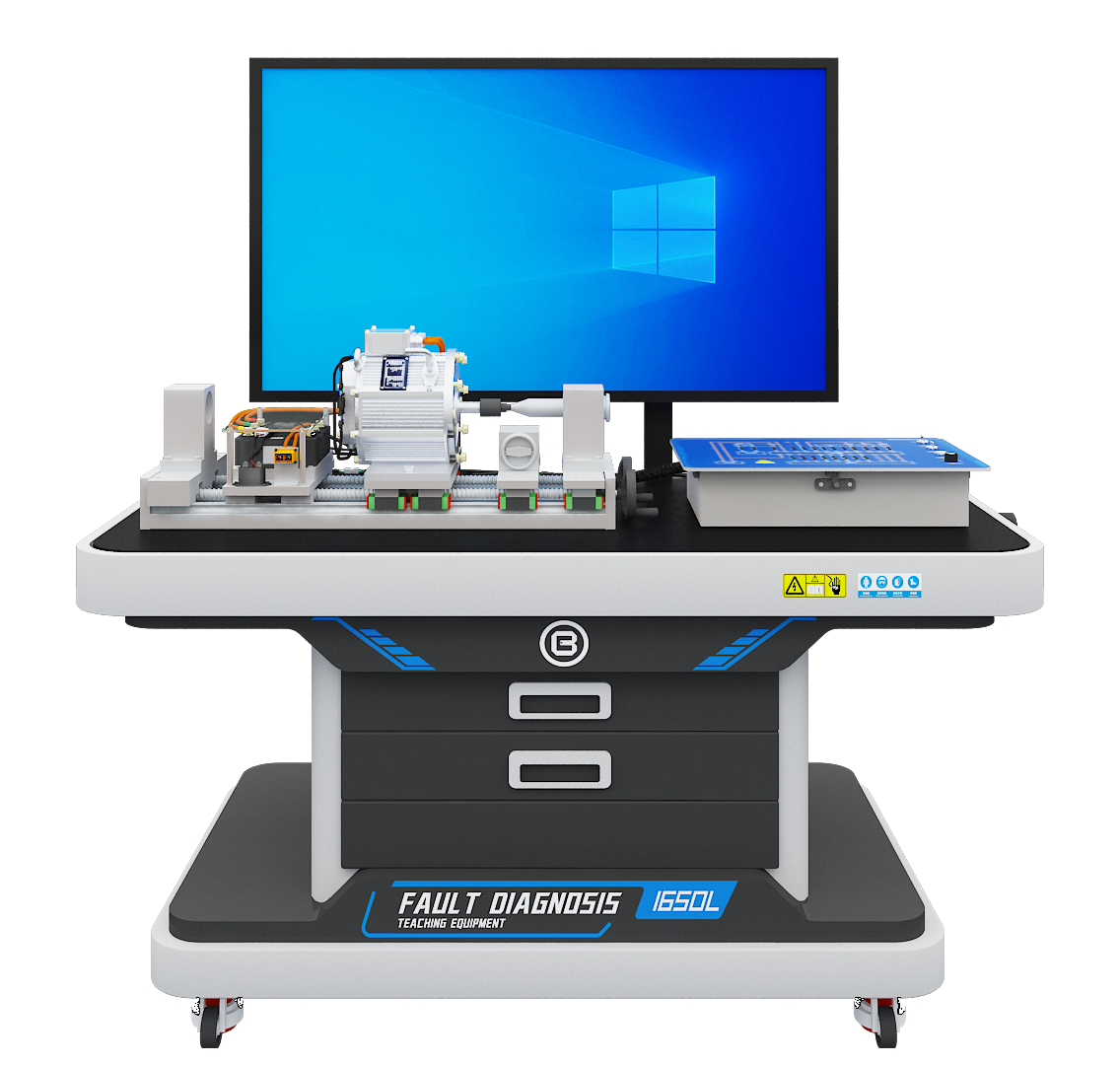
Practice motor assembly, resolver adjustment and mechanical inspection before investigating selected circuit faults.
Drive Motor & Control
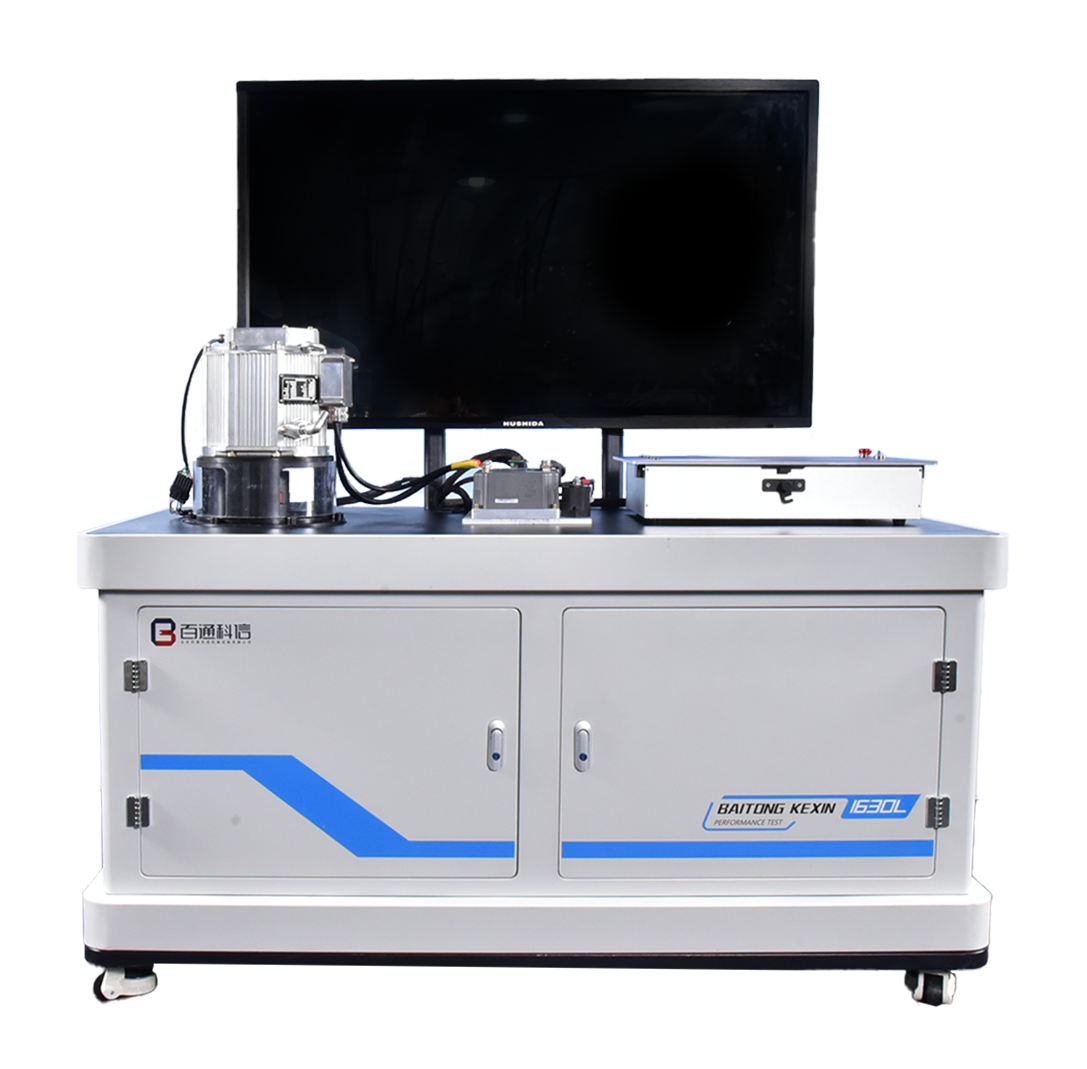
Explore motor performance through controlled load tests, speed and torque measurements, and curve analysis.
Drive Motor & Control
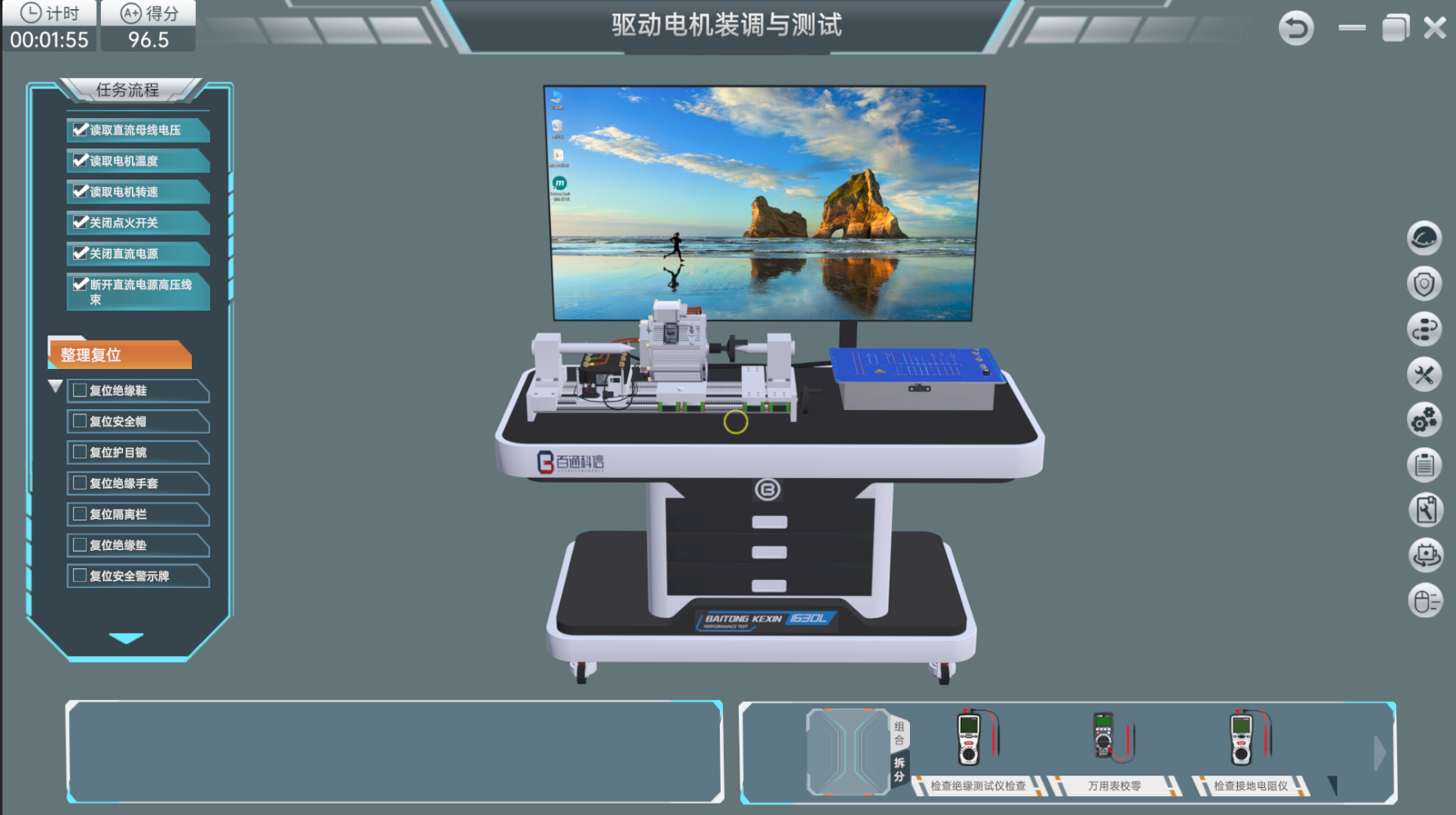
Rehearse motor assembly, resolver checks and controller-state analysis before supervised work on physical equipment.
Drive Motor & Control
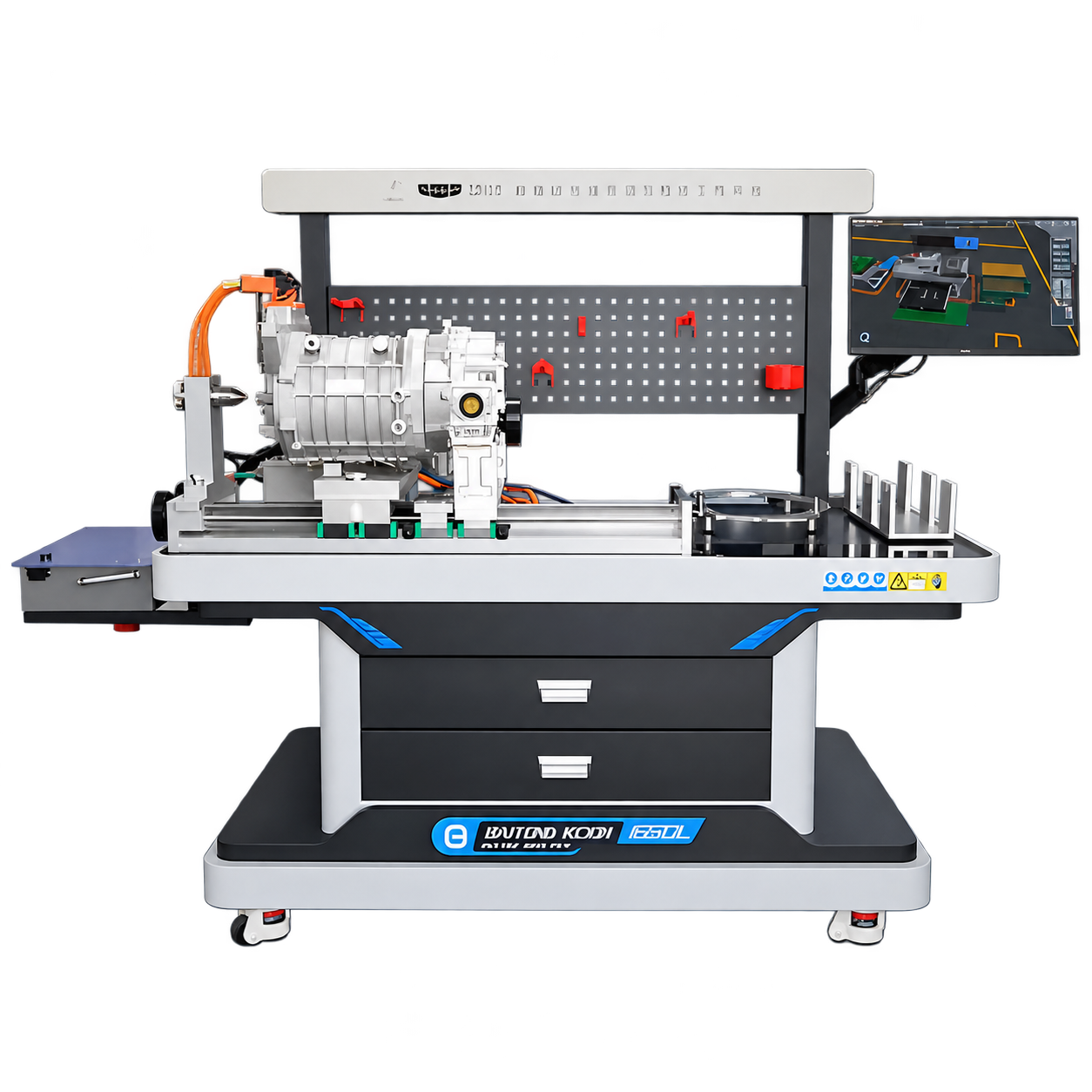
Practice drive-assembly disassembly, inspection and reassembly using a service platform matched to the selected system.
Drive Motor & Control
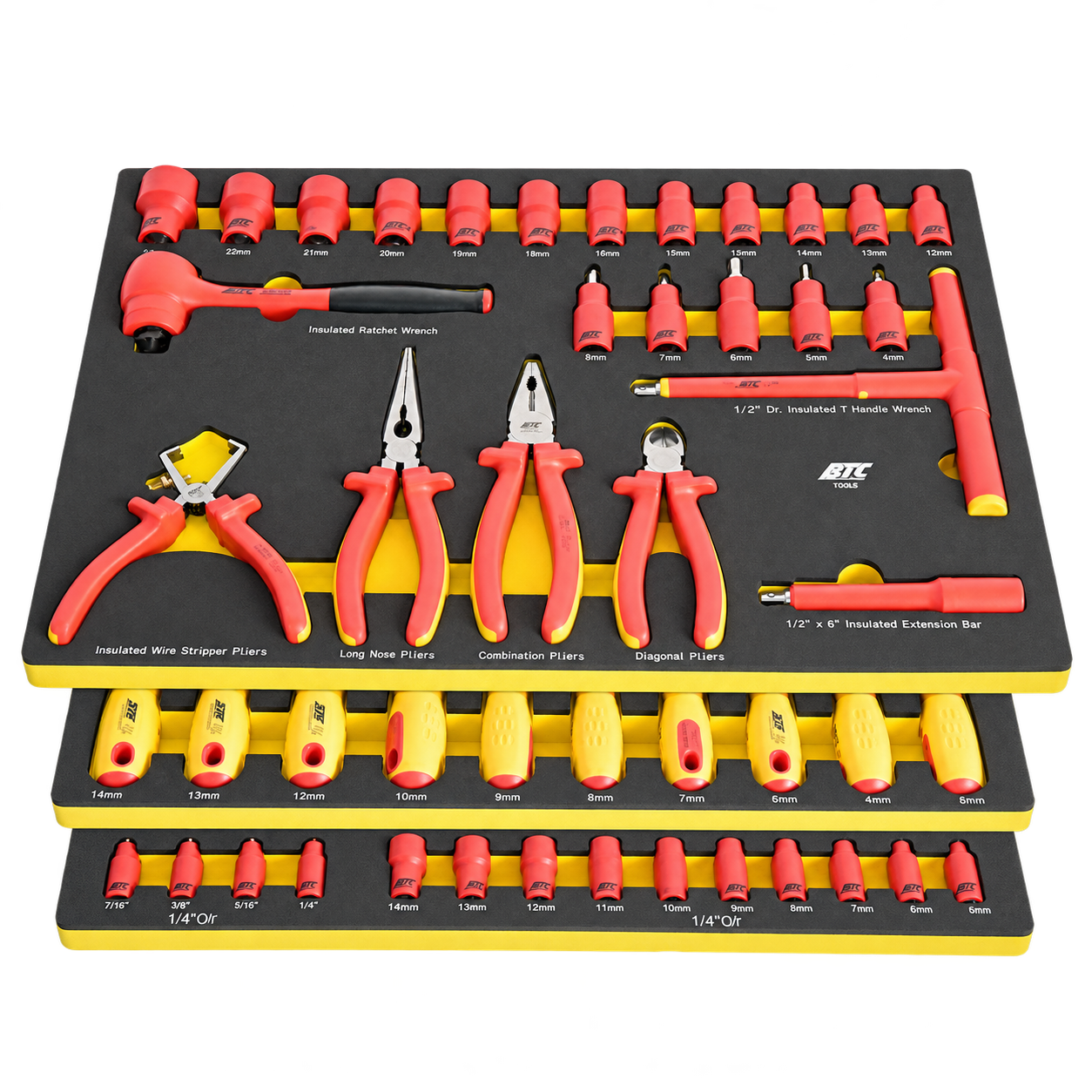
Organize insulated tools for supervised EV workshop tasks with dedicated storage and task-matched tool sizes.
Drive Motor & Control
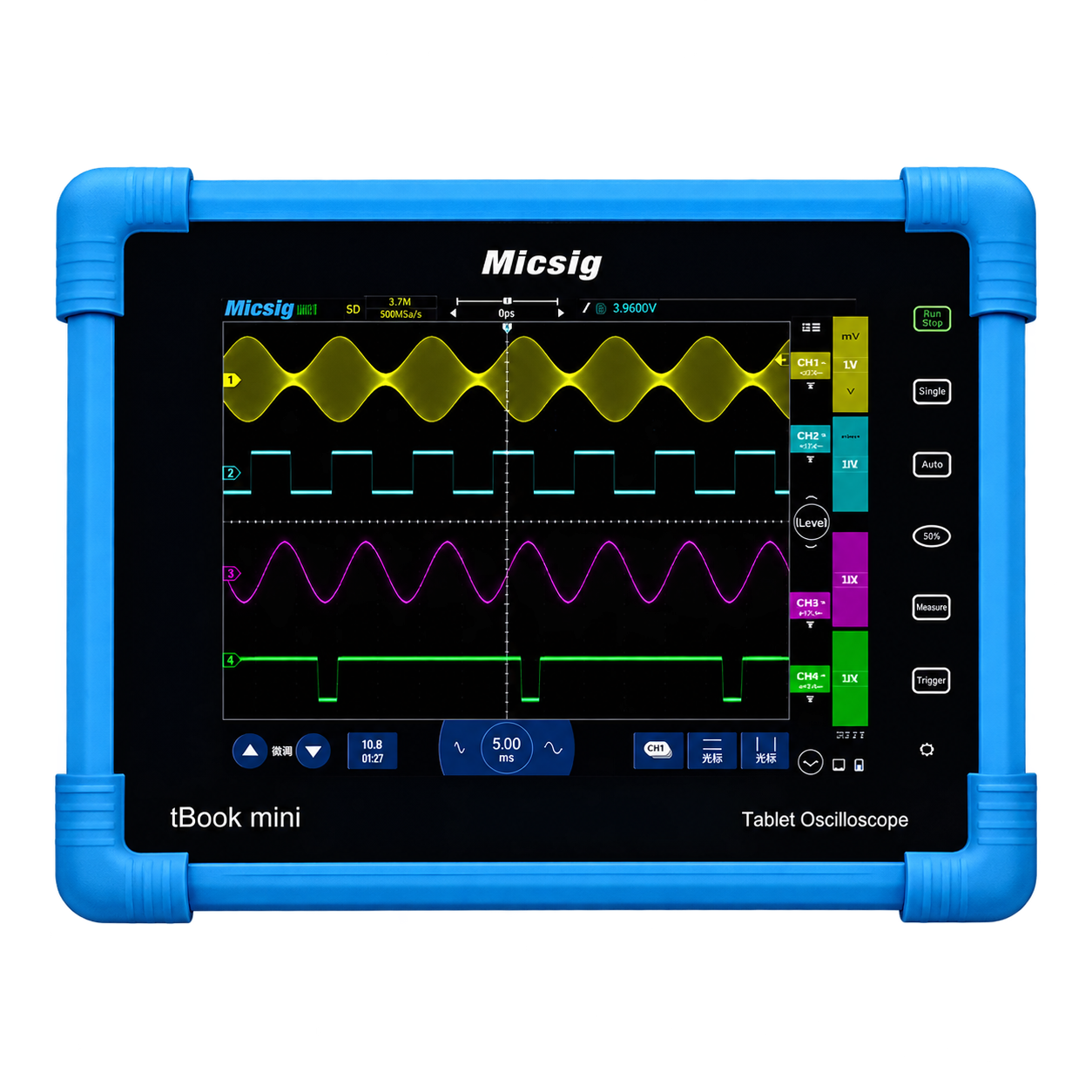
Capture and compare automotive circuit waveforms using two channels and probes matched to the circuit.
Drive Motor & Control
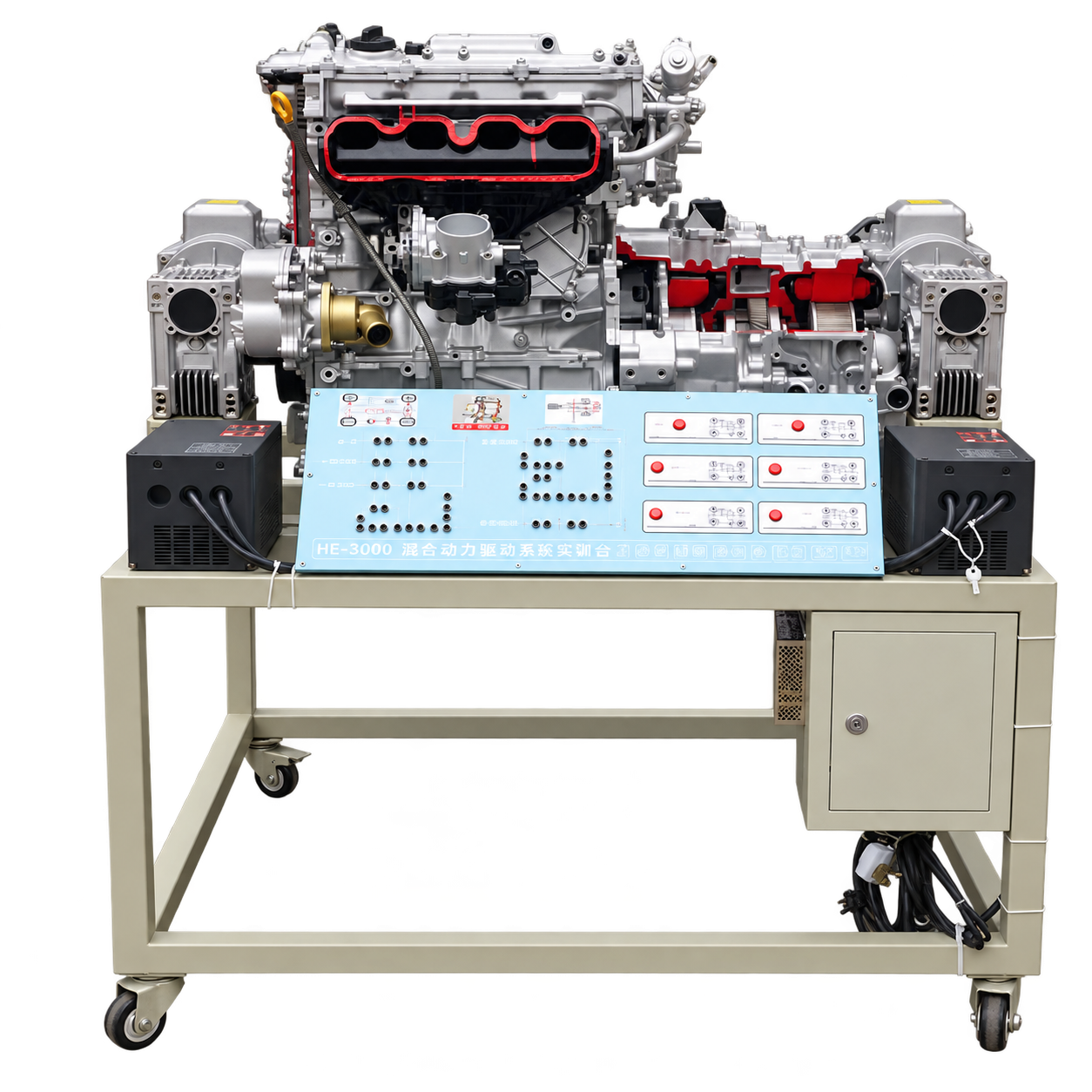
Explain hybrid-drive architecture through sectioned components and a presentation format matched to the course.
Working benches for NEV lighting, comfort functions, electric air conditioning and CAN communication, with circuit measurement and diagnostic training.
NEV Electrical Systems
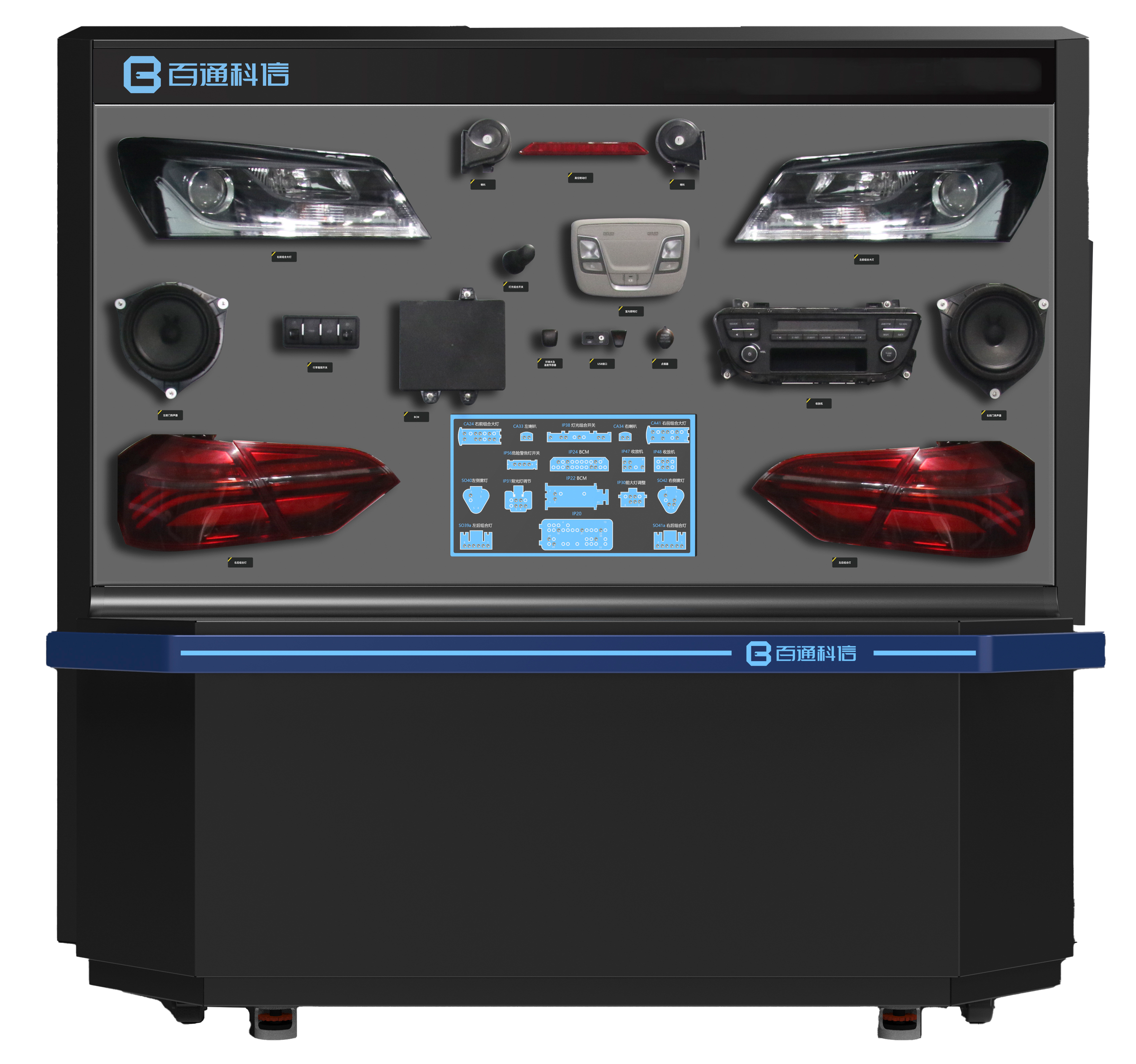
Relate lamp operation to circuit readings and compatible diagnostic data during vehicle lighting lessons.
NEV Electrical Systems
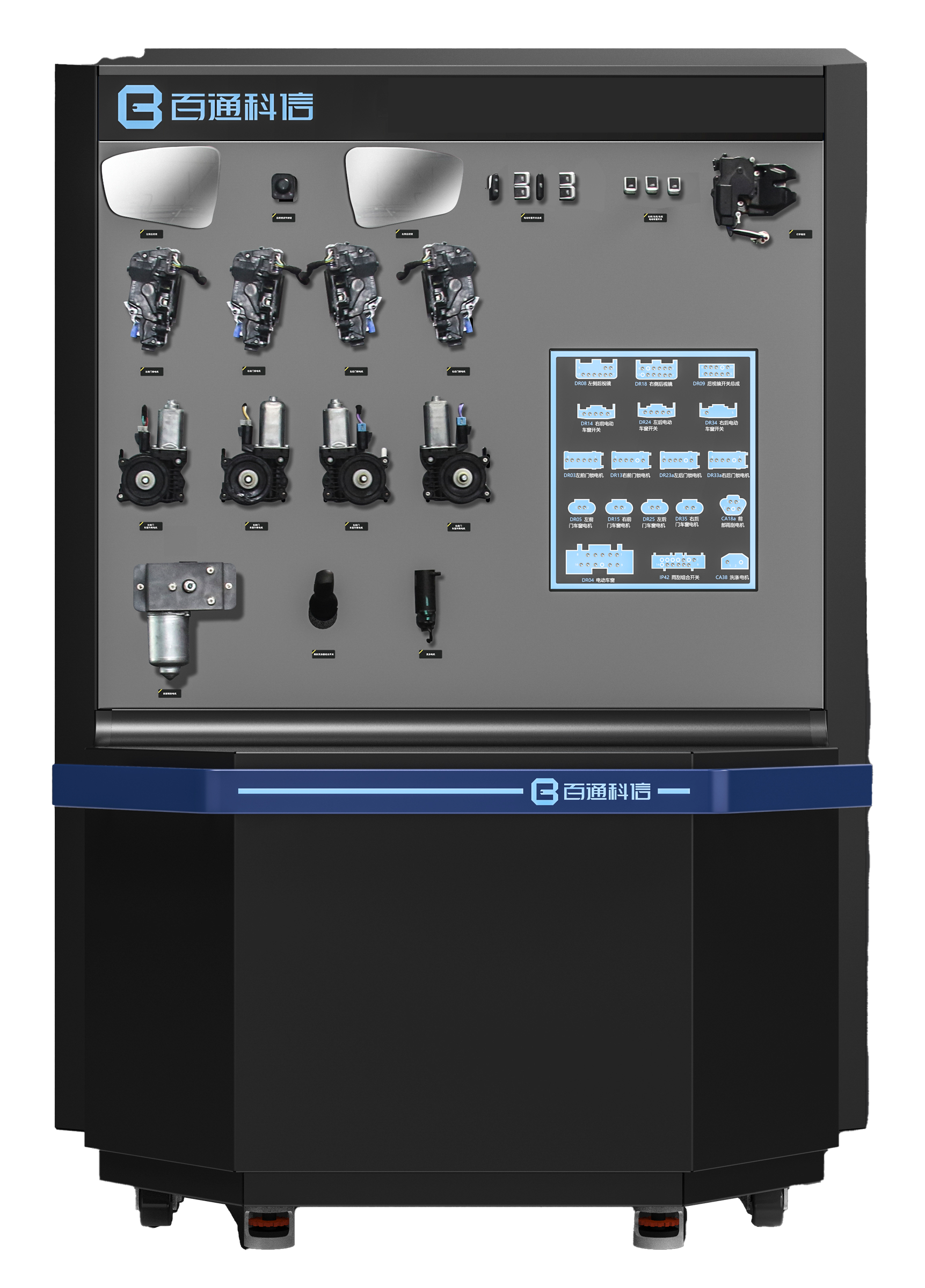
Trace wiper, mirror, locking and window-lift circuits through working components and accessible measurement points.
NEV Electrical Systems
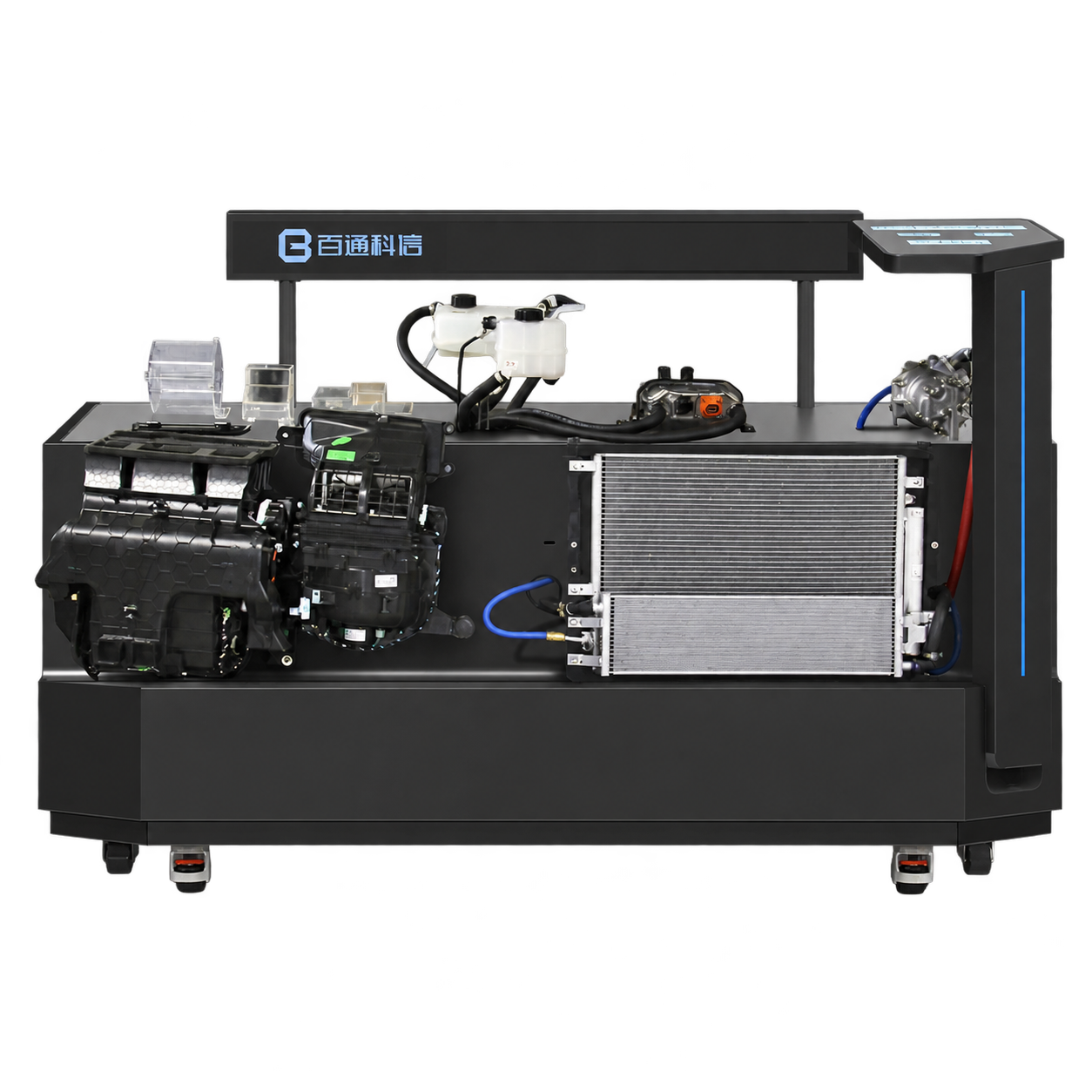
Explore electric-compressor operation and circuit readings alongside supervised tasks for refrigerant service.
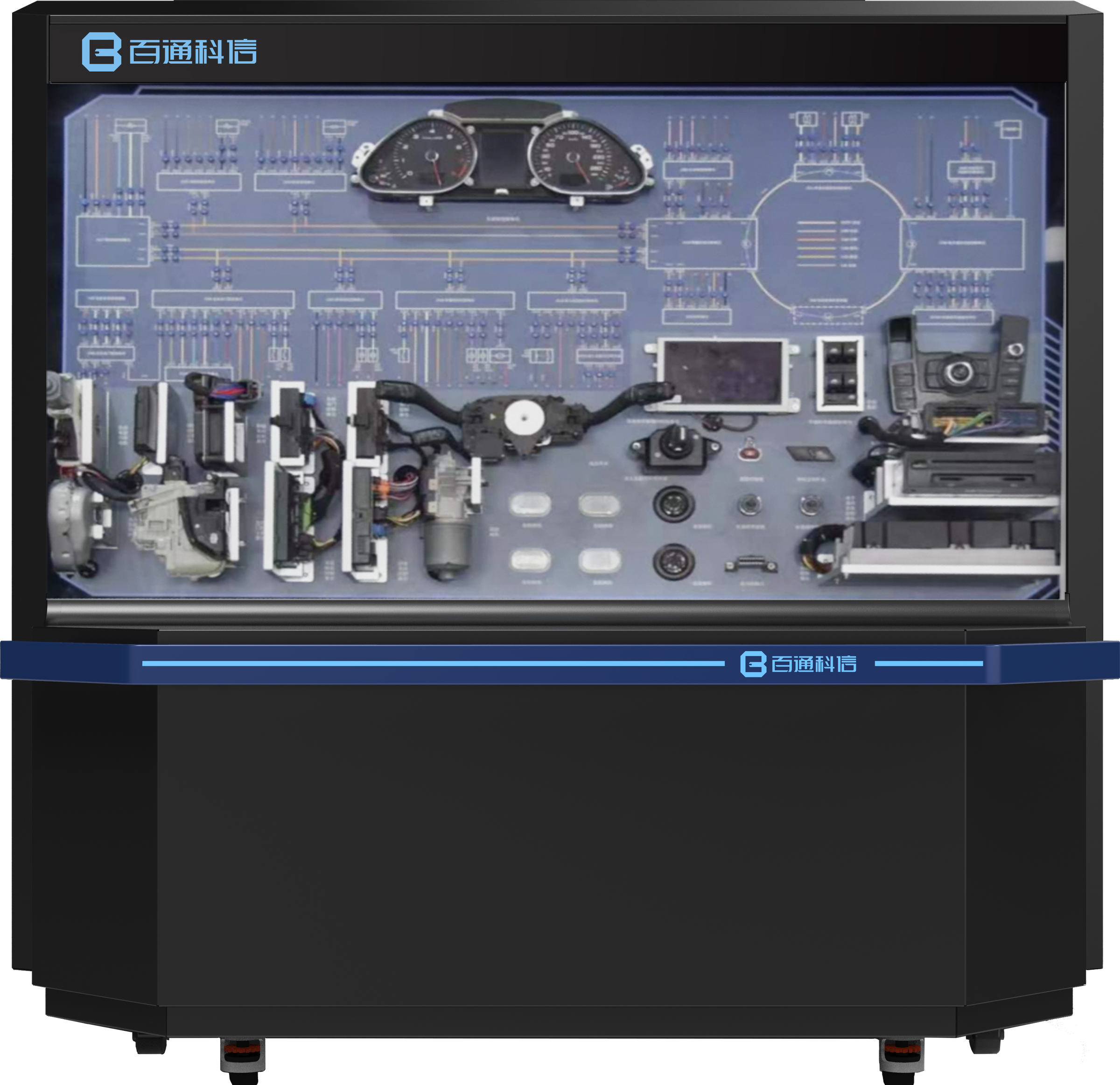
NEV Electrical Systems
Study network topology, circuit measurements and fault reasoning using a working vehicle communication bench.
Drivetrain dismantling, electric power steering and front-suspension benches for component study, inspection and supervised practical training.
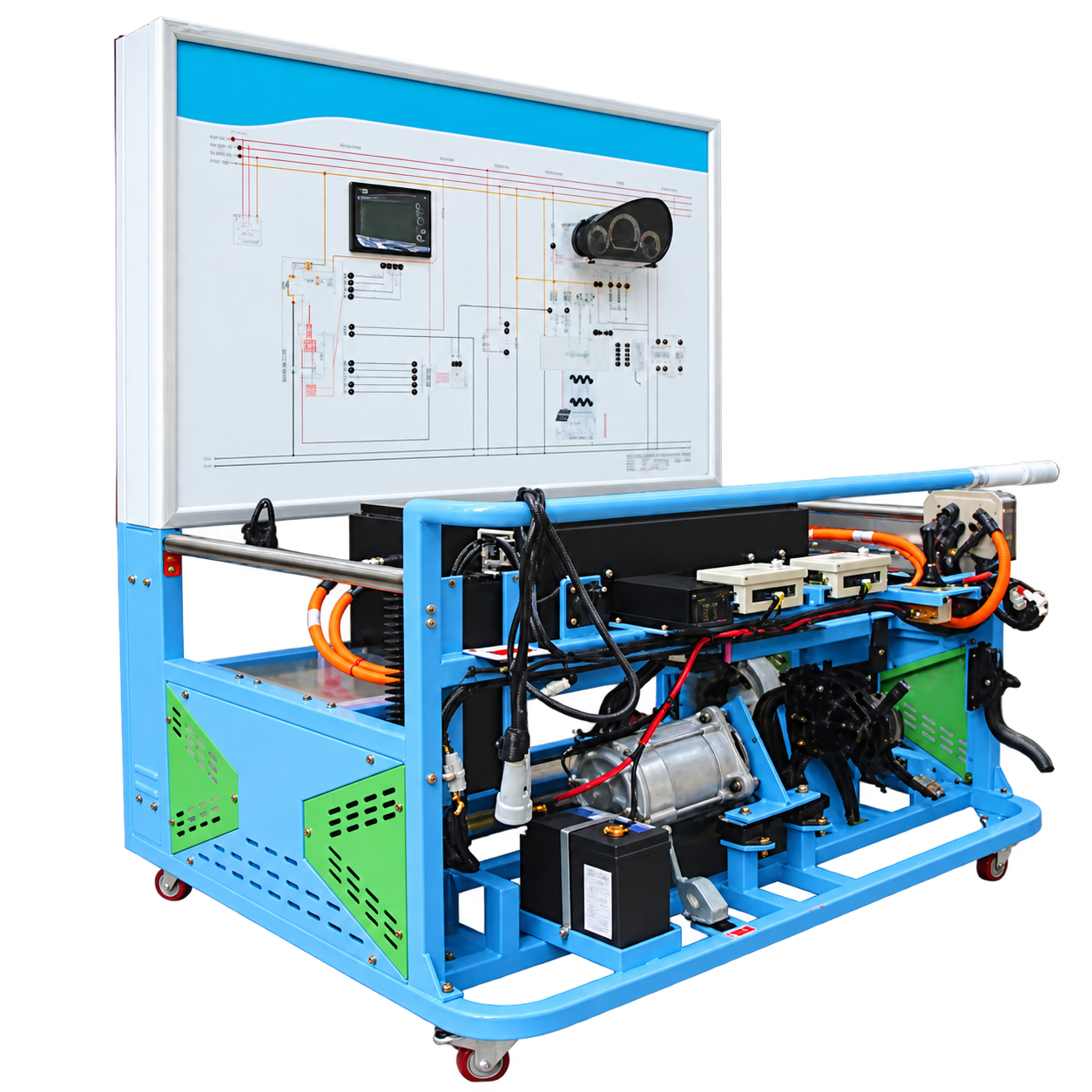
NEV Chassis Systems
Practice drivetrain dismantling, inspection and reassembly with a manual turnover stand and course-matched transmission.
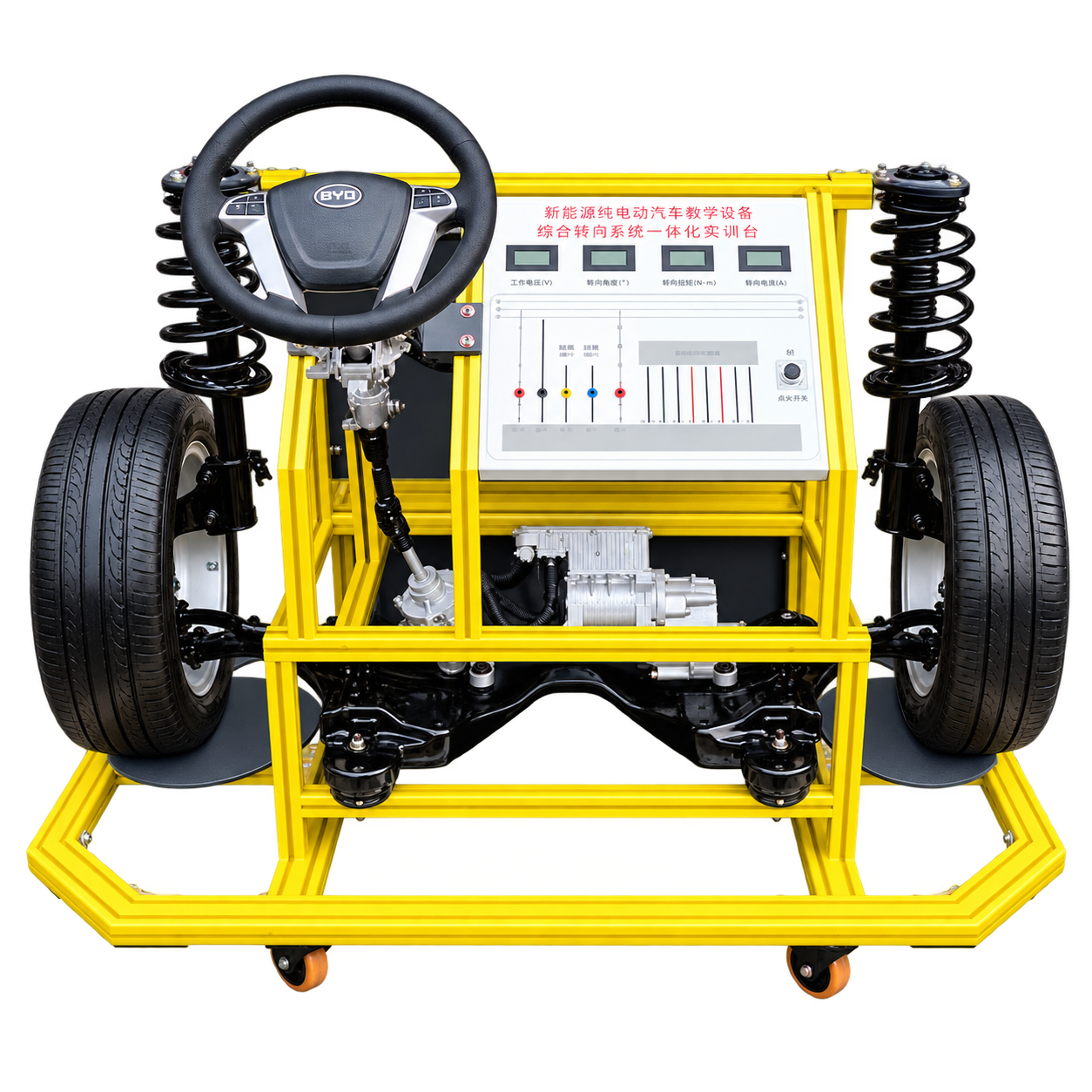
NEV Chassis Systems
Relate electric steering operation to circuit measurements and diagnostic reasoning during supervised lessons.
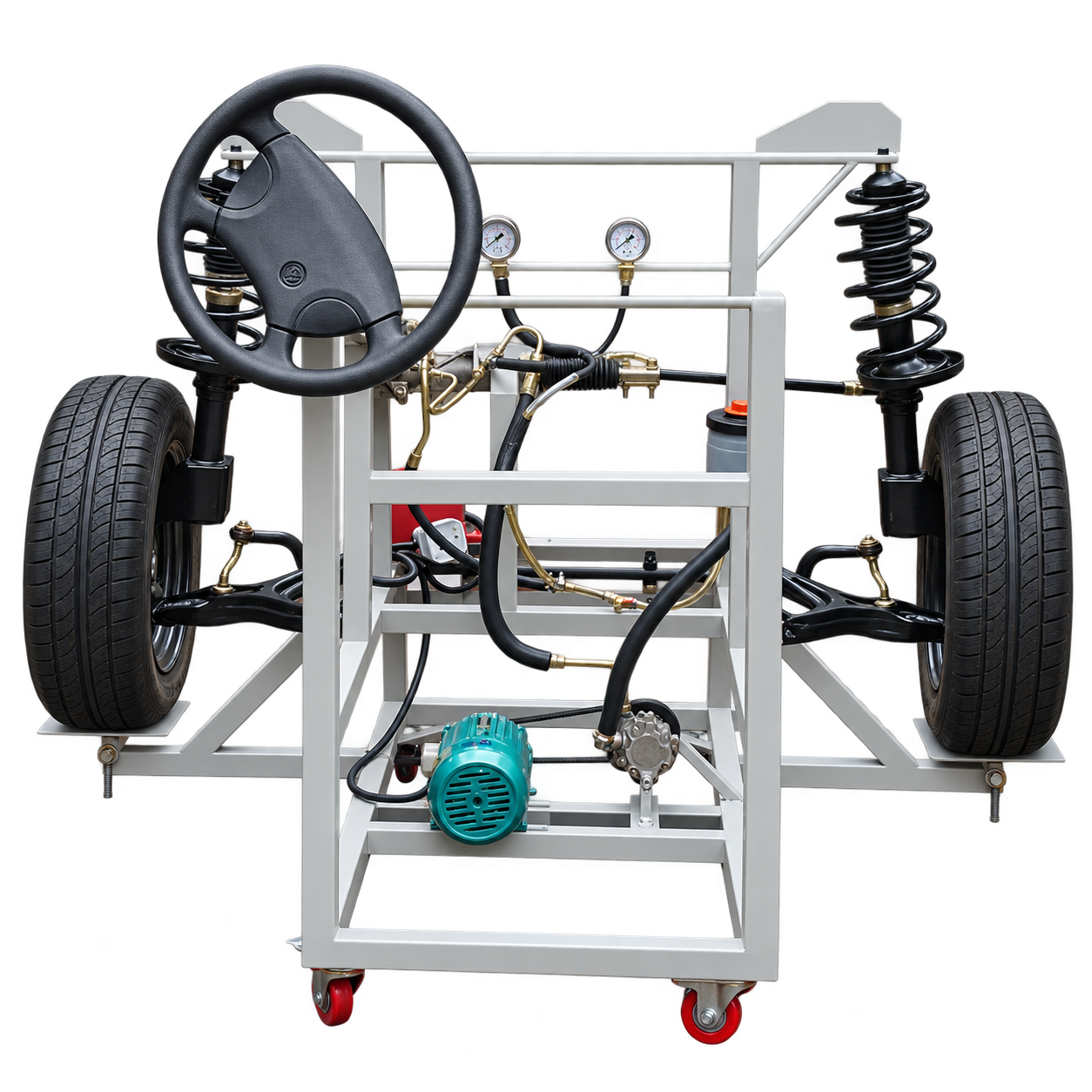
NEV Chassis Systems
Study front-suspension structure and inspection before supervised disassembly using task-specific tools and procedures.
High-voltage architecture, liquid-cooled DC charging, wheel-end loading and signal-measurement platforms, plus data-acquisition and control software.
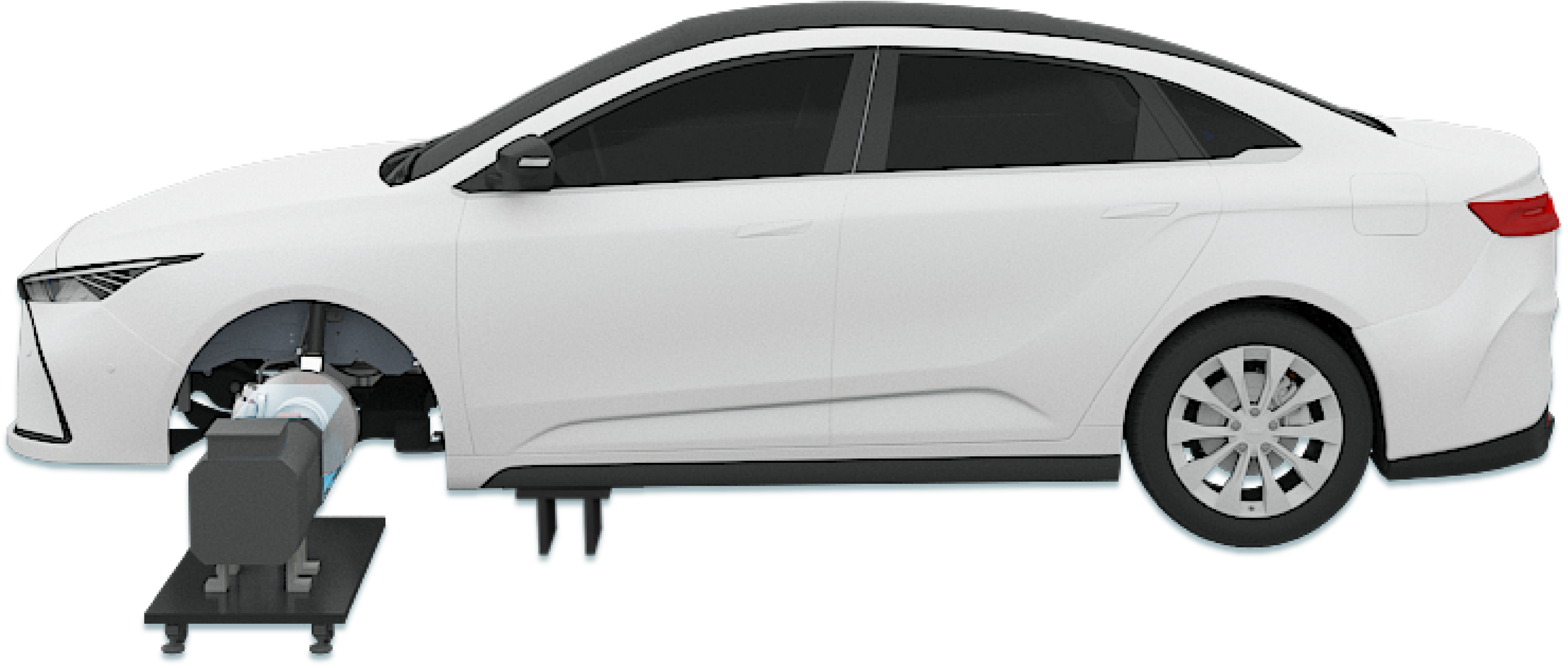
Performance Testing & Diagnostics
Study high-voltage architecture through liquid-cooled battery and motor systems within the defined test scope.
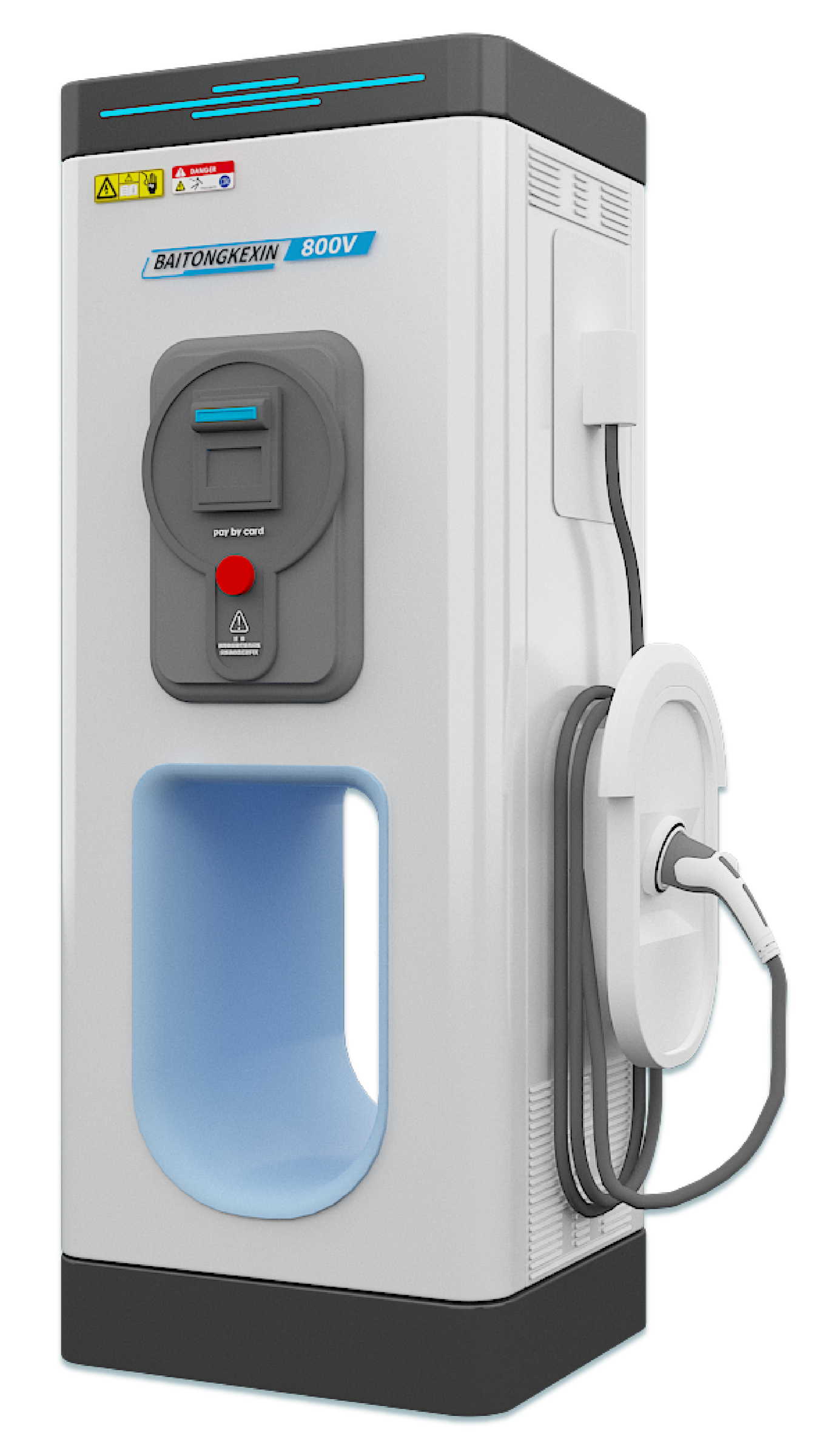
Performance Testing & Diagnostics
Investigate liquid-cooled DC charging with compatible vehicle equipment and specified cooling and output limits.
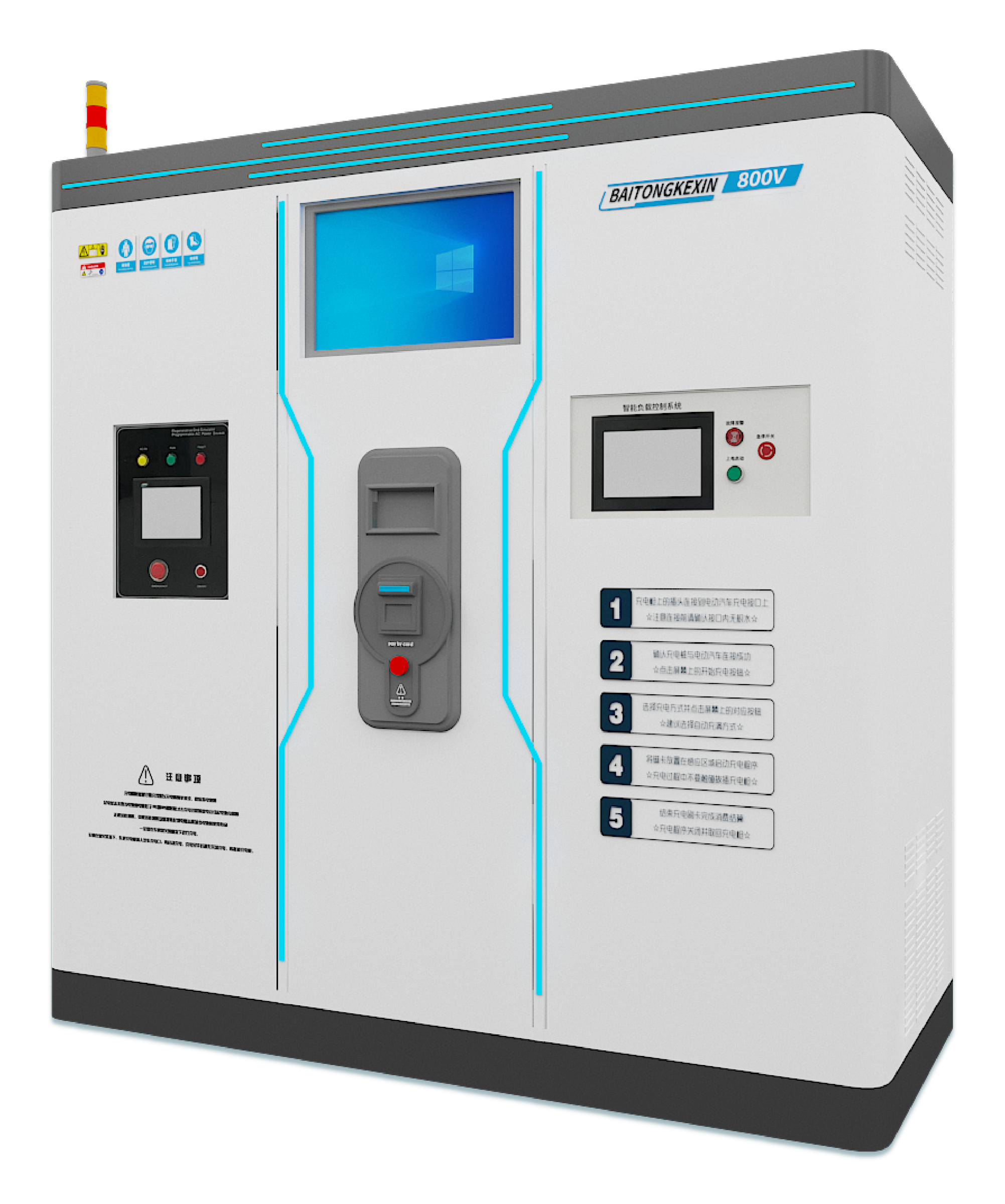
Performance Testing & Diagnostics
Coordinate battery, drive and charging measurements through a data terminal, touchscreen and matched power analyzer.
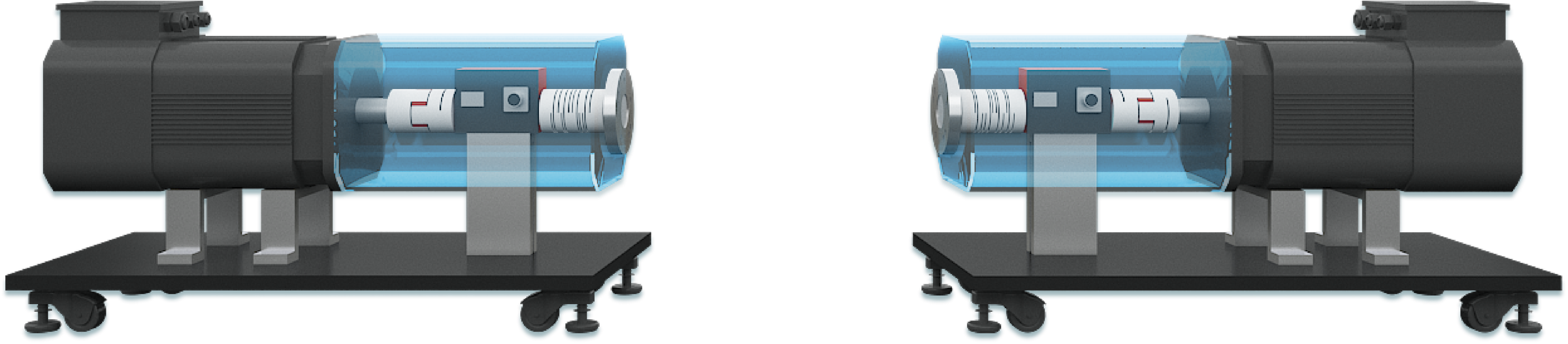
Performance Testing & Diagnostics
Study electric drive response through wheel-end loading and torque sensing matched to the selected drivetrain.
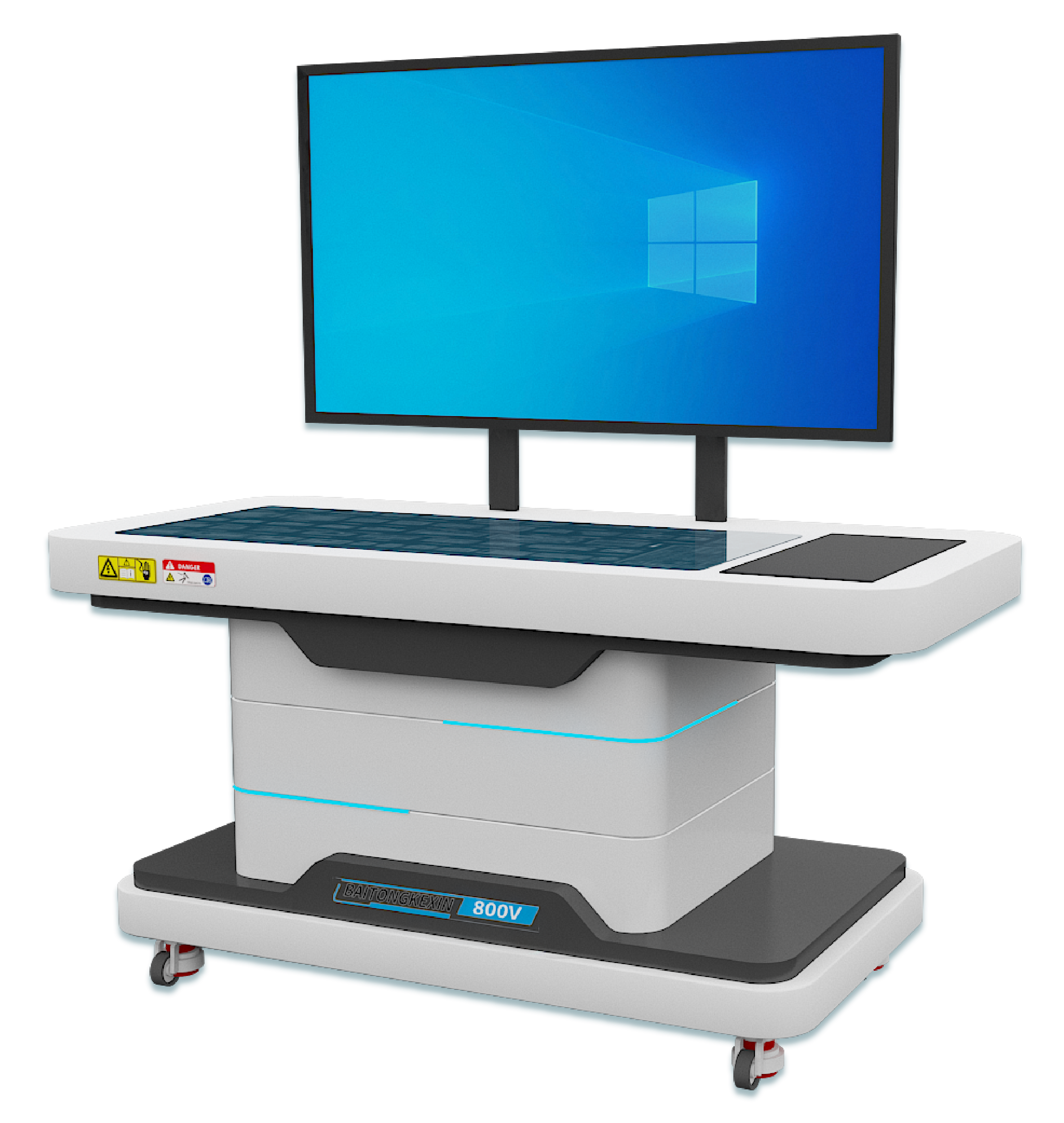
Performance Testing & Diagnostics
Investigate control circuits through waveform observation, circuit measurements and fault exercises led by instructors.
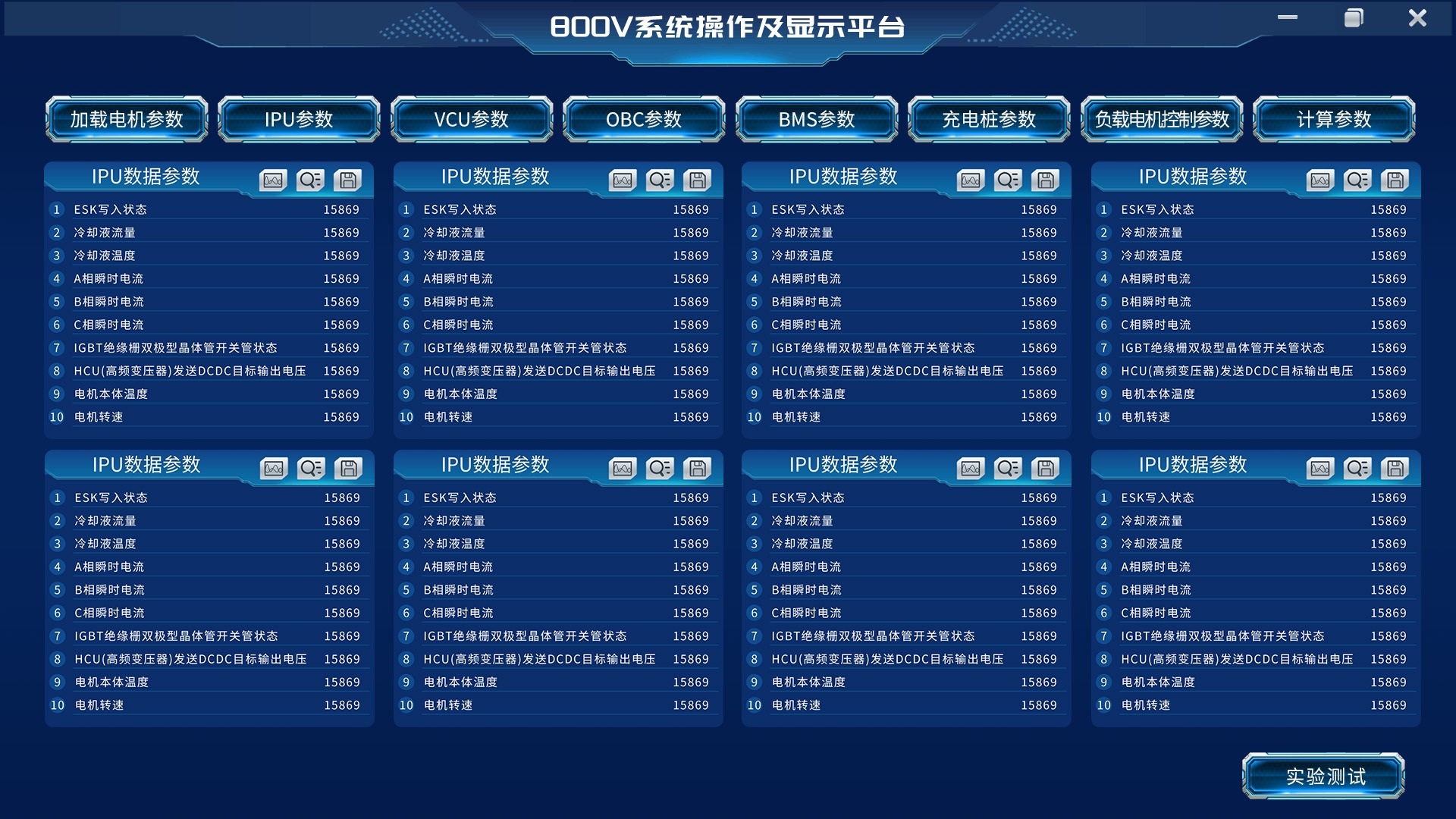
Performance Testing & Diagnostics
Review battery, drive, charging and loading data from a compatible EV test and acquisition system.
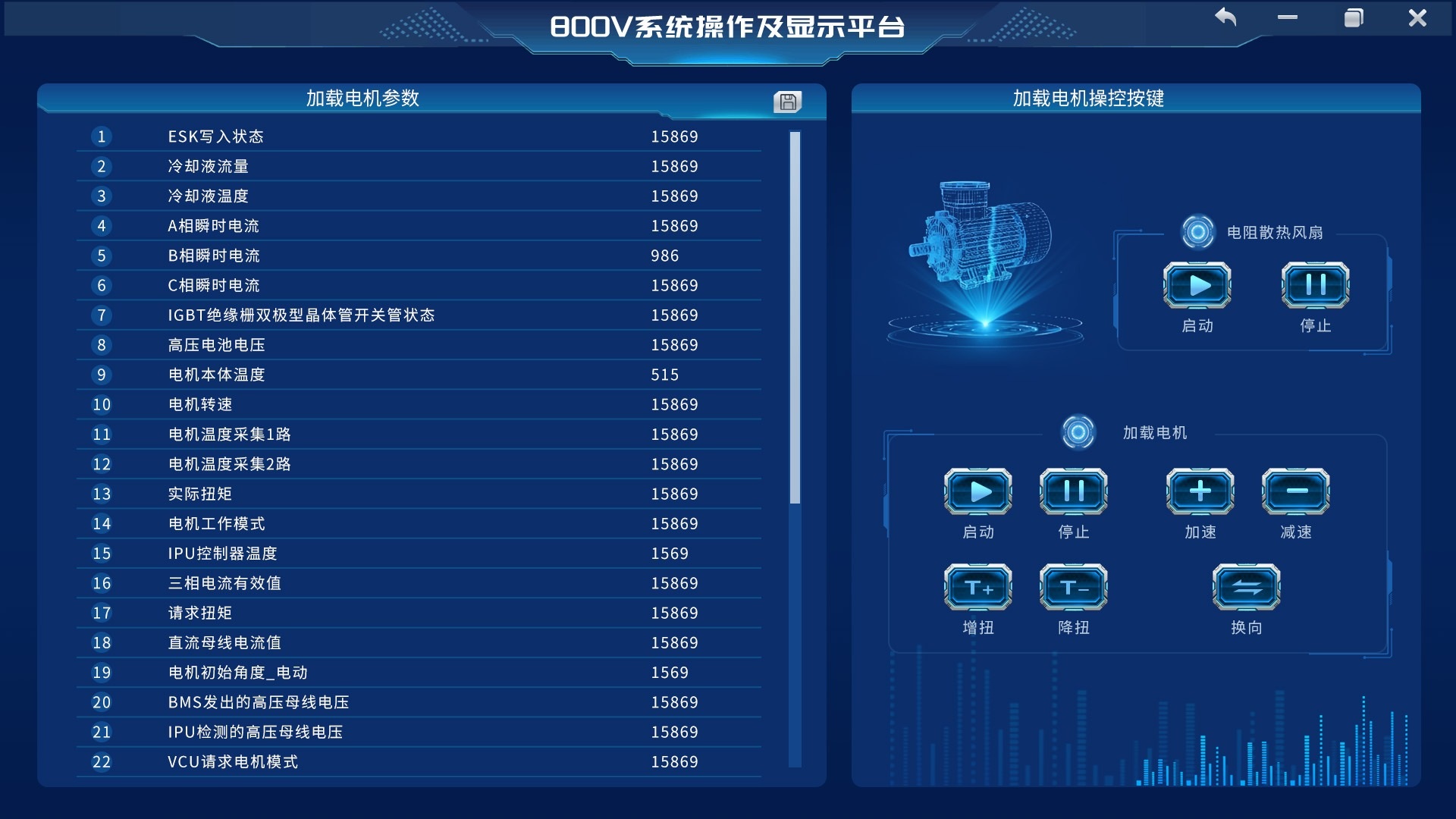
Performance Testing & Diagnostics
Coordinate compatible wheel-end loading equipment while comparing left and right speed, torque and power data.
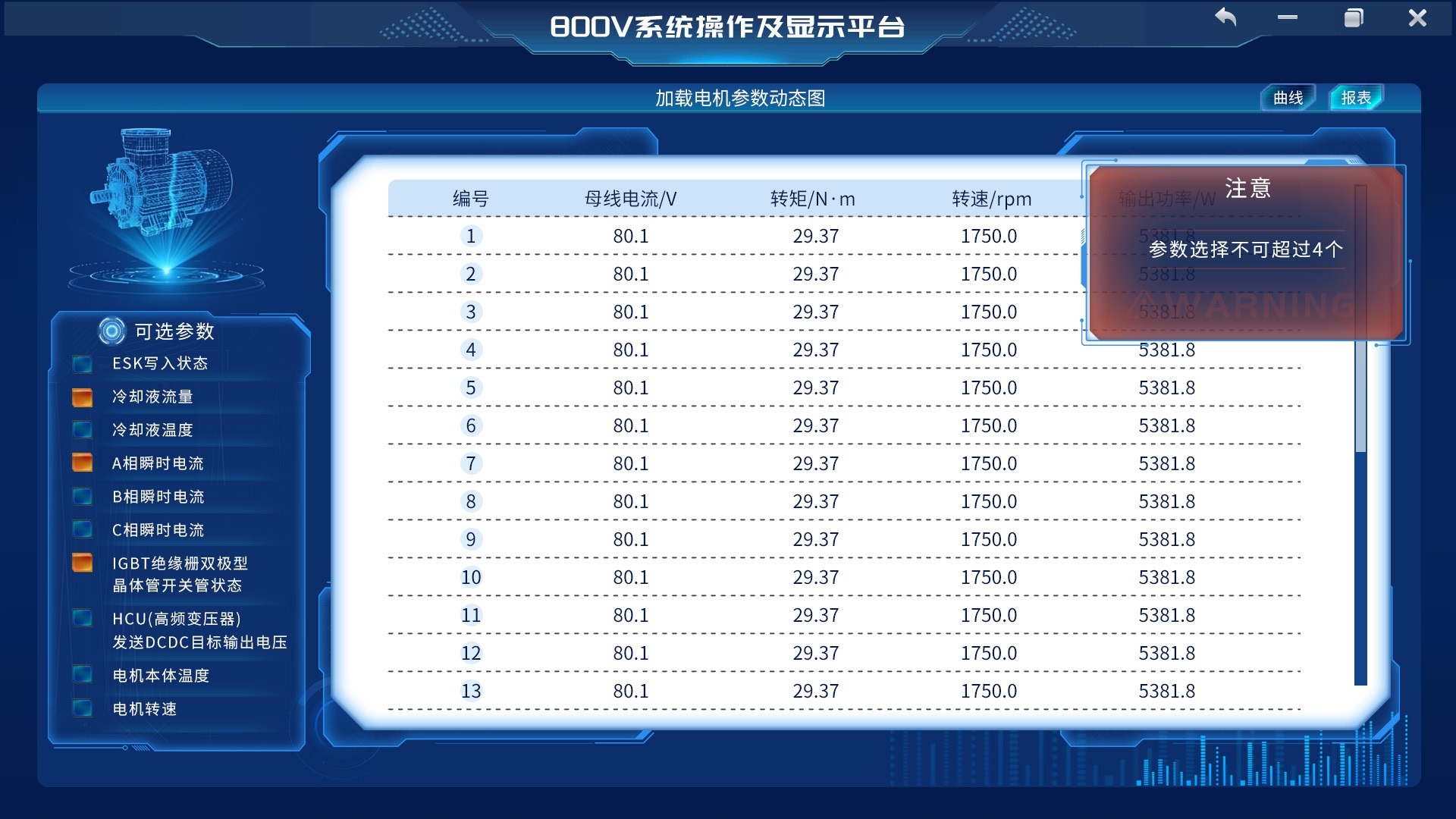
Performance Testing & Diagnostics
Compare applied signals and circuit waveforms with software linked to external signal generators and oscilloscopes.
Virtual vehicle diagnosis software for ID.4 and Corolla-based training, with virtual instruments, task records and assessment functions.
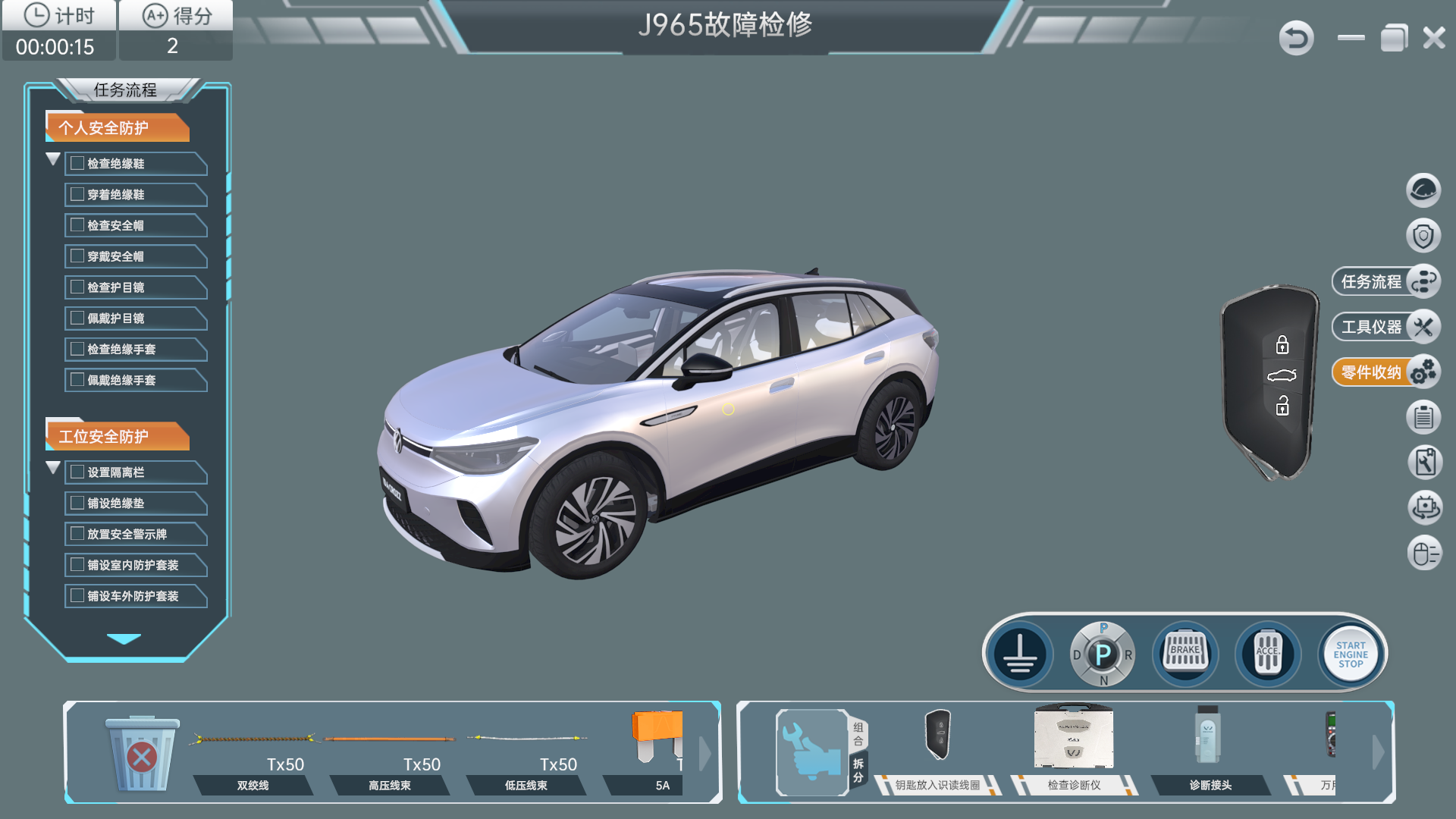
Whole-Vehicle Virtual Simulation
Investigate vehicle electrical faults through virtual connectors, charging scenarios and task-based diagnostic records.
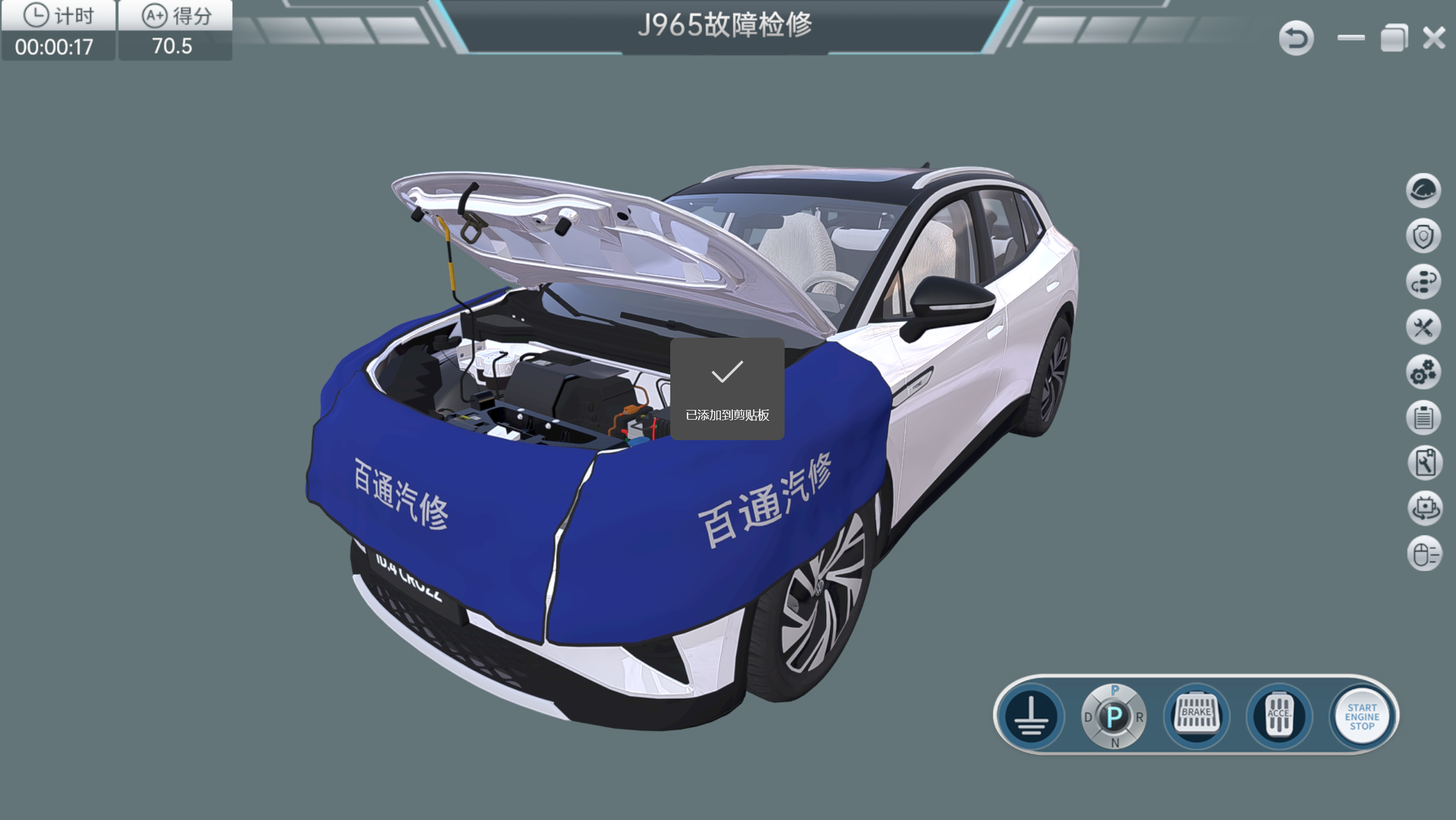
Whole-Vehicle Virtual Simulation
Practice vehicle fault diagnosis through guided simulation, circuit measurements, repair tasks and recorded assessment.
Whole-Vehicle Virtual Simulation
Practice vehicle fault diagnosis through guided simulation, circuit measurements, repair tasks and recorded assessment.
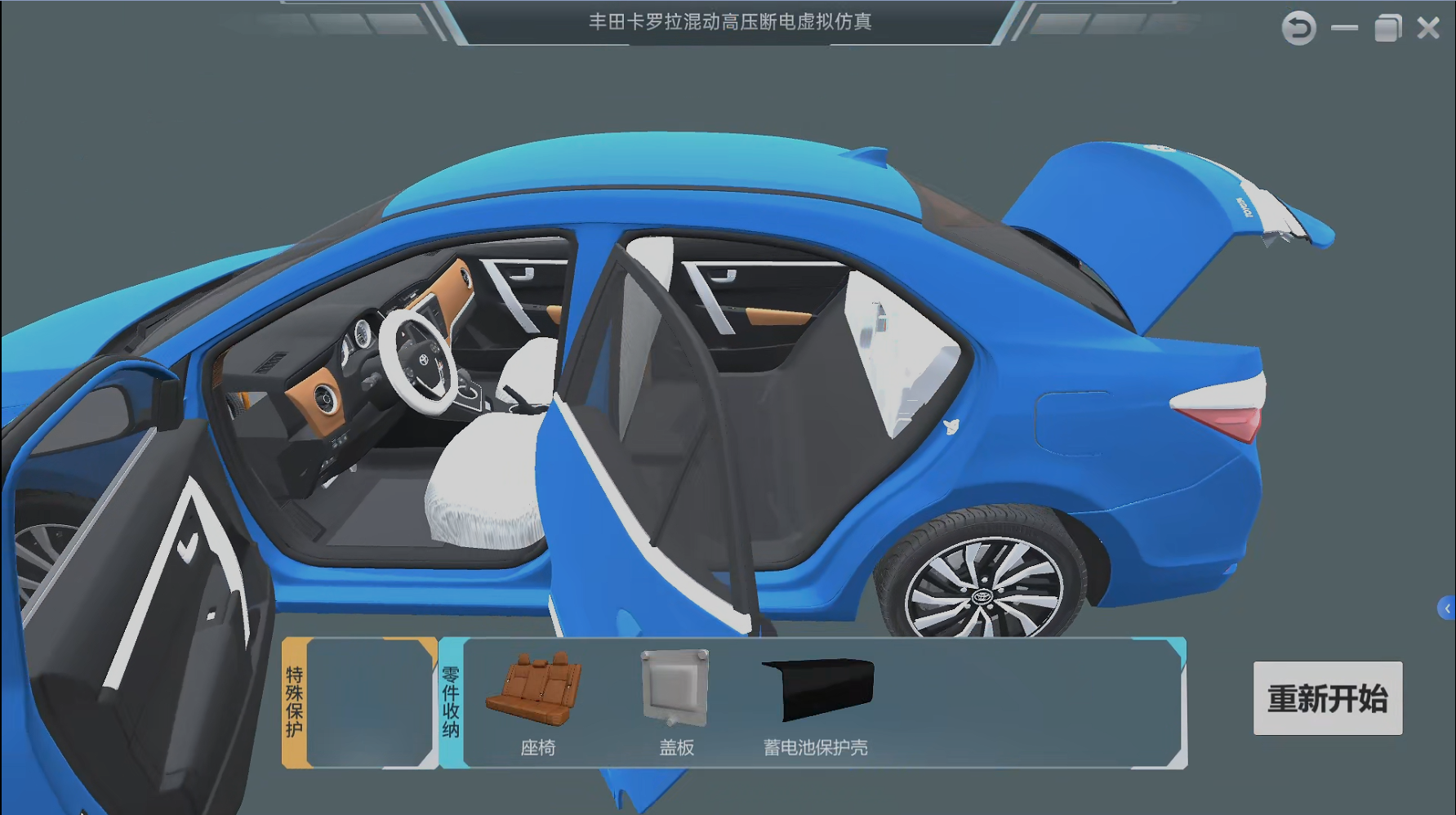
Whole-Vehicle Virtual Simulation
Practice vehicle diagnosis using virtual instruments, repair information and recorded tasks for the selected powertrain.
Whole-Vehicle Virtual Simulation
Investigate vehicle electrical faults through virtual connectors, charging scenarios and task-based diagnostic records.
Selection Guide
Connect EV systems with practical measurement and diagnosis. Build a teaching sequence from high-voltage safety and component recognition to battery, drive and virtual diagnostic practice.
Use safety simulation to introduce isolation reasoning and interlock checks before supervised work on actual vehicle systems.
Choose assembly, BMS investigation or controlled performance experiments around the evidence students need to collect.
Use virtual measurements and recorded tasks to prepare learners to explain their decisions in a workshop investigation.
BTKX Support
Connect battery, motor, charging and diagnostic stations with the room, learning resources and instructor preparation required by your course.
Beijing Commercial School's practice center combines a culture wall, a training vehicle and battery and motor performance stations. Matched task sheets, micro-lessons and operation videos accompanied the recorded project, connecting the physical equipment with a planned teaching sequence.
Explore the Beijing Practice CenterReview workstation numbers, electrical capacity, access and high-voltage teaching zones together. Match the selected battery, motor and charging stations to the course sequence before agreeing the laboratory layout and equipment list.
Explore EV Lab PlanningCo-develop automotive task sheets, operation media and assessment materials around the equipment students will use. Define the lesson objectives and deliverable formats with faculty, including the resources required for each practical unit.
Review Automotive Course DevelopmentFor a custom simulation brief, specify the vehicle or system, fault tasks and assessment record. Select the delivery platform, computer requirements and licensed scope to support the intended preparation and diagnostic exercises.
Review Simulation DevelopmentPlan faculty preparation around the installed equipment and teaching tasks. School-based, Beijing or online formats can cover agreed operation, lesson delivery and assessment topics, with the schedule matched to laboratory readiness.
Explore Instructor TrainingProduct Questions
Review equipment roles, practical teaching tasks and configuration requirements before choosing your platforms.
Begin with component identification, simulated isolation sequences and interlock reasoning. Then define physical assembly, measurement or service tasks for the selected equipment, with the required instruments and supervision. The safety trainer's displayed high-voltage values represent simulated conditions rather than its physical output.
Battery and motor assembly trainers focus on construction, connections, inspection and guided circuit investigation. Dedicated performance platforms support controlled charge-discharge or loaded motor experiments. Choose the format according to whether students need an assembly record, circuit evidence or measured performance results.
A coordinated arrangement requires a matched equipment and interface schedule. Define the mechanical connections, electrical supplies, communication interfaces, sensors and control responsibilities for the intended experiment. Individual product listings do not establish that every platform connects directly to every other system.
Compare the represented vehicle, circuit references and fault tasks with the course. Then confirm the installation edition, learner access, host-computer requirements and licensing. The catalogue includes different ID.4 configurations and a Corolla-based title; their virtual tasks and deployment scope should be checked separately.