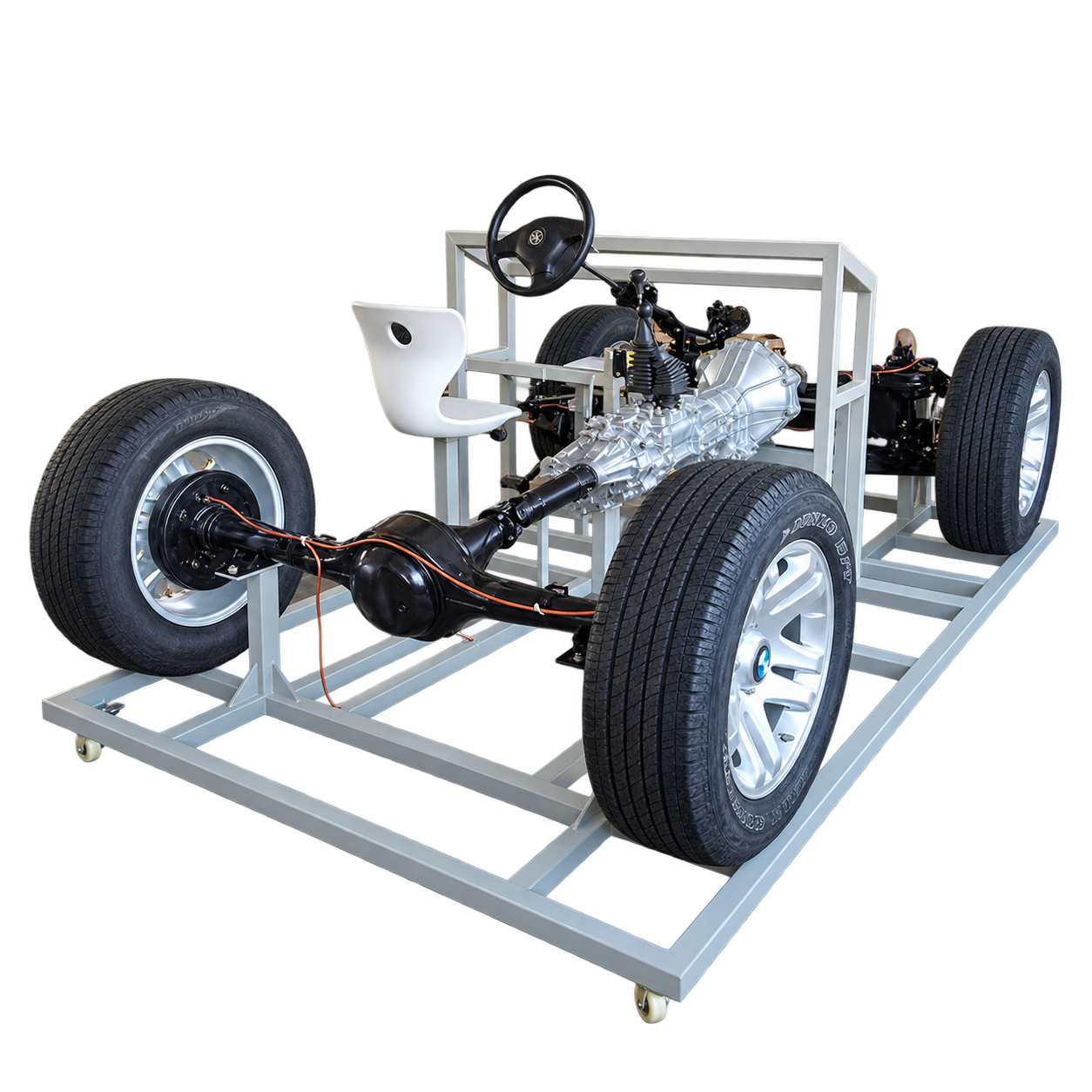

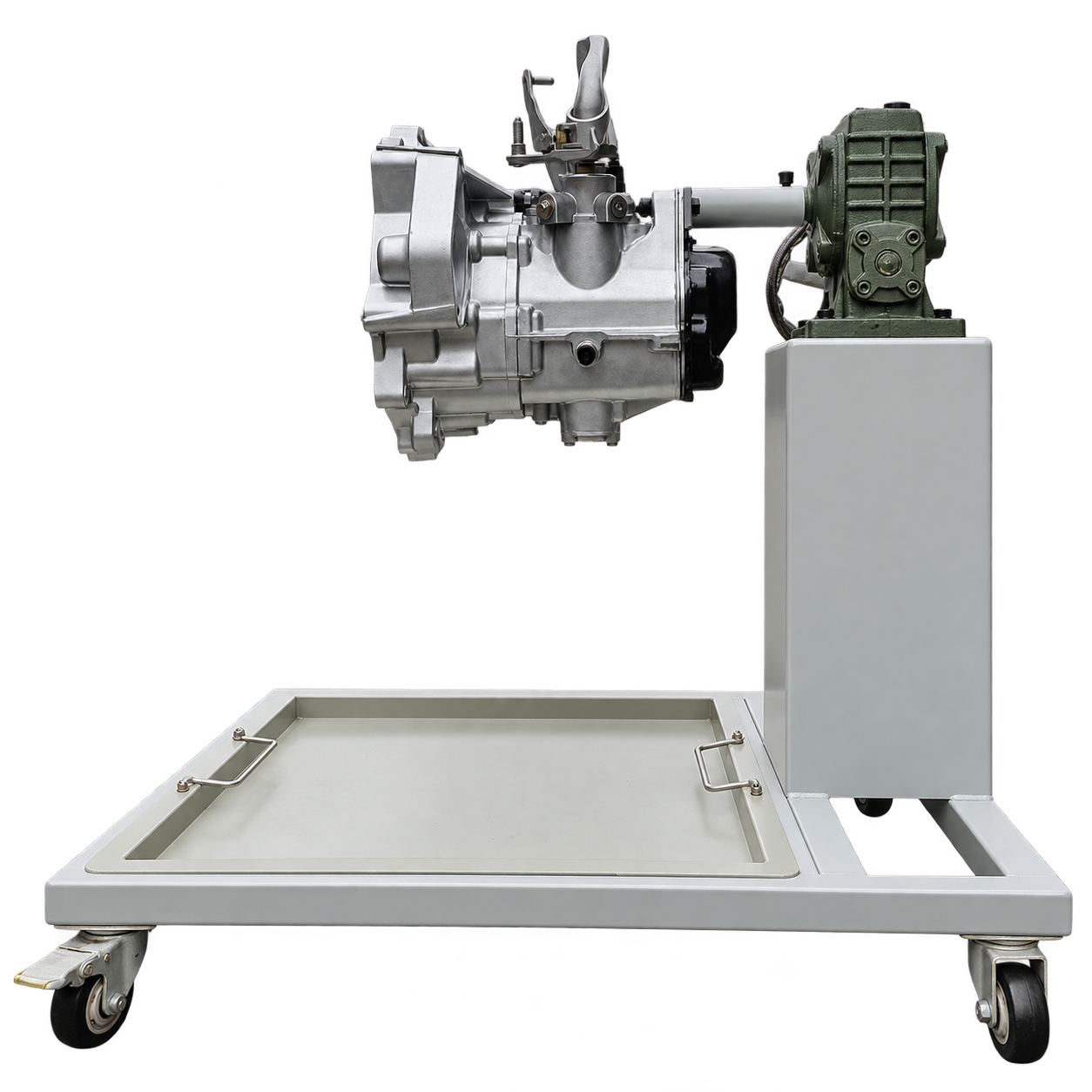
Clutch Training Bench
An automotive teaching bench focused on clutch structure and the principles of engagement and release.
- Teaching Focus 1
- Engagement and Release
- Teaching Focus 2
- Explain Engagement as a Sequence
On This Page Overview
Product Overview
The Baitongkexin Clutch Training Bench is intended for transmission and service courses. The clutch provides a focused subject for explaining how drive is connected or interrupted and why component condition matters during service. Lessons can move from mechanism recognition to a reasoned discussion of clutch complaints, using the selected clutch design and its workshop information.
Course Focus
Engagement and Release
A clutch provides a focused lesson on connecting and interrupting drive between engine and transmission. Explain the selected mechanism through component relationships and the stages of engagement; the release arrangement must be confirmed for this unit.
Explain Engagement as a Sequence
Use the supplied clutch design to describe the connected, releasing and disconnected states. Link the movement of its actual parts to changes in the transfer of drive, and distinguish this mechanism from the internal gears of a transmission.
Make a Symptom Mechanistic
For a sample engagement complaint, students should identify which stage of the sequence is affected and which component relationship warrants inspection. Any adjustment value must come from the selected unit's workshop information.
Practical Training Tasks
Clutch components
Learner Practice
Identify the components on the supplied clutch.
Evidence for Review
Labeled mechanism diagram
Engagement sequence
Learner Practice
Explain how the chosen release mechanism interrupts drive.
Evidence for Review
Explanation of drive transfer and release
Complaint analysis
Learner Practice
Link a sample engagement complaint to an inspection plan.
Evidence for Review
Inspection plan tied to a stated symptom
Configuration and Ordering
Configuration and Procurement
Specify clutch type, release actuation, mounting, operating demonstration and whether dismantling is part of the permitted training scope.
Details for Your Inquiry
Specify the clutch design and learning tasks your course covers. Ask for the actuation arrangement, component access and proposed practical-work scope.
Product Questions
What should students understand about clutch engagement?
They should explain how the supplied clutch design connects or interrupts drive and identify the components that perform engagement and release.
What practical evidence is appropriate?
A labeled mechanism, an observed or diagrammed release sequence and an inspection plan for a stated symptom can be assessed. Hands-on adjustment requires a confirmed mechanism and approved limits.
How does this differ from a manual gearbox trainer?
The clutch bench isolates the engagement mechanism. The gearbox trainer addresses gear selection and internal power paths; check the actual assemblies before planning combined tasks.
Which design choices affect procurement?
Specify clutch type, actuation, mounting, demonstration method and whether students may dismantle or adjust the unit.
Does the bench include a powered transmission?
Any connected engine or gearbox should be identified explicitly in the quoted configuration.
Continue Exploring
Related Products
Compare the stated teaching roles below. Product connections, included accessories and software licenses are confirmed in the selected configuration.