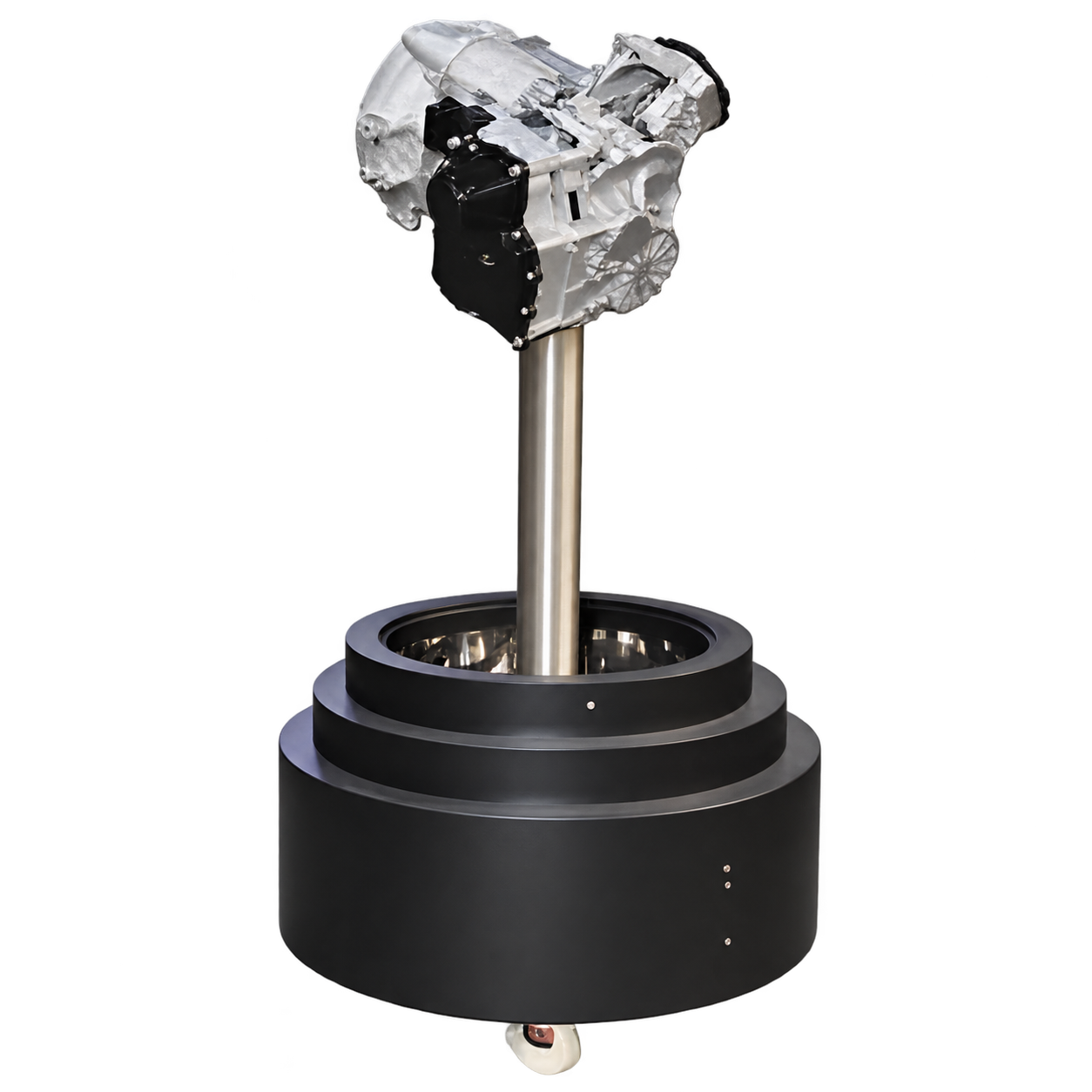

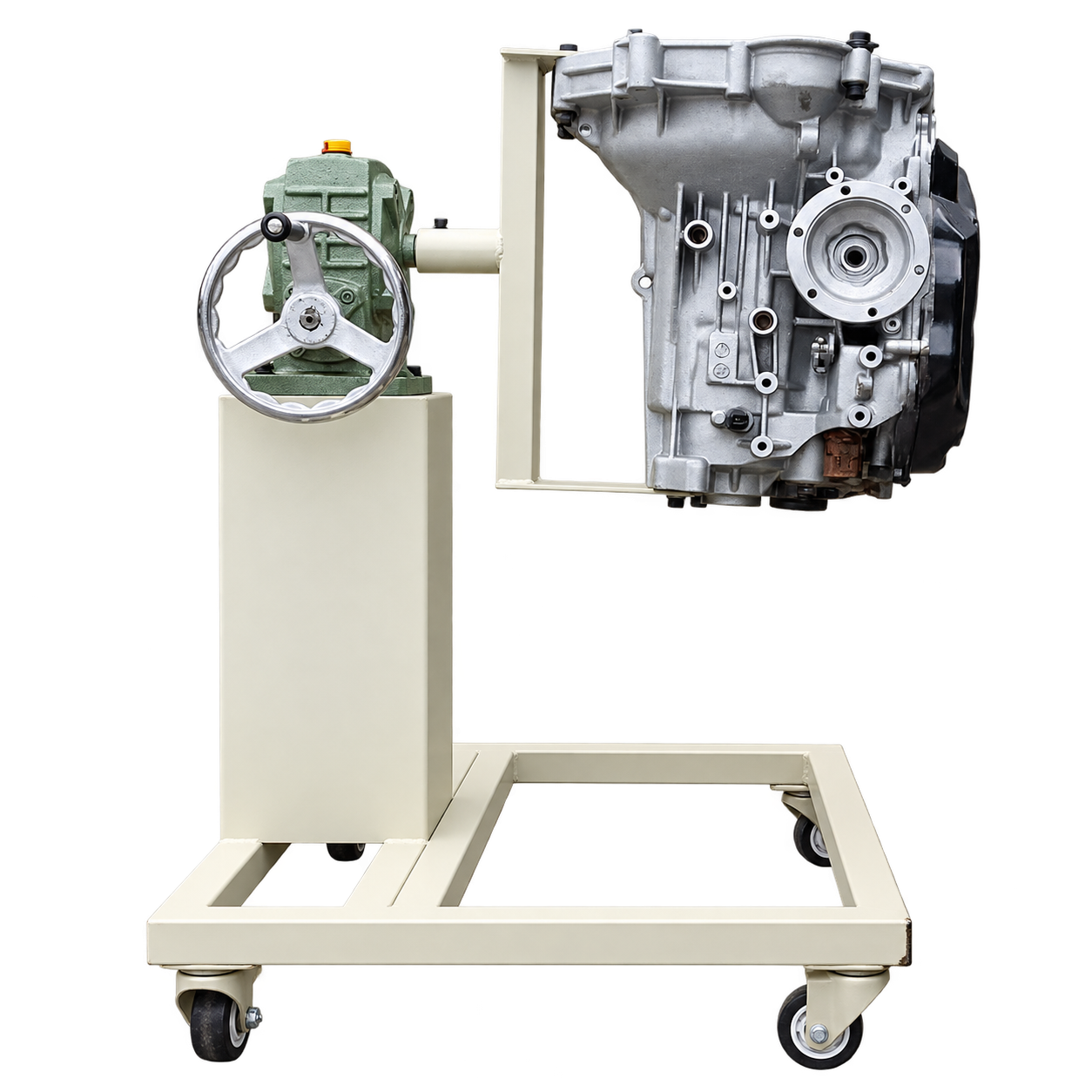
Engine and Automatic Transmission Running Trainer
A combined running trainer for teaching an engine and automatic transmission as a connected powertrain.
- Teaching Focus 1
- Powertrain Interaction
- Teaching Focus 2
- Read the Combined Powertrain
On This Page Overview
Product Overview
The Baitongkexin Engine and Automatic Transmission Running Trainer is intended for courses that need to explain the relationship between these assemblies during operation. Lessons can connect engine behavior with transmission function instead of treating each unit as an isolated subject. The selected powertrain and operating arrangement determine the practical course scope and the workshop conditions required.
Course Focus
Powertrain Interaction
Teaching the engine and automatic transmission together lets students ask how an operating change in one assembly relates to the other. The selected powertrain architecture governs the mechanical and electronic relationships that can be demonstrated.
Read the Combined Powertrain
Begin by naming the actual engine and transmission in the unit. Map the connection between them, then use an approved operating demonstration to discuss how a change in one assembly relates to the other.
Keep Observation and Inference Apart
An assessment can ask students to draw the power path, record supported behavior and identify which unseen control or mechanical information would be needed to explain a symptom. This avoids treating a stationary display as a road test.
Practical Training Tasks
Powertrain identity
Learner Practice
Identify the selected engine and transmission.
Evidence for Review
List of the selected engine and transmission
Combined power flow
Learner Practice
Draw their connection and intended power flow.
Evidence for Review
Diagram of their mechanical relationship
Operating observation
Learner Practice
Document an operating observation and explain what further evidence would support a service conclusion.
Evidence for Review
Evidence log separating observation and inference
Configuration and Ordering
Configuration and Procurement
Specify both assemblies, their control systems, permitted running conditions, safety enclosure, exhaust management and measurement access. Confirm whether the training unit is fully functional or uses a limited demonstration mode.
Details for Your Inquiry
Tell us the engine and transmission combination your curriculum uses and the operating demonstrations you need. Request the installation conditions and detailed equipment scope.
Product Questions
Why teach the two assemblies as one powertrain?
Students can follow how the selected engine and transmission interact under a supported operating condition. This offers a different learning focus from studying the engine or gearbox separately.
What can learners report after a demonstration?
A power-flow diagram and observation record can relate engine behavior to the transmission's response. Any diagnosis should distinguish an observed result from an assumption about unseen control data.
Does the trainer include full vehicle controls?
Ask for an itemized list of the engine, transmission, control units, selector and instruments before planning vehicle-level operating exercises.
What must be reviewed before installation?
The confirmed running mode, fuel and exhaust arrangements, guarding, electrical supply, footprint and instructor controls determine the lab requirements.
Can learners road-test the complete powertrain?
No vehicle road-testing capability is established. Define the stationary operating demonstrations and the evidence students can actually collect.
Continue Exploring
Related Products
Compare the stated teaching roles below. Product connections, included accessories and software licenses are confirmed in the selected configuration.