
EV Battery and Motor Structure Display Wall
Model: BT-NEV2-Q011
Explain EV battery materials and motor structures with the BT-NEV2-Q011 display wall, physical samples and a central digital teaching screen.
- Upper battery display bays
- 18
- Lower motor display bays
- 13
- Central touch display
- ≥50 inches
- Reference computer
- Intel i5; 8 GB memory; 256 GB storage
On This Page Overview
Product Overview
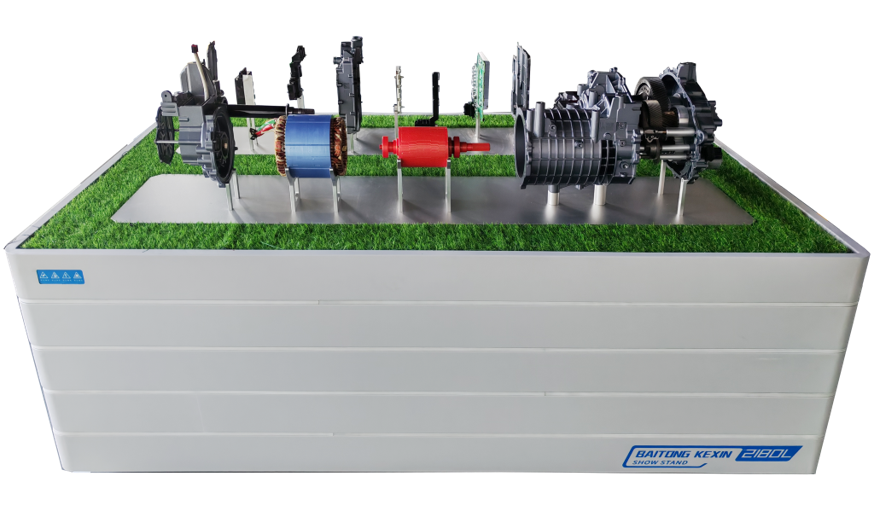
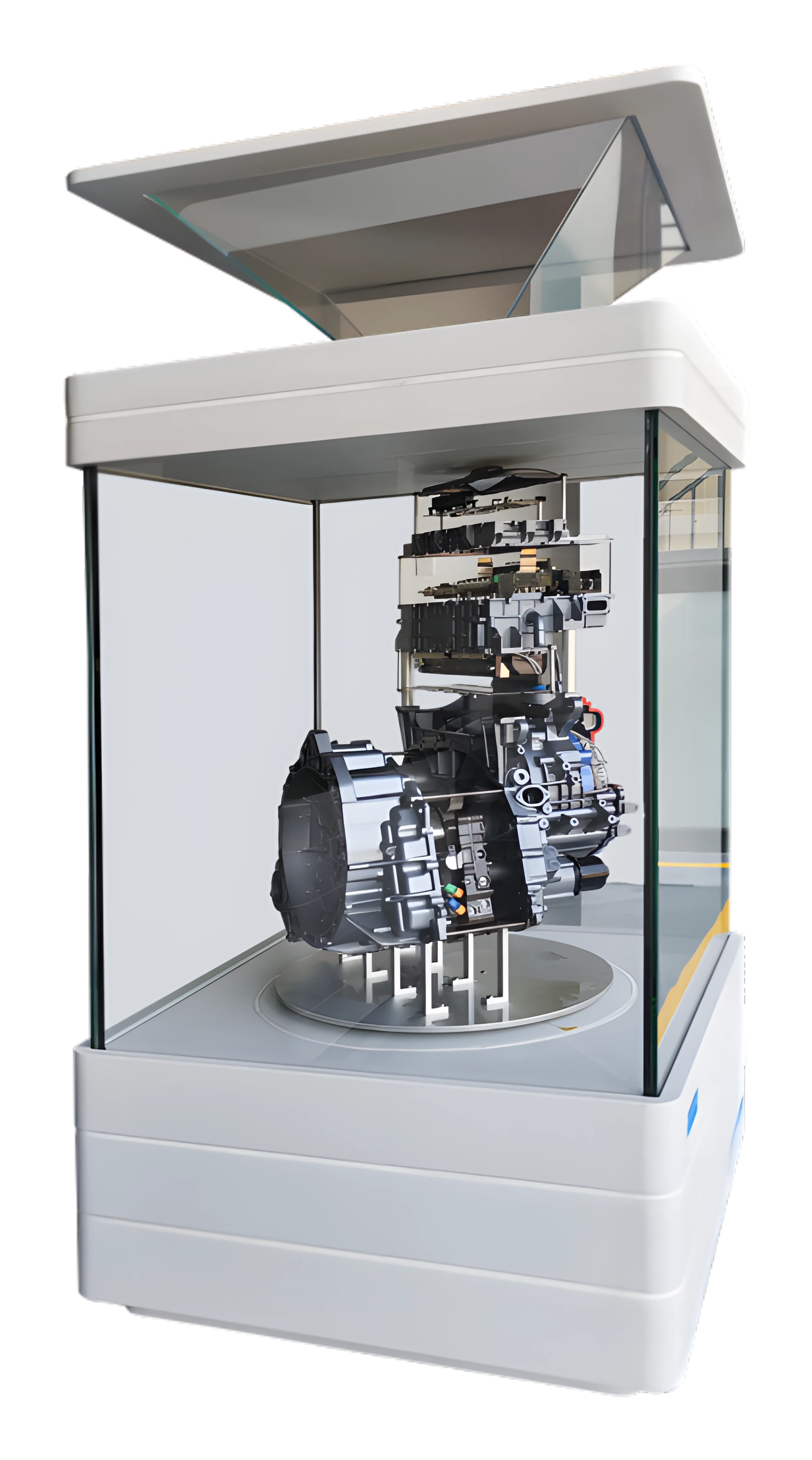
The Baitongkexin BT-NEV2-Q011 is a component display wall for introductory electric-vehicle courses. Upper display bays trace battery materials and assemblies, while lower bays present motor parts and completed structures. A central touchscreen computer supports matching digital lessons. The wall helps instructors connect a physical sample with a diagram or process explanation before learners move to dedicated assembly, diagnosis or performance-test stations.
Core Functions
Battery Structure and Materials
Eighteen upper bays present cell materials, intermediate assemblies, battery-management components and related connections. Instructors can explain what changes between material, cell and system levels.
Motor Parts in Context
Thirteen lower bays show items such as stators, rotors, laminations, assemblies and controllers. Comparing parts with a completed structure helps learners identify electrical and mechanical roles.
Digital Lessons Beside the Samples
A central touchscreen computer brings diagrams and learning content into the display area. Digital topics extend the discussion but do not turn the physical display into a battery-production or performance-test line.
Practical Training Tasks
Battery identification
Learner Practice
Match a displayed sample with its position in the battery structure
Evidence for Review
An annotated materials-to-assembly map
Motor comparison
Learner Practice
Identify stator, rotor and controller functions
Evidence for Review
A component explanation tied to the displayed examples
Process understanding
Learner Practice
Compare a physical sample with a selected digital lesson
Evidence for Review
A short account distinguishing manufacturing stages from operating functions
Equipment and Scope
The configuration includes the display structure, battery and motor samples, a central Windows touchscreen computer and matching learning resources. Confirm the sample inventory, retention and guarding arrangements, content languages and access terms.
Technical Specifications
| Upper battery display bays | 18 |
|---|---|
| Lower motor display bays | 13 |
| Central touch display | ≥50 inches |
| Reference computer | Intel i5; 8 GB memory; 256 GB storage |
| Reference depth / height | 350 mm / 3,180 mm; complete installation drawing required |
Configuration and Ordering
Reference Laboratory Quantity
1 unit
This quantity belongs to the reference laboratory equipment schedule. Confirm the quantity for your project in the quotation.
Configuration and Procurement
Provide the room elevation, viewing distance and class size. Request a confirmed overall width, fixing details, sample schedule and accessible electrical condition. Select separate working equipment for cell assembly, motor control and load testing.
Plan an EV Structure Teaching Display
Send the room elevation, class size and required sample topics to define the display inventory and installation plan.
Product Questions
What can learners study on the display wall?
They can identify battery materials, cell assemblies and motor components, and relate the physical samples to matching digital lessons.
Can the wall replace practical battery or motor stations?
It supports structure and process explanation. Hands-on assembly, powered operation and performance testing require separately configured equipment.
Continue Exploring
Related Products
Compare the stated teaching roles below. Product connections, included accessories and software licenses are confirmed in the selected configuration.