
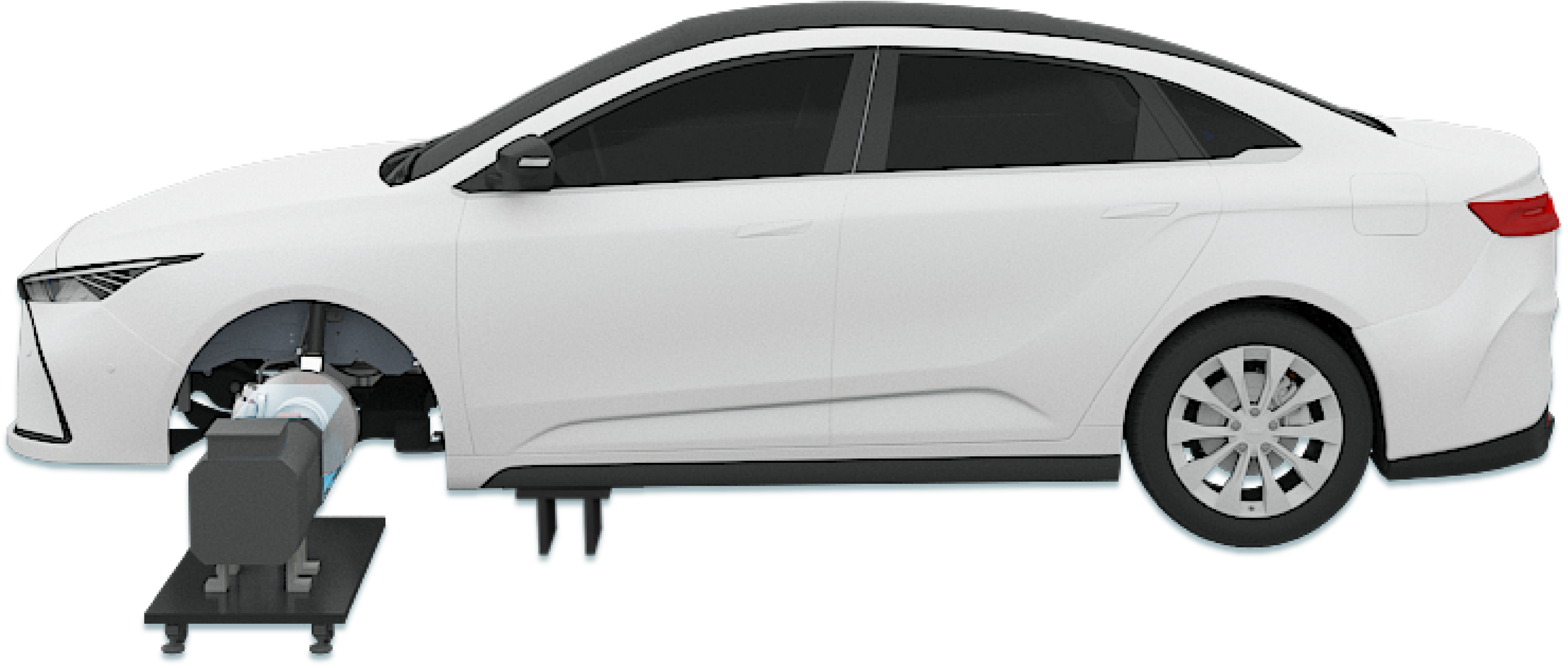
Performance Testing & Diagnostics
High-Voltage EV Architecture Teaching Platform
Study high-voltage architecture through liquid-cooled battery and motor systems within the defined test scope.
View Product
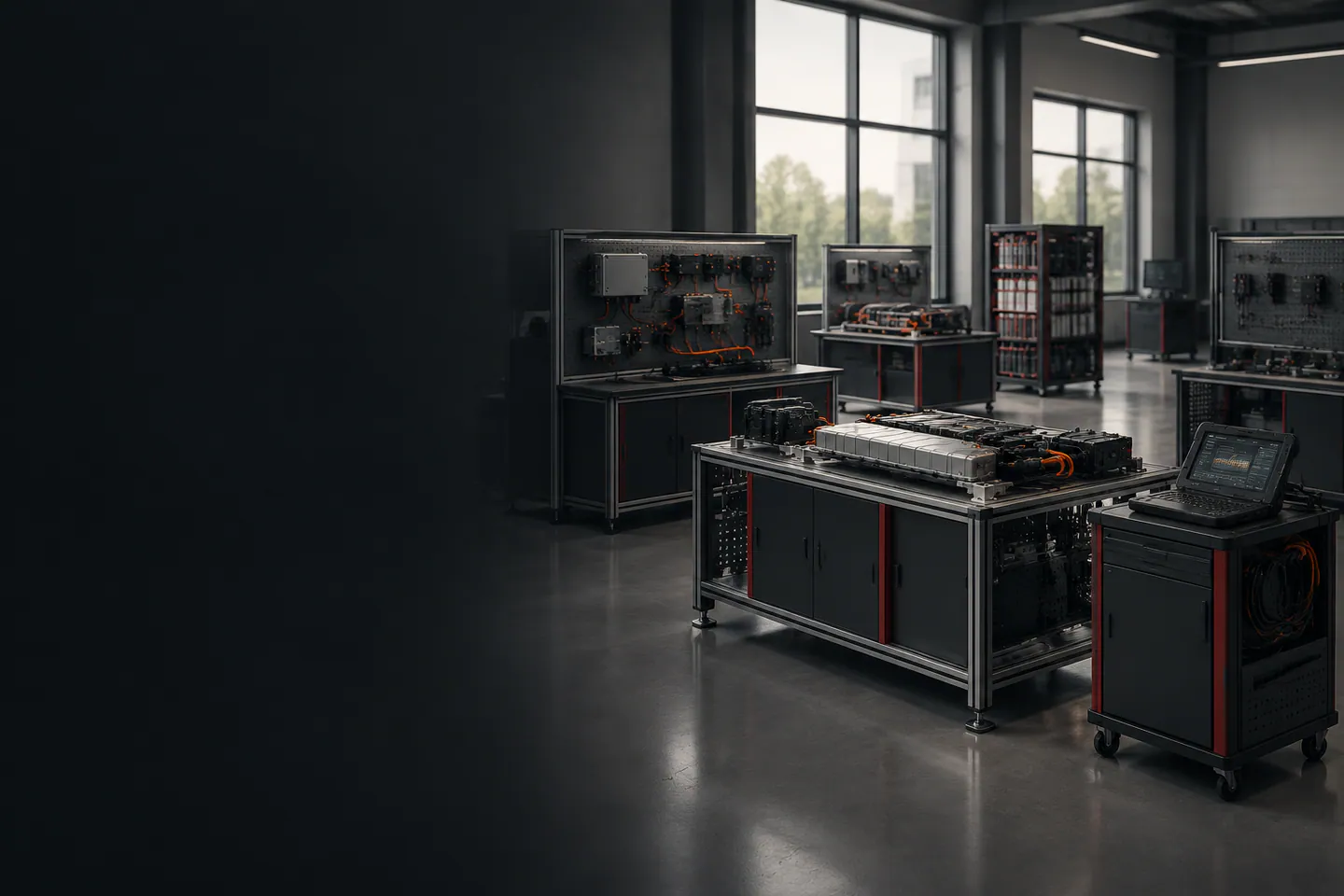
BTKX — Product Category
High-voltage architecture, liquid-cooled DC charging, wheel-end loading and signal-measurement platforms, plus data-acquisition and control software.
Complete Category
All 8 Products
Performance Testing & Diagnostics
Study high-voltage architecture through liquid-cooled battery and motor systems within the defined test scope.
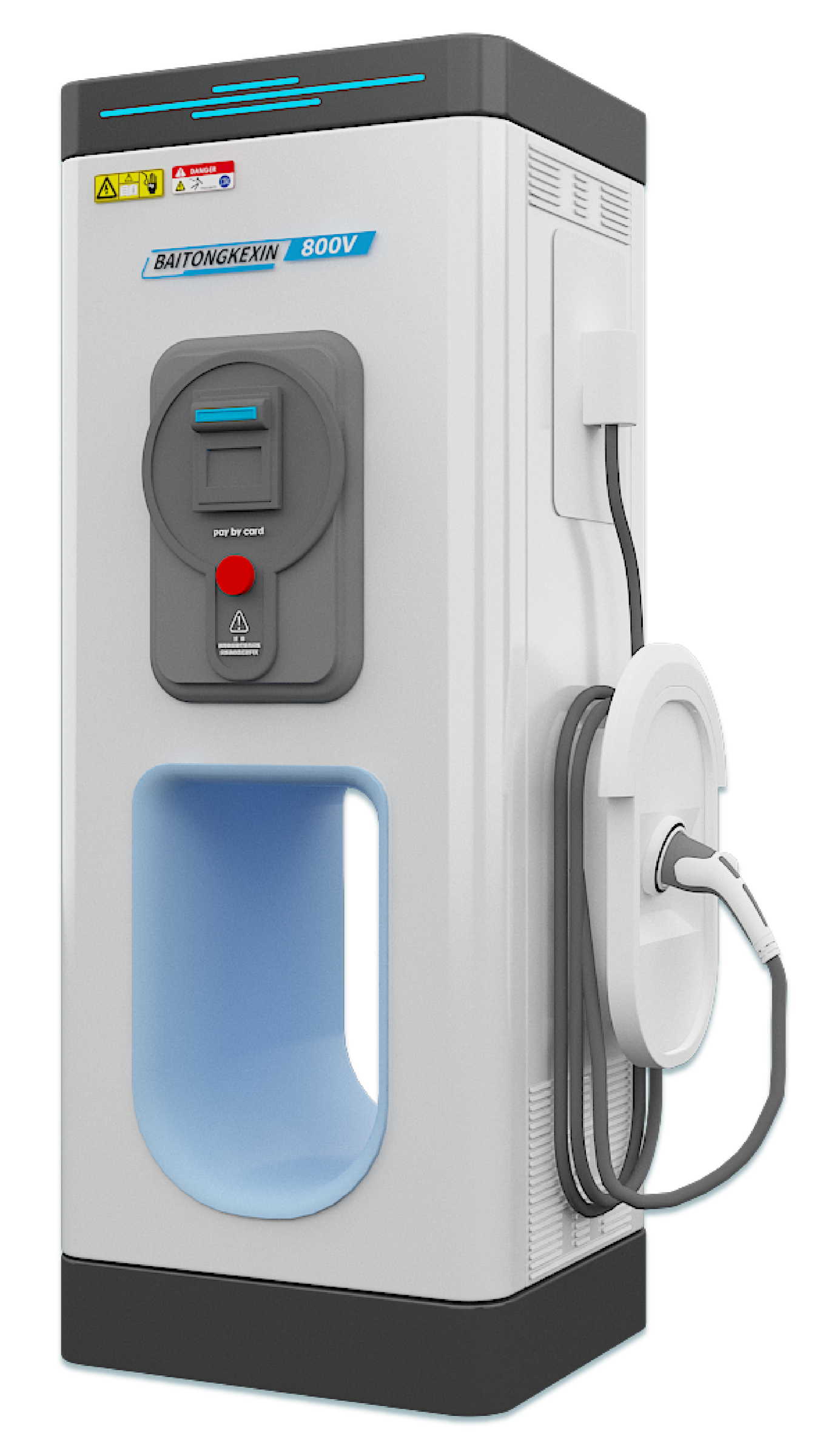
Performance Testing & Diagnostics
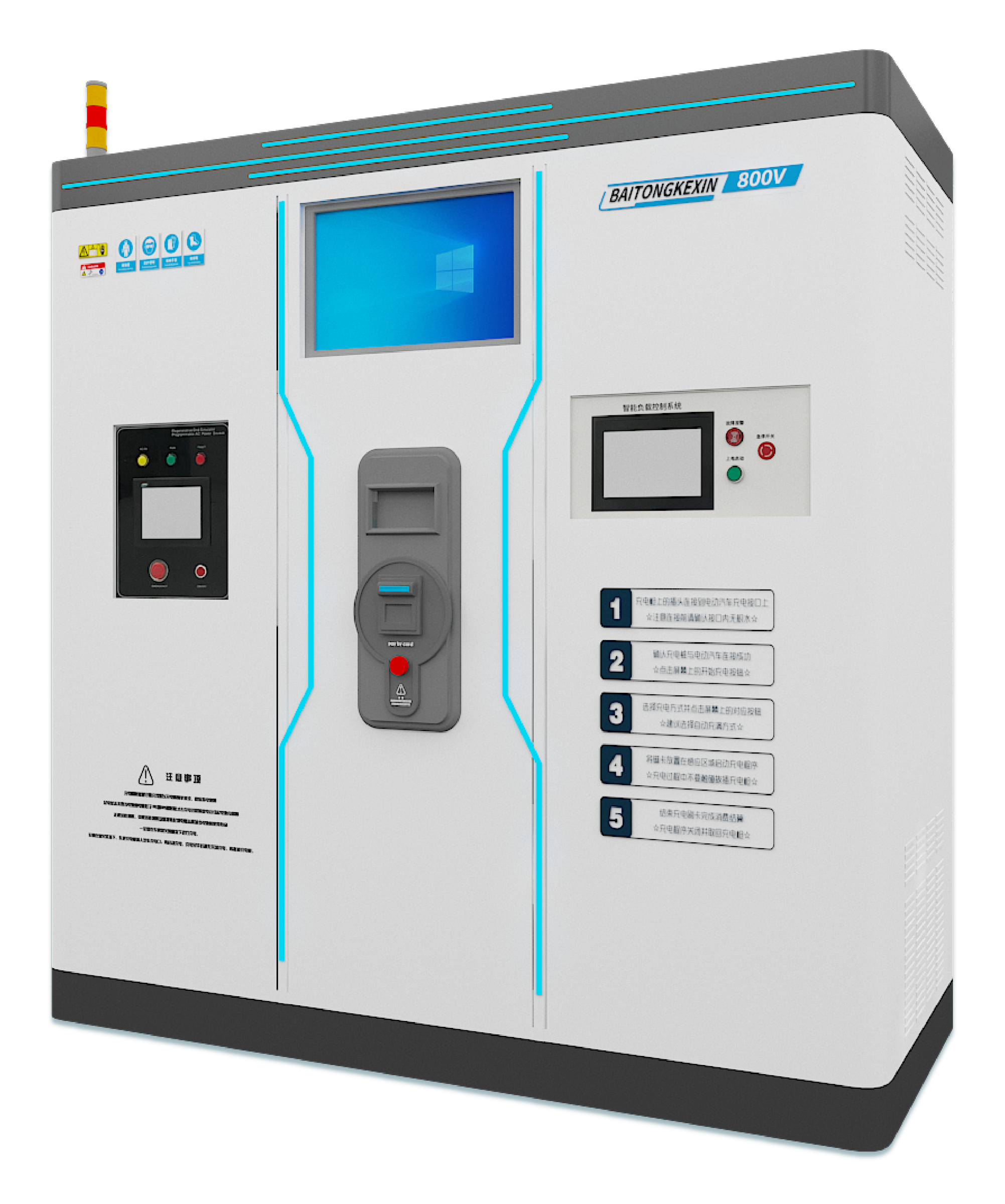
Investigate liquid-cooled DC charging with compatible vehicle equipment and specified cooling and output limits.
Performance Testing & Diagnostics
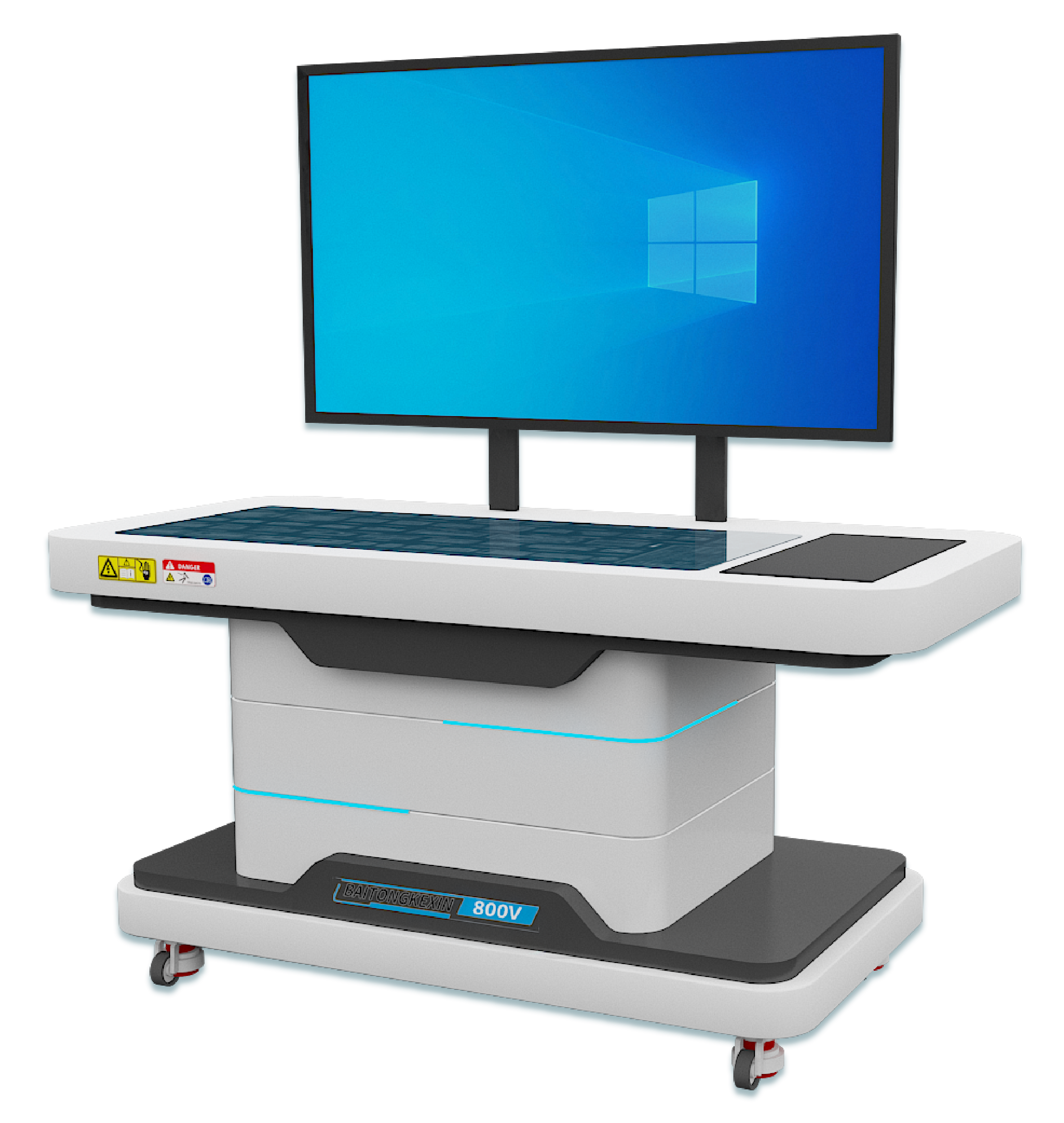
Coordinate battery, drive and charging measurements through a data terminal, touchscreen and matched power analyzer.
Performance Testing & Diagnostics
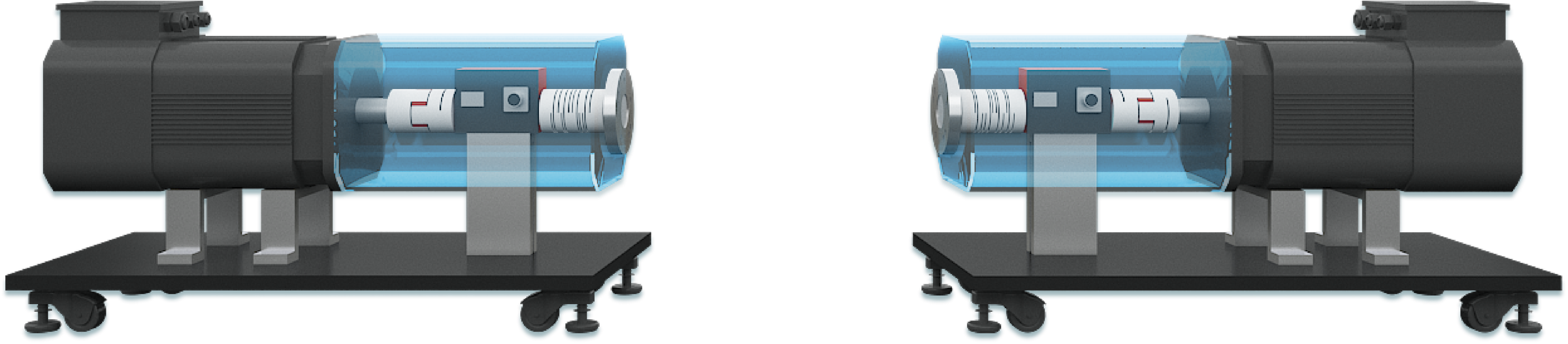
Study electric drive response through wheel-end loading and torque sensing matched to the selected drivetrain.
Performance Testing & Diagnostics
Investigate control circuits through waveform observation, circuit measurements and fault exercises led by instructors.
Performance Testing & Diagnostics
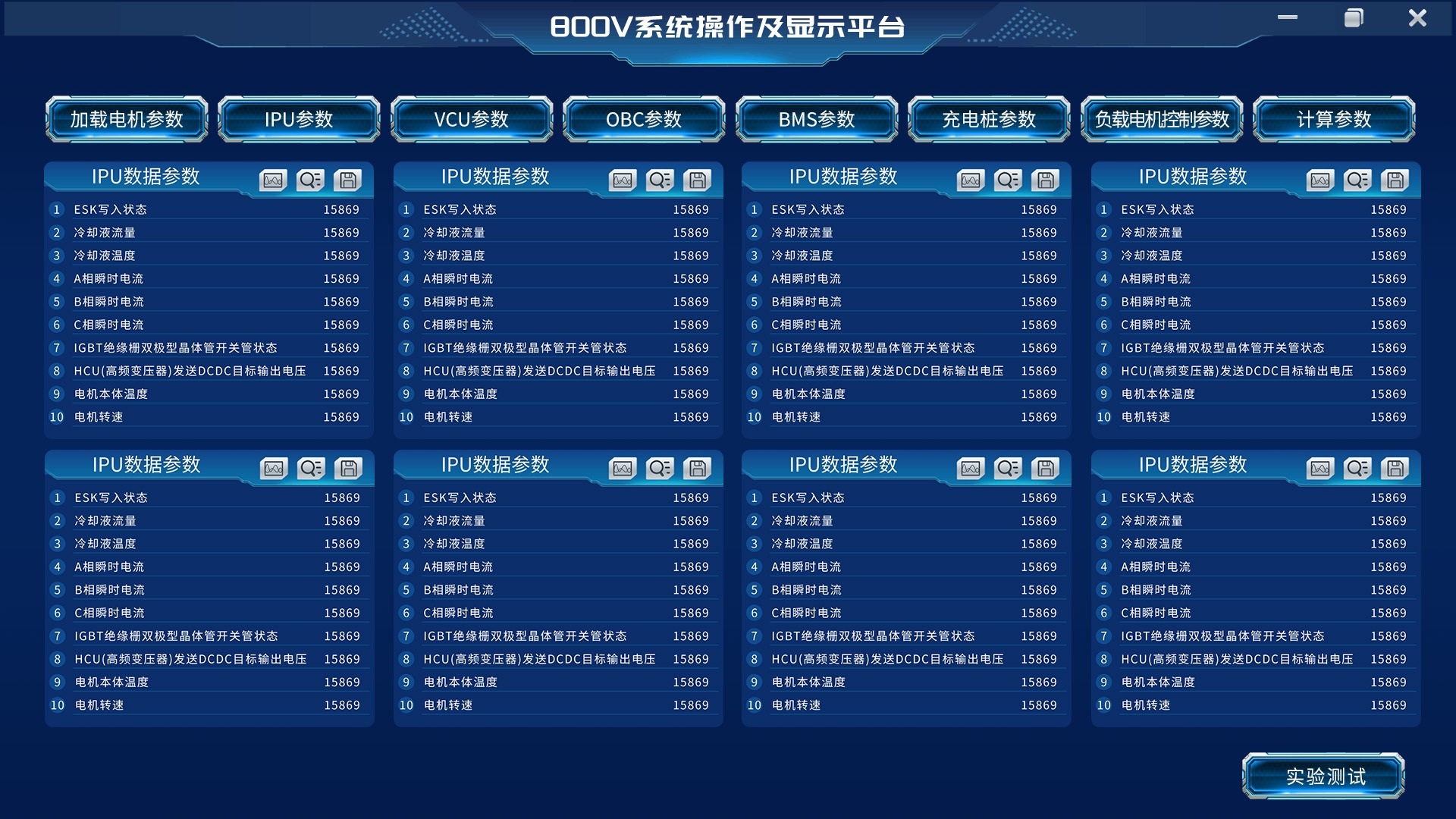
Review battery, drive, charging and loading data from a compatible EV test and acquisition system.
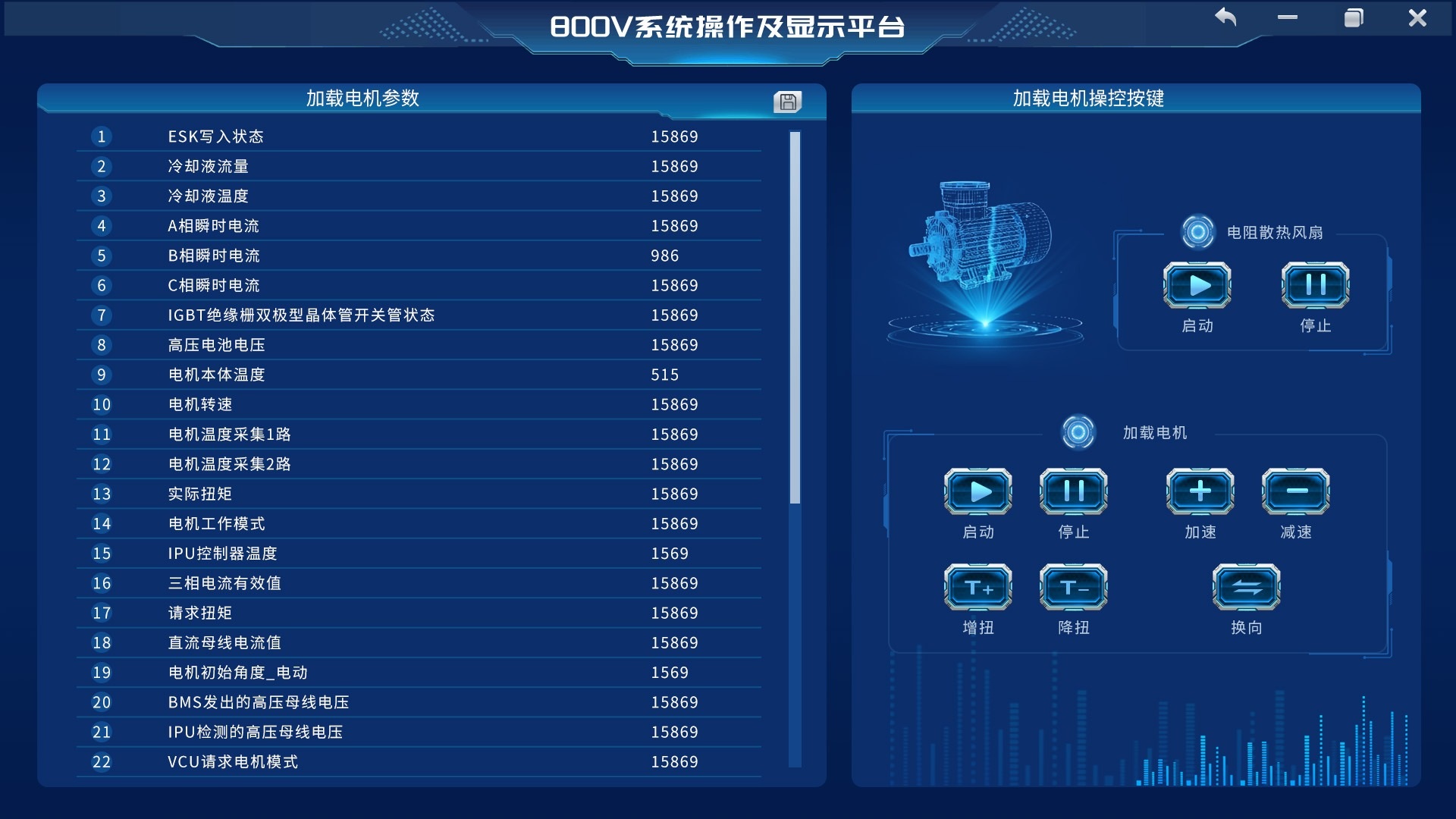
Performance Testing & Diagnostics
Coordinate compatible wheel-end loading equipment while comparing left and right speed, torque and power data.
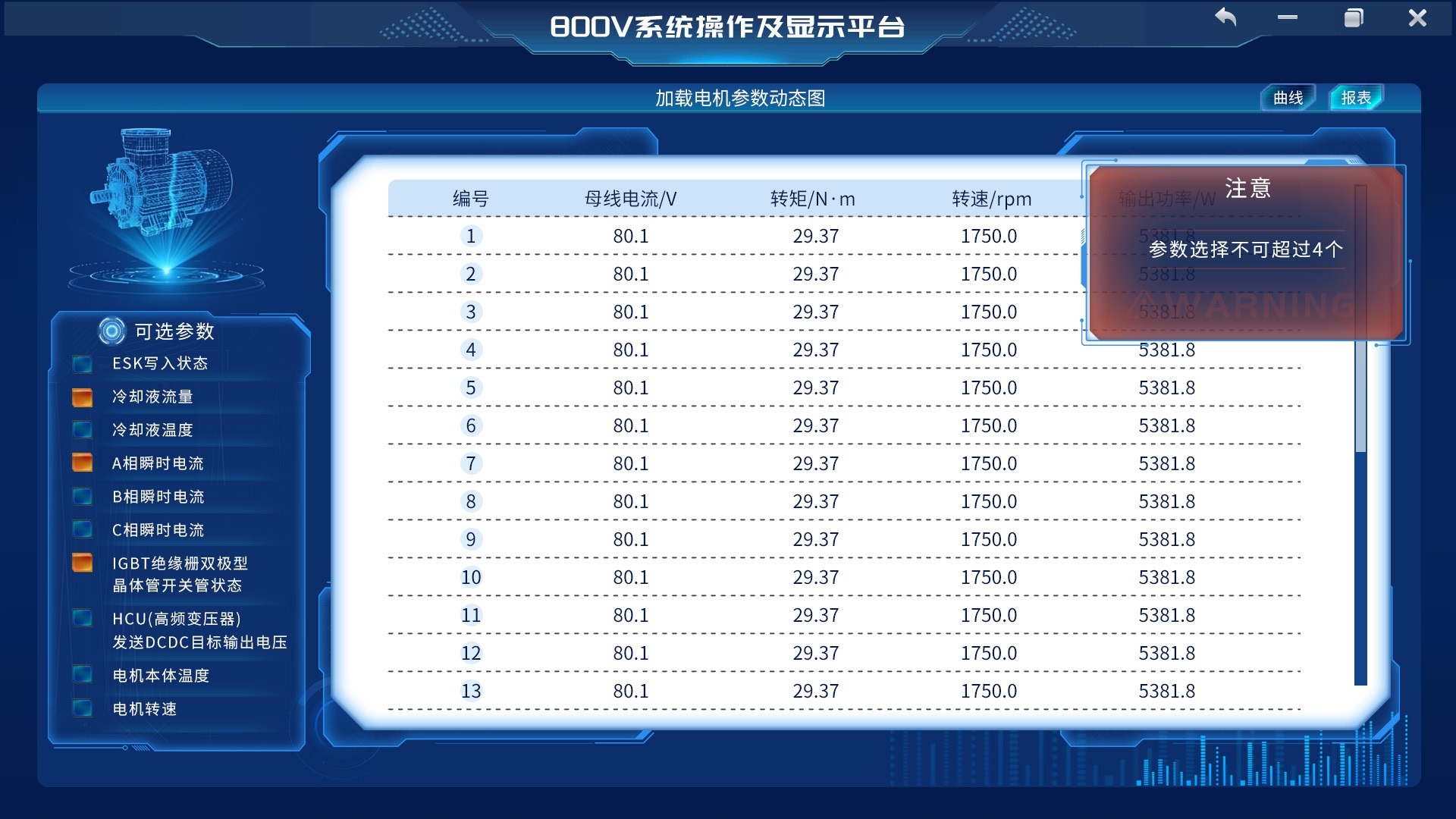
Performance Testing & Diagnostics
Compare applied signals and circuit waveforms with software linked to external signal generators and oscilloscopes.
Selection Guide
Plan this category as a coordinated test arrangement with an agreed measurement scope. High-voltage architecture, liquid-cooled charging, wheel-end loading and signal-measurement platforms address different experiments; data hardware and control software are selected to suit the required channels, instruments and interfaces.
Choose the battery and drive arrangement for the intended system study. For liquid-cooled DC charging, confirm the vehicle interface, cooling arrangement and permitted operating envelope.
Select wheel-end loading equipment for drive-response experiments and the signal platform for circuit investigations. Define mechanical connections, sensors and measurement methods for the results students must interpret.
Map each required data channel to its sensor or controller source. Select monitoring, loading-control and signal software with the corresponding hardware, communication interfaces and host-computer requirements.
BTKX Support
BTKX connects equipment selection with teaching resources, delivery planning and company records that buyers can review. Each project starts with the practical tasks your students need to complete.
The signal-monitoring software supports comparisons between an applied test signal and a circuit response in a matched instrument setup. Its teaching record identifies the waveform source, units and settings before students explain the observed change.
Review the Signal Investigation TasksBTKX reviews the syllabus, learner level, workstation quantity and room conditions against documented product functions. Equipment schedules distinguish the required training stations, instruments and optional resources, giving schools a clear basis for comparing configurations before procurement.
Review the School Planning ProcessBTKX co-develops practical task sheets, operation videos, presentations and course materials with vocational teachers. Resources can be matched to the equipment and assessment goals; included formats, software licenses and any instructor training are agreed for the specific project.
Explore Curriculum DevelopmentFor projects combining equipment and teaching resources, BTKX coordinates the agreed transport, installation, commissioning and instructor handover. Export manual languages, local partner responsibilities, site requirements and acceptance records are confirmed in the delivery schedule, with additional localization scoped separately.
Review International Project SupportCompany identity, numbered qualification documents and named project references support supplier review. Buyers can check the issuing body, certificate scope and relevant product parameters against their procurement requirements, with specific evidence requested for the selected equipment and destination.
View Qualification RecordsCategory Questions
Review equipment roles, practical teaching tasks and configuration requirements before choosing your platforms.
A combined arrangement needs an agreed mechanical, electrical and communication interface schedule. Match the architecture platform, loading equipment, charging hardware and data channels to the proposed experiment, with operating limits and control responsibilities defined for that configuration.
Wheel-end torque data supports drive-response investigation. Power or efficiency conclusions also require the corresponding speed, electrical measurements and a defined calculation method. Specify the sensors, measurement boundaries and approved load conditions for the intended analysis.
The software is one part of a matched test arrangement. Specify controllers, sensors, communication hardware and the host computer separately. Signal-investigation software also depends on the agreed external generator, oscilloscope, probes and circuit interfaces.
Confirm the vehicle and connector interface, output envelope, cooling arrangement and measurement requirements. The selected configuration and model-specific procedure determine the charging, thermal observation and service-oriented exercises that can be included in the course.