

Engine Systems
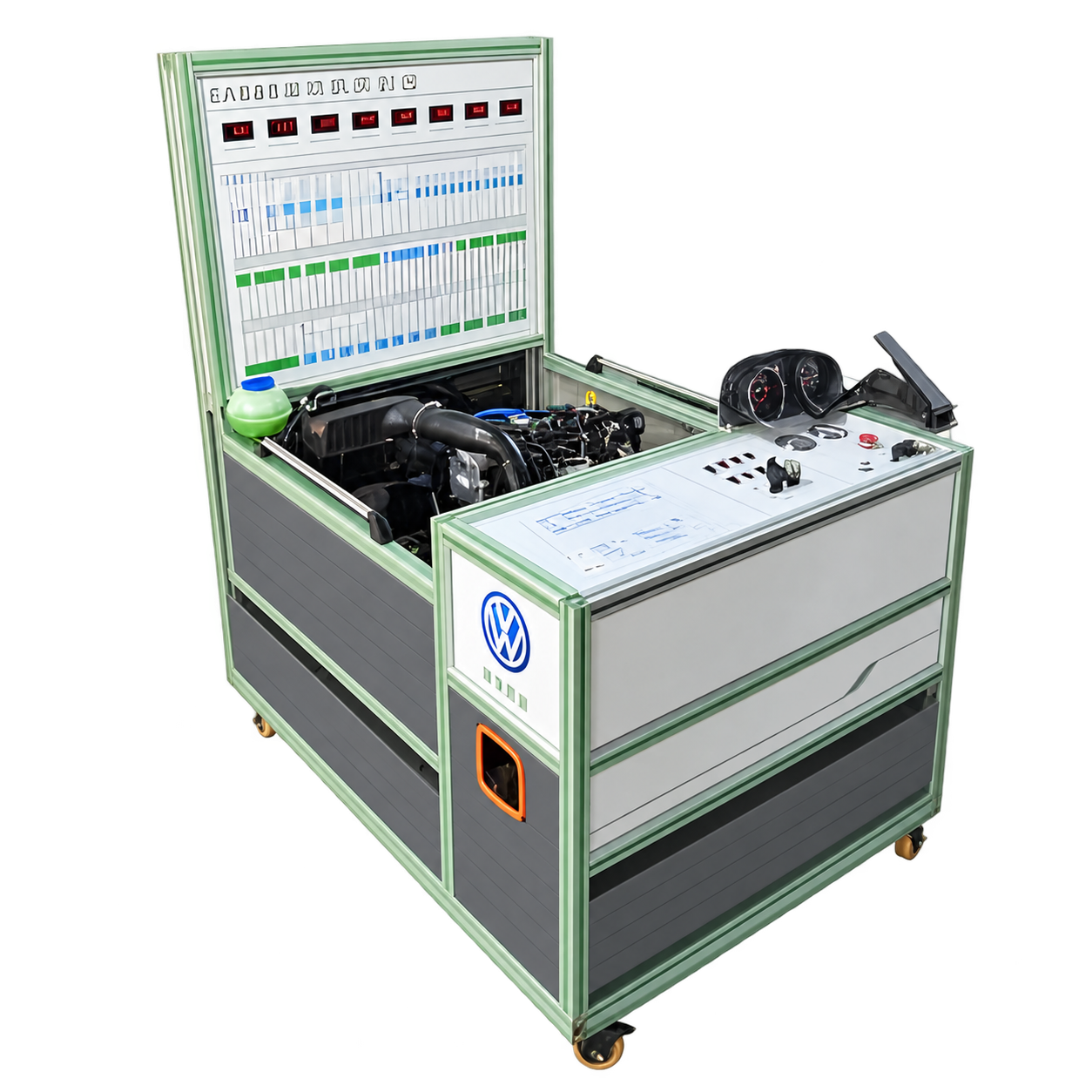
Electronically Controlled Engine Running Trainer
Connect engine behavior with electronic control inputs and commanded outputs during a supported running demonstration.
View Product
BTKX — Product Category
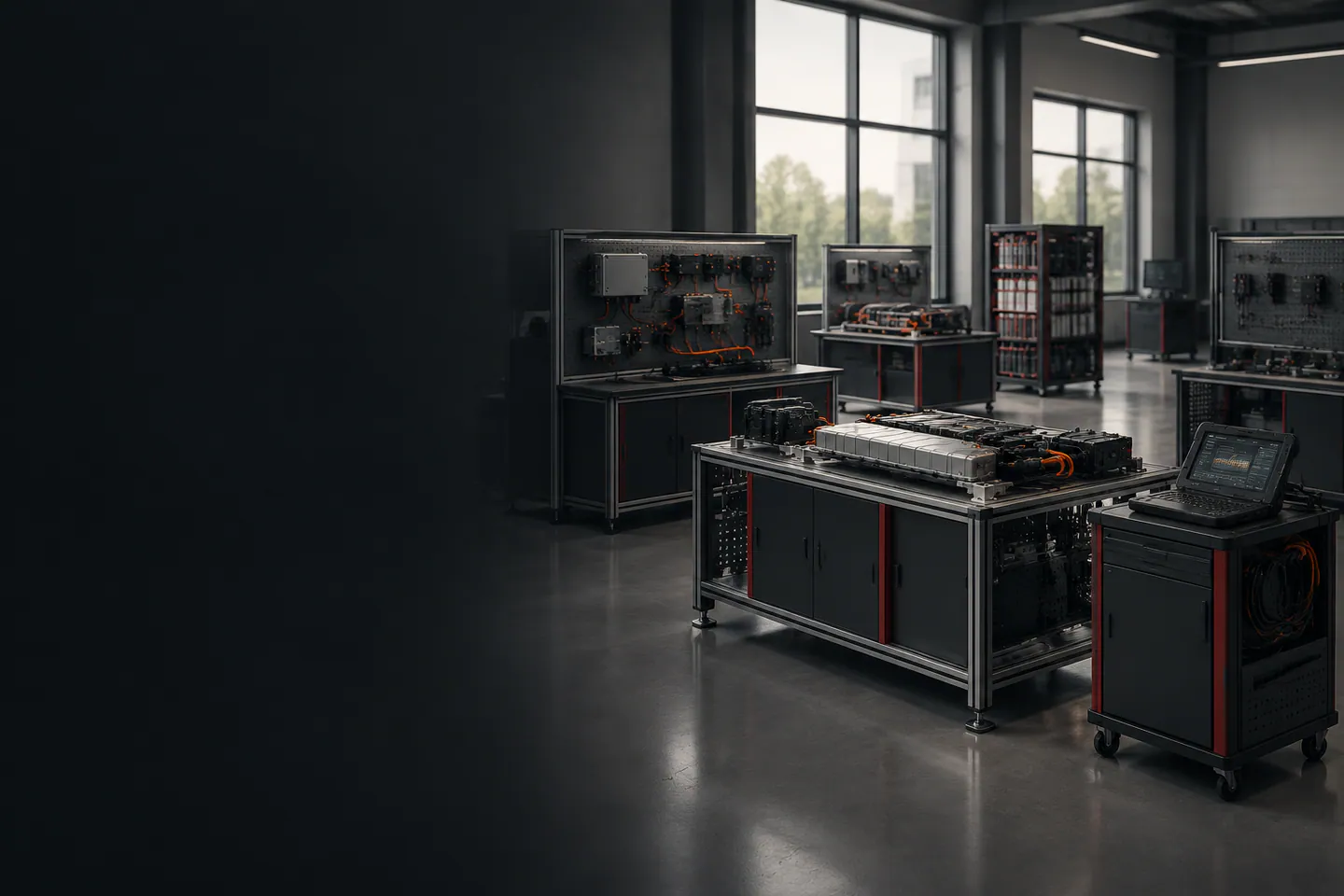
Running engine trainers, operating cutaways, turnover-mounted assemblies and sensor-actuator benches for engine principles, inspection and control-system study.
Complete Category
All 4 Products
Engine Systems
Connect engine behavior with electronic control inputs and commanded outputs during a supported running demonstration.
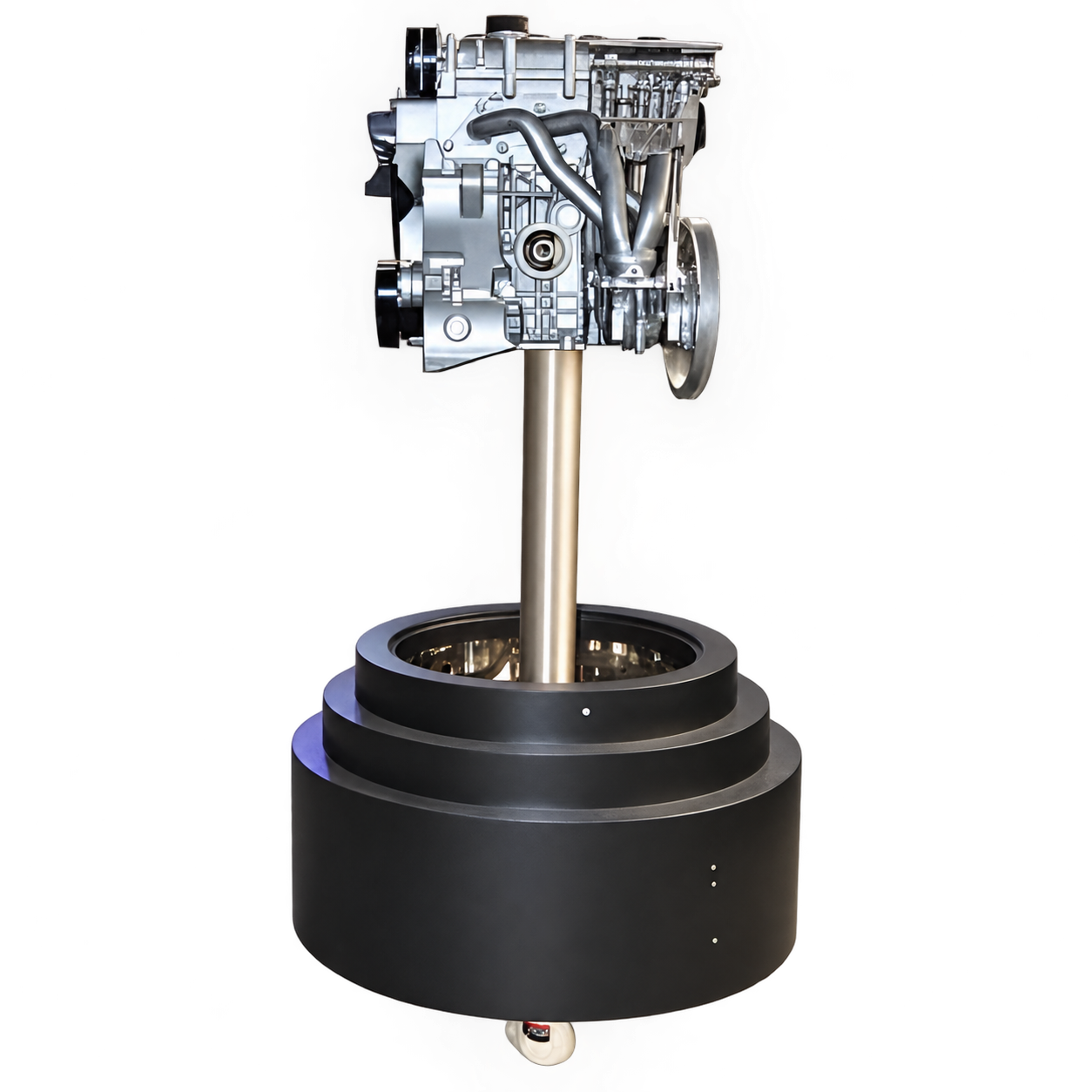
Engine Systems
Relate visible engine components and mechanical movement to the engine cycle through an operating cutaway.
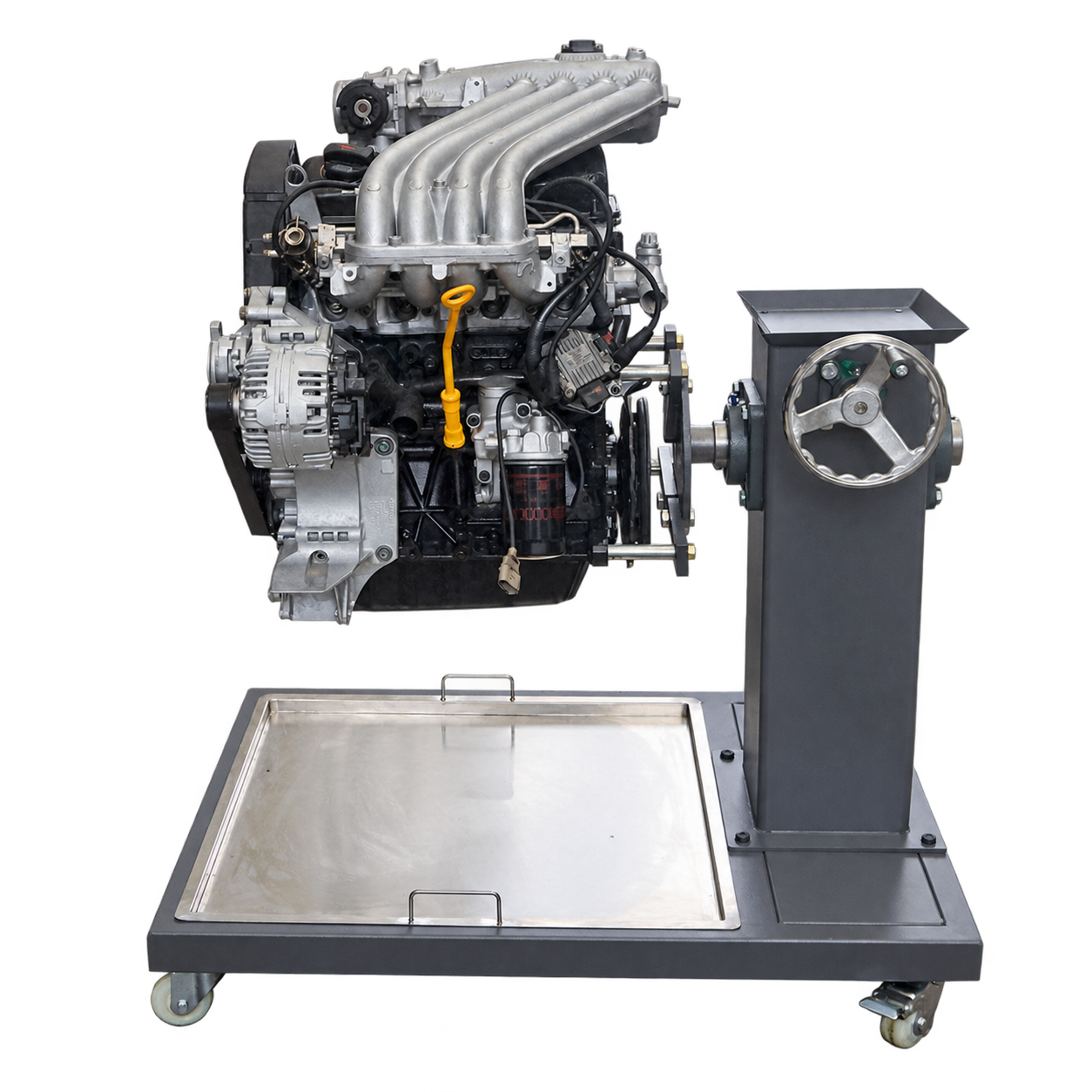
Engine Systems
Study engine construction and plan workshop access using a mounted assembly and its matching service information.
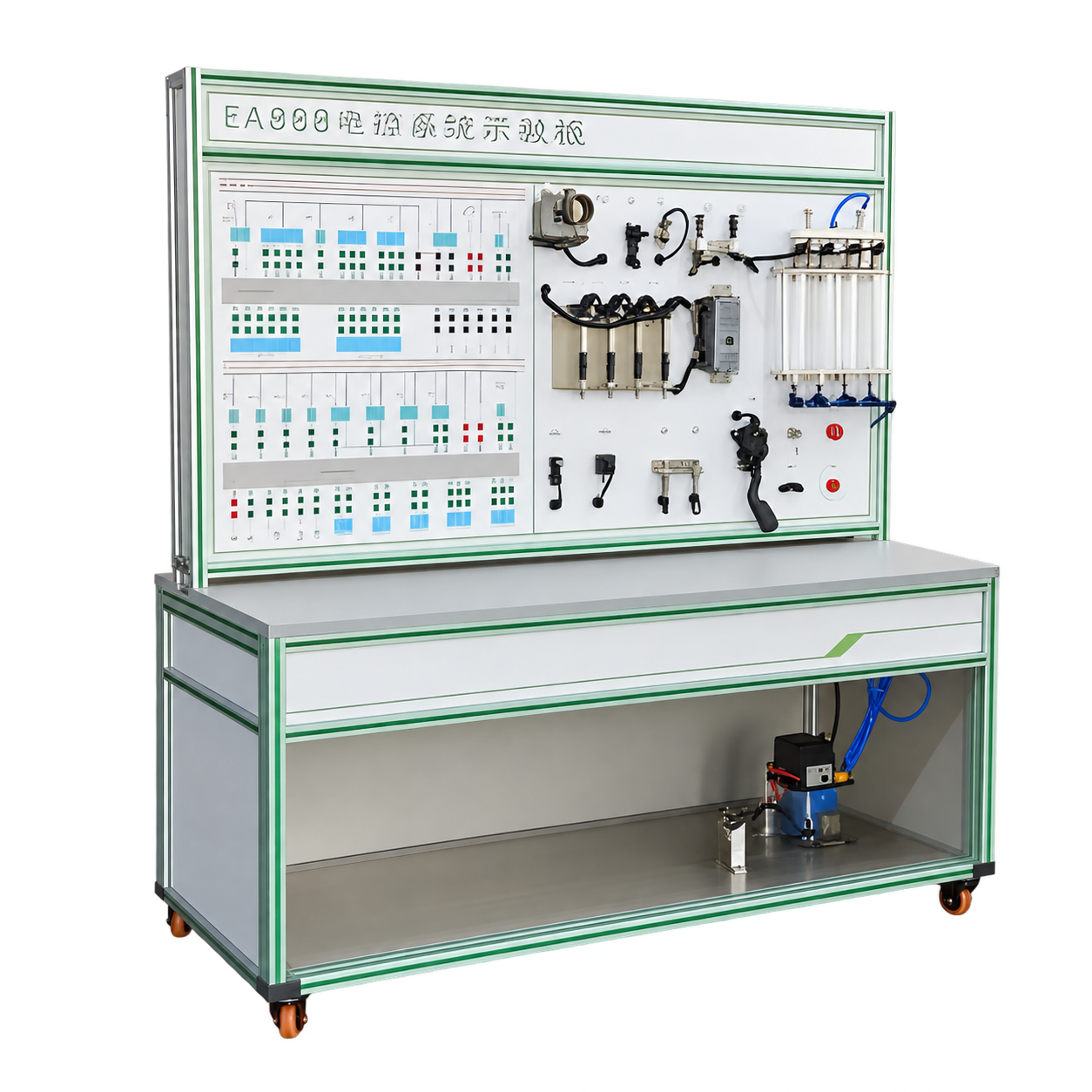
Engine Systems
Distinguish sensing inputs from commanded outputs and map their relationships within the selected engine-control system.
Selection Guide
Choose engine equipment by the evidence students need to observe: a running engine, visible internal motion, a mounted assembly for workshop access, or sensor and actuator relationships. Combining these formats can connect engine principles with control-system understanding and a planned service sequence.
Use the running trainer for engine-management observations and the operating cutaway for visible mechanical relationships. Confirm the engine design and demonstration method for each teaching objective.
Select the engine and turnover stand around the permitted handling, dismantling and inspection tasks. Match service information and practical tools to the assembly used in class.
Choose the sensors and actuators bench to explain sensing inputs and commanded outputs. Define the required signals, measurement access and instruments before planning practical control-system investigations.
BTKX Support
BTKX connects equipment selection with teaching resources, delivery planning and company records that buyers can review. Each project starts with the practical tasks your students need to complete.
The operating cutaway’s teaching tasks ask learners to label visible components, relate their movement to an engine-cycle diagram and explain the model’s limits. This creates assessable observations before separate running-engine or workshop exercises.
Review the Engine Cutaway Teaching TasksBTKX reviews the syllabus, learner level, workstation quantity and room conditions against documented product functions. Equipment schedules distinguish the required training stations, instruments and optional resources, giving schools a clear basis for comparing configurations before procurement.
Review the School Planning ProcessBTKX co-develops practical task sheets, operation videos, presentations and course materials with vocational teachers. Resources can be matched to the equipment and assessment goals; included formats, software licenses and any instructor training are agreed for the specific project.
Explore Curriculum DevelopmentFor projects combining equipment and teaching resources, BTKX coordinates the agreed transport, installation, commissioning and instructor handover. Export manual languages, local partner responsibilities, site requirements and acceptance records are confirmed in the delivery schedule, with additional localization scoped separately.
Review International Project SupportCompany identity, numbered qualification documents and named project references support supplier review. Buyers can check the issuing body, certificate scope and relevant product parameters against their procurement requirements, with specific evidence requested for the selected equipment and destination.
View Qualification RecordsCategory Questions
Review equipment roles, practical teaching tasks and configuration requirements before choosing your platforms.
The running trainer relates engine behavior to electronic control. The operating cutaway makes internal arrangement and mechanical movement visible. Confirm the demonstration method and visible mechanisms when choosing equipment for engine-cycle or engine-management lessons.
The engine assembly with a turnover stand provides a dedicated subject for workshop access and construction study. Specify the engine variant, permitted dismantling tasks, mounting arrangement, tools and service information for the planned practical sequence.
It gives engine-control courses a focused way to distinguish sensing inputs from commanded outputs. The selected configuration determines the components, available signal measurements and practical interfaces, so these should be listed before measurement exercises are planned.
Identify the engine design, learning tasks, visible mechanisms and required running or workshop activities. Then confirm the operating arrangement, practical interfaces, tools and supporting information needed to teach and assess those specific tasks.