
Workplace Task Connections
Relate components to diagrams, document operating conditions, compare measurements and explain the circuit or communication evidence.
New Energy Vehicle Education
Follow the circuit from function to finding. Teach lighting, comfort systems, electric air conditioning and CAN-network reasoning on visible practical stations.
Teach circuit reading, electrical measurement and diagnosis with four working system benches, supported by practical tasks and learner records.
Why This Course Matters
A lamp, window, compressor or network symptom can involve different components and information paths. A useful electrical course teaches learners to explain the system function first, then select measurements that can distinguish possible causes.
Relate components to diagrams, document operating conditions, compare measurements and explain the circuit or communication evidence.
Working systems with documented measurement access, task-specific instruments and clear boundaries between electrical diagnosis and refrigerant service.
Start with the expected function, trace the relevant path and choose a justified check. The assessment follows the learner’s reasoning as well as the observed result.
The Learning Experience
Use a common measurement-and-reasoning method across four different systems. Keep each bench’s donor configuration, interfaces and procedures visible in the lesson.
Electrical foundations
Use a station diagram and its working components to connect the learner’s question with a permitted measurement.
An annotated circuit and baseline worksheet.
Lighting practical
Use the lighting bench to connect lamp operation, electrical readings and compatible diagnostic information.
A lighting-circuit record and diagnostic explanation.
Body electrical practical
Use the documented wiper, mirror, locking or window-lift system for a component-to-circuit task.
A body-system circuit trace and measurement report.
Climate-control practical
Relate the electric compressor and control circuit to the operating observations. Refrigerant service needs its own equipment and qualified supervision.
A system map and task-specific circuit or inspection record.
Network practical
Use the working CAN bench for its documented topology, measurement and supported fault tasks.
An annotated network map and diagnostic report.
Course assessment
Choose a station-specific task and assess preparation, measurements and the explanation independently.
A practical portfolio tied to the selected bench and task.
Adapt the modules, practical hours and assessment to your program. Practical work follows your institution’s approved procedures and the equipment manual.
Download Sample Course OutlineTraining Equipment
Explore the stations, instruments and digital resources used in this course, with links to the modules they support.
Connect visible working components with diagram-based measurements.
Physical Teaching Equipment
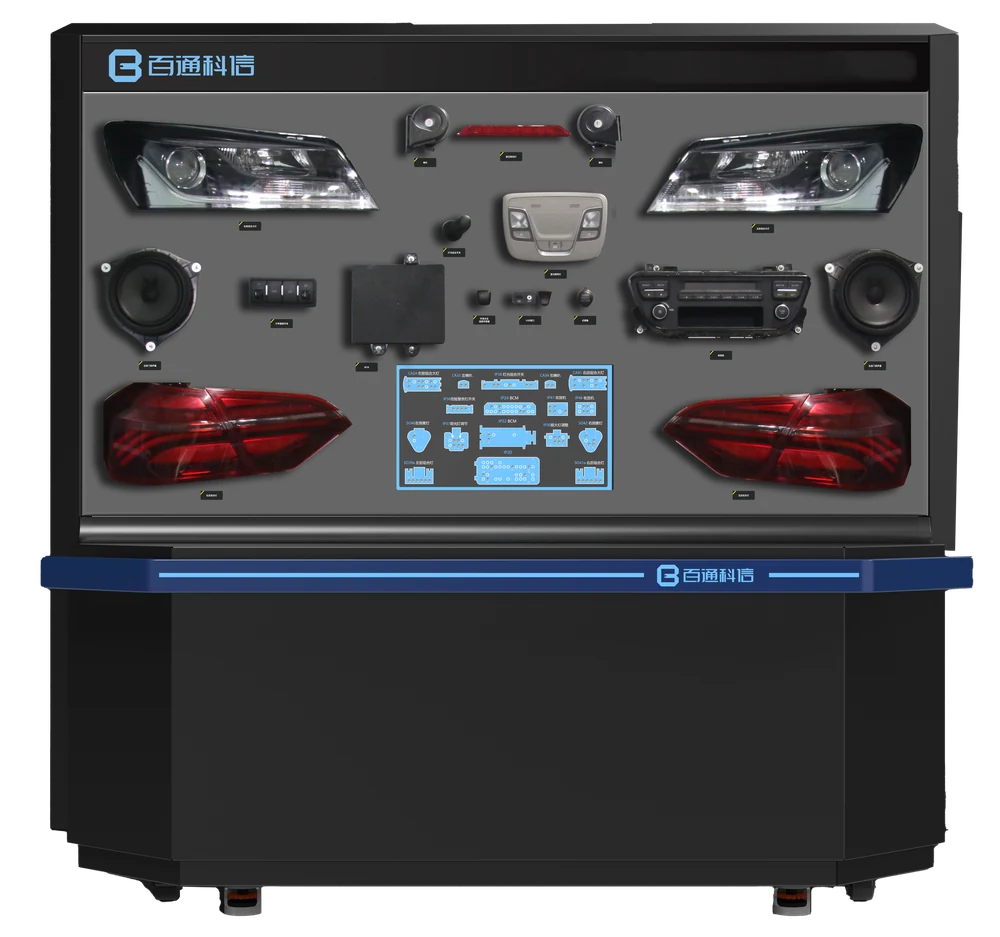
Relate lamp operation to circuit readings and compatible diagnostic data during vehicle lighting lessons.
Course RoleLamp operation, circuit readings and compatible diagnostic data.
Model: BT-DGCJ
Product Details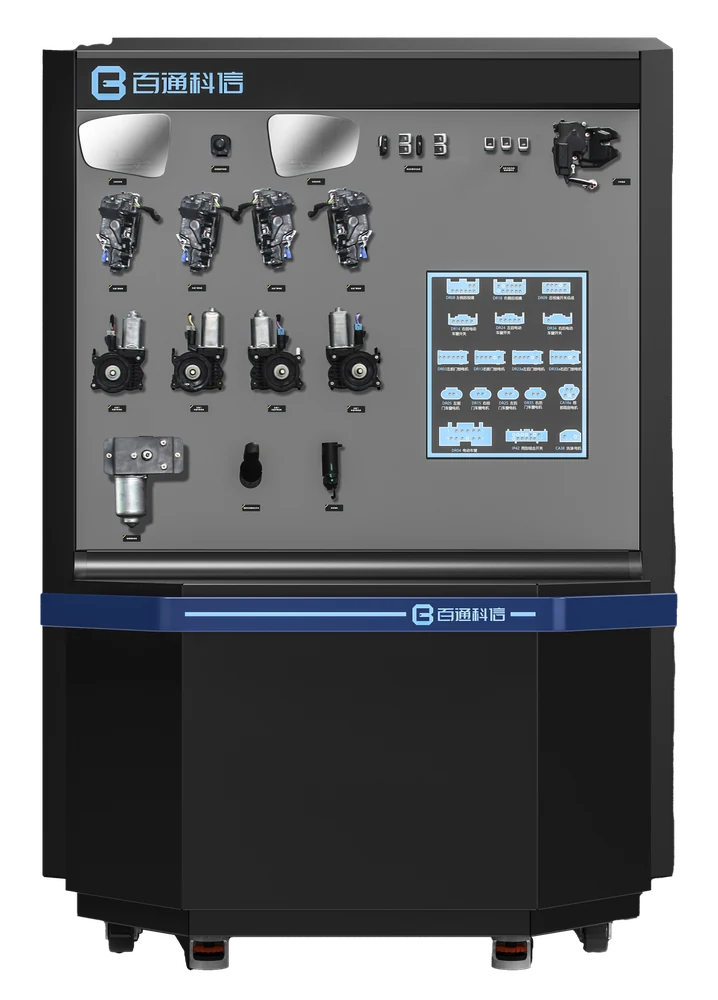
Physical Teaching Equipment
Trace wiper, mirror, locking and window-lift circuits through working components and accessible measurement points.
Course RoleWiper, mirror, locking and window-lift circuit investigation.
Model: BT-SSCJ
Product DetailsTeach the electric HVAC system and CAN topology within their separate scopes.
Physical Teaching Equipment
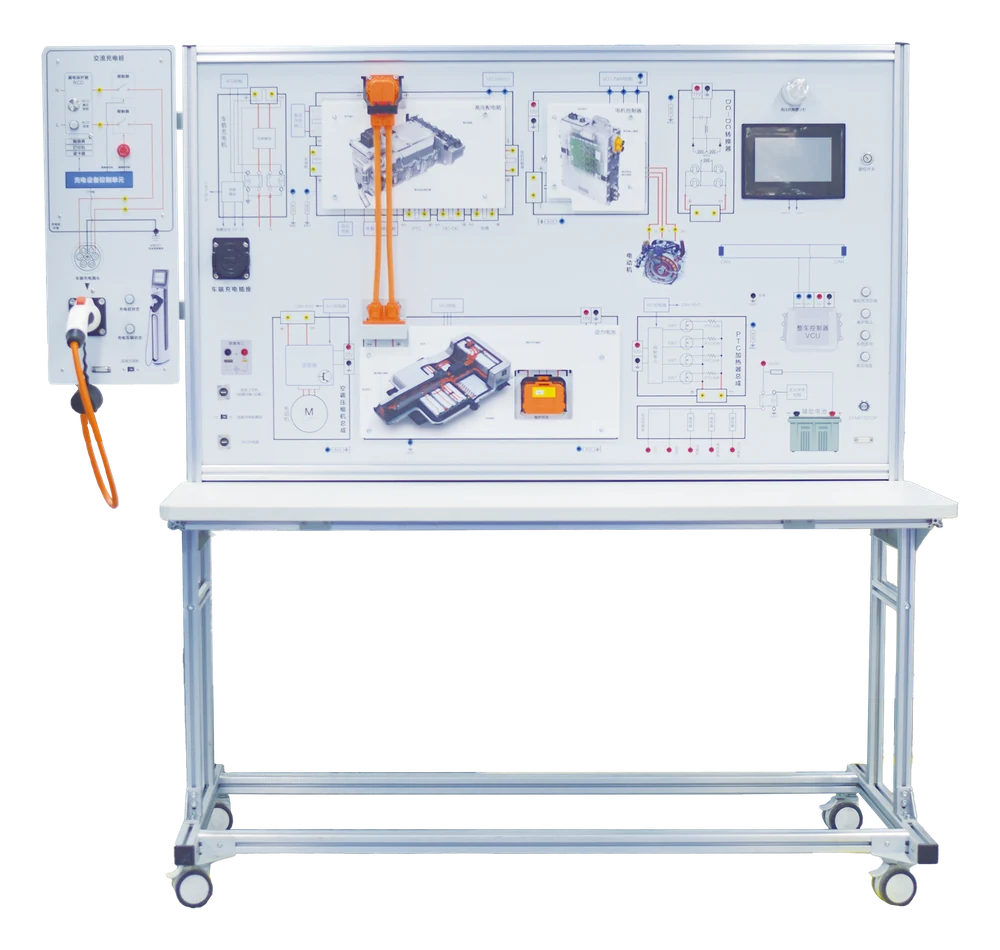
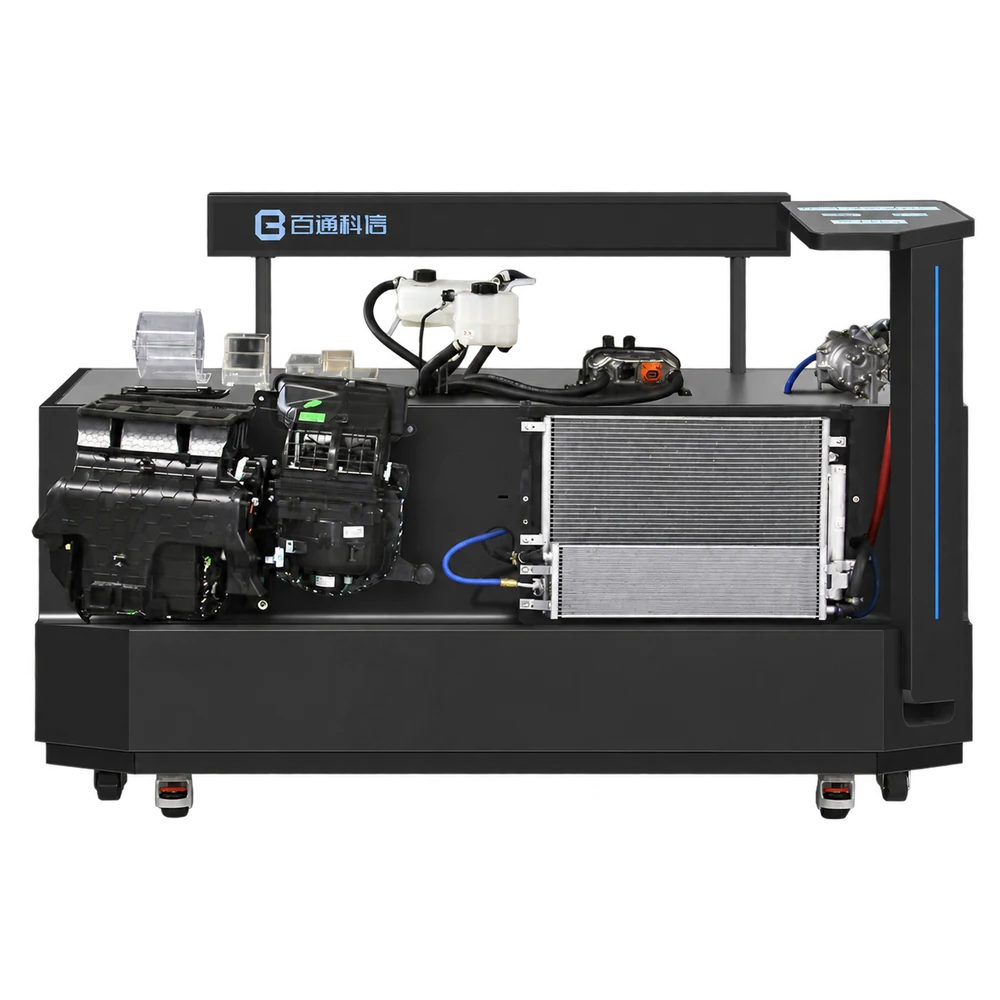
Explore electric-compressor operation and circuit readings alongside supervised tasks for refrigerant service.
Course RoleElectric HVAC structure, measurements and separately supervised service topics.
Model: BT-KTCJ
Product Details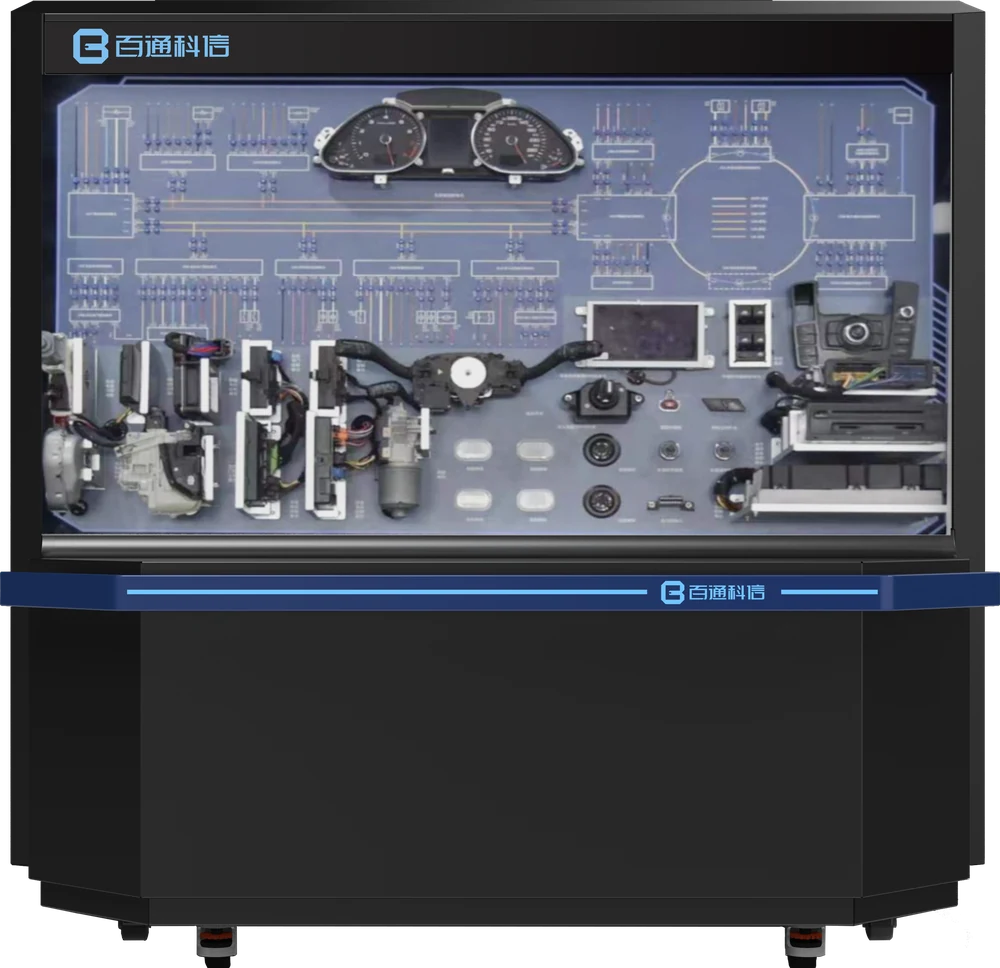
Physical Teaching Equipment
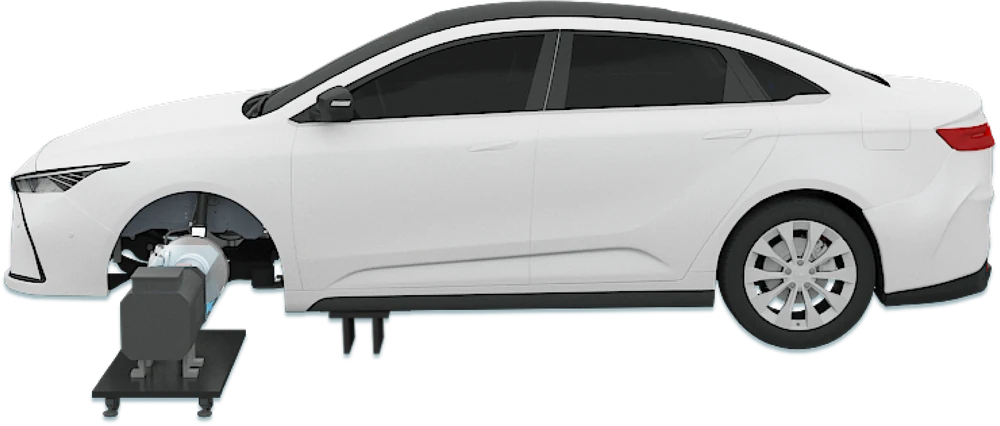
Study network topology, circuit measurements and fault reasoning using a working vehicle communication bench.
Course RoleCAN topology, circuit measurements and supported fault reasoning.
Model: BT-ZXCJ
Product DetailsChoose the equipment, digital resources and quantities around your syllabus, class size and practical timetable.
For connected practical tasks, review the station interfaces, accessories, software and measurement setup with your instructors before ordering.
Explore NEV Electrical Systems EquipmentBeyond the Hardware
Baitongkexin’s course-development service helps your faculty connect the syllabus, lesson plans, practical task sheets and assessment materials with the selected equipment.
Baitongkexin Curriculum DevelopmentFor the Course Leader
Connect the 6 modules with learner prerequisites, practical hours, equipment and local occupational requirements.
For the Instructor
Define the presentations, supporting media, equipment references and demonstration guidance needed for the agreed tasks.
For the Learner
Structure preparation, observations, measurement records and individual explanations around the actual station or software task.
For the Assessor
Specify observable criteria and distinguish preparation, virtual records, physical workmanship and diagnostic interpretation.
From Course Idea to Teaching Delivery
Use the course map to discuss the learning, equipment, resources and faculty preparation together.
01Define
Review prerequisites, local workplace tasks and the required outcomes for ev electrical systems.
Output: Agreed course brief
02Design
Map the selected modules to stations, digital resources, room conditions and learner rotation.
Output: Course and equipment map
03Prepare
Specify the resource package, equipment-based instructor preparation and commissioning responsibilities.
Output: Defined delivery schedule
04Review
Check the agreed equipment, resource versions and demonstration tasks with the faculty.
Output: Readiness and acceptance record
Laboratory & Delivery Planning
Review station access, utilities, computers, shared instruments and group organization before finalizing the equipment schedule.
Baitongkexin EV Laboratory PlanningFaculty Preparation
Define equipment demonstrations, resource use and task assessment in the instructor-support scope for the selected configuration.
Explore Instructor PreparationWhere the Skills Can Lead
Use these directions to discuss course relevance with local employers and define the next stage of role-specific development.
Circuit traces and justified measurements support further role-specific electrical diagnosis.
Course connection: Diagrams + measurements
Lighting and comfort-system evidence connects with supervised body-electrical troubleshooting.
Course connection: Lighting + comfort circuits
System recognition and circuit investigation provide a base for separately qualified HVAC service training.
Course connection: HVAC circuits + inspection
Topology and evidence records support further development in communication-fault investigation.
Course connection: CAN topology + reasoning
Use these skills as a starting point for discussions with local employers about qualifications and further training for each role.
Course Planning Questions
The benches represent their supplied vehicle or system configurations. Match diagrams, diagnostic interfaces, faults and procedures to those versions.
The bench and external service equipment are different scope items. Confirm the refrigerant, service tools, instruments and instructor requirements in the schedule.
Use its documented nodes, topology and supported faults. Do not infer coverage of every bus protocol or manufacturer network.
Basic circuit reading and instrument selection help. Use the EV fundamentals course first where learners need a structured electrical foundation.
Build Your Course
Tell Baitongkexin who you teach, which ev electrical systems tasks matter and what your institution already has. Use the brief to begin a focused planning conversation.
Create a course brief below, then copy or download it to send with your inquiry.
Contact the Baitongkexin TeamConnected Learning
Connect this course with the next practical task in your program.
Fundamentals & Safety
Build a shared foundation for every EV practical. Connect system recognition, electrical reasoning, harness work and supervised safety simulation.
Explore the CourseTesting & Diagnostics
Teach the test arrangement, not just the result. Connect architecture, charging, loading and signal evidence in a defined EV testing course.
Explore the CourseWhole-Vehicle Simulation
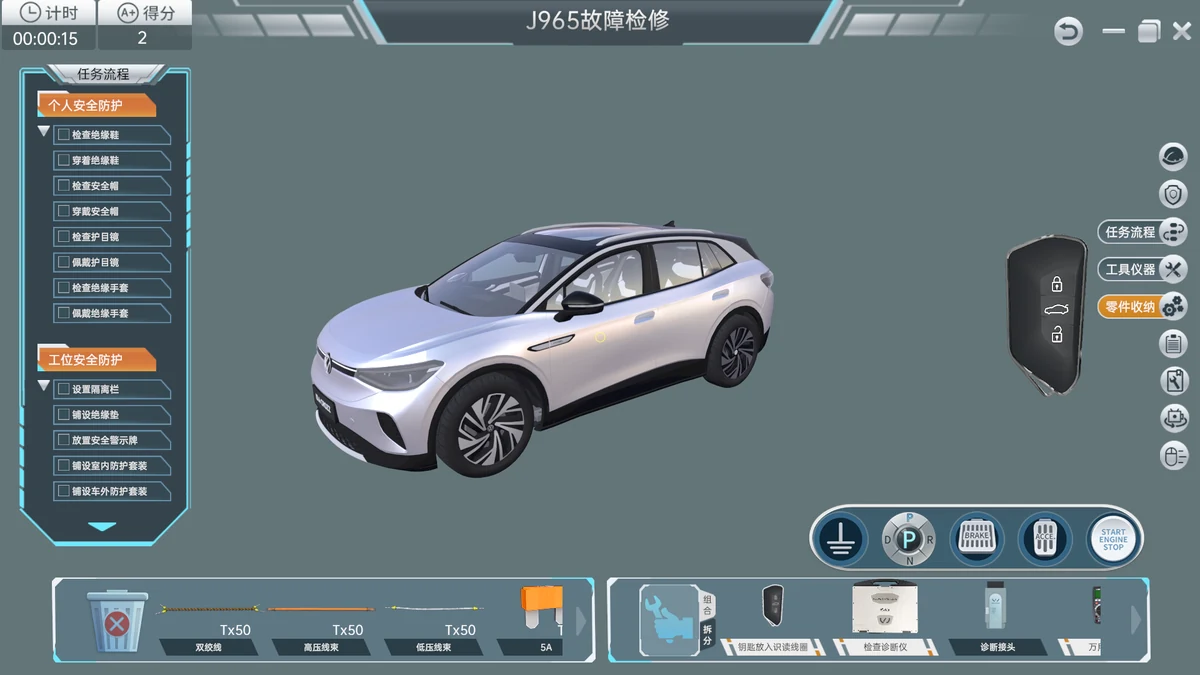
Use virtual diagnosis to make the reasoning visible. Connect vehicle information, simulated measurements, fault investigation and instructor review.
Explore the Course