
Workplace Task Connections
Read circuit information, compare battery data with permitted measurements, investigate charging symptoms and document the reasoning.
New Energy Vehicle Education
Build the course behind the equipment. Connect cell selection, battery assembly, performance analysis and charging diagnosis in one practical learning program.
Baitongkexin connects battery teaching stations, charging equipment, simulation and instruments with a curriculum your faculty can adapt to your program.
Why This Course Matters
Electric-vehicle service and production tasks bring battery construction, monitoring information and charging behavior together. A useful course connects component knowledge with measurements, data interpretation and a clear diagnostic record.
Read circuit information, compare battery data with permitted measurements, investigate charging symptoms and document the reasoning.
A teachable sequence, appropriate practice stations, prepared instructors and evidence that learners can apply what they know.
Plan each learning outcome together with a practical task, its equipment and the evidence a learner should produce. Give the faculty a course map they can review, deliver and assess.
The Learning Experience
Connect cell selection, assembly, BMS interpretation and charging practice. Add performance testing and waveform analysis where your course calls for deeper investigation.
Foundation module
Identify the battery, charging path and control interfaces, then prepare for a supervised practical lesson.
An annotated system map and a completed preparation checklist.
Cell-level measurement
Begin with voltage and internal-resistance measurements. Extend the lesson to cell-capacity comparison using the eight-channel grading unit.
A cell measurement sheet, channel-result comparison and justified grouping decision.
Practical assembly
Use battery simulation for preparation, then complete an equipment-matched assembly and inspection task under instructor supervision.
A virtual preparation record, physical assembly record and inspection checklist.
Battery diagnosis
Compare measured values with BMS information and explain a supported instructor-selected fault. Simulation adds a separate opportunity to rehearse the diagnostic logic.
A measurement-to-data comparison and diagnostic report with supporting circuit evidence.
Pack-level testing extension
Use the dedicated performance platform for charge-discharge, capacity and DC internal-resistance lessons. This extends the course beyond assembly and BMS diagnosis.
A test plan, saved performance data and a short capacity or DCIR analysis.
Charging assembly & diagnosis
Use charging simulation to rehearse assembly and charging-state reasoning, then complete separately supervised tasks on the physical AC charging station.
A simulation task record, physical inspection sheet and evidence-led charging explanation.
Signal interpretation extension
Use the two-channel handheld oscilloscope for approved signal-capture tasks. Match the probes, input ratings and connection method to the circuit before the lesson.
Labeled waveform captures and an explanation based on the recorded signals.
Course assessment
Bring preparation, measurement and diagnostic thinking together in an individual assignment. Include the advanced test or waveform options only when they belong to the agreed course.
A practical portfolio assessed for process, measurement, interpretation and reporting. Virtual task scores and physical practical evidence remain distinct.
Adapt the modules, practical hours and assessment to your program. Practical work follows your institution’s approved procedures and the equipment manual.
Download Sample Course OutlineTraining Equipment
Explore the stations, instruments and digital resources used in this course, with links to the modules they support.
Connect virtual preparation with supervised assembly and battery-data interpretation.
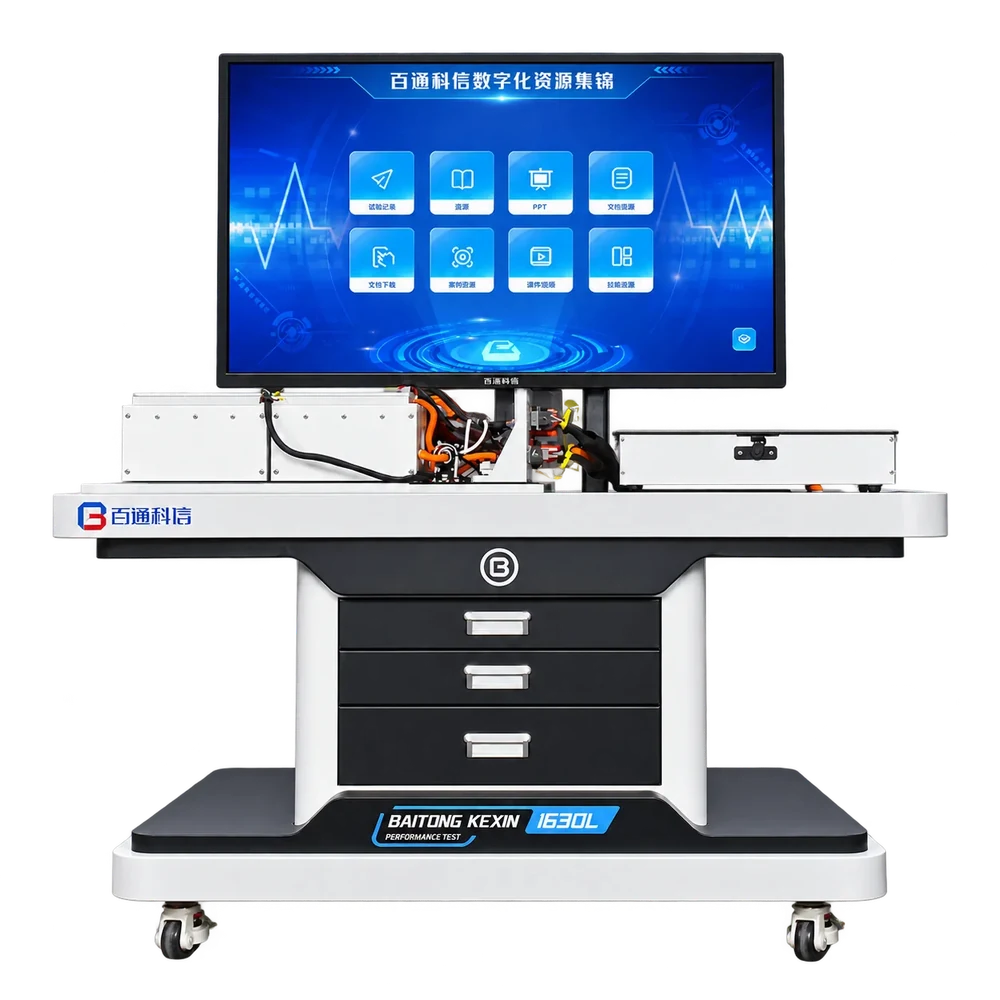
Physical Teaching Equipment
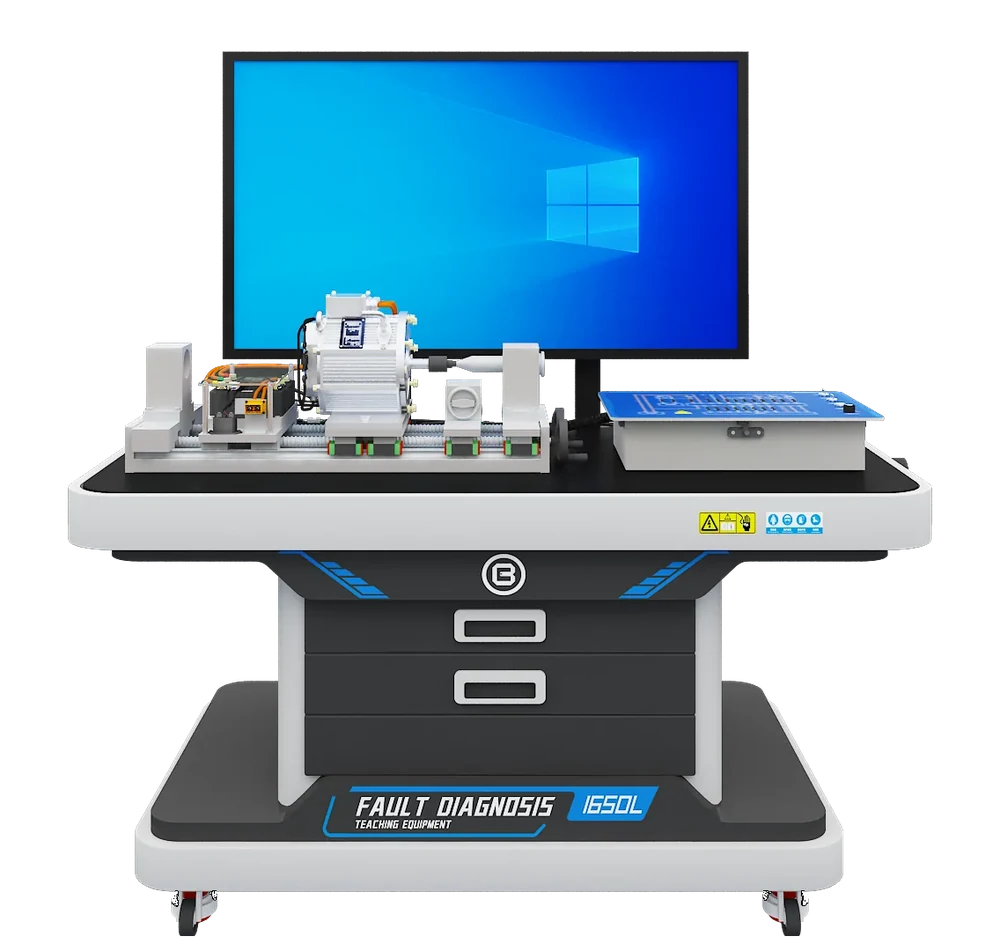
Practice supervised battery assembly, electrical measurement and fault investigation with BMS monitoring software.
Course RolePractical foundation for battery construction and BMS lessons.
Model: BT-NEV2-T028
Product Details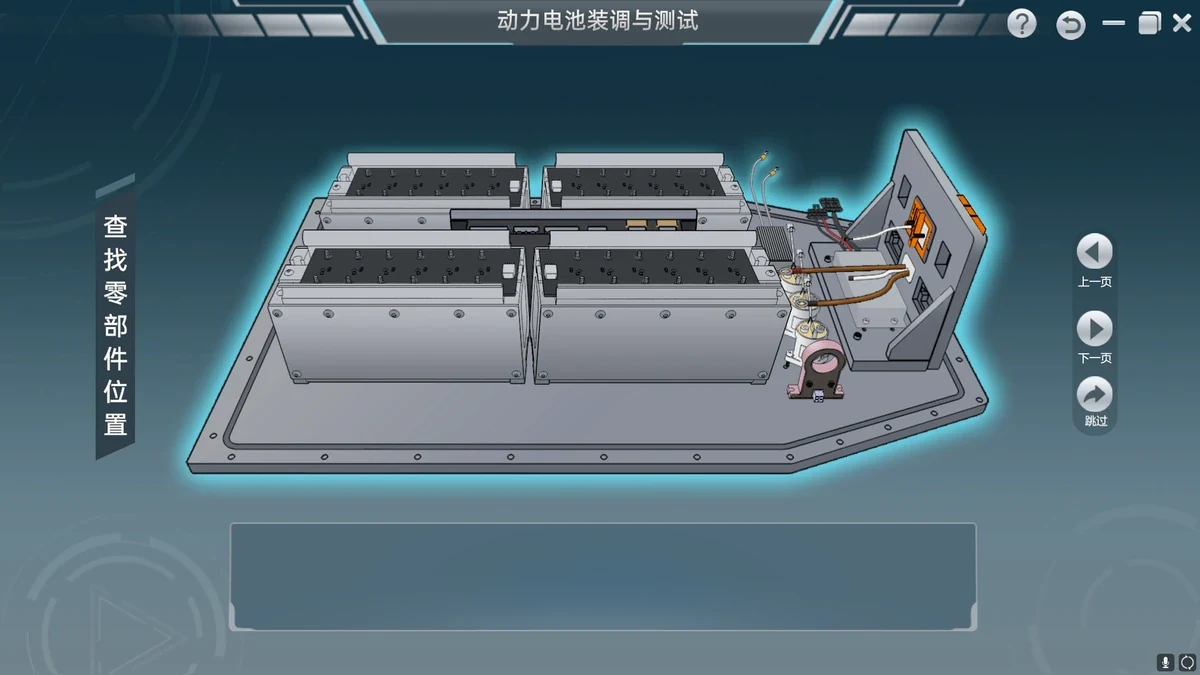
Digital Teaching Resource
Rehearse battery assembly and BMS diagnosis with virtual measurements and task records for instructor review.
Course RoleVirtual preparation and review for assembly and BMS tasks.
Model: BT-DCVR
Product DetailsTeach cell-capacity comparison and pack-performance testing as two distinct tasks.
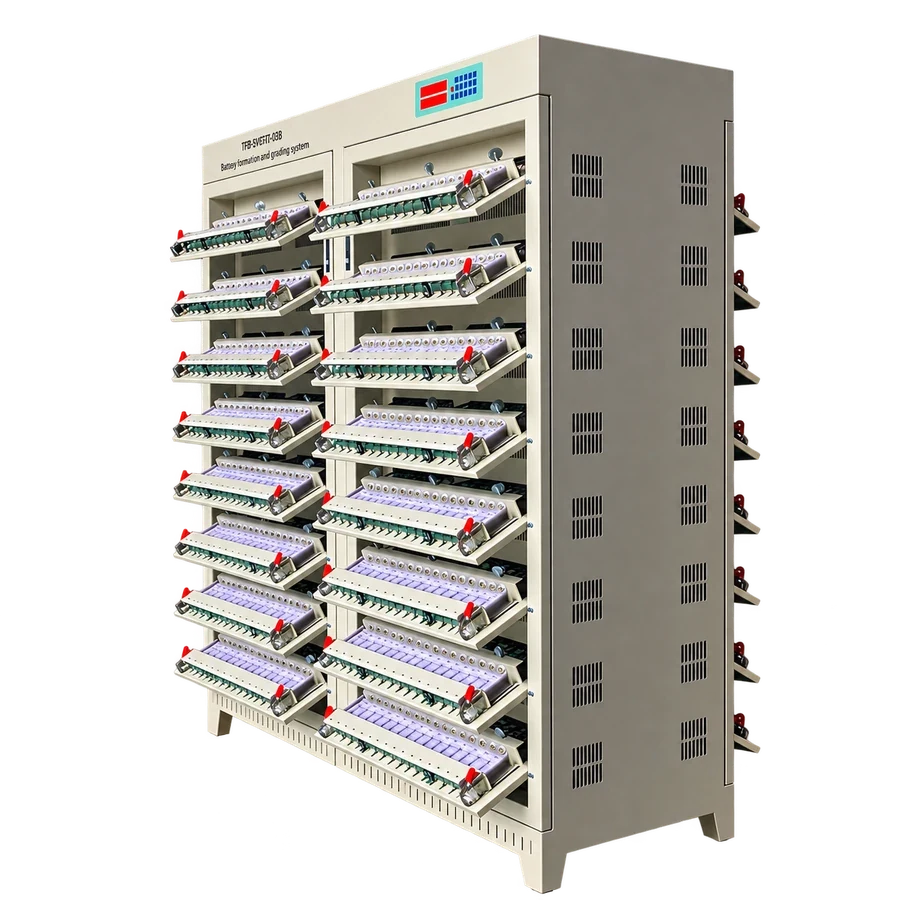
Physical Teaching Equipment
Compare individual battery-cell capacity through defined charging and discharging tests with four-wire measurement.
Course RoleIndividual-cell consistency and grouping lessons.
Model: BT-BD02
Product Details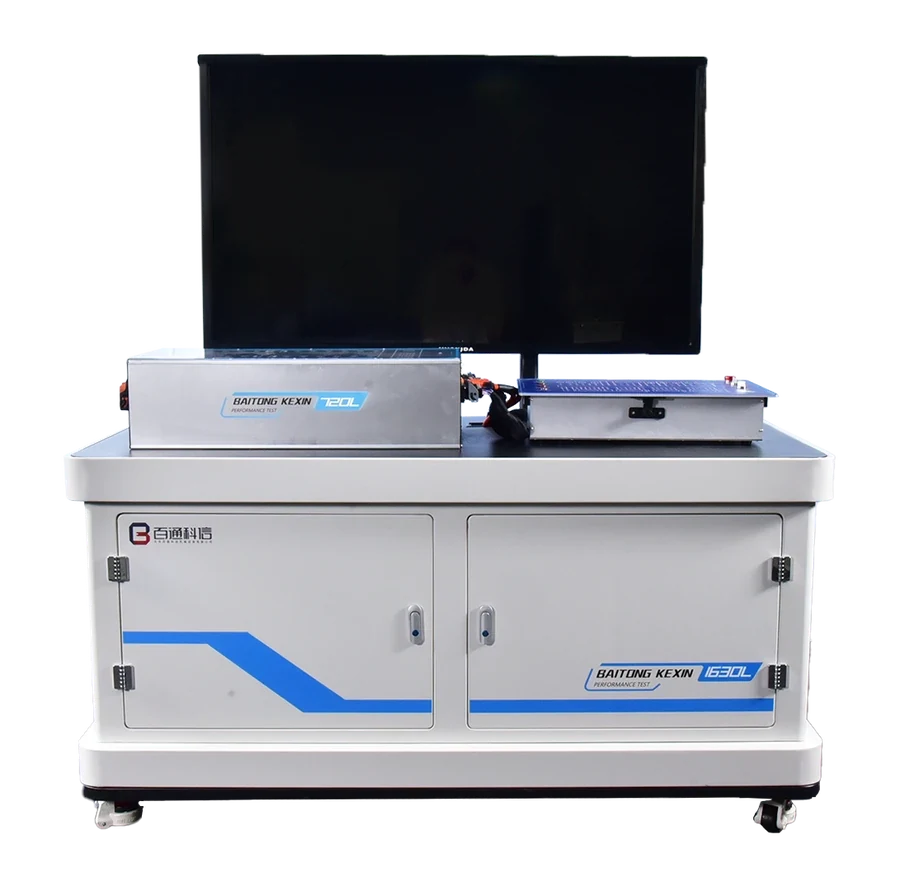
Physical Teaching Equipment
Investigate battery capacity and internal resistance through programmable charging cycles and test-data analysis.
Course RoleAdvanced controlled battery-performance experiments.
Model: BT-NEV2-T068
Product DetailsPair virtual charging tasks with separately supervised hardware lessons.
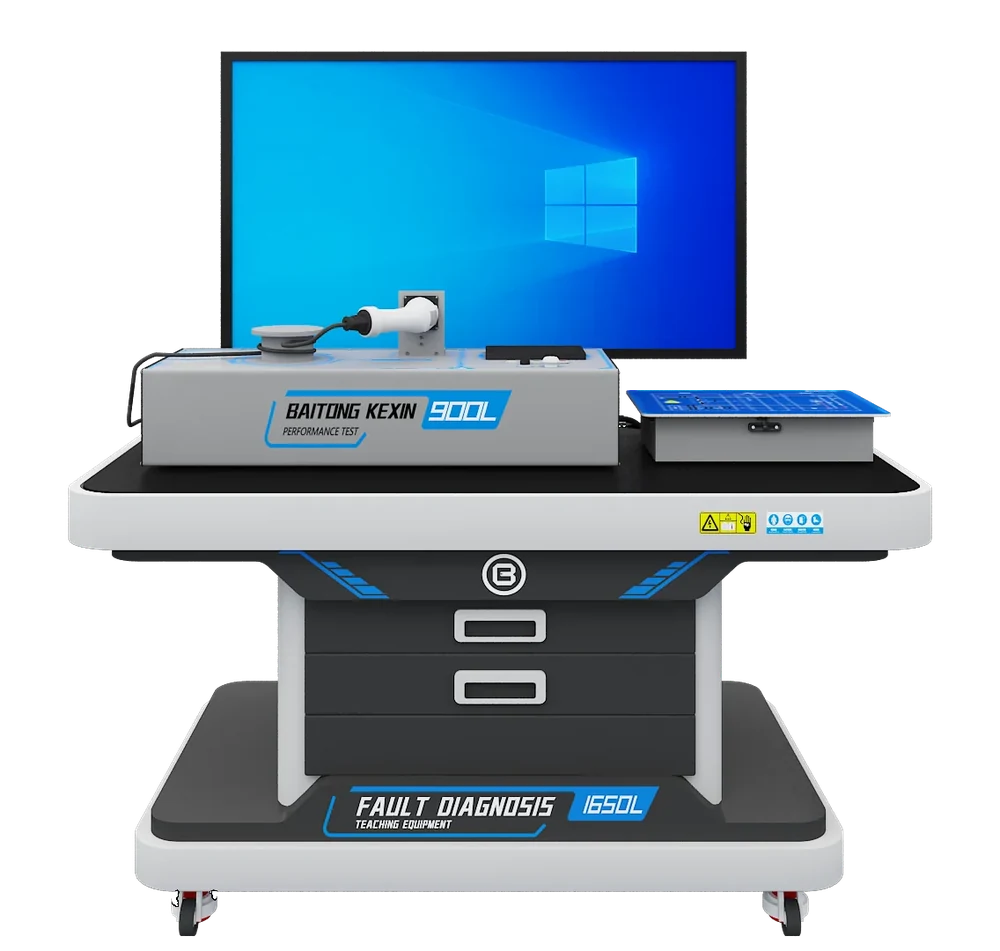
Physical Teaching Equipment
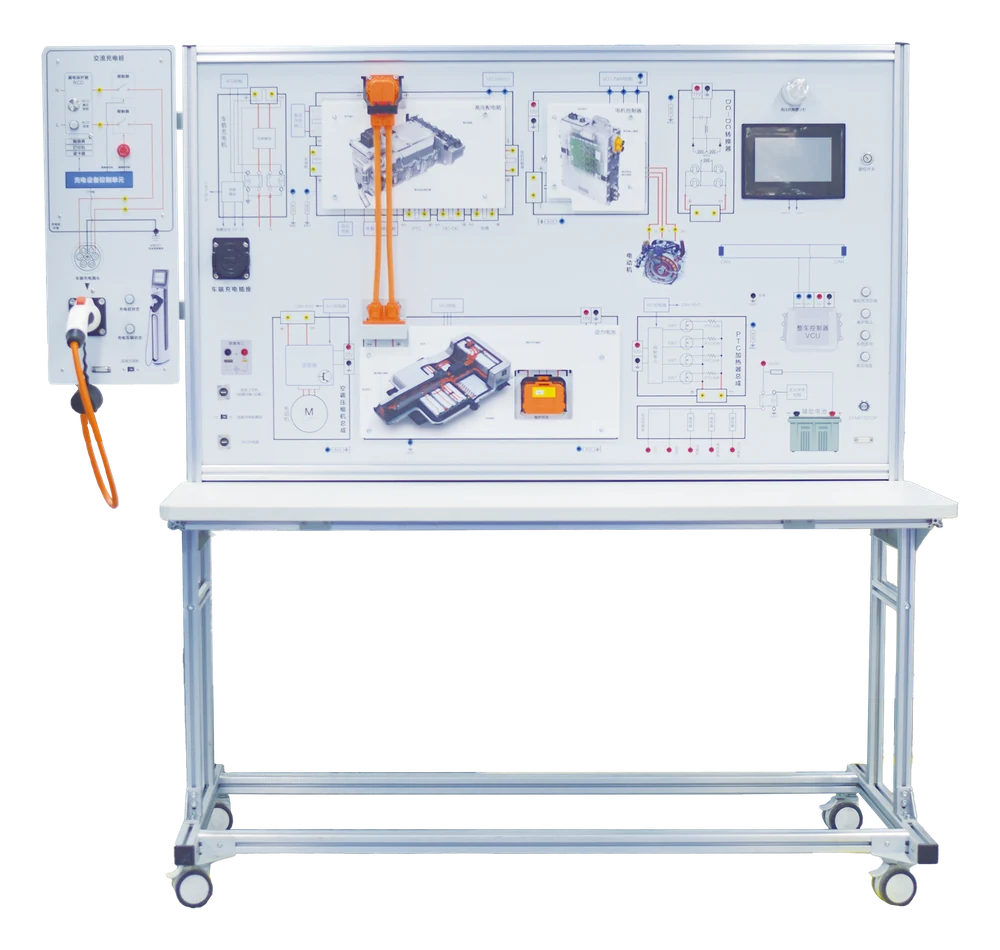
Practice charging assembly, wiring checks and protective-device inspection before guided electrical fault diagnosis.
Course RolePhysical charging-system assembly and diagnostic practice.
Model: BT-NEV2-T040
Product Details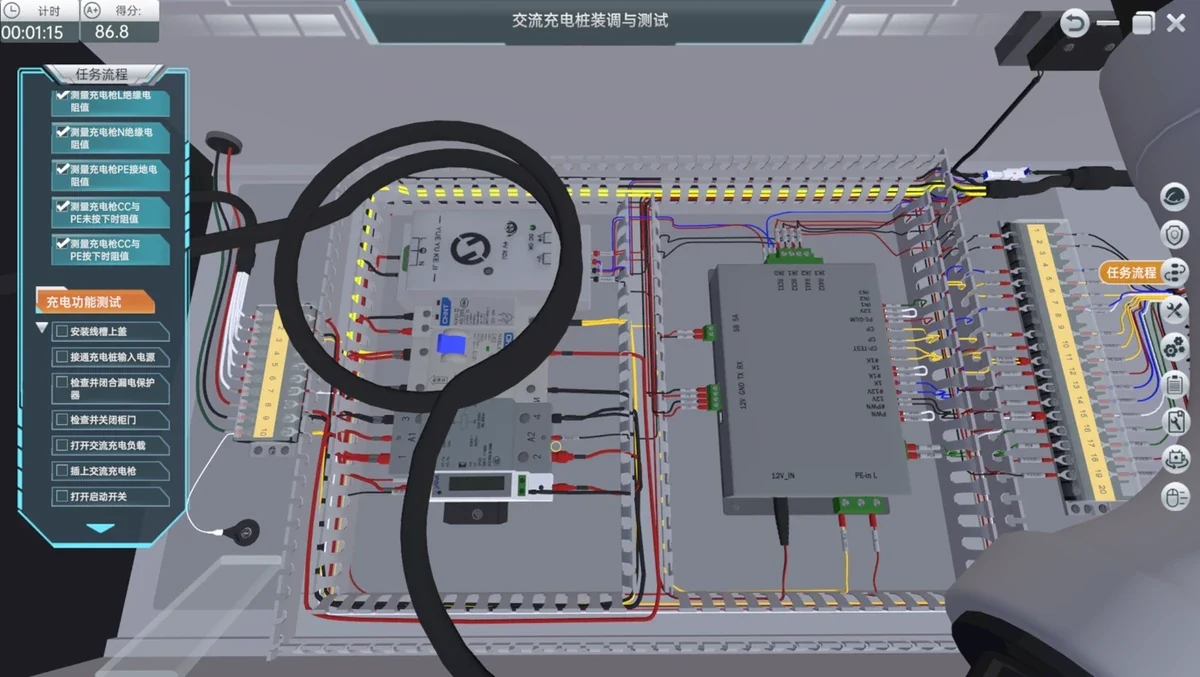
Digital Teaching Resource
Rehearse charging assembly, pilot-signal diagnosis and functional checks through virtual measurements and task records.
Course RoleVirtual charging tasks with their own assessment records.
Model: BT-ACVR
Product DetailsMatch the measurement function, instrument and probes to the lesson.
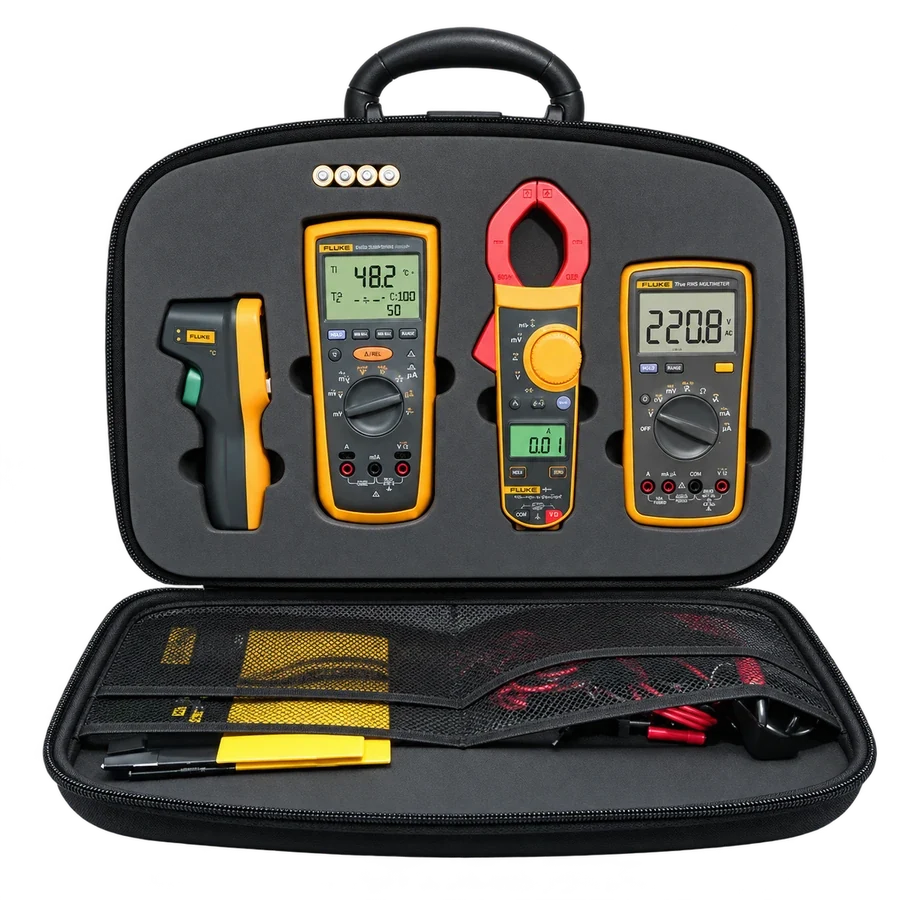
Measurement & Workshop Support
Support electrical practicals with insulation, earthing and multimeter functions matched to the teaching circuit.
Course RoleShared measurement support across battery and charging practicals.
Model: BT-NEV-TDR
Product Details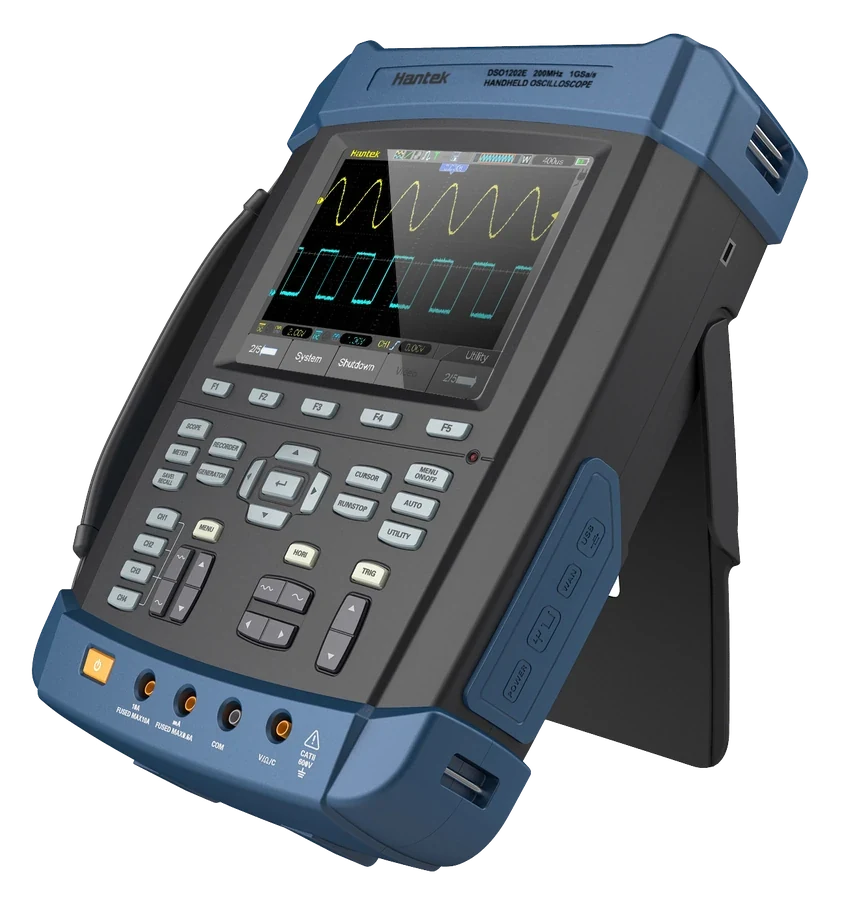
Measurement & Workshop Support
Capture and compare automotive circuit waveforms using two channels and probes matched to the circuit.
Course RoleAdvanced signal interpretation with task-matched probes.
Model: SATO2002
Product DetailsChoose the equipment, digital resources and quantities around your syllabus, class size and practical timetable.
For connected practical tasks, review the station interfaces, accessories, software and measurement setup with your instructors before ordering.
Explore Battery & Charging Systems EquipmentBeyond the Hardware
Baitongkexin’s course-development service helps your faculty connect the syllabus, lesson plans, practical task sheets and assessment materials with the selected equipment.
Baitongkexin Curriculum DevelopmentFor the Course Leader
Connect the 8 modules with learner prerequisites, practical hours, equipment and local occupational requirements.
For the Instructor
Define the presentations, supporting media, equipment references and demonstration guidance needed for the agreed tasks.
For the Learner
Structure preparation, observations, measurement records and individual explanations around the actual station or software task.
For the Assessor
Specify observable criteria and distinguish preparation, virtual records, physical workmanship and diagnostic interpretation.
From Course Idea to Teaching Delivery
Use the course map to discuss the learning, equipment, resources and faculty preparation together.
01Define
Review prerequisites, local workplace tasks and the required outcomes for battery & charging.
Output: Agreed course brief
02Design
Map the selected modules to stations, digital resources, room conditions and learner rotation.
Output: Course and equipment map
03Prepare
Specify the resource package, equipment-based instructor preparation and commissioning responsibilities.
Output: Defined delivery schedule
04Review
Check the agreed equipment, resource versions and demonstration tasks with the faculty.
Output: Readiness and acceptance record
Laboratory & Delivery Planning
Review station access, utilities, computers, shared instruments and group organization before finalizing the equipment schedule.
Baitongkexin EV Laboratory PlanningFaculty Preparation
Define equipment demonstrations, resource use and task assessment in the instructor-support scope for the selected configuration.
Explore Instructor PreparationWhere the Skills Can Lead
Use these directions to discuss course relevance with local employers and define the next stage of role-specific development.
Component recognition, assembly records and inspection build a foundation for supervised production and quality tasks.
Course connection: Measurement + assembly
BMS information, measurement comparisons and documented findings support further vehicle-service training.
Course connection: BMS + diagnostic reasoning
Charging circuits and inspection records provide a base for role-specific maintenance training.
Course connection: AC charging + evidence records
System knowledge and practical documentation support further workshop and teaching-support development.
Course connection: Systems + practical portfolio
Use these skills as a starting point for discussions with local employers about qualifications and further training for each role.
Course Planning Questions
The modules can form a new course or practical units within an existing program. Review learner prerequisites, your syllabus and existing equipment first.
The grading unit compares individual cells. The dedicated performance station supports controlled battery tests within its documented configuration. They serve different test levels.
Virtual records describe actions in the software. Physical assembly, measurements and diagnosis need their own supervised practical evidence.
Select the cell, assembly and BMS modules with an appropriate assessment task. Add the performance station only when controlled performance testing belongs to the course.
Build Your Course
Tell Baitongkexin who you teach, which battery & charging tasks matter and what your institution already has. Use the brief to begin a focused planning conversation.
Create a course brief below, then copy or download it to send with your inquiry.
Contact the Baitongkexin TeamConnected Learning
Connect this course with the next practical task in your program.
Fundamentals & Safety
Build a shared foundation for every EV practical. Connect system recognition, electrical reasoning, harness work and supervised safety simulation.
Explore the CourseDrive Motor & Control
Connect the drive assembly with the evidence. Teach structure, assembly, inspection, diagnostic reasoning and controlled performance testing.
Explore the CourseTesting & Diagnostics
Teach the test arrangement, not just the result. Connect architecture, charging, loading and signal evidence in a defined EV testing course.
Explore the Course