
Workplace Task Connections
Follow assembly information, record mechanical checks, interpret selected signals and distinguish a service observation from a controlled performance result.
New Energy Vehicle Education
Connect the drive assembly with the evidence. Teach structure, assembly, inspection, diagnostic reasoning and controlled performance testing.
Baitongkexin’s drive-motor course framework maps physical assembly stations, performance equipment, simulation and workshop instruments to distinct practical learning tasks.
Why This Course Matters
An electric drive brings mechanical assembly, sensors, power electronics and control information into the same service discussion. Learners need to relate what they can inspect physically to the measurements and test conditions they use to explain a result.
Follow assembly information, record mechanical checks, interpret selected signals and distinguish a service observation from a controlled performance result.
Separate but connected stations for assembly, service and testing, with resource packages and assessment evidence matched to each station’s scope.
Use simulation and cutaways for preparation, physical stations for workmanship and inspection, and the dedicated test platform for permitted speed, torque and load investigations.
The Learning Experience
Establish the actual drive architecture, prepare the assembly task and build a diagnostic record. Keep controlled performance testing as a separately equipped module.
System foundations
Use the service trainer and hybrid cutaway to compare their documented assemblies without treating the two as interchangeable.
An annotated structure map and architecture-specific explanation.
Digital preparation
Use the motor simulation for its supported assembly, resolver and controller-state activities.
A virtual task sheet and physical-practice preparation plan.
Physical practical
Use the motor assembly system and service trainer for their respective approved dismantling, inspection and reassembly tasks.
An individual assembly and inspection record.
Diagnostic reasoning
Connect supported motor circuit faults with permitted measurements. Use the oscilloscope only on signals covered by the selected probes and procedure.
A diagnostic report and labeled signal records.
Performance extension
Use the dedicated performance platform for the approved load and measurement conditions. Do not infer a complete efficiency map from an isolated reading.
A test record and evidence-led performance comparison.
Course assessment
Assess a task from the actual station configuration, with separate criteria for workmanship, measurements and interpretation.
A practical portfolio with station-specific assessment criteria.
Adapt the modules, practical hours and assessment to your program. Practical work follows your institution’s approved procedures and the equipment manual.
Download Sample Course OutlineTraining Equipment
Explore the stations, instruments and digital resources used in this course, with links to the modules they support.
Define the donor assembly, practical access and task-matched tools for each station.
Physical Teaching Equipment
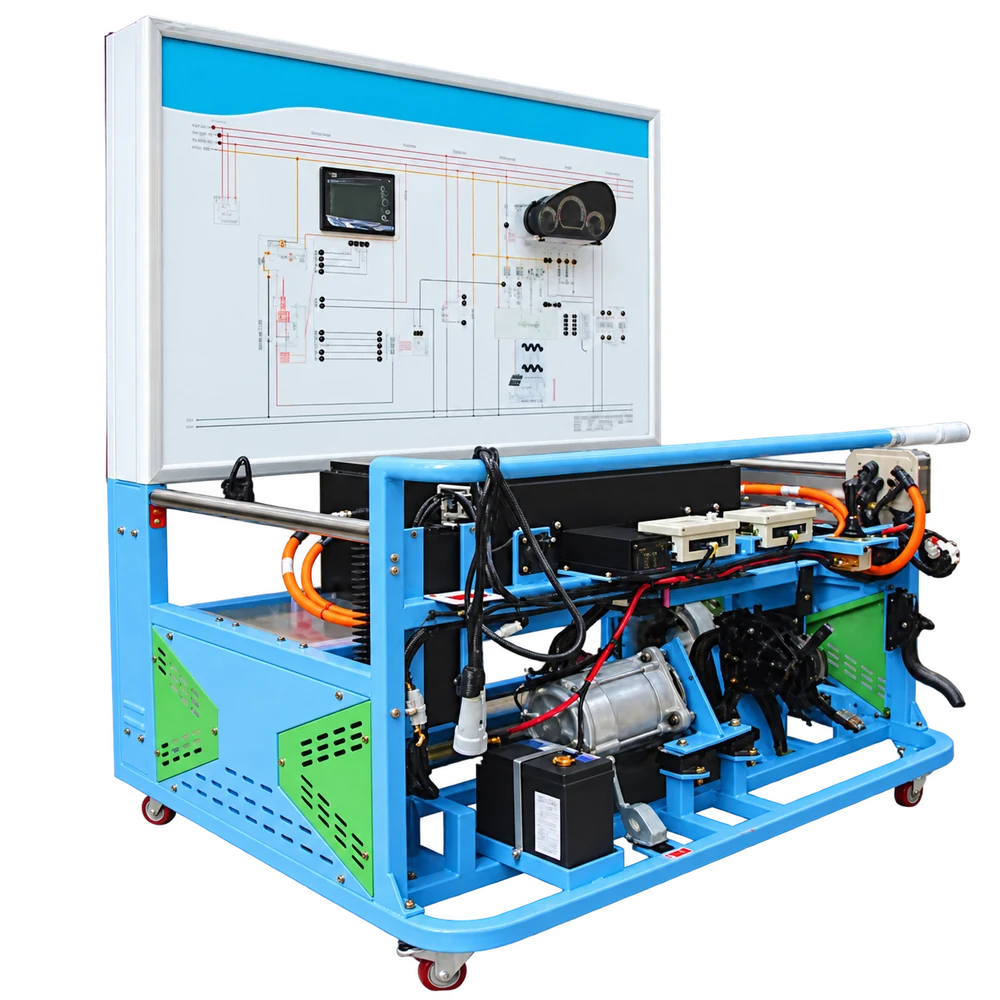
Practice motor assembly, resolver adjustment and mechanical inspection before investigating selected circuit faults.
Course RoleMotor assembly, resolver-related tasks and supported circuit diagnosis.
Model: BT-NEV2-T036
Product Details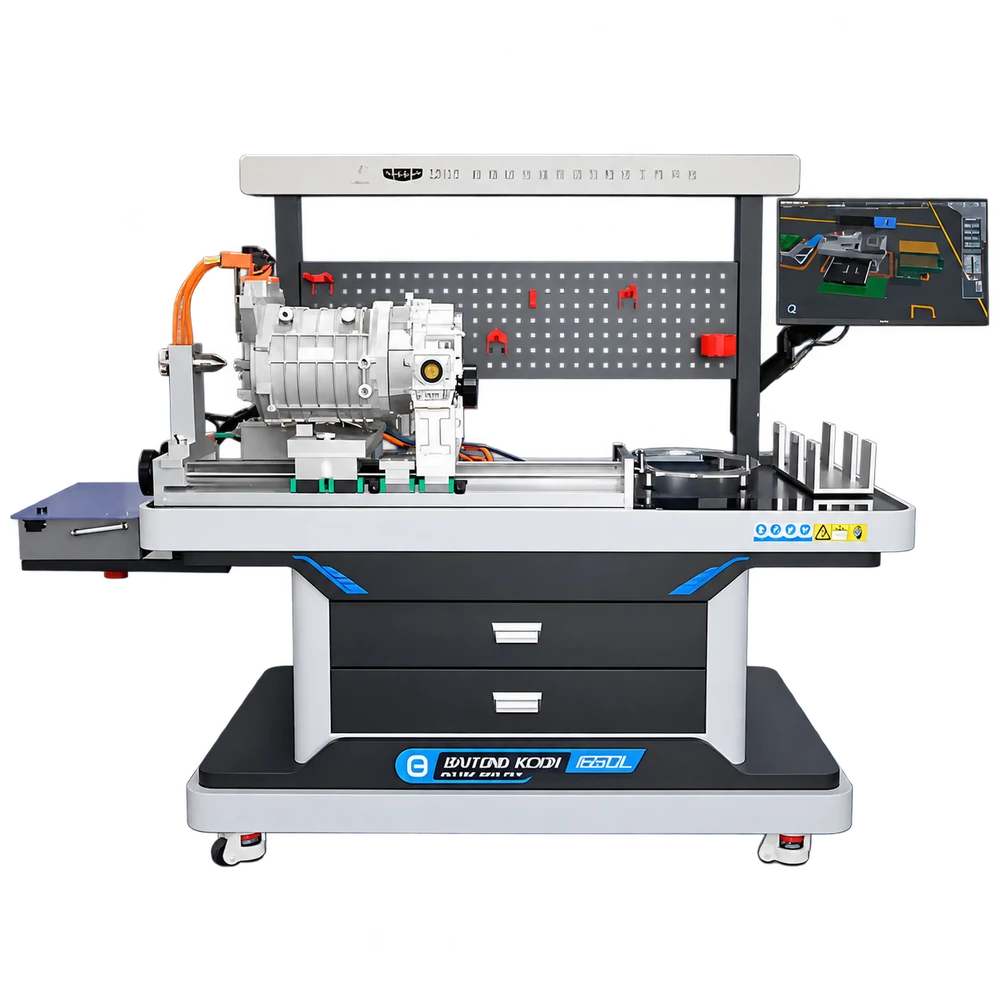
Physical Teaching Equipment
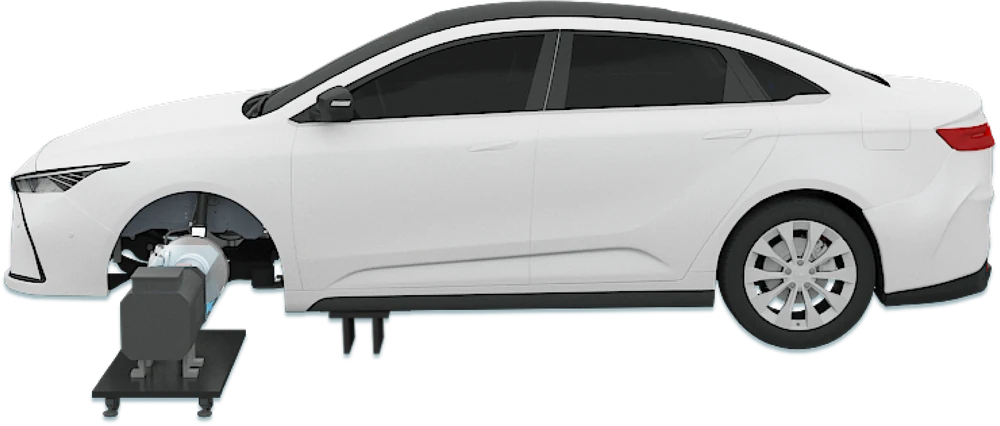
Practice drive-assembly disassembly, inspection and reassembly using a service platform matched to the selected system.
Course RoleAssembly-specific service, inspection and reassembly practice.
Product Details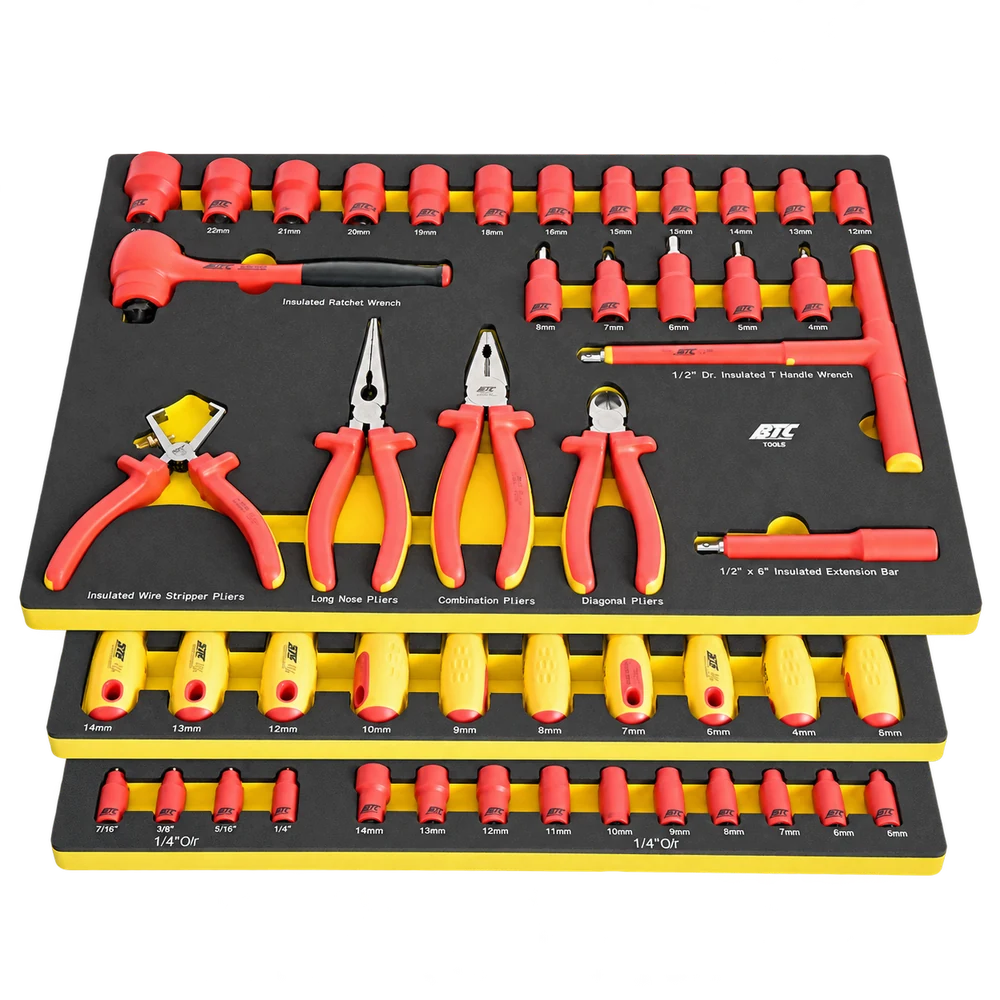
Measurement & Workshop Support
Organize insulated tools for supervised EV workshop tasks with dedicated storage and task-matched tool sizes.
Course RoleTask-matched insulated tools and organized workshop storage.
Product DetailsSeparate controlled load testing from signal-capture lessons.
Physical Teaching Equipment
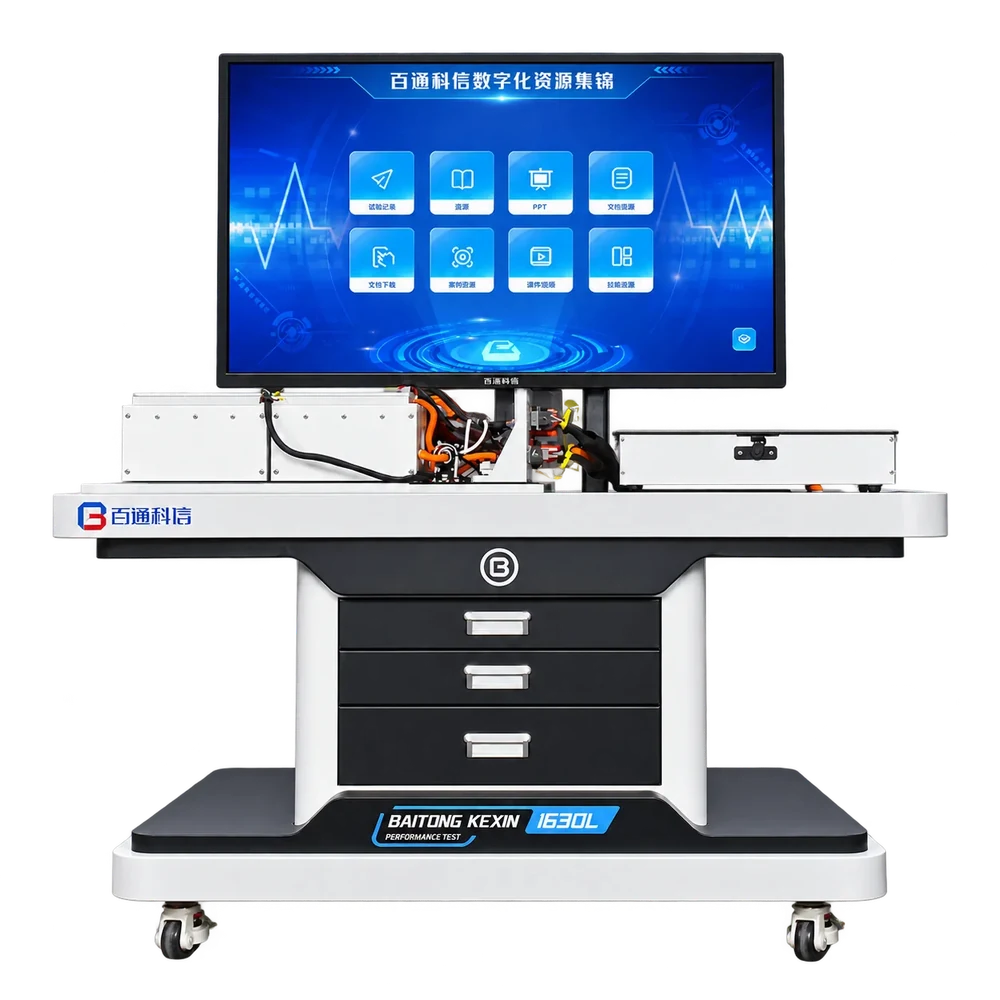
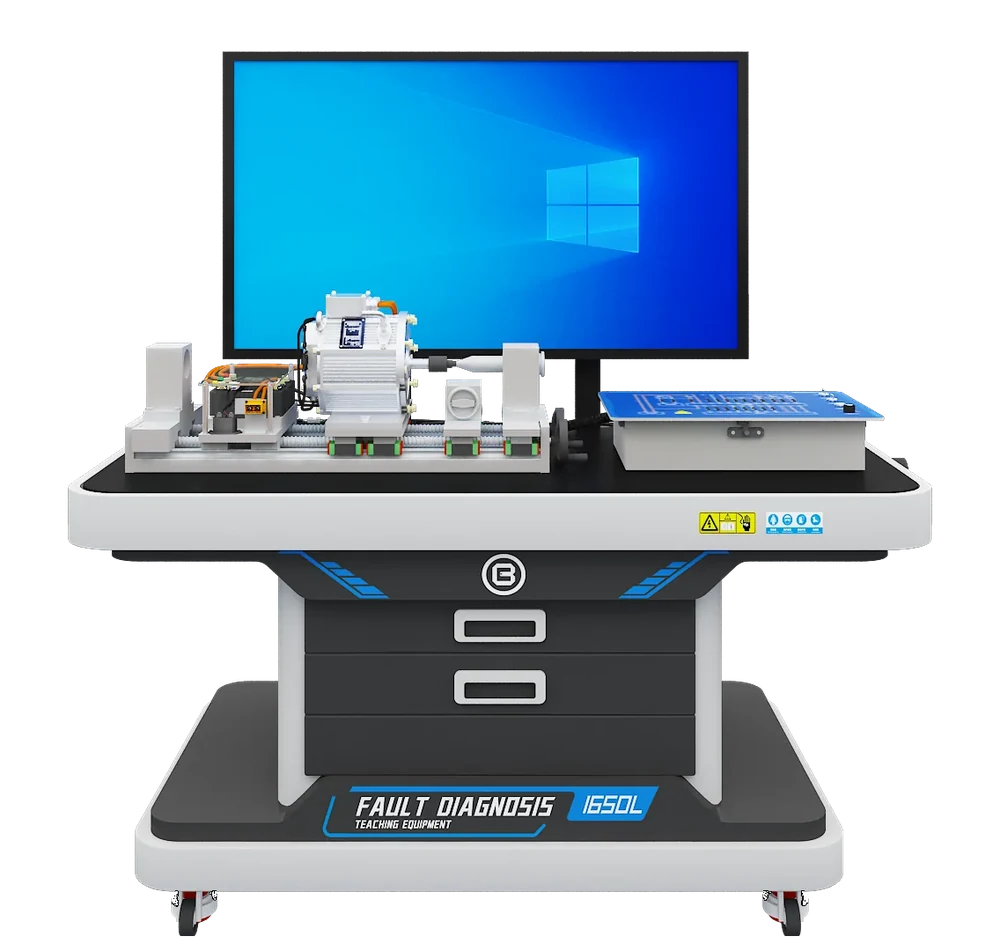
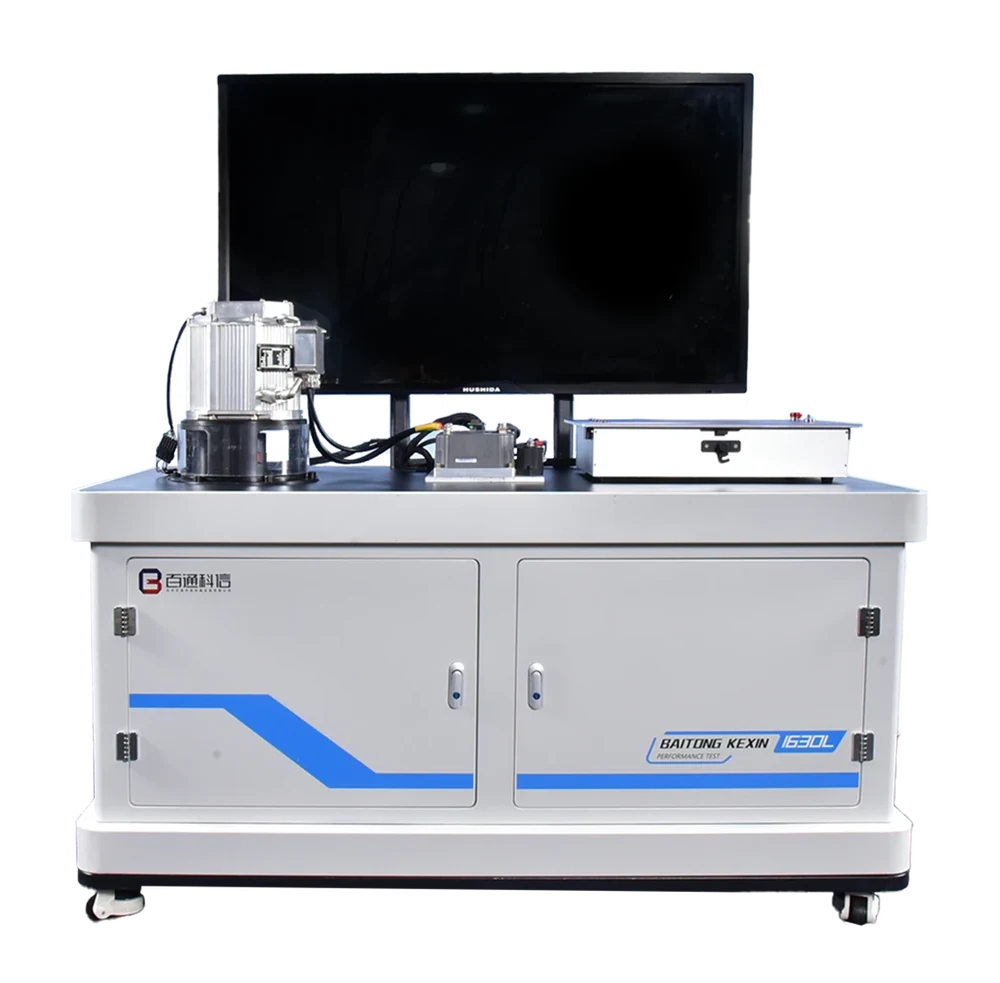
Explore motor performance through controlled load tests, speed and torque measurements, and curve analysis.
Course RoleDedicated load, speed, torque and curve-analysis teaching.
Model: BT-NEV2-T076
Product Details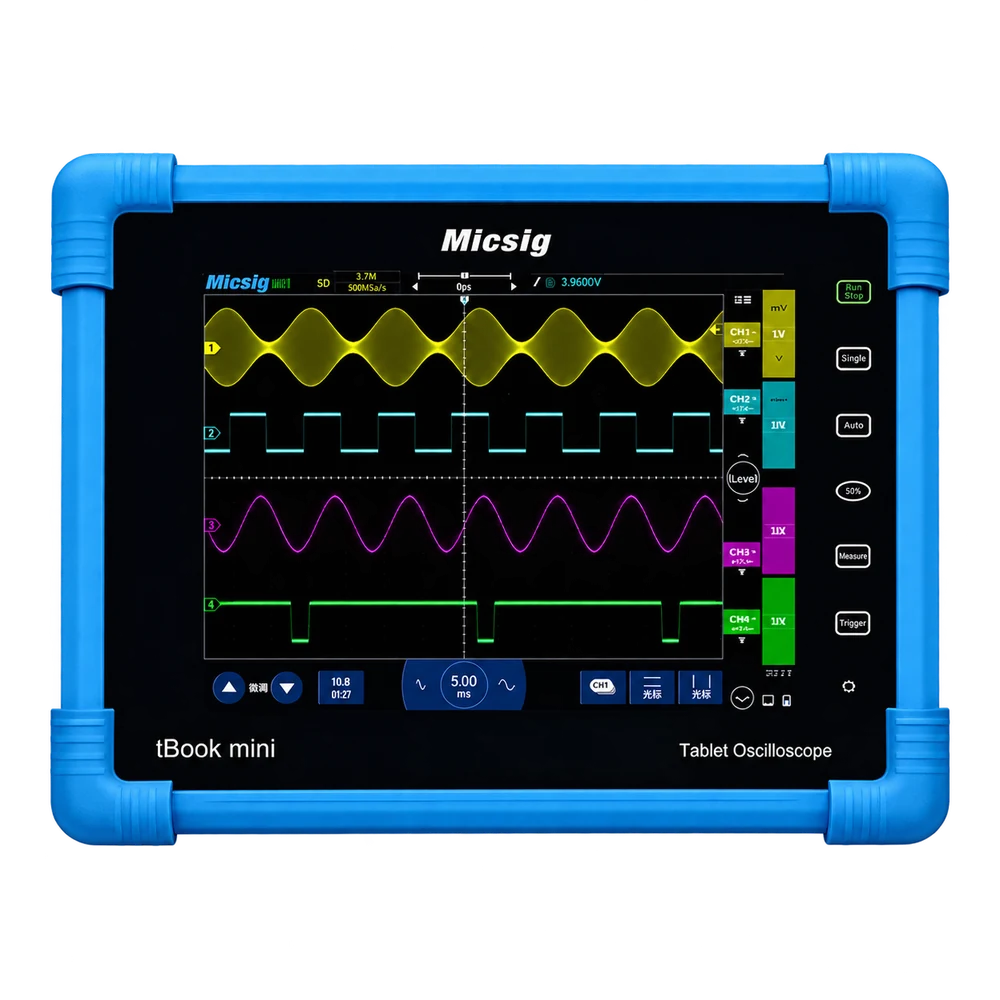
Measurement & Workshop Support
Capture and compare automotive circuit waveforms using two channels and probes matched to the circuit.
Course RoleSignal capture and comparison in the drive-motor teaching context.
Model: SATO2002
Product DetailsUse simulation and the visual cutaway for their different preparation roles.
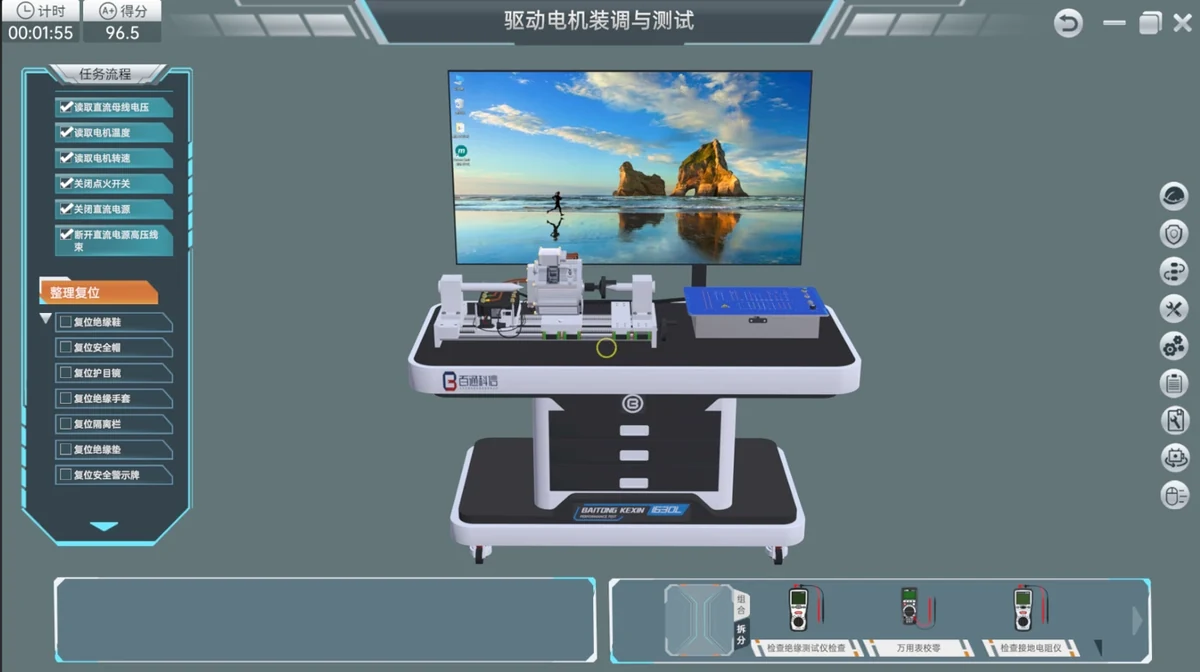
Digital Teaching Resource
Rehearse motor assembly, resolver checks and controller-state analysis before supervised work on physical equipment.
Course RoleVirtual assembly, resolver checks and controller-state reasoning.
Model: BT-DJVR
Product Details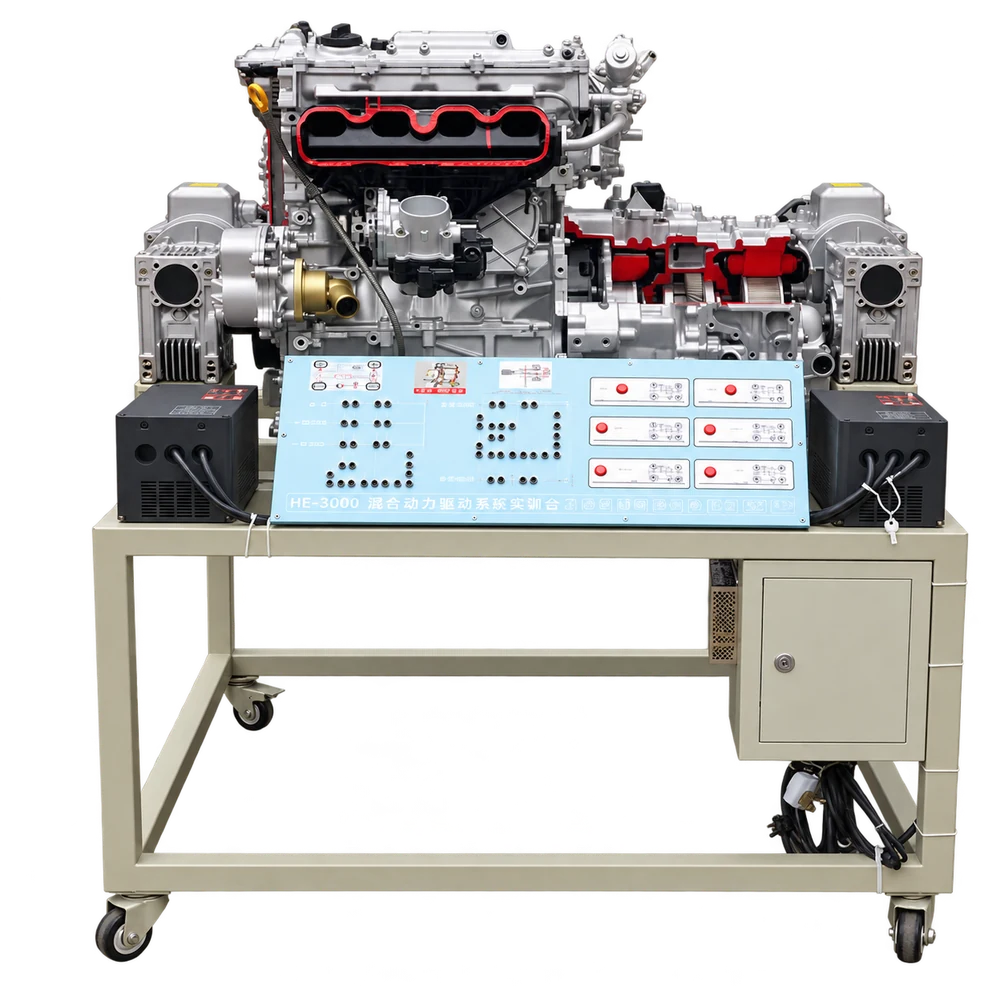
Physical Teaching Equipment
Explain hybrid-drive architecture through sectioned components and a presentation format matched to the course.
Course RoleVisual study of hybrid-drive architecture and component relationships.
Product DetailsChoose the equipment, digital resources and quantities around your syllabus, class size and practical timetable.
For connected practical tasks, review the station interfaces, accessories, software and measurement setup with your instructors before ordering.
Explore Drive Motor & Control EquipmentBeyond the Hardware
Baitongkexin’s course-development service helps your faculty connect the syllabus, lesson plans, practical task sheets and assessment materials with the selected equipment.
Baitongkexin Curriculum DevelopmentFor the Course Leader
Connect the 6 modules with learner prerequisites, practical hours, equipment and local occupational requirements.
For the Instructor
Define the presentations, supporting media, equipment references and demonstration guidance needed for the agreed tasks.
For the Learner
Structure preparation, observations, measurement records and individual explanations around the actual station or software task.
For the Assessor
Specify observable criteria and distinguish preparation, virtual records, physical workmanship and diagnostic interpretation.
From Course Idea to Teaching Delivery
Use the course map to discuss the learning, equipment, resources and faculty preparation together.
01Define
Review prerequisites, local workplace tasks and the required outcomes for drive motor & control.
Output: Agreed course brief
02Design
Map the selected modules to stations, digital resources, room conditions and learner rotation.
Output: Course and equipment map
03Prepare
Specify the resource package, equipment-based instructor preparation and commissioning responsibilities.
Output: Defined delivery schedule
04Review
Check the agreed equipment, resource versions and demonstration tasks with the faculty.
Output: Readiness and acceptance record
Laboratory & Delivery Planning
Review station access, utilities, computers, shared instruments and group organization before finalizing the equipment schedule.
Baitongkexin EV Laboratory PlanningFaculty Preparation
Define equipment demonstrations, resource use and task assessment in the instructor-support scope for the selected configuration.
Explore Instructor PreparationWhere the Skills Can Lead
Use these directions to discuss course relevance with local employers and define the next stage of role-specific development.
Assembly records and mechanical inspection connect with supervised motor and drive-unit workmanship.
Course connection: Assembly + inspection
Circuit explanations and signal evidence provide a base for role-specific drive diagnosis.
Course connection: Signals + reasoning
Documented test conditions and careful data interpretation support development toward test-assistant tasks.
Course connection: Test records + analysis
Tools, equipment identification and task resources support further laboratory and instructor-support development.
Course connection: Workshop preparation + documentation
Use these skills as a starting point for discussions with local employers about qualifications and further training for each role.
Course Planning Questions
They have different teaching roles. The assembly system supports its documented assembly, inspection and fault tasks; controlled performance experiments use the dedicated test platform.
Treat it as a visual cutaway unless a powered operating mode is explicitly documented in the signed configuration. Its architecture must match the actual supplied unit.
Both courses use the SATO2002. Select probes and input arrangements for each task, and plan instrument availability around the class timetable.
A teaching sequence does not establish mechanical, electrical or software compatibility. Any intended connection needs a confirmed interface and operating schedule.
Build Your Course
Tell Baitongkexin who you teach, which drive motor & control tasks matter and what your institution already has. Use the brief to begin a focused planning conversation.
Create a course brief below, then copy or download it to send with your inquiry.
Contact the Baitongkexin TeamConnected Learning
Connect this course with the next practical task in your program.
Battery & Charging
Build the course behind the equipment. Connect cell selection, battery assembly, performance analysis and charging diagnosis in one practical learning program.
Explore the CourseEV Chassis Systems
Make the mechanical relationships teachable. Connect drivetrain handling, electric steering and front-suspension inspection with a structured practical course.
Explore the CourseTesting & Diagnostics
Teach the test arrangement, not just the result. Connect architecture, charging, loading and signal evidence in a defined EV testing course.
Explore the Course