
Connect machinery principles with a documented service task.
An agricultural machinery training pathway should connect the power path, the working mechanism, its observable behaviour and the checks a technician can justify. Naming machine parts is a useful beginning, but a practical course also asks learners to explain how motion reaches a working component and how a service decision is supported.
This pathway is intended for agricultural TVET programmes, machinery-service courses and teacher development. It uses three distinct teaching subjects: mechanical transmission principles, a seed-drill mechanism and a grain-harvester header. They provide a progression from foundation motion concepts to two different agricultural processes.
Learners should already understand basic workshop practice and be able to read a simple mechanical diagram. The faculty checks this through component identification and an explanation of a basic drive path. Students without that foundation need introductory learning before being asked to interpret an unfamiliar powered mechanism.
Adapt the learning stages to your programme’s transmission, seeding and header-service topics. Match movements, access and practical actions to the selected platforms and approved procedures, then agree contact hours, assessment requirements and local crop examples with your faculty.
Make the training outcome more specific than “machine operation”.
Trace motion: identify the driving element, transmission elements and working mechanism in a documented teaching arrangement. Explain the sequence using the actual platform and its diagram, distinguishing a demonstrated relationship from an assembly hidden or absent in the trainer.
Explain a process: relate the seed drill’s ground-wheel drive, metering and row-placement concepts. For the grain-header subject, explain the roles of the reel, reciprocating cutter and auger. Students should be able to identify what the platform represents before making a claim about a complete agricultural operation.
Plan a permitted inspection: select observable components, identify the approved access condition and record findings using the model-specific checklist. Where adjustment or servicing is included, document the authorised method and reference; where it is not included, produce an inspection plan rather than perform an unsupported intervention.
Communicate the evidence: produce a mechanism map, an observation record and a reasoned maintenance proposal. Explain which conclusions are supported by the teaching platform and which would require a full machine, approved field procedure or additional manufacturer information.
Six stages from motion principles to service reasoning.
The sequence joins two kinds of learning: explaining a working mechanism and completing a documented workshop task. Keep both visible in the course plan so a successful demonstration does not become the only evidence of practical competence.
01Trace foundation motion
Start with the transmission principle.
Practical activity
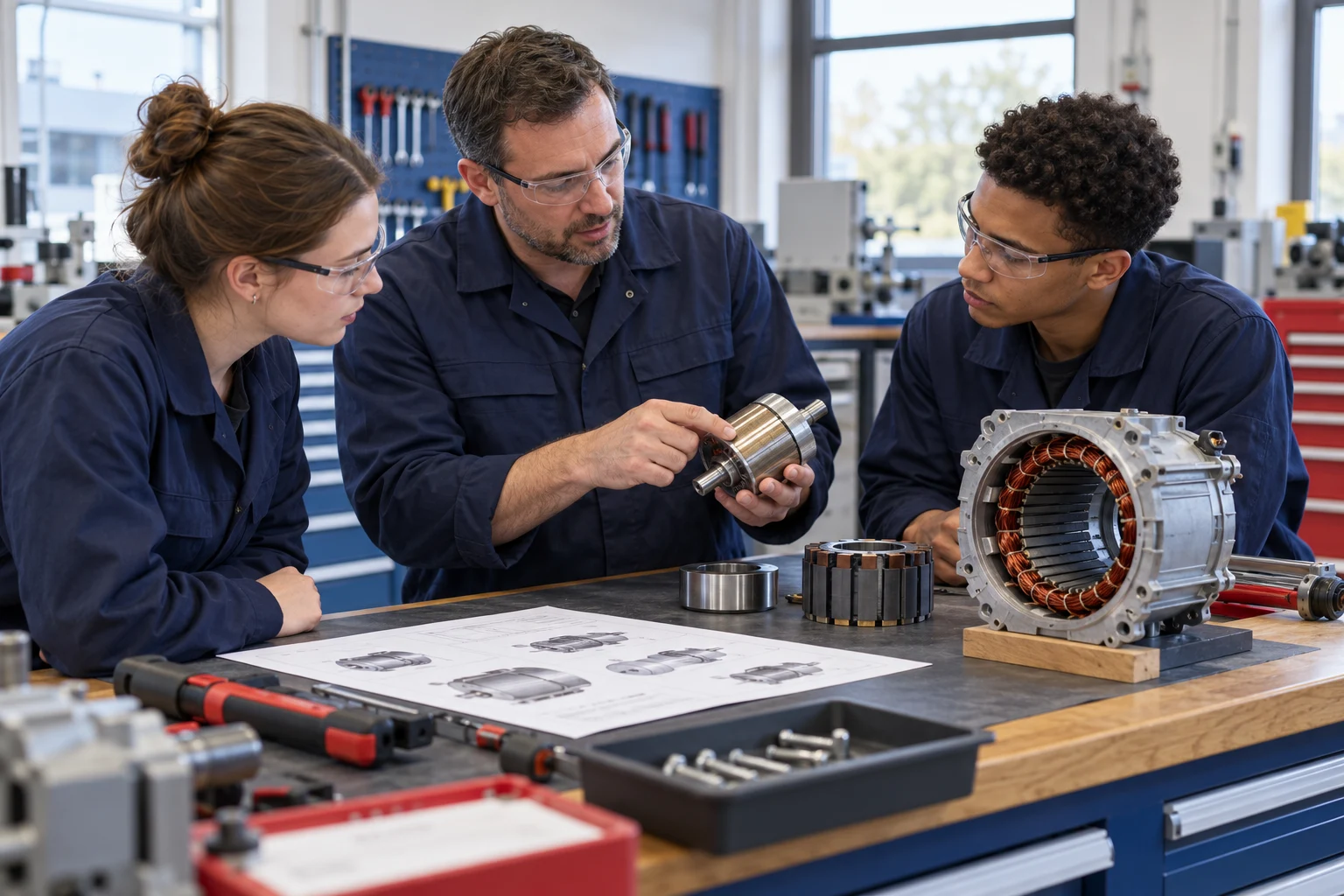
Use the selected mechanical transmission models to identify the input, transmission path and output. Ask learners to draw the sequence and explain how the demonstrated arrangement transfers or transforms motion. Identify what the physical model shows directly and what requires the instructor’s diagram or explanation.
Evidence to retain
An annotated motion-path sketch with the component names and an explanation of the observed input-to-output relationship.
02Map the agricultural process
Distinguish the process from the product name.
Practical activity
Compare the seed-drill and grain-header teaching subjects. For seeding, map ground-wheel drive, metering and row placement. For the grain header, map the roles of reel, cutter and auger. Mark the process boundary so the learner does not infer an unrepresented downstream mechanism.
Evidence to retain
Two process maps identifying represented stages, component roles and the limits of the observed teaching arrangement.
03Observe a documented demonstration
Record what the mechanism actually does.
Practical activity
The instructor briefs and conducts the permitted demonstration using the approved material and operating arrangement. Learners record the movement sequence and the relationship between the documented components. They separate direct observations from explanations that still need supporting information or another viewing position.
Evidence to retain
A structured observation sheet with the demonstrated condition, component, movement and its proposed process role.
04Prepare an inspection or adjustment task
Use the selected platform’s actual access.
Practical activity
Review the approved inspection points and the condition required for access. Record visible condition against the supplied reference. Where a specific adjustment is part of the delivered training scope, follow that procedure and retain the authorised record; otherwise plan the task without changing the mechanism.
Evidence to retain
A checklist identifying the task, platform reference, access condition, observations and any instructor-approved adjustment record.
05Explain a service decision
Connect a symptom to the relevant mechanism.
Practical activity
Use an instructor-defined process concern, such as an inconsistency in the represented feed or placement sequence. Students identify possible mechanism-related explanations and the next useful observation. Avoid assuming that the teaching platform reproduces every source of a field-machine complaint.
Evidence to retain
A service-reasoning sheet linking the concern, possible causes, proposed checks and evidence needed before intervention.
06Defend an individual task portfolio
Demonstrate understanding across two mechanisms.
Practical activity
Each learner presents a motion map, a process observation and a supported inspection decision. The assessor asks how the same reasoning would need to change for another crop, implement or machine configuration. Learners identify the additional information instead of transferring classroom settings unchanged to field operation.
Evidence to retain
An individual portfolio and oral explanation showing the represented mechanism, recorded evidence and limits of transfer.
Combine foundation models with specific working mechanisms.
A foundation transmission platform helps students interpret motion before studying the agricultural process. The seed-drill platform then introduces the relationship between driving motion, metering and placement. The grain-header platform provides a different mechanism sequence through reel, cutter, auger and visible transmission.
The grain-combine product’s documented teaching scope is the header. It does not establish the presence of threshing, separation or cleaning systems. If those topics are required by the syllabus, specify separate equipment or teaching resources that actually represent them.
Procurement should also distinguish a visible demonstration from authorised dismantling, adjustment or service access. Confirm those practical actions for each selected model rather than assume every agricultural platform supports the same workshop exercises.
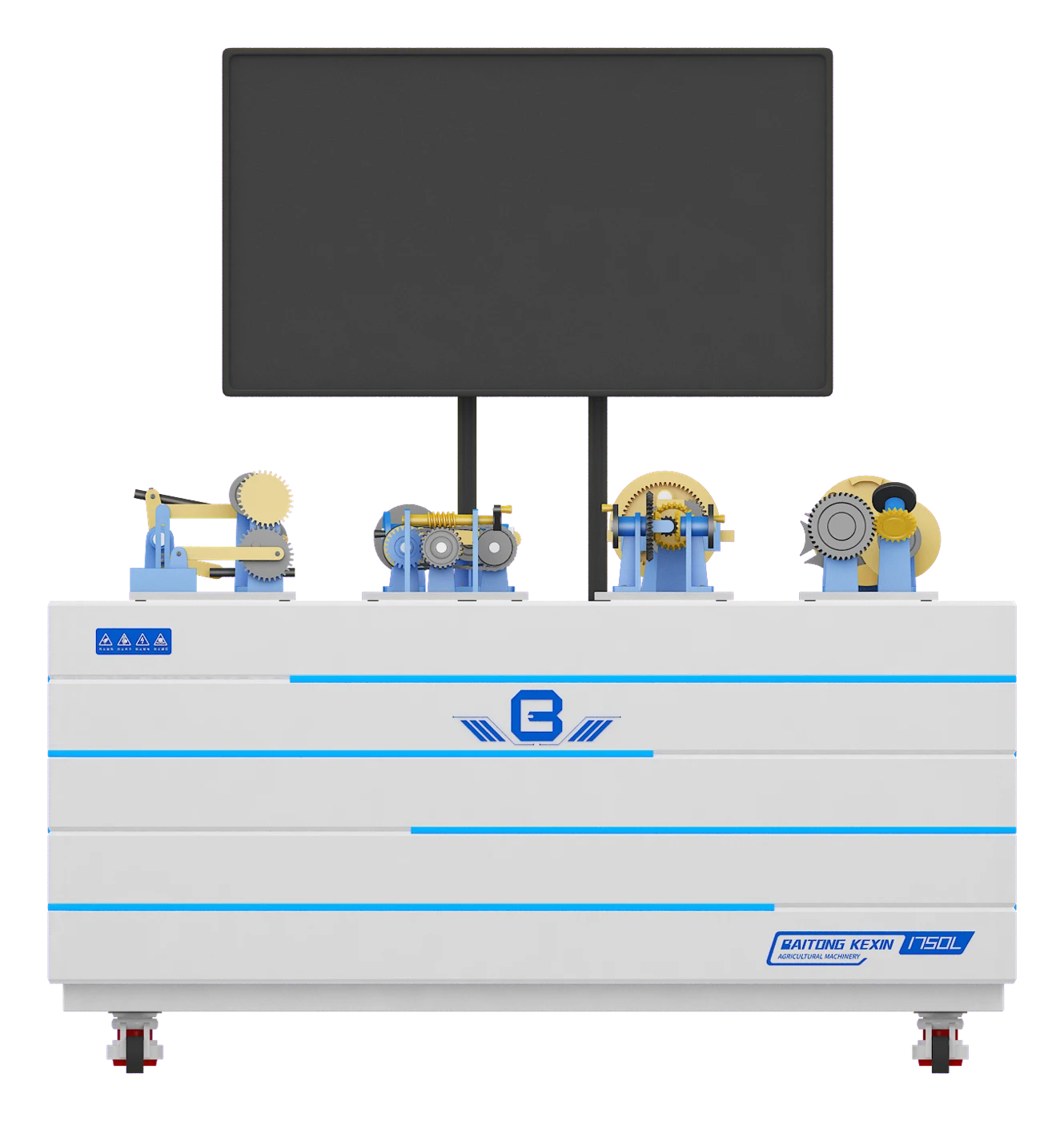
Mechanical Transmission Principles Training Platform
Physical teaching models for exploring how mechanical systems transmit and transform motion.
Teaching roleFoundation motion-path recognition before studying agricultural working mechanisms.
View Equipment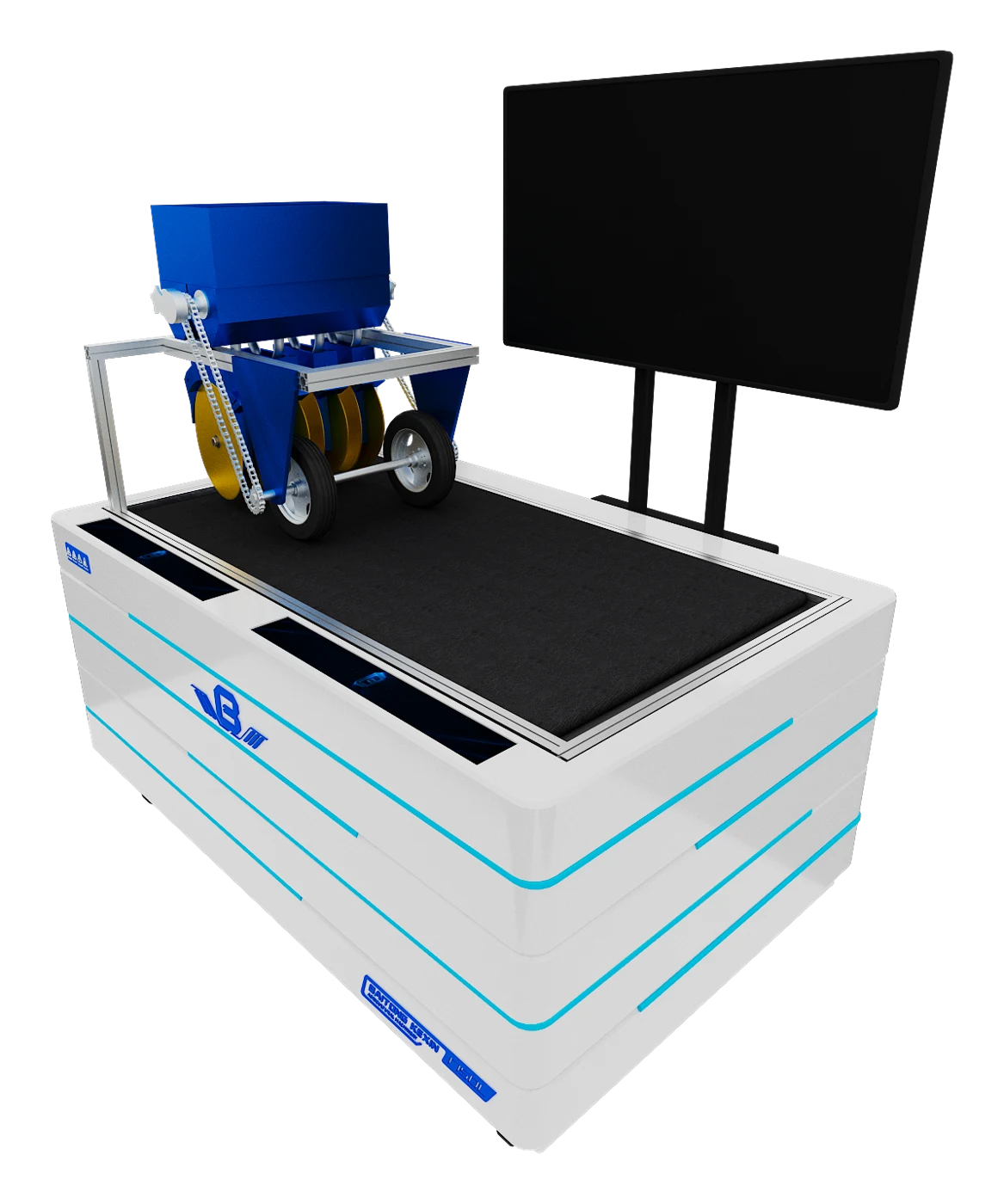
Seed Drill Training Platform
A wheat-seeding principles subject connecting ground-wheel drive, metering and seed row placement.
Teaching roleProcess mapping and observation of the represented driving-to-placement relationship.
View Equipment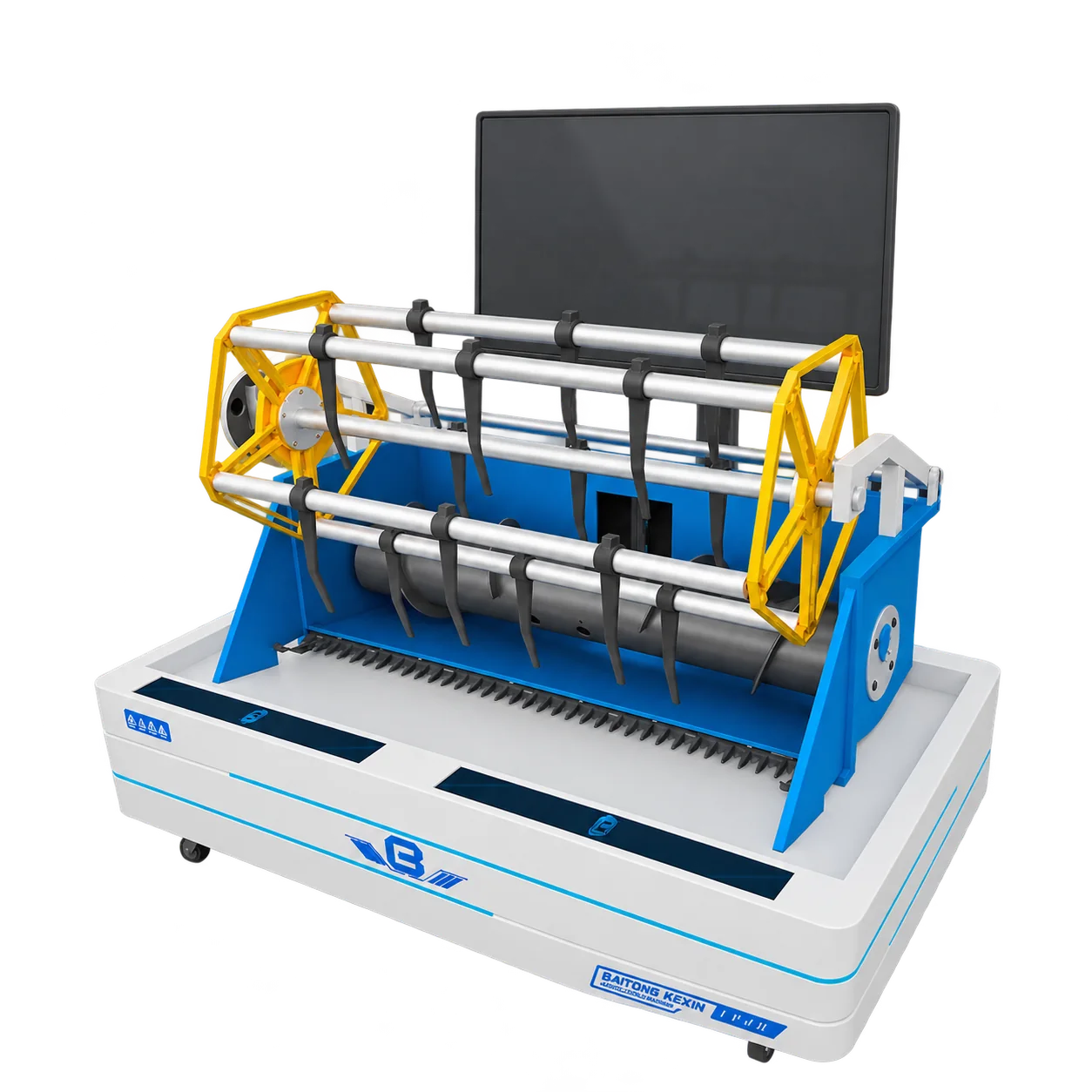
Grain Combine Harvester Integrated Teaching Platform
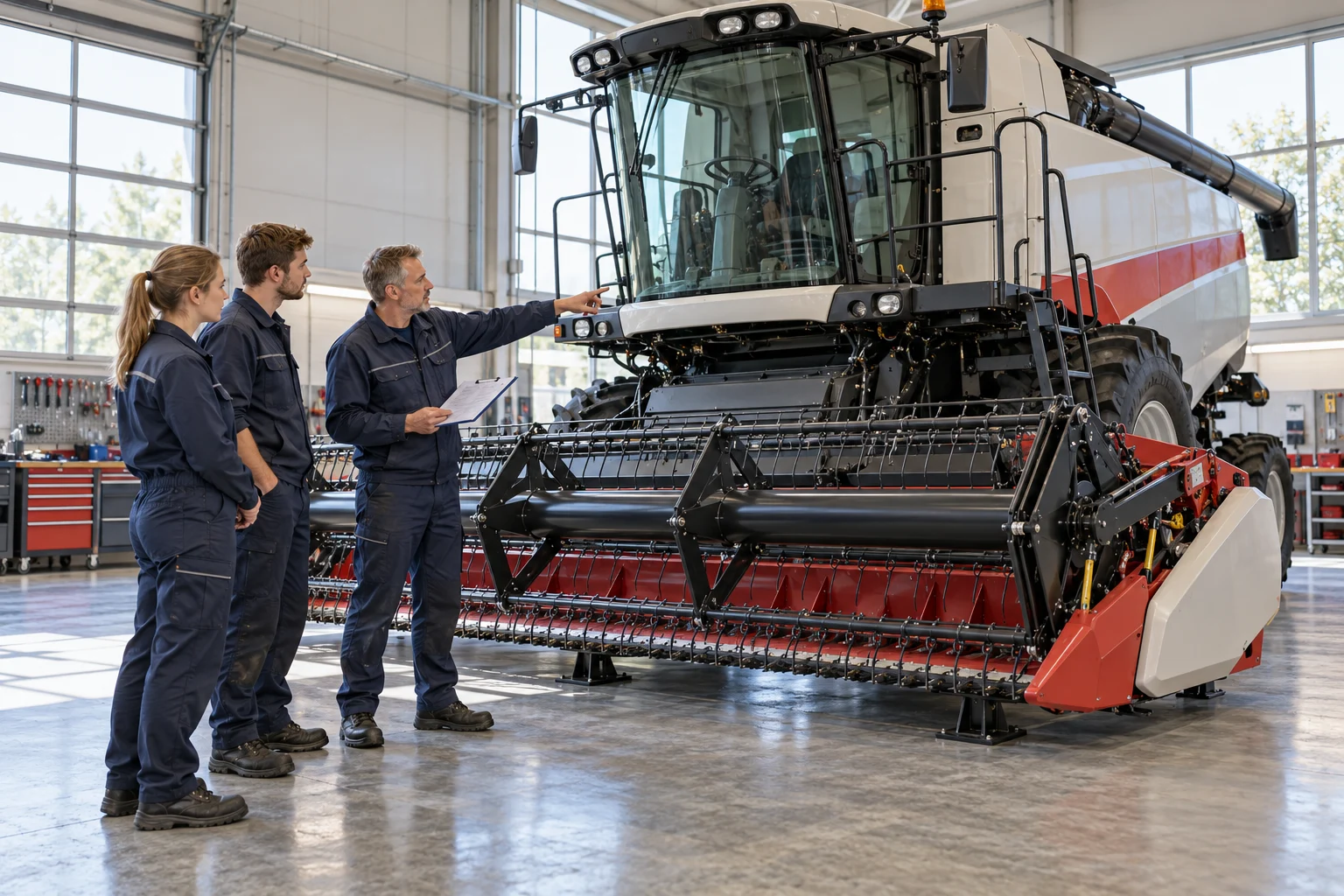
A powered header teaching platform representing the reel, reciprocating cutter, auger and visible transmission.
Teaching roleHeader process interpretation and the inspection or service tasks confirmed for the selected configuration.
View EquipmentBuild the course around the evidence students must produce.
The following map uses component relationships and documented mechanisms as its starting point. A teacher can expand a unit only when the selected configuration provides the necessary observation or task access. This makes course development possible without presenting a teaching model as a complete field machine.
| Learning unit | Teaching subject | Student evidence |
|---|---|---|
| Mechanical foundations | Transmission-principles models and matching diagrams. | Input-to-output motion map and component-role explanation. |
| Seed placement principles | Seed drill: ground-wheel drive, metering and row-placement relationship. | Process map distinguishing the driving and working elements. |
| Header mechanism sequence | Grain header: reel, reciprocating cutter, auger and transmission. | Observation sheet relating movement to the represented crop-intake process. |
| Inspection and supported service | The selected platform’s permitted access and task instructions. | Configuration-specific checklist and reasoned maintenance proposal. |
| Transfer to another machine | Manufacturer information and the institution’s local machinery examples. | A gap list identifying what must be checked before applying the lesson elsewhere. |
A sample task: explain the header before proposing service.
Illustrative exercise: map the represented grain-header process and justify an inspection priority. The task uses the documented reel, reciprocating cutter, auger and transmission scope. It does not provide field settings, a measured performance result or an operating instruction.
Students begin by drawing the flow through the represented header components. During the instructor-controlled demonstration, they record each observed movement and explain its process role. An uncertainty is recorded as a question, rather than filled with an assumed mechanism.
The instructor then supplies a clearly labelled hypothetical concern within that represented process. Learners identify the relevant mechanism, propose an inspection that the delivered platform permits and state what evidence would justify a service action. Where the platform does not reproduce the concern, the task remains a reasoning exercise.
The individual review asks students to identify the boundary between header teaching and the rest of a combine. A strong answer explains which additional machinery or references would be required to investigate threshing or cleaning, instead of claiming that the header observation settles the entire harvesting process.
Open Printable Task SheetSeparate observation, permitted action and technical explanation.
The assessment plan should distinguish whether a learner saw a process, completed a practical task or explained a service decision. These are related achievements, but they require different evidence. The institution sets final performance criteria and the conditions under which an activity is assessed.
| Assessment area | Observable achievement | Evidence retained |
|---|---|---|
| Motion interpretation | Trace the actual input, transmission path and working component. | Annotated sketch matched to the demonstrated arrangement. |
| Process understanding | Explain the represented seed-placement or header sequence. | Component-to-process map and individual questions. |
| Observation discipline | Record the demonstration condition and distinguish facts from hypotheses. | Observation sheet with component, movement and explanation. |
| Practical task control | Complete only the authorised inspection or supported adjustment. | Signed checklist and the applicable procedure reference. |
| Service reasoning | Choose a relevant next check and explain what further evidence is required. | Reasoned service proposal with a defined system boundary. |
Group demonstrations should be followed by individual evidence. One learner may be able to point to a component while another can explain why a proposed adjustment is relevant. Record those differences and assign a targeted repeat task when a particular capability is not yet demonstrated.
Prepare machinery-specific resources with the faculty.
The resource package should include a platform-specific component guide, transmission and process diagrams, demonstration notes, inspection sheets and an instructor assessment reference. Name the actual configuration and document revision so teachers can identify when a resource needs updating.
A useful student sheet asks what was observed, what the observation means and what remains unverified. For a service lesson, it should identify the task boundary and the required reference. Avoid copying a generic full-machine checklist onto a platform that represents only one mechanism.
Instructional media can show the demonstrated movement from an angle that a large class cannot all see at once. Optional simulation can rehearse sequence recognition or decision-making, provided the represented machinery and software edition match the lesson. Physical access is still needed when the outcome concerns handling, inspection or an authorised adjustment.
Plan the physical equipment, digital resources and delivery support together. Agree whether each resource is an existing licensed item, a translated document or newly developed content, then define file formats, access rights and the review process with the teaching team.
Plan visibility, motion space and station rotation.
An agricultural teaching room needs more than the footprint of the equipment. Review the working envelope, moving assemblies, access for the permitted task, demonstration materials and the instructor’s viewing position. The applicable procedure determines the boundary between observation and practical access.
For a large class, begin with a common mechanism explanation, then rotate small groups through meaningful tasks: component mapping, controlled observation, documentation review and the permitted practical station. Each group should produce a different piece of evidence rather than wait beside a running demonstration.
A seed-drill or header demonstration may need material collection or handling arrangements, depending on the accepted configuration and lesson. Confirm the permitted materials and cleanup responsibilities before assigning a class activity. Classroom demonstrations should not introduce field materials or operating conditions that the equipment documentation does not support.
Set station quantities after estimating the time each learner needs to observe, explain and complete the authorised task. A shared demonstration can introduce the process efficiently; an assessed individual inspection usually needs a different rotation plan. Include tools, documents, storage and teacher supervision in that calculation.
Rehearse the difference between a model lesson and a field lesson.
Teachers should practise describing the mechanism without extending the explanation beyond what is represented. A teach-back on the grain-header platform can ask the teacher to identify the visible crop-intake sequence and then explain where the lesson stops. This tests technical precision as well as presentation.
During familiarisation, complete the actual student observation sheet and review a proposed service concern. Agree which actions students may perform, which remain instructor-controlled and which are only discussed through a diagram or simulation. Write those distinctions into the task instructions.
The teacher pack should also record preparation, demonstration, reset and cleanup duties. If a school later adds another implement or changes its local crop examples, review the resource mapping rather than assume the existing demonstration conditions still apply. Teacher preparation can be scoped around these practical teaching responsibilities.
Plan the equipment and teaching support together.
| Project stage | Decision to resolve | Documented output |
|---|---|---|
| Teaching brief | Required mechanisms, learner level, permitted practical actions and local course examples. | Outcome map and supported-task list. |
| Equipment configuration | Foundation models, working mechanisms, accessories, materials and available access. | Itemised equipment schedule and configuration references. |
| Site preparation | Working space, utilities, access, material handling and installation responsibility. | Room requirements and preparation checklist. |
| Resources and teacher preparation | Diagrams, task sheets, demonstrations, licenses, languages and training scope. | Reviewed resource inventory and teacher-training record. |
| Acceptance and support | Agreed functional demonstrations, document delivery and unresolved items. | Acceptance record and responsibility-based support handover. |
For an overseas project, specify packing, transport interfaces, commissioning arrangements and who provides local coordination. A complete equipment shipment is one milestone; readiness for teaching also depends on the agreed documents, materials and instructor preparation. The international TVET service provides the relevant delivery context.
Choose the machinery lesson around the programme’s agricultural context.
Local relevance begins with the operations the institution actually teaches. Grain harvesting, rice planting, potato operations and crop care involve different mechanisms and task sequences. Choose the represented process before selecting the platform, then identify which local manufacturer references or full-machine examples are needed alongside it.
The seed-drill platform teaches wheat-seeding principles. Do not transfer that demonstration unchanged to every seed type or local crop. Review the intended seed, metering concept, represented placement process and approved demonstration materials with the faculty.
Explain the distinction between a classroom observation and an agronomic recommendation. A visible mechanism can help students understand motion and process relationships; field adjustment decisions also depend on the actual machine, crop, soil, conditions and approved guidance. The pathway does not prescribe a seeding rate, yield improvement or universal harvest setting.
Confirm document terminology, teaching language and assessment requirements with local instructors. Record the source and version of any curriculum requirement used in the mapping. The institution and relevant authorities determine formal programme approval and qualification recognition.
Physical and virtual agricultural teaching in practice.
The Côte d’Ivoire Luban Workshop equipment project combines a tractor teaching platform, component-system assembly-and-adjustment platforms and BT-NJVR-01 simulation within an agricultural TVET procurement scope.
The project shows how machinery, system learning and virtual preparation can be planned together. Agree the platforms, learning resources and commissioning requirements for your own institution.
Explore agricultural training equipment and agricultural laboratory planning when your syllabus needs another practical operation. Confirm that the selected platform supports the required task before adding it to the course.
Questions Before You Configure the Pathway.
Does the grain-harvester platform teach every combine system?
No. The platform represents the header: reel, reciprocating cutter, auger and transmission. Threshing, separation and cleaning require other documented equipment or resources.
Can every platform be used for dismantling and adjustment?
No universal workshop access is implied. The accepted configuration and procedure must identify which demonstrations, inspections, adjustments or service tasks are supported by each platform.
Can the seed-drill lesson be used for every crop?
The platform teaches wheat-seeding principles. A different seed or crop requires review of the intended mechanism, demonstration materials and lesson references; the pathway does not prescribe universal field settings.
Are the tillage trainers field-operating machines?
Several tillage teaching platforms use simulated travel and a transparent soil box. Confirm the selected platform’s demonstration scope; these teaching models do not establish field-machine operation or performance.
Can agricultural simulation replace physical assessment?
Simulation can support represented procedures and decision-making. A physical inspection, handling or supported adjustment outcome still needs evidence from the corresponding practical task and selected equipment.
How should the school choose the first platforms?
Start with the mechanisms and authorised tasks in the syllabus. Review existing equipment, foundation learning needs and the local agricultural context, then choose platforms that close specific teaching gaps.
Explore Further
Equipment, Services & Project Details.
Explore product specifications, teaching support and project examples to help plan the equipment and course resources for your institution.