

Africa · Kenya Market Guide
EV Training Equipment for Kenya: Practical Skills for Reliable Service
Build reliable EV service skills for Kenyan learners through measured evidence, clear job cards and validated local vehicle practice, with practical equipment and procurement guidance.
On This Page
The planning answer
What EV training equipment makes sense for Kenya?
A Kenyan EV training programme should prioritise reliable diagnosis, clear service permissions and practical evidence for the vehicles local operators actually use. For motorcycle-focused courses, teach battery and motor principles in a controlled laboratory, then add validated motorcycle-specific practice, charging or swapping workflows and a disciplined job-card process. A passenger-car trainer is not automatically compatible with a boda-boda battery.
The purchasing question is not simply how many electric vehicles are being sold. It is whether graduates can identify a symptom, obtain trustworthy evidence and return a vehicle to service through an authorised workflow. Plan equipment, instructor development, spare-part access and operator cooperation together.
1. Make operational reliability the Kenyan learning objective
For Kenyan vocational colleges comparing electric vehicle training equipment, a useful organising idea is service reliability. A rider or fleet operator needs a technician who can distinguish a vehicle fault, a charging problem and an operating misunderstanding. Replacing a part without a supported diagnosis may waste both money and working time.
UNEP's March 2021 account describes an initiative providing 99 electric motorcycles to four Kenyan partners, including Kenya Power and Kisumu County. It was a pilot intended to explore barriers and feasibility, not a current national fleet estimate. [1] Kenya Power's June 2026 announcement describes a later phase of customer metering under its e-mobility tariff and reports that the country's EV registrations by the end of 2025 were mostly two-wheelers. [3]
Our planning interpretation: prepare learners to support real operating systems with different vehicle models, battery arrangements and service permissions. A course should produce an understandable job card and an appropriate next action, not merely a general explanation of how an EV works.
2. Define the local fleet before choosing the laboratory
Ask institutions to list the actual vehicle types used by prospective placement partners. Include motorcycle models, battery arrangements, charging interfaces, conventional vehicles and any bus or passenger-car scope. The list should identify where the college can obtain authorised practical access and which systems remain accessible only through an operator or manufacturer.
| Catchment | Question for employers or operators | Possible course emphasis |
|---|---|---|
| Nairobi and surrounding counties | Are graduates supporting motorcycles, fleets, workshops or charge points? | Job-card diagnosis and clear vehicle/infrastructure boundaries. |
| Kisumu and western catchments | Which operating and battery-service arrangements will students encounter? | Motorcycle-specific checks and battery identification. |
| Mombasa and coastal campuses | How will site conditions, storage and transport affect the teaching system? | Maintainable stations, inspection routines and delivery planning. |
| Nakuru and Eldoret catchments | Does the local course need mixed-fleet or agricultural maintenance alongside EVs? | Electrical foundations with distinct vehicle and machinery pathways. |
Use these groups to structure local planning conversations. Kenya Power's April 2024 announcement named several cities in its charging expansion plans, but planned stations should not be treated as proof of today's installed capacity at a particular campus. [2] Verify local operating examples directly before turning them into a procurement requirement.
3. Use a job card as the curriculum's common language
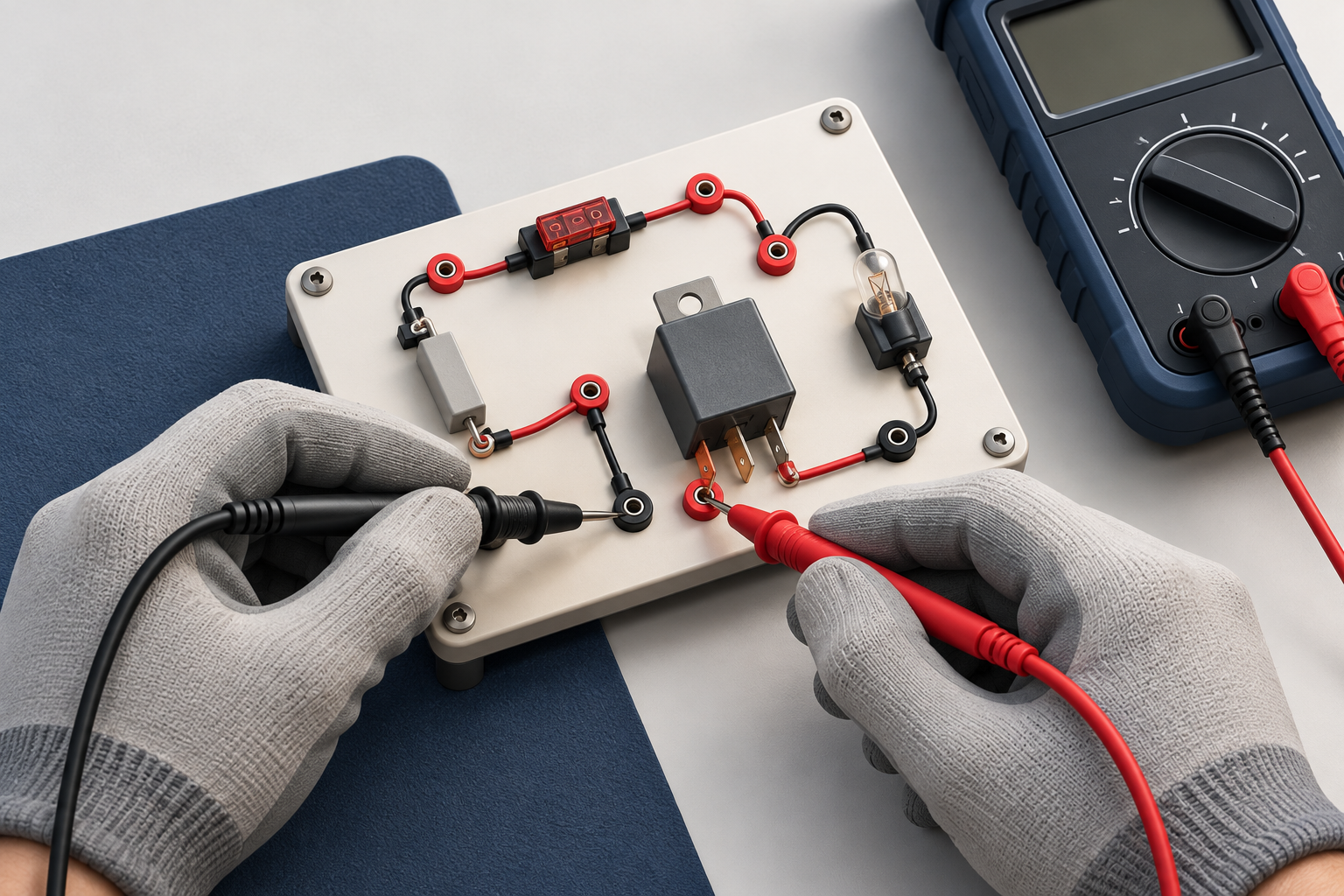
Make each practical module contribute to one consistent job card: reported symptom, initial condition, authorised test, result, interpretation, next action and verification. This teaches the learner to preserve evidence and gives the employer a document that can be reviewed. A good technician should explain why a result supports a decision.
For example, a motorcycle reported as having reduced range should not automatically be labelled as having a failed battery. A classroom case can ask what information is missing about route, load, operating conditions, charging or swapping history and the vehicle's recorded data. This is a reasoning exercise; the actual tests must follow the target model's approved procedures.
Use BTKX curriculum development to connect laboratory tasks with that evidence structure. Include incomplete case records in discussion so students learn when they cannot yet justify a conclusion. This is a practical way to teach professional judgement without inventing a capability that the supplied equipment does not possess.
4. Teach battery/BMS principles without assuming motorcycle compatibility
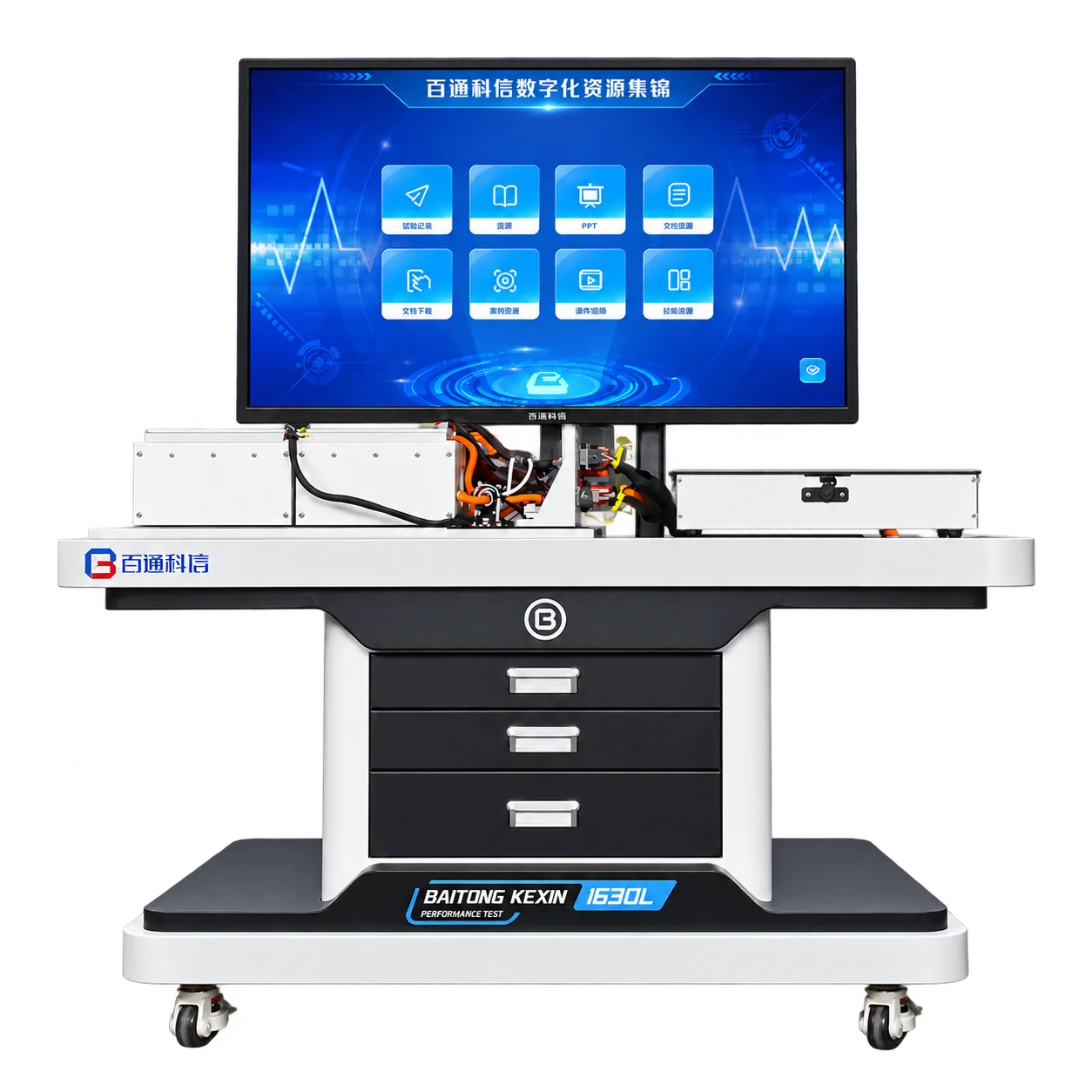
The T028 EV battery assembly and BMS teaching system provides a reference for controlled LFP battery assembly, measurement and instructor-selected fault exercises. Its published scope links cell-voltage and internal-resistance measurements with BMS monitoring and component inspection.
For a Kenyan course, use it to teach how physical evidence and system information relate. A learner records an authorised measurement, identifies the reference condition and compares the observation with the BMS display. The assessment asks for an explanation of what the evidence supports and what remains unknown.
Keep that foundation separate from actual motorcycle battery work. Chemistry, voltage, enclosure, connector, software access and pack ownership can all affect the service scope. Ask the operator which checks a trainee is permitted to perform and which require escalation. A battery display and a similar-looking connector are not sufficient evidence of compatibility.
5. Teach battery swapping as an operating workflow
A swapping-oriented lesson needs to address identification, records and responsibility, rather than simply removing and replacing a pack. Students should understand how a vehicle, pack and operating account are associated and which observations require escalation. The workflow should be obtained from the actual operator; different systems should not be assumed interchangeable.
Create a proposed tabletop exercise using anonymised identifiers and event records. A learner checks whether the reported issue follows the vehicle, a particular pack or a charging/swapping event. The exercise can reveal missing data without requiring the college to open a commercial battery or alter an operator's system.
If physical swapping practice is part of the qualification, specify the actual cabinet, vehicle, battery and authorisation arrangement as a separate procurement or partnership scope. BTKX's general battery and fault-diagnosis teaching can support the underlying reasoning; T028 and T040 should not be described as complete commercial motorcycle-swapping equipment. This distinction helps the college buy the right practical access rather than a misleading product label.
6. Use motor teaching to develop inspection discipline
The T036 motor assembly and testing platform is relevant to component relationships, assembly inspection and documented checks. These principles can support an EV foundation course while the institution separately defines the target motorcycle or vehicle-specific tasks.
Ask learners to explain the purpose of an inspection, identify the conditions under which it was performed and record the conclusion. That skill transfers more reliably than memorising a single motor's appearance. For a local motorcycle course, supplement the bench lesson with the correct drive layout, controller information and approved checks for the actual vehicle.
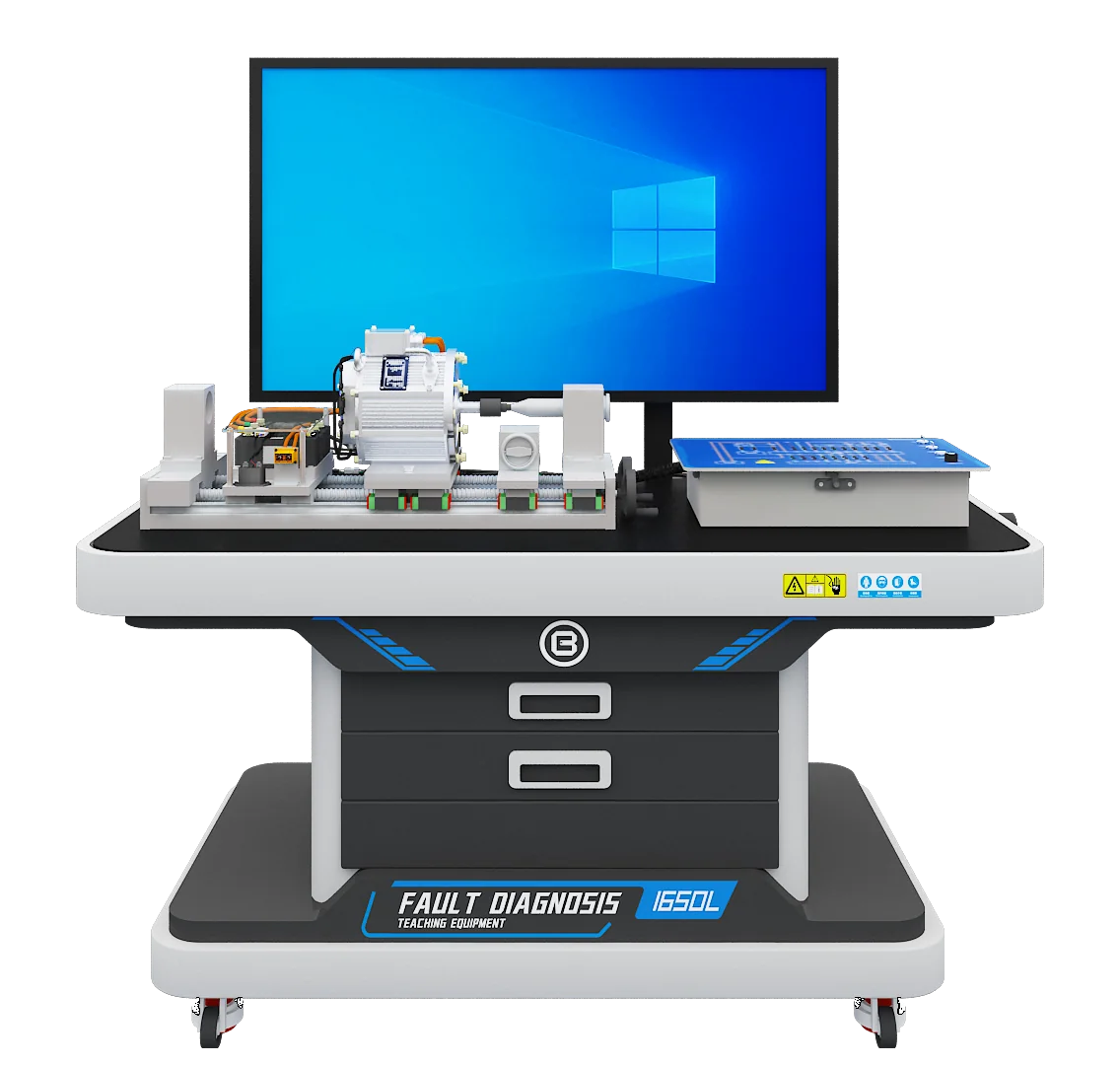
The T076 performance platform is a separate option when a course genuinely needs operating-performance analysis. Confirm a compatible motor, controller, coupling, load and operating envelope. A vocational service course should not sacrifice essential measurement tools or model-specific practice to buy advanced testing that instructors cannot yet use.
7. Separate charging diagnosis from commercial infrastructure
Kenya Power's April 2024 release describes its Stima Plaza installation with 50 kW DC and 22 kW AC chargers. [2] Those commercial-scale examples illustrate why a training quotation must clearly state its own capacity and purpose. A small teaching station can explain system behaviour without reproducing a public charging site.
BTKX's T040 AC charging assembly platform supports guided component and circuit teaching. The charging training application describes a reference teaching configuration of ≤1.5 kW and ≤7 A. It is not a commercial DC charger or a motorcycle battery-swapping cabinet.
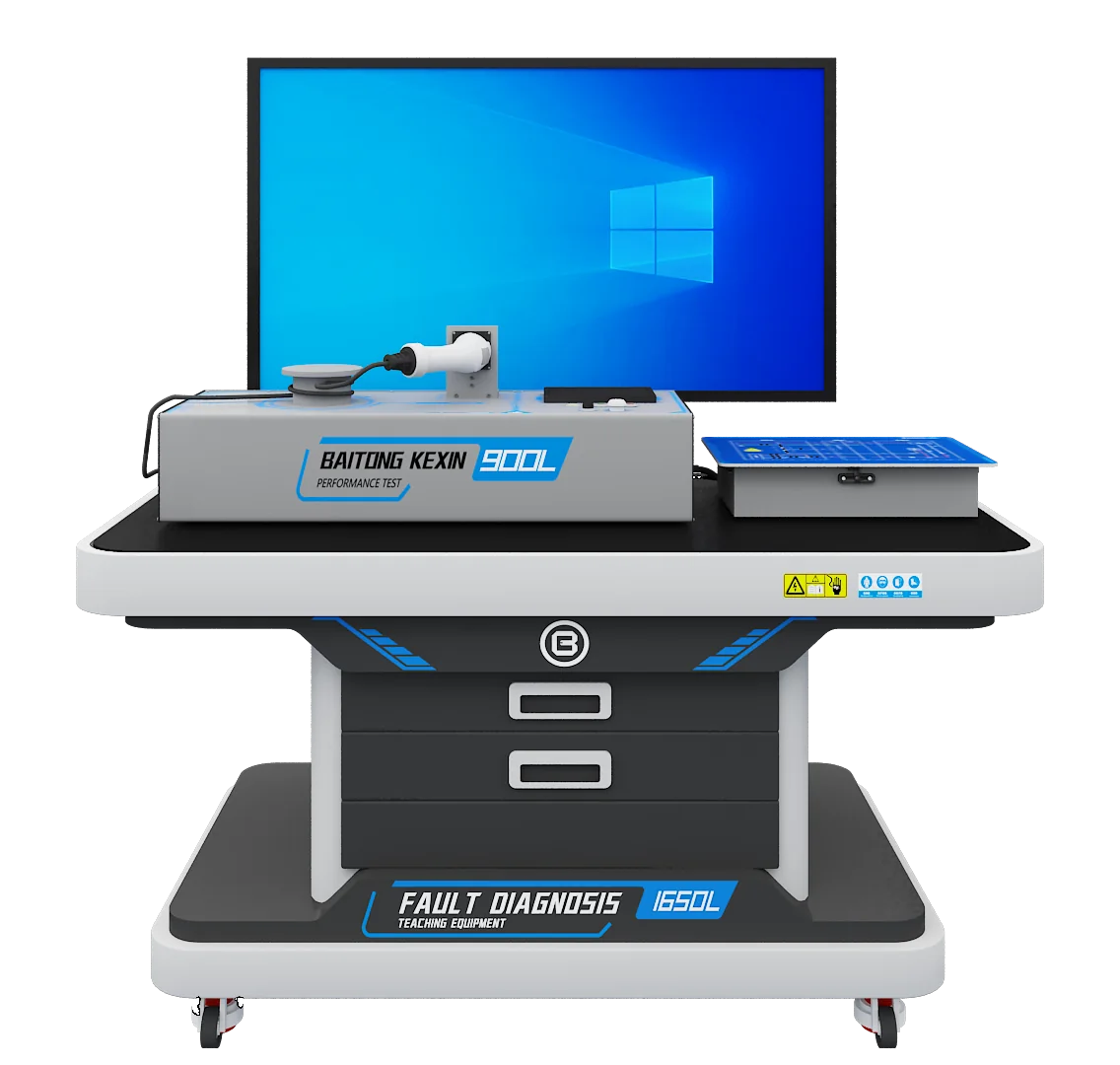
Specify a charging-state lesson with a confirmed interface, normal sequence, authorised interrupted sequence and reset procedure. Where commercial installation or charge-point operation belongs in the course, define the additional hardware, local expertise and assessment separately. Do not infer installer competence from completion of a bench demonstration.
8. Teach operating cost with transparent assumptions
A useful local business lesson asks students to distinguish vehicle economics from workshop economics. Riders may compare energy and service expenses; a workshop must also consider tools, training, parts, labour and the time taken to resolve a job. A single claim that “EVs are cheaper” teaches little about either decision.
Kenya Power's June 2026 announcement describes its effort to meter charging customers under the e-mobility tariff. [3] Use a dated bill or operator record in the classroom rather than hard-coding a tariff into a multi-year equipment purchase. Charges, metering arrangements and the customer's actual eligibility should be checked for the specific case.
Build an illustrative spreadsheet from daily distance, measured energy use, charging or swapping cost, maintenance and downtime. Ask students to identify which inputs are measured, supplied or assumed. Compare a base case and a sensitivity case. This teaches them to explain uncertainty and prevents a laboratory lesson becoming an unsupported promise of a particular rider saving or investment return.
9. Buy a service-ready teaching sequence
The first laboratory package should connect fundamentals to a supported decision. A station that teaches component recognition is useful, but it should not consume the budget intended for individual measurements, job-card practice or actual local vehicles. Ask suppliers to map equipment to the evidence students will produce.
| Teaching need | Equipment or access | Student output |
|---|---|---|
| Electrical foundation | Instruments and suitable foundational stations. | Permitted measurement with conditions and interpretation. |
| Battery/BMS | T028 general teaching system. | Physical/BMS evidence comparison, with model limits identified. |
| Motor principles | T036 and confirmed teaching instruments. | Inspection record and justified next action. |
| Local motorcycle service | Actual validated vehicle, documents and authorised access. | Model-specific job card and verification. |
| Charging or swapping | T040 for selected principles; separate operator-specific equipment where needed. | State-sequence explanation or approved operating workflow. |
Define included computers, licences, tools, resource language and teacher preparation beside each row. A complete usable module makes a better first investment than several unrelated demonstrators with no practical timetable.
10. Preserve mixed-fleet and agricultural course value
A Kenyan institution may teach EVs alongside conventional automotive or agricultural maintenance. Audit those courses before creating a separate room. Wiring interpretation, mechanical inspection, chassis work and fault documentation can remain valuable, while battery and charging topics require their own approved scope.
The conventional vehicle equipment range and agricultural machinery teaching range provide separate product routes for such briefs. Include them only where local employers and the syllabus justify the work. An EV market page should not turn a harvester trainer into an electric-motorcycle solution.
For an agricultural catchment, ask maintenance employers which machines, mechanisms and seasonal tasks graduates will encounter. Define whether the college needs indoor component access, supervised field practice or both. Keeping these pathways distinct allows shared tools and measurement discipline without confusing the occupations or diverting the EV budget into an unplanned machinery programme.
11. Combine English documentation with Swahili explanation
An English equipment schedule can support international procurement, while classroom explanation may benefit from agreed Swahili terminology. Ask the course team which documents must be bilingual: job cards, component glossaries, instructor notes or assessment prompts. Do not assume that translated marketing establishes software-language availability.
Review a sample lesson with a Kenyan instructor. Technical labels on the physical equipment, the diagram and the worksheet must remain consistent. Where an English term is retained, include a clear explanation rather than creating a different translation in every resource. The learner should be able to explain a diagnostic decision to a supervisor and understand the technical documentation used at work.
BTKX's teacher development service should include a teach-back with that resource set. Require setup, permitted task delivery, assessment, reset and routine fault reporting. This makes teacher readiness observable and helps the institution identify where more subject knowledge or model-specific workplace exposure is still needed.
12. Plan support around the final campus
A quote that ends at a port or warehouse does not define a functioning classroom. Specify final-campus transport, access, handling, utilities, installation and commissioning responsibilities. Ask the supplier which tasks the campus must complete before arrival and which evidence confirms readiness.
For the laboratory itself, record power and environmental conditions from a site survey rather than a national assumption. Identify storage, instrument protection, maintenance access and the availability of a reliable computer setup. The BTKX lab planning service can support the preliminary arrangement, with local specialists validating the actual site provisions.
Divide spares into ordinary consumables, locally replaceable instruments and manufacturer-specific components. Ask for identifiers, manuals and a practical fault-report template. Confirm remote-support arrangements and which digital learning resources remain usable offline. A maintainable, regularly taught foundation lab can be more valuable than an elaborate system waiting months for an unidentified component.
13. Expand only when the service pathway is working
Use the first term to test whether students can produce useful evidence and whether instructors can run the stations reliably. For an illustrative class of 20 learners, a 12-minute individual task requires 240 station-minutes. Two stations in a two-hour session provide exactly 240 minutes before setup, reset and feedback, so the timetable still needs additional allowance.
| Stage | Usable scope | Progression evidence |
|---|---|---|
| Foundation | Tools, electrical measurement and clear job-card records. | Students explain results rather than guess from symptoms. |
| EV principles | Battery/BMS, motor inspection and selected charging lessons. | Teachers run and reset complete practical assessments. |
| Local operating systems | Validated motorcycles and operator-specific charging or swapping practice. | Employers confirm the tasks and service permissions. |
| Specialist expansion | Performance testing or additional stations where justified. | Teaching use and practical waiting time demonstrate the need. |
Include logistics, computers, language resources, teacher development and support in total cost. A lower hardware price is not necessarily a lower cost per competent learner if the equipment cannot support individual tasks or relevant local vehicle practice.
Evaluate progress with a small set of teaching indicators: the proportion of job cards with complete evidence, the number of unjustified component replacements in case exercises, and the time teachers need to reset a station. Treat these as course-improvement measures, not promised commercial results. A fast answer with missing evidence should not score higher than a careful, supported escalation. Invite an employer to review a sample of anonymised student records after the first term. That review can identify whether the lab is developing the diagnostic habits local workshops need before the institution spends on more advanced equipment.
14. Accept equipment through an evidence-led service case
Agree a sample lesson before purchase. It should show a permitted task, a student evidence record, an instructor explanation and a reset to the documented reference condition. The equipment documentation defines operating limits; acceptance should not depend on an improvised fault or an unsupported local vehicle adaptation.
| Area | Verify | Retain |
|---|---|---|
| Technical | Models, tools, instruments and approved tasks match the order. | Signed item and configuration list. |
| Teaching | The college instructor runs the agreed case. | Sample job card and teach-back record. |
| Digital | Software, licences and required language resources work. | Resource index and access information. |
| Support | Parts and faults can be identified and reported. | Maintenance plan and named responsibilities. |
For motorcycle compatibility, request explicit evidence of the actual vehicle, battery, interface and permitted tasks. The BTKX procurement checklist can help structure the commercial review, while operator permissions and local course requirements remain separate matters to verify.
15. Match BTKX's manufacturing model to the Kenyan brief
BTKX combines Beijing-based manufacturing with digital resources, curriculum support and teacher development across EV, conventional automotive and agricultural machinery teaching. The vocational schools and colleges solution is relevant where a Kenyan institution wants equipment connected to a workable course and room plan.
The Beijing Commercial School practice-centre case offers a Chinese example of connected teaching zones. It is not evidence of a Kenyan customer installation, local service office or relationship with any motorcycle operator. Ask for current documentation and delivery commitments appropriate to the proposed Kenyan campus.
A useful response should explain what the supplied equipment teaches, which local vehicle access remains necessary and how the first instructor-led class will run. Request sample resources and an acceptance lesson before expanding the scope. This keeps the procurement focused on competent, evidence-led service rather than on an oversized catalogue package.
16. Questions Kenyan training-equipment buyers ask
Can T028 train technicians for every electric boda-boda?
No. It teaches documented battery assembly and BMS principles on its own configuration. Motorcycle-specific packs, connectors, software, ownership and service permissions require separate verification and appropriate local practice.
Should a college buy a swapping cabinet first?
Only if operator-specific swapping work is a defined course outcome and the college has validated access. Electrical foundations and job-card diagnosis may deserve priority. A generic cabinet without the intended vehicle and operating system may add little practical value.
How should an EV course explain rider savings?
Use dated local operating records with clear assumptions for distance, energy, swapping or charging costs, maintenance and downtime. Show sensitivity to uncertain inputs. Avoid presenting one saving as applicable to every rider or vehicle.
Does T040 reproduce a commercial Kenyan charging station?
It is an educational AC charging assembly and circuit platform, with the reference teaching configuration rated at ≤1.5 kW and ≤7 A. Commercial infrastructure and operator training require additional, separately confirmed scopes.
Can English and Swahili resources be combined?
Yes, where the exact delivered resources and terminology are agreed. Review a sample job card and lesson with local instructors, and confirm software language separately from translated worksheets or marketing material.
What is the most important acceptance test?
Have the college teacher run an agreed practical case on the delivered configuration, record evidence and reset the station. Also verify instruments, resources, licences and support. Local vehicle compatibility needs its own explicit evidence.
17. Prepare a Kenyan service-skills project brief
Provide the campus location, student level, class size, existing tools, target vehicles and prospective employer tasks. State whether the course focuses on motorcycles, passenger vehicles, fleets, charging or a mixed workshop. Include service permissions, available vehicle documents, room conditions and preferred teaching language.
Ask for an equipment-to-evidence matrix, itemised delivery scope, resource sample and teacher-development plan. Compare it with individual practical time and the operator's real workflow. A successful first phase is a course that produces trustworthy diagnostic records and can be maintained through ordinary teaching terms.
Planning EV service training in Kenya?
Discuss a practical foundation lab and the separately validated vehicle-specific scope your learners need.
Discuss your Kenya projectSources
Research checked 20 October 2026.
- UNEP: Kenya gets a breather courtesy of electric motorcycles. 10 March 2021.
- Kenya Power: investment towards promotion of e-mobility. 22 April 2024.
- Kenya Power: customer transition to e-mobility tariff. 4 June 2026.


